

-
Architects: Kengo Kuma & Associates
- Area: 5600 m²
- Year: 2022
-
Professionals: Søren Jensen Engineering Consultants A/S, MASU Planning


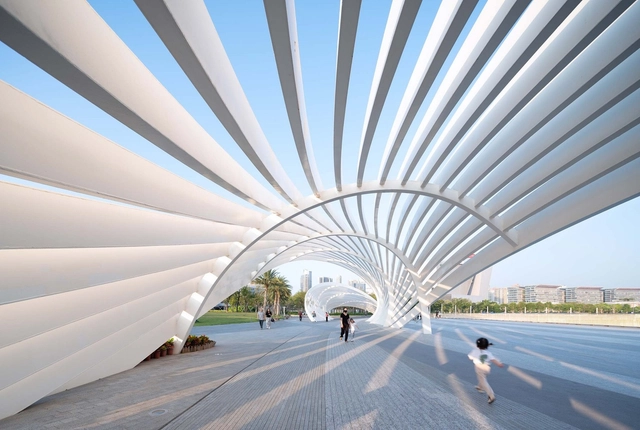
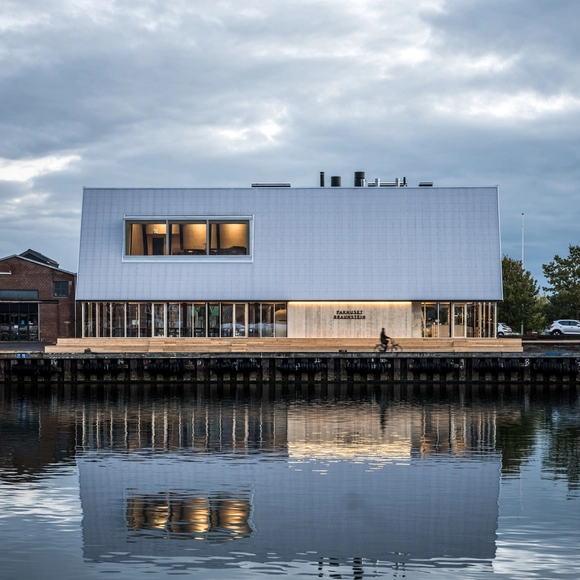
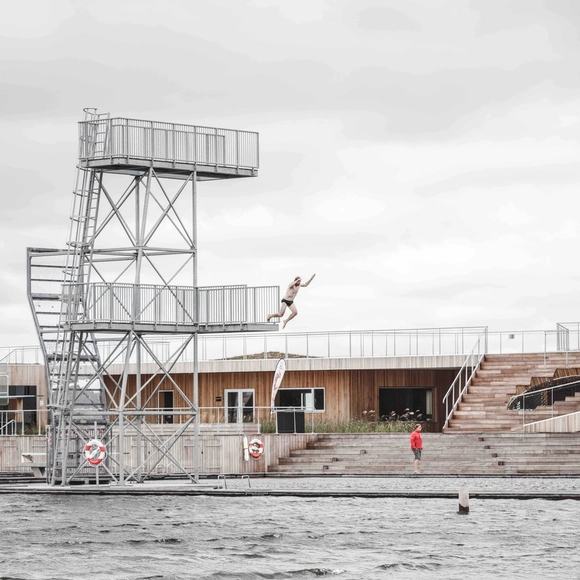
Between rising water levels and global migration to cities, architects and designers need to critically reimagine the relationship between coastal landscapes and public space. Cities are facing entirely new risks and environmental conditions. Resiliency, infrastructure, and ecology are increasingly common terms, reflecting the growing demand to address the spatial and formal challenges faced by cities worldwide. Rethinking boundaries and edges, designers have unique opportunities to help shape public understanding of these conditions through waterfront parks.


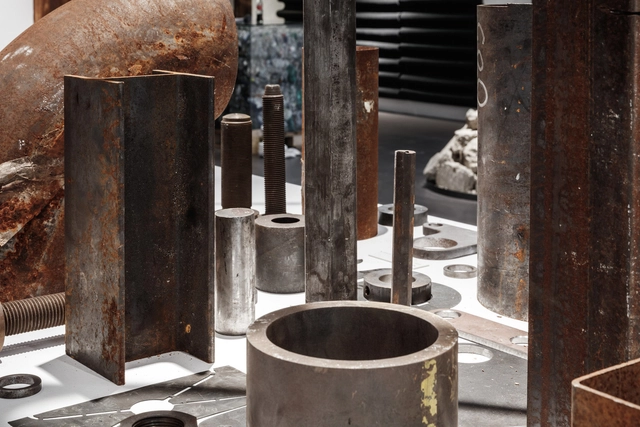
This article was originally published on Common Edge
In a Common Edge article, I briefly discussed a concept that I call the “Triple Bottom Lie,” which posits that more people, plus more consumption by each person, plus an economic system completely dependent on the aforementioned items, can just keep working forever, without consequences. Historically, the United States has accepted the economic shibboleth of endless growth because it reduced class conflict; a rising tide (supposedly) lifted all boats, rafts and yachts included. We are, however, approaching the limits of growth, from both a resource standpoint (we’re running out of raw materials) and a technological standpoint (our inventions are progressively less revolutionary).

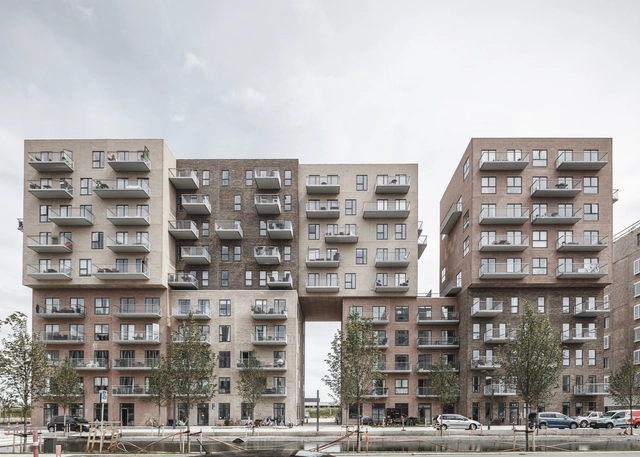
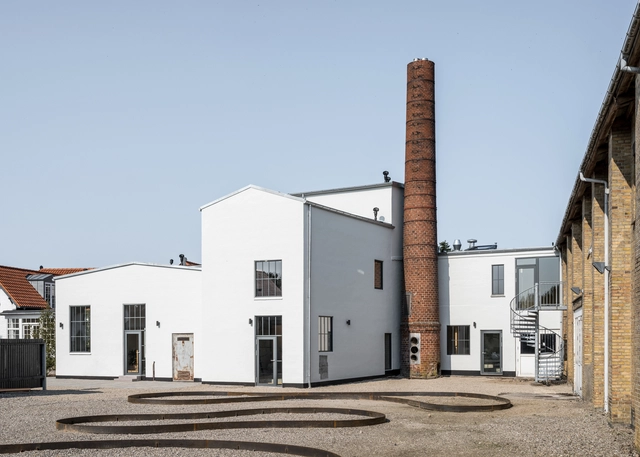
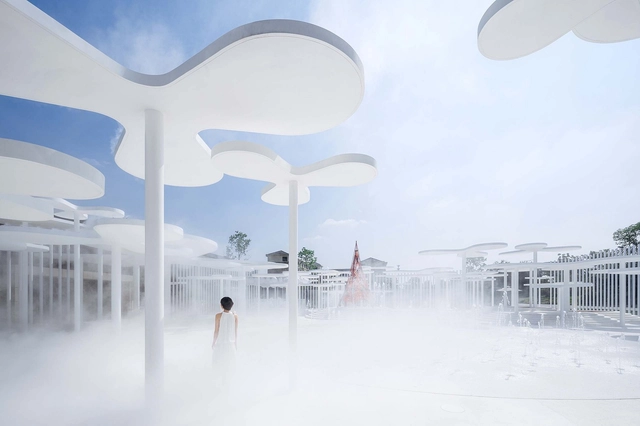
The incorporation of the human figure is one of the most effective tools used in architectural photography: it helps the viewer decipher the scale of work and assess its amplitude. While it successfully communicates a rough idea of the measurements of the elements in the picture, it also helps architecture become more relatable and accessible. People engage better with the built environment when it is populated, mainly because the human sense of society and community is the cornerstone of our civilization. With this in mind, we are showcasing a selection of our favorite photographs where the human figure takes center stage, enhancing our reading of architecture.
_Daria_Scagliola.jpg?1596665845&format=webp&width=640&height=580)
Public space has always been a top priority in every city’s urban planning agenda and given today’s world context, these urban spaces have emerged as fundamental elements of cities and neighborhoods. Plazas, squares, and parks, undeniable necessities in the urban fabric, have become, today, more vital than ever.
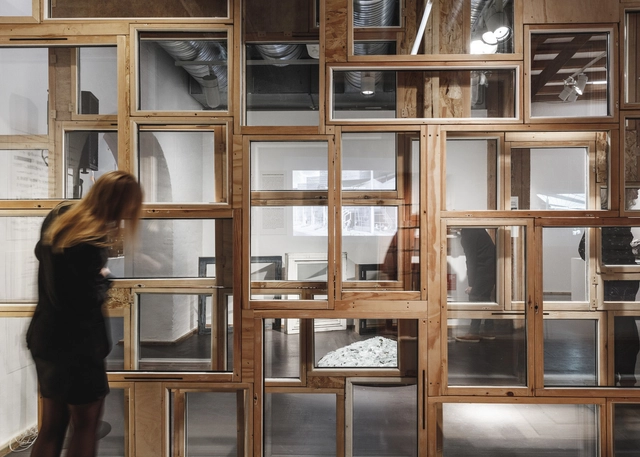
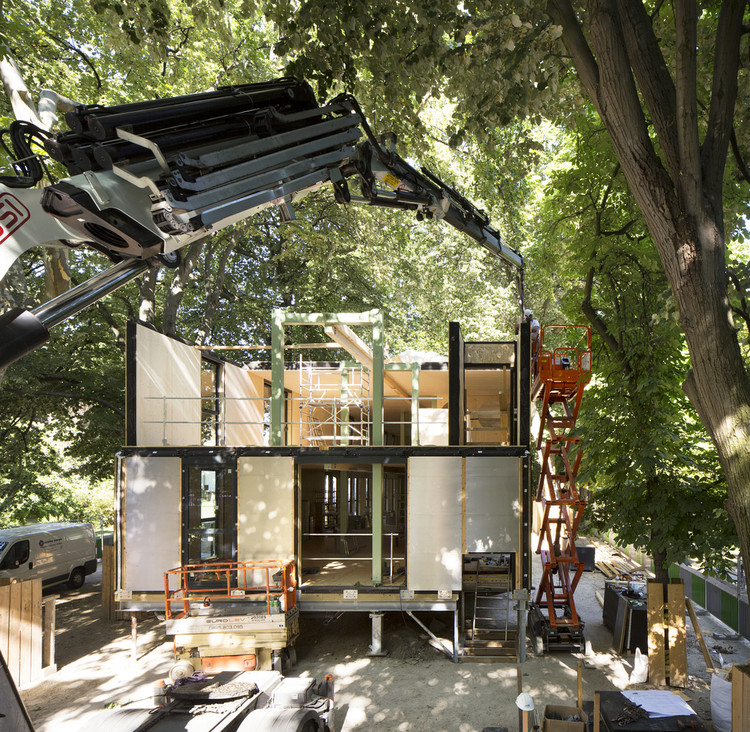
Making material recycling commonplace within the architectural field would require a top-down approach in adapting the industry’s processes and standards to create a suitable framework for the task. However, individual endeavours are bringing about change within the profession, pushing for a reconsideration of architecture’s relationship to waste. This article looks at some of the initiatives that are spearheading the transition towards a common practice of material recycling.
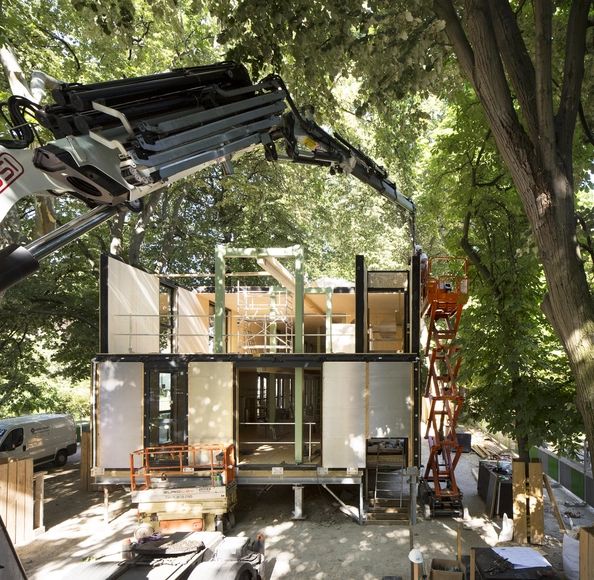
The concept of Design for Disassembly (DfD for short) gained increasing traction in recent years, as it addresses the growing concern around the high consumption of resources and low recycling rate within the construction industry. The following article details on the method and features guidelines for a design process that facilitates the dismantlement of future buildings, with the scope of providing a better understanding of this principle within the broader framework of the current practice and circular economy.
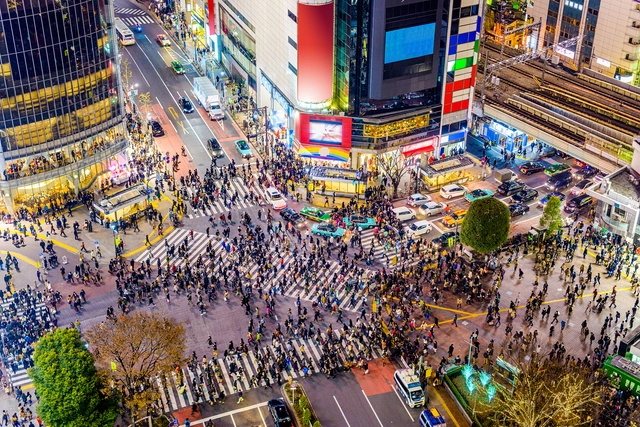
When we talk about public space, we often imagine a park with happy, relaxed people on a sunny day. In actuality, this is a very restricted approach. A young woman does not cross a deserted street at dawn in the same way as a white man wearing a suit or as an immigrant who may not be welcomed by local citizens. Have you ever felt discriminated while visiting a public space?
In this edition of Editors’ Talk, editors from Los Angeles, São Paulo, Argentina, and Uruguay share their views on defining public spaces for everyone

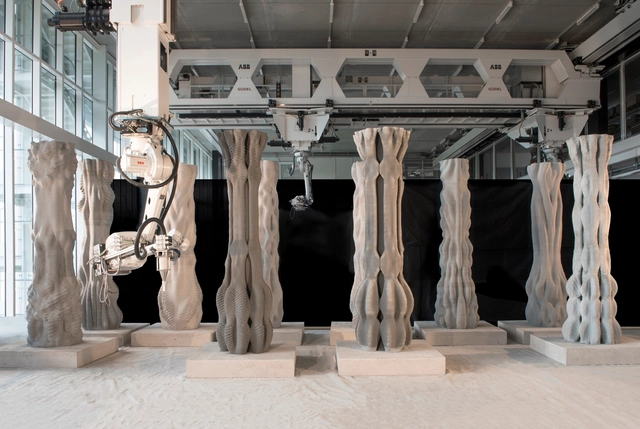
A couple of years ago, digital fabrication was making headlines regularly, promising to drastically change the architecture practice. The revolution in architecture might not have arrived yet, but research projects, experiments and the dedication of several architects and universities already opened a new realm of possibilities for architectural expression. Therefore, it seems appropriate to give an overview of the impact the technology had so far within the architecture practice. This article covers the different types of processes within the field and the projects that experiment with them, with the scope of reframing the architectural potential of digital fabrication.
.jpg?1589997196&format=webp&width=640&height=580)
Architecture practice Cobe has created a new design center concept for multinational organization and automaker Geely in Sweden. The 14,000-m² project is made in part to form the setting for Geely Design’s development of the new electric car brand Lynk & Co. The center will be a multi-purpose building designed to perform as a four-story machine.
.jpg?1589997217&format=webp&width=230&height=230&crop=true)
.jpg?1589997246&format=webp&width=230&height=230&crop=true)
.jpg?1589997172&format=webp&width=230&height=230&crop=true)
.jpg?1589997416&format=webp&width=230&height=230&crop=true)
.jpg?1589997196)






_Del_Rio_Bani.jpg?1596667310&format=webp&width=230&height=230&crop=true)
_Evgeny_Evgrafov_02.jpg?1596665789&format=webp&width=230&height=230&crop=true)
_Norbert_Tukaj.jpg?1596666158&format=webp&width=230&height=230&crop=true)
_Chao_Zhang.jpg?1596666402&format=webp&width=230&height=230&crop=true)
_Daria_Scagliola.jpg?1596665845)