

-
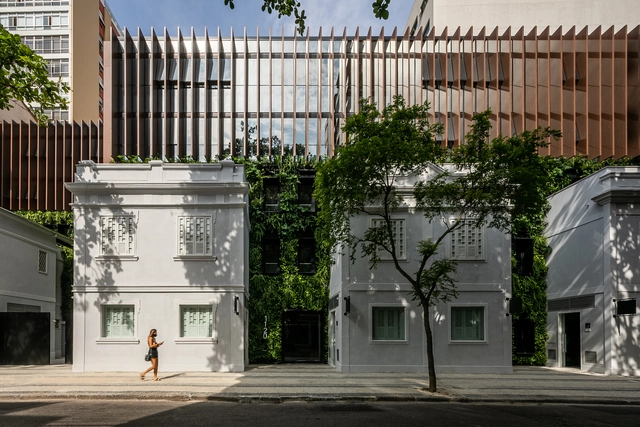
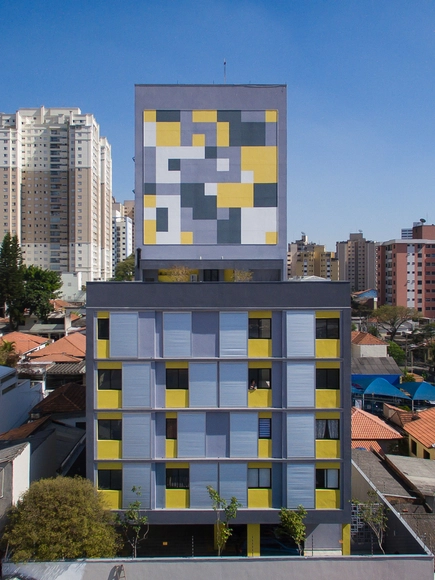
Architects: Jacobsen Arquitetura
- Area: 5140 m²
- Year: 2020
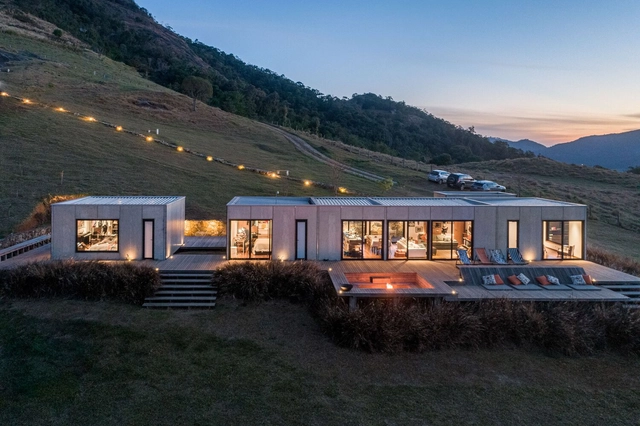
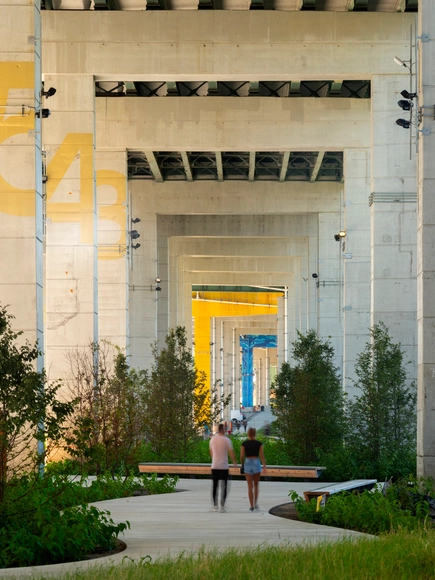
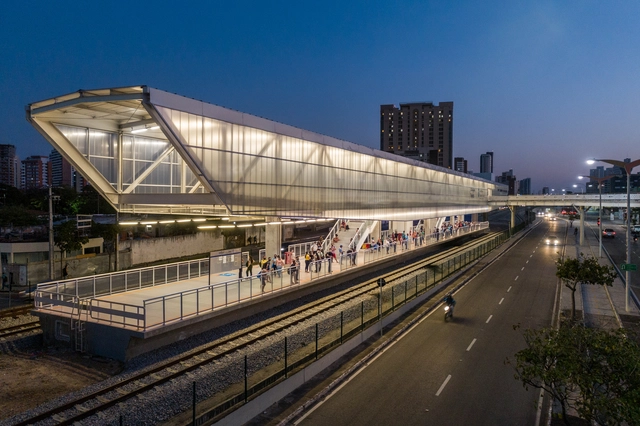
Cities are so deeply rooted in the history of mankind that we hardly ask ourselves why we live in them or what the reason is for us to group together in urban settlements. Ciro Pirondi, Brazilian architect, points out that we live in cities because we like to have someone to talk to, while Paulo Mendes da Rocha classifies the city as “the supreme work of architecture.” The city is the world that man builds for himself. These are immense collective constructions, palimpsests, and collages of stories, achievements, and losses.
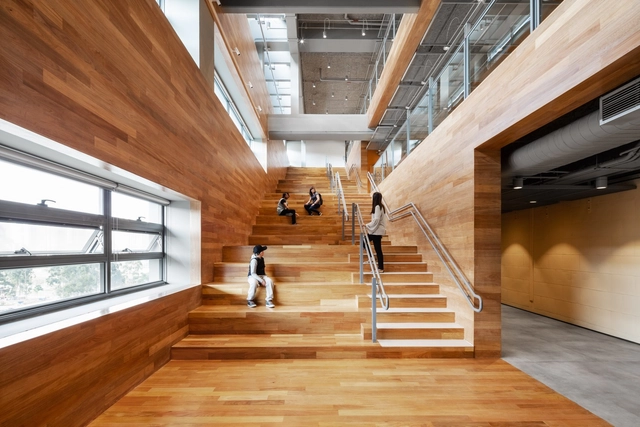
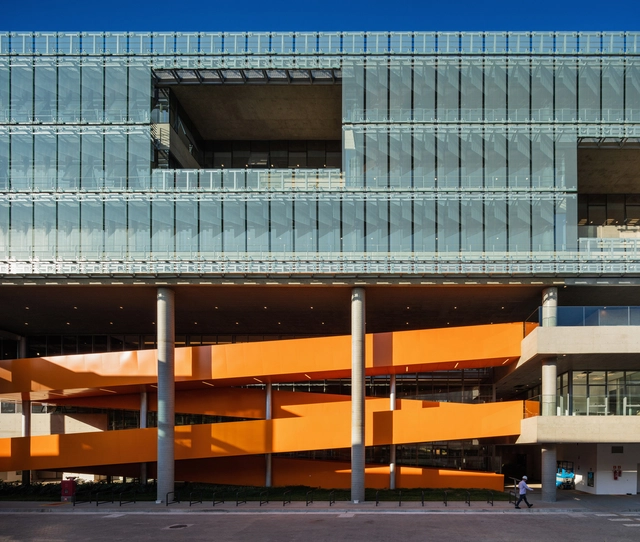
Earth has been mostly urban since 2007. By 2050, the percentage of people living in cities should reach 70%. In the coming years, megacities with more than 10 million inhabitants are expected to multiply, mainly in Asia and Africa, and often in still-developing countries. Such a projection raises questions about sustainability and climate change that cities inevitably catalyze. It also raises questions about how cities can provide an adequate quality of life for its inhabitants, and how they can prosper and develop in contexts that are often not ideal. How can urban spaces benefit their population and vice versa? While old centers will require transformations and updates, city peripheries will require new homes and public facilities, in addition to adequate infrastructure. How can this process help urban centers become more intelligent, using the technology already available to benefit their inhabitants in a creative and efficient way?
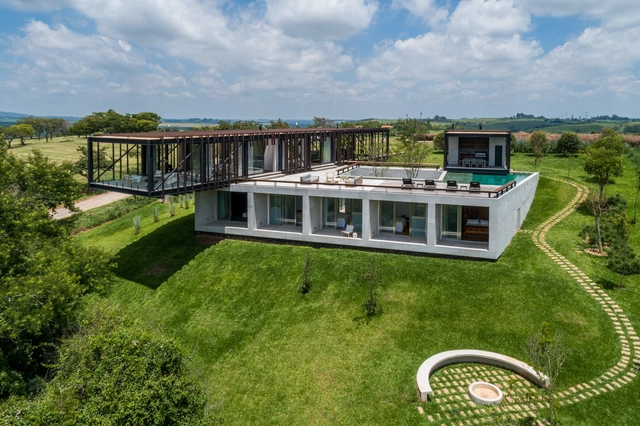
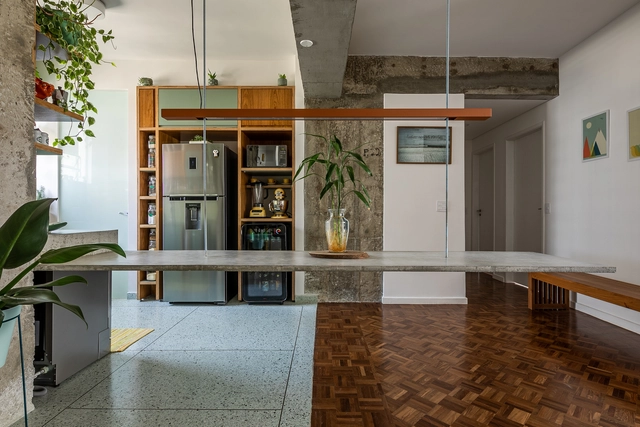

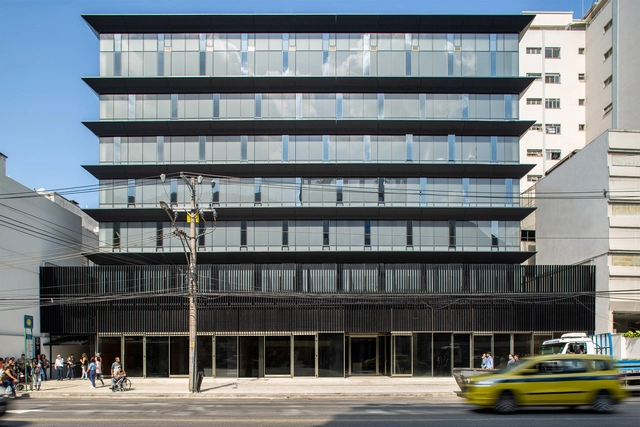
More than 5.000 architecture projects were published in ArchDaily this year. Year after year, we curate hundreds of residential projects, and as we know our readers love houses, we compiled a selection of the most visited residential projects published on the site.
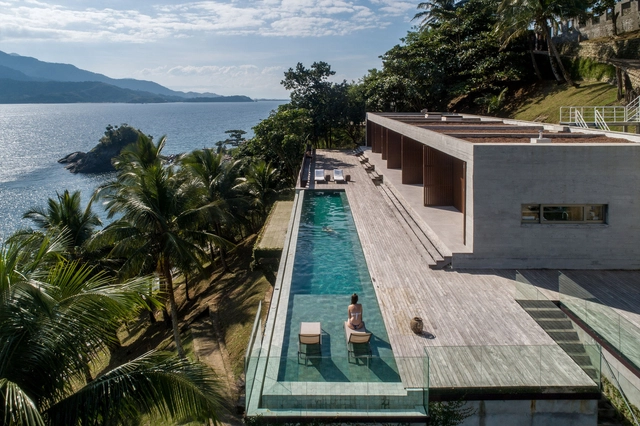
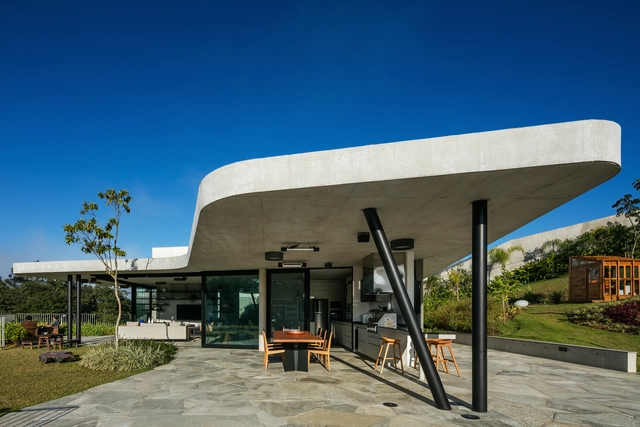
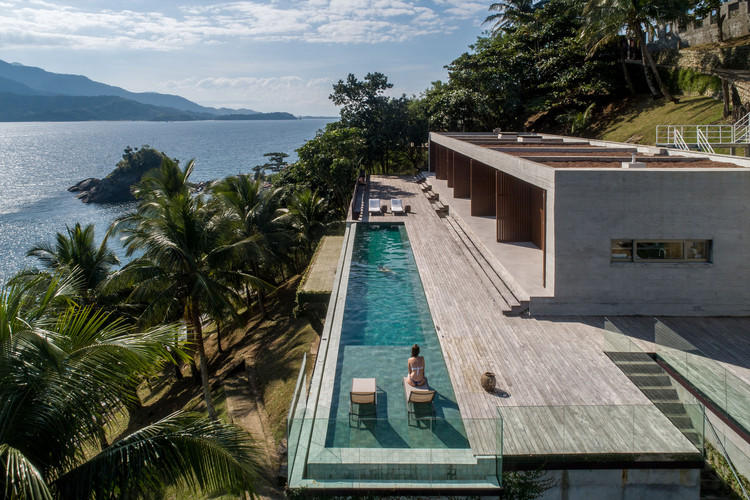
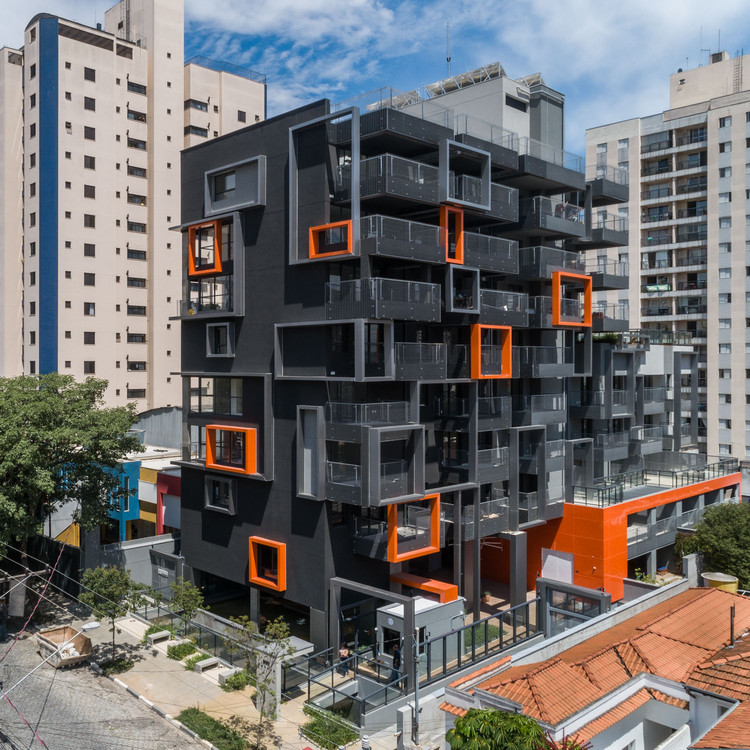
Set in various locations around the world, in urban, rural, mountain and beach landscapes; a variety of structural designs, from traditional masonry to the most technological prefabricated systems; from small dwellings to large houses and materials such as concrete, wood, and bricks as the most used. We also found their design and typology solutions were very much aligned with their specific settings and all of them share a strong dialogue between the house and nature, whether it is its direct surroundings or the introduction of green into a more condensed urban setting.
This selection of 50 houses highlights the most visited examples during these twelve months and, according to our readers, were the most attractive in innovation, construction techniques, and design challenges. Check them out below:


.jpg?1595777554&format=webp&width=230&height=230&crop=true)
.jpg?1595777215&format=webp&width=230&height=230&crop=true)
.jpg?1595777397&format=webp&width=230&height=230&crop=true)
.jpg?1595777349&format=webp&width=230&height=230&crop=true)






.jpg?1505884320&format=webp&width=230&height=230&crop=true)
.jpg?1505884771&format=webp&width=230&height=230&crop=true)
.jpg?1505884660&format=webp&width=230&height=230&crop=true)
.jpg?1505884650&format=webp&width=230&height=230&crop=true)


