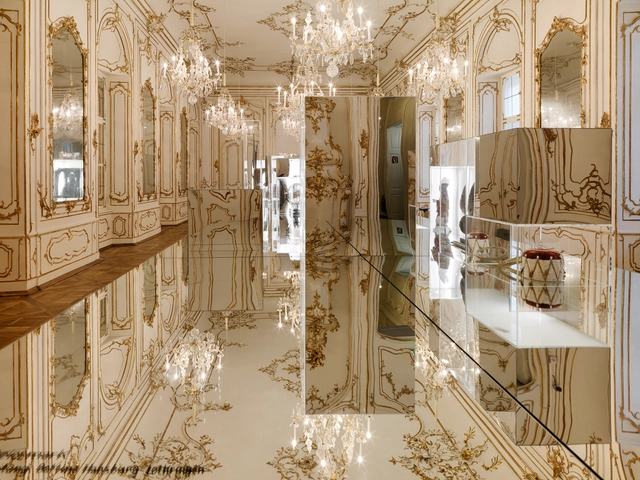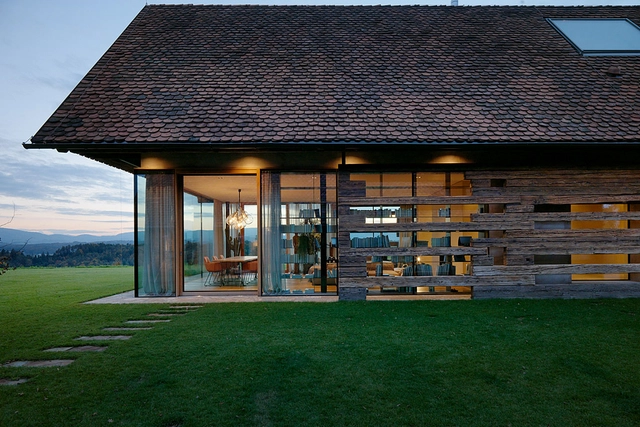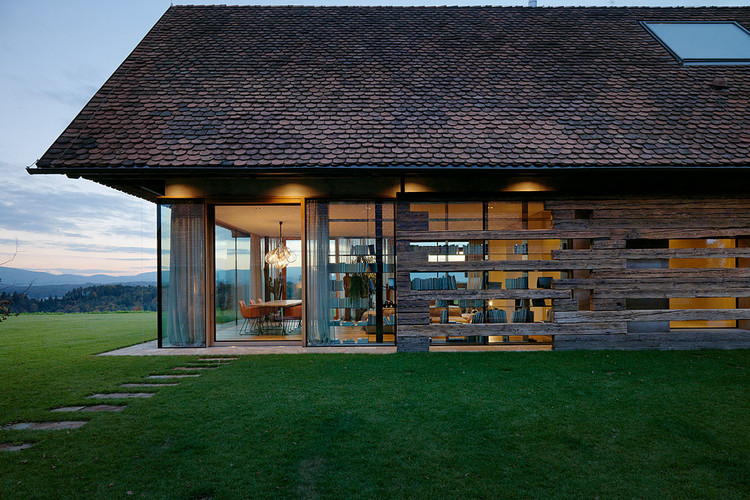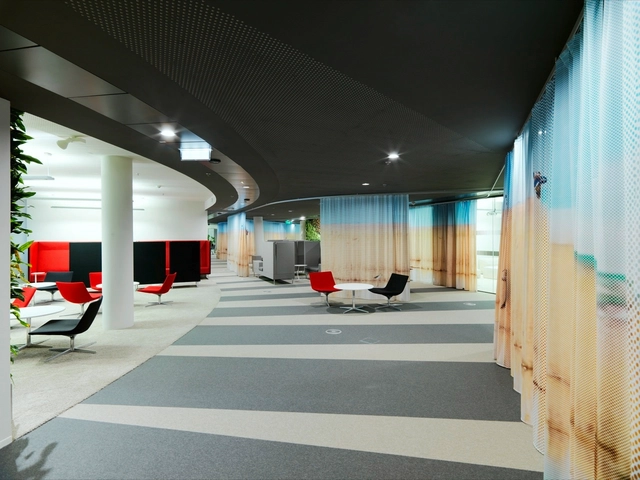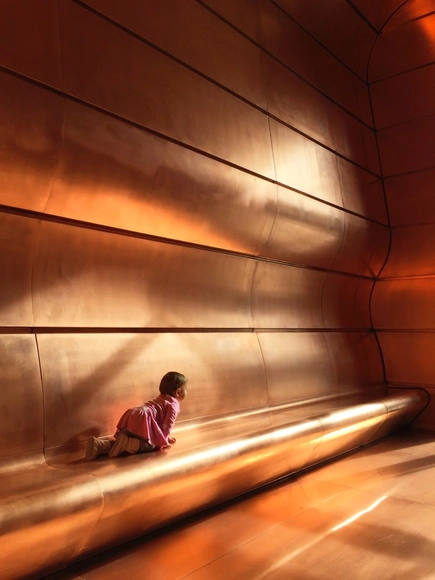
This renovation project by Peter Ebner and friends ZT GmbH is about the history of a place and changing tastes and times. It is about not needing a large scale to radically improve the space around. It is about the beauty and character of the city with its reflected sparkling life, gloomy evening sky, raindrops and lights of passing cars. It is about people who are mostly in a hurry, but who still sometimes stop for a few seconds to take note of a special, glittering room.
When the world undergoes major changes (be it social, economic, technological, or political), the world of architecture needs to adapt alongside. Changes in government policy, for example, can bring about new opportunities for design to thrive, such as the influx of high-quality social housing currently being designed throughout London. Technological advances are easier to notice, but societal changes have just as much impact upon the architecture industry and the buildings we design.
The population’s aging phenomenon is occurring worldwide. We say phenomenon because all population pyramids are reversing, which means birth rates are steadily decreasing over the years, and at the same time, life expectancy has been increasing. Thus, the elderly population is growing at a faster rate than children.
According to IBGE (Brazilian Institute of Geography and Statistics), in 2017 there were more than 30 million people over the age of 60 in Brazil (14.6% of the population). To understand this growing demographic, let's take a look at other countries' statistics. Mexico's total population is about 28 million, the size of Australia's and New Zealand's combined population. We are talking about a demographic the size of a country.
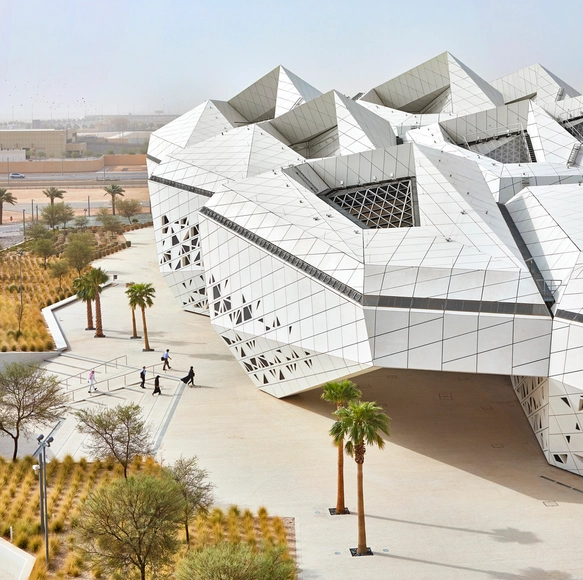
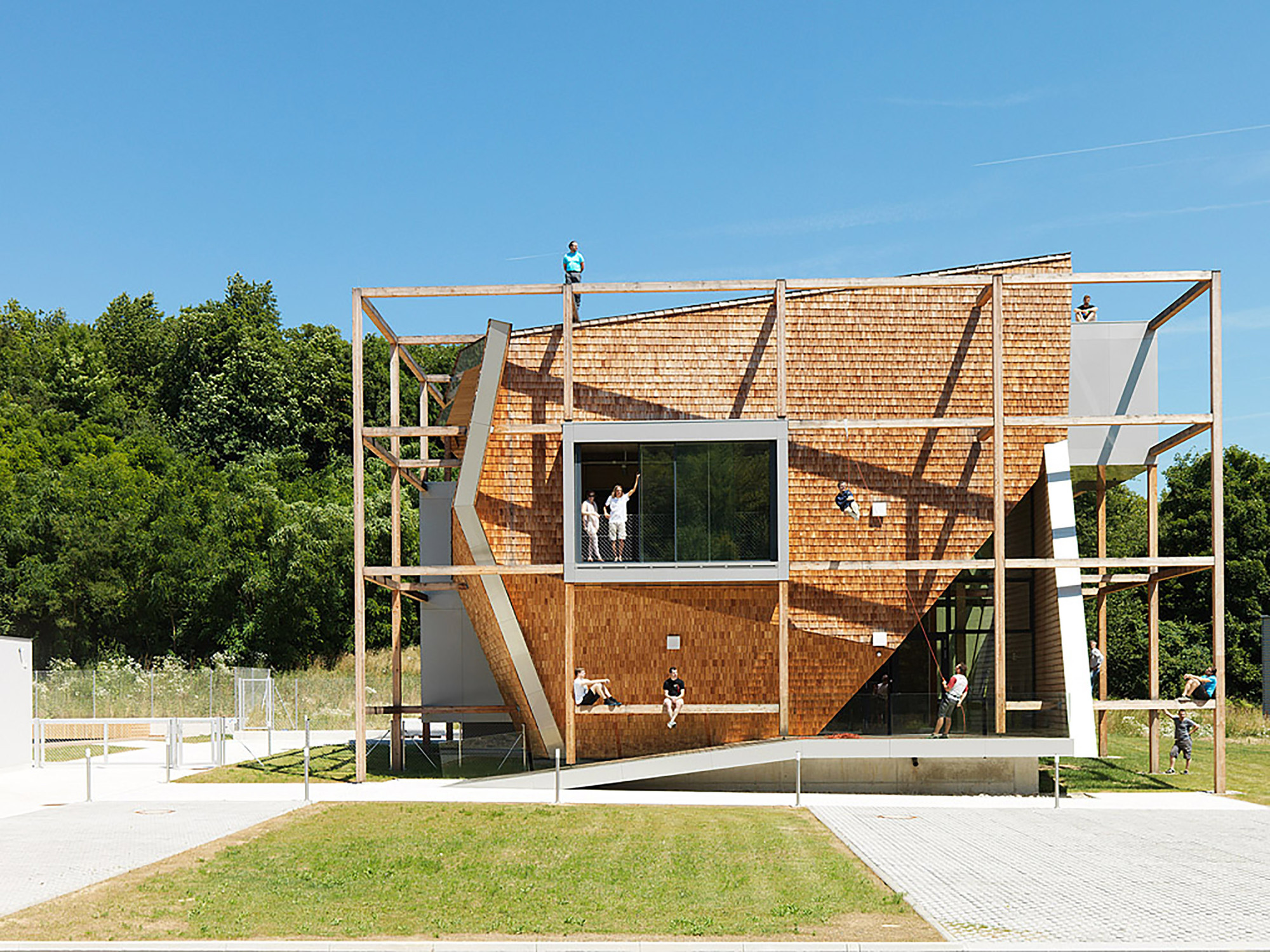
New technological developments in construction have given architects great freedom when designing. Innovations in construction materials and their properties allow for the creation of increasingly original and surprising facades. The buildings constructed as a result can even inspire people to travel thousands of kilometers just to see these masterpieces. This week, we present 15 of most ground-breaking facades through photos by prominent photographers such as Paul Ott, Peter Bennetts and Laurian Ghinitoiu.
The winners of the 2015 LEAF Awards have been announced. Founded in 2001, the awards ceremony honors innovative architecture projects in 13 different categories dedicated to various aspects of building, including best façade design and engineering, best future building, and public building of the year.
Find out which projects won the awards, after the break.
Taking input from 2015's most innovative designers, Fast Company Design has complied a fascinating list of 25 ideas that will shape the future of design. From this list, we have extracted the five most relevant points for architects to consider. Read through them after the break, and let us know your thoughts in the comment section below.