

-
Architects: Estudio.Entresitio
- Area: 9321 ft²
- Year: 2018
-
Manufacturers: Hunter Douglas Architectural (Europe), Lamberts, Cinca, Cortizo, Delta Light, +5
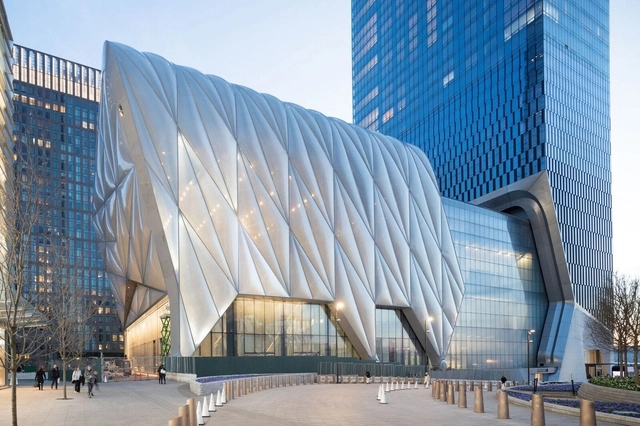
Until recently, the architecture world largely viewed plastic polymers as inferior building materials, handy for wipe-clean kitchen surfaces, but not practical in full-scale building applications. But with technological innovations driving material capabilities forward, polymers are now being taken seriously as a legitimate part of the architect’s pallet. One of the most widely-used of these materials is a fluorine-based plastic known as ETFE (Ethylene tetrafluoroethylene). Brought into the public consciousness thanks to its use on the facade of PTW Architects' Water Cube for the 2008 Beijing Olympics, architects are now realizing the film’s capabilities to express a new aesthetic and replace costlier transparent and translucent materials. Its most recent and spectacular public appearance was on the 120-foot telescopic shell of The Shed, designed by Diller Scofidio + Renfro and Rockwell Group in New York City.
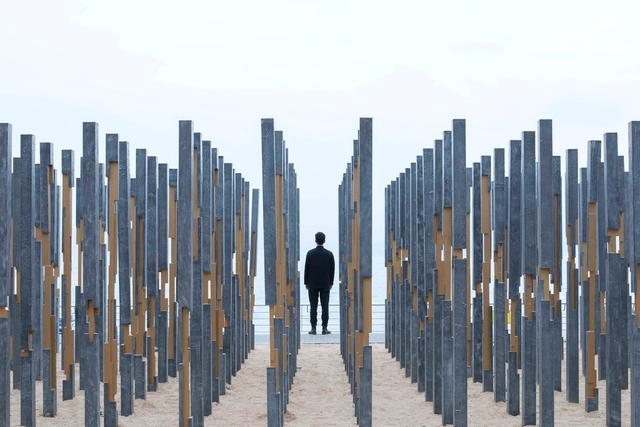
Enquanto meio de representação da arquitetura, a fotografia apresenta qualidades indiscutíveis. Com ela, é possível apresentar a um público distante obras erguidas em qualquer lugar do mundo, de vistas gerais a espaços internos e pormenores construtivos - ampliando o alcance e, de certo modo, o acesso à arquitetura.
Entretanto, como qualquer outra forma de representação, não é infalível. Na medida que avanços tecnológicos permitem fazer imagens cada vez mais bem definidas e softwares de edição oferecem ferramentas para retocar e, por vezes, alterar aspectos substanciais do espaço construído, a fotografia, por sua própria natureza, carece de meios para transmitir aspectos sensoriais e táteis da arquitetura. Não é possível - ao menos não satisfatoriamente - experienciar as texturas, sons, temperatura e cheiros dos espaços através de imagens estáticas.
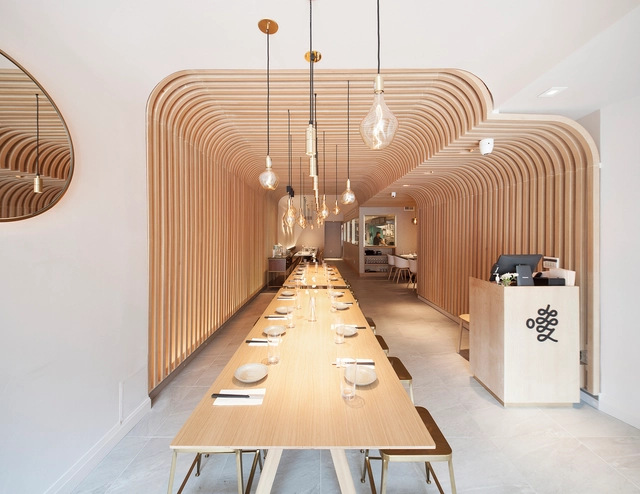
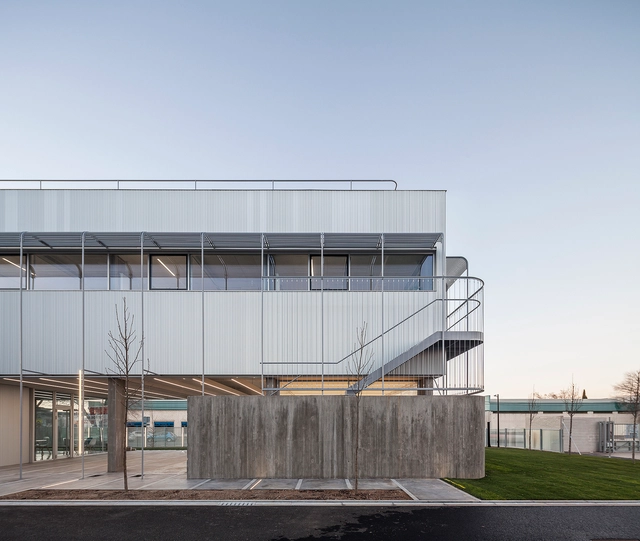
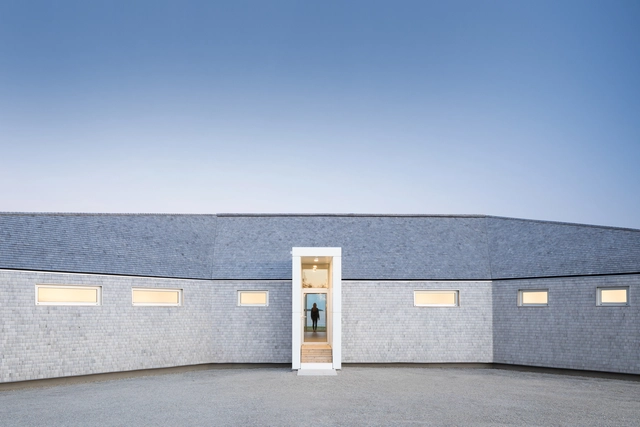
Is there an aspect, a recurring mark, that reveals a difference in the way that male and female architecture photographers see the world? This is, perhaps, one of those rhetorical questions often used as an argument to shed light on works produced by women and for which there is no precise answer.
Without claiming to offer an answer to this question—and in order to follow up on our first article that showcased a selection of women in architecture photography—we present here a new compilation of professionals who deserve attention for the quality of their photographic work. See our list below:
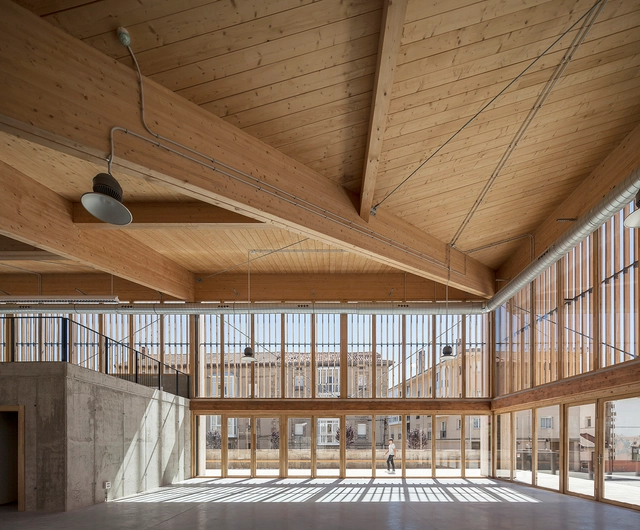
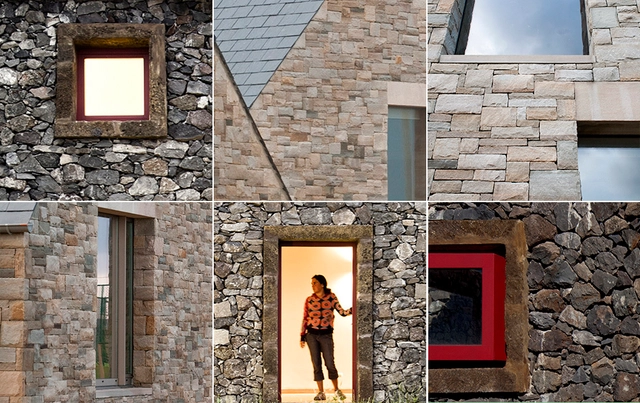
Stone is elemental to our built world. It is one of the oldest (if not the oldest) materials used in man-made habitats. The sense of timelessness in stone is attributed to its long and varied history alongside architecture. From ancient monoliths to cities to houses, the diversity of stone means that it can be used to convey a variety of expressions. Carved, polished, sedimented, stacked, preserved - the list can go on and on. The feeling stone conveys in contemporary projects usually brings with it a sense of place – a raw materiality when paired with timber or other natural materials. With that in mind, check out these 6 details of projects that stand out for their use of stone:

As editors on the Projects Team at ArchDaily, we wanted to reflect on the projects published in 2016—and, based on those submissions, to consider what we hope to see from the submissions we will publish in 2017.
During 2016, the projects we published had a high level of visual impact. Axonometric views were part of the vast majority of our publications, democratizing understanding by creating easily accessible views which closely resemble reality. Secondly, the development of immersive video technology has allowed us to publish full 360-degree tours through the interiors of works of different sizes, generating images which are increasingly representative of the physical reality of the work in question.
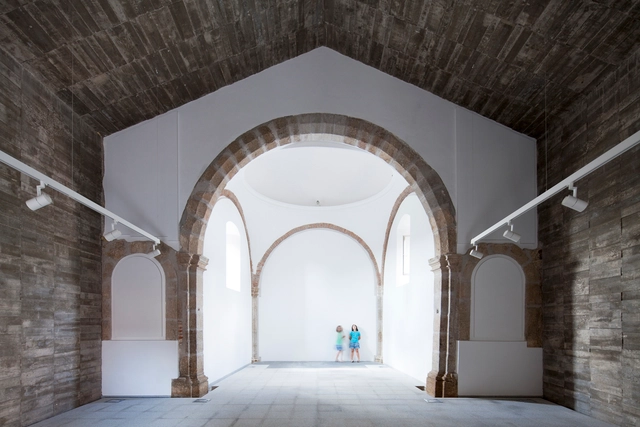
One of the most significant buildings of the late modernist style, Le Corbusier’s Convent de la Tourette exemplifies the architect’s style and sensibilities in the latter end of his career. Built between 1956 and 1960 on a hillside near Lyon, France, the priory dominates the landscape, with its strict, geometric form.