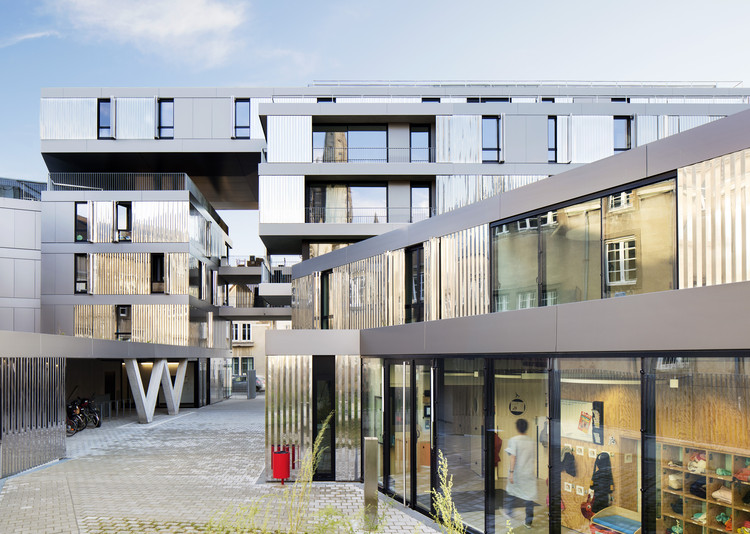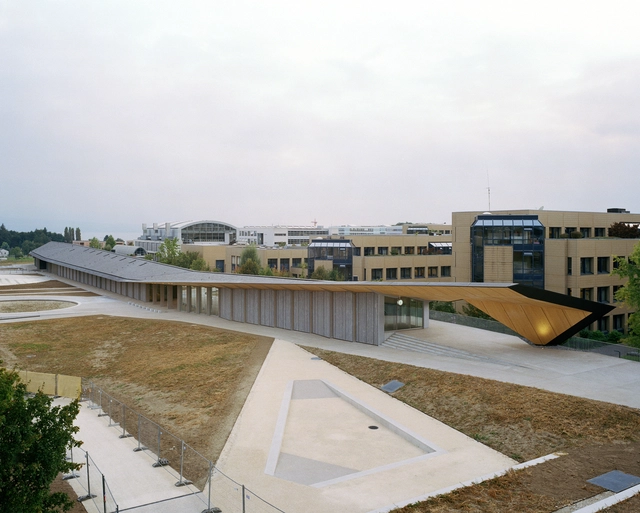


-
Architects: Kengo Kuma & Associates
- Year: 2016
-
Manufacturers: CYMISA, Mivelaz bois
-
Professionals: BG Ingénieurs Conseils, Buro Happold, INGPHI SA, Concepteurs d'ouvrages d'art, JPF Ducret, +1




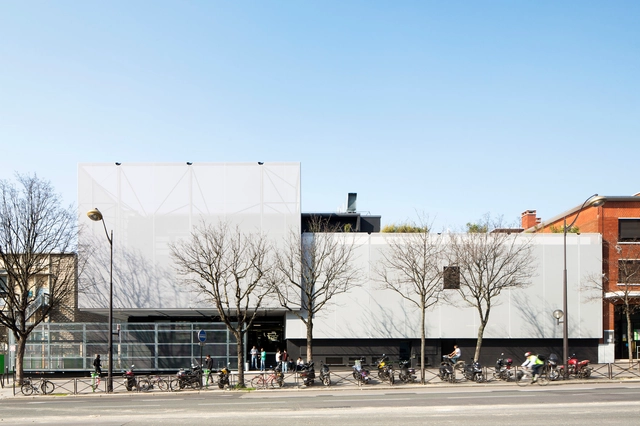

.jpg?1451588728&format=webp&width=640&height=580)
We all know exercise and being in close proximity to nature boosts our happiness and overall heath. However, the impact of the "environmental aesthetics" of our cities has never been studied, until now.
A new study suggests that beautiful architecture is considered just as "scenic" and beneficial to our health and psyche as "greenery."
"Cities face a choice of building up or building out," says Renzo Piano, according to a recent article on the Daily Mail. Responding to backlash led by the Skyline Campaign, a campaign spearheaded by architect Barbara Weiss that "aims to stop the devastation of London by badly designed and poorly placed tall buildings," Piano is defending London's controversial skyscraper boom by saying it's giving the one thing the city needs most: "space on the ground."
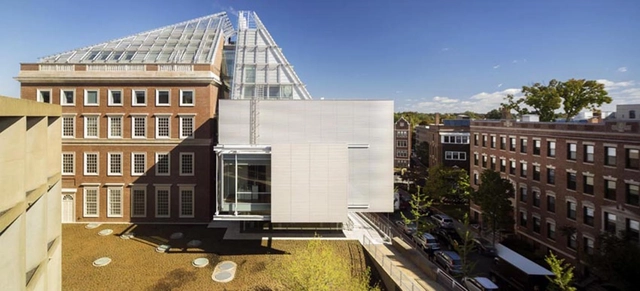
With the opening of the Harvard Art Museums a week ago today, Renzo Piano was able to finally complete on a project which, in various guises, has been in progress for seventeen years. The relationship between Piano and Harvard began with a 1997 plan to build a new branch of the Fogg Museum on the Charles River and ended, after objections from locals and then the 2008 recession, in the decision to consolidate the university's three museums (The Fogg, Busch-Reisinger and Arthur M Sackler Museums) under one roof.
With its long history, restricted space, the listed facade of the original Fogg Museum and the ultimate difficult neighbor in Le Corbusier's Carpenter Center for the Visual Arts, the Harvard Art Museums project was inevitably going to cause a fuss on completion. So how did Piano do? Find out what the critics said after the break.
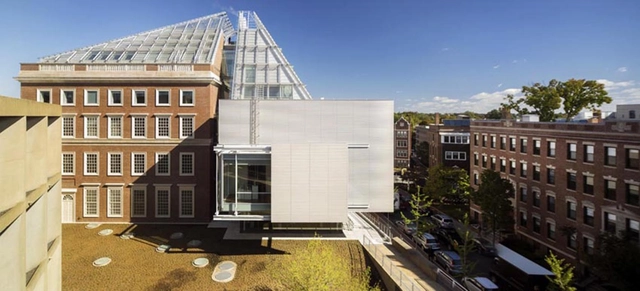
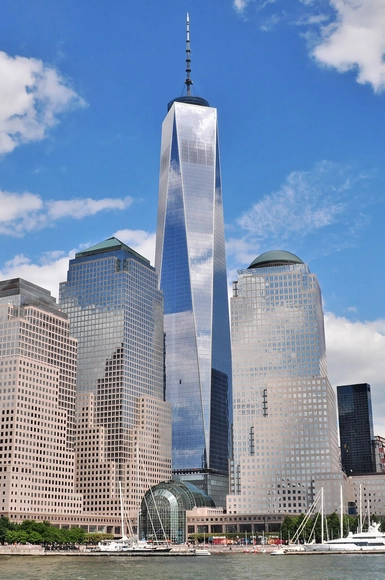
Recently, ArchDaily editors received an interesting request from an anonymous Communications Director of an unnamed New York firm, asking us “In your reporting, please do not repeat as fact, or as "official," the opinion that One World Trade Center in New York will be the tallest building in the United States.” He or she goes on to explain that the decision maker who 'announced' the building as the tallest in the US, the Council on Tall Buildings and Urban Habitat (CTBUH), is not officially endorsed by the AIA or the US Government, and that while their work is beneficial for architecture and cities as a whole, their criteria for height evaluation are flawed and have been criticized by many in the industry.
The desire to have the tallest building in a city, country or even the world goes back to at least the medieval period, when competing noble families of Italian hill towns such as San Gimignano would try to out-do each other's best construction efforts (jokes about the Freudian nature of such contests are, I imagine, not much younger). Perhaps the greatest symbol of this desire is the decorative crown of the Chrysler Building, which was developed in secret and enabled the building to briefly take the prize as the world's tallest, much to the surprise and ire of its competitors at the time.
With this competitive spirit apparently still very much alive, I thought it might be worthwhile to address the issue raised by our anonymous friend.

The Royal Institute of British Architects (RIBA) has now announced the six projects that form this year's Stirling Prize Shortlist, the award that is the ultimate prize for any British building. As the RIBA's most publicly prominent award, the Stirling Prize is often a prime demonstration of the tension between architecture that is widely appreciated by the general populace, and that which is lauded by architectural critics and practitioners.
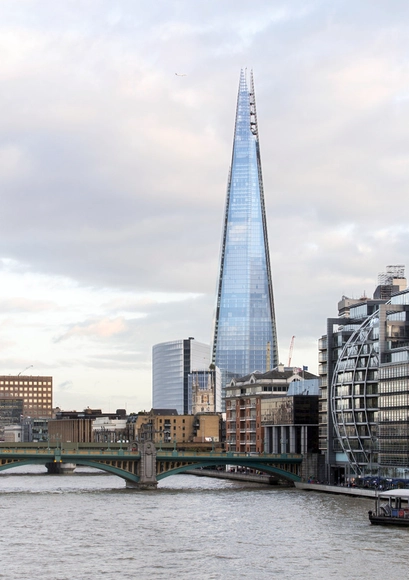
This year is no exception, with perhaps the country's highest-profile project in years - the Shard - just part of the controversy. What did the critics make of the RIBA's selection? Find out after the break.
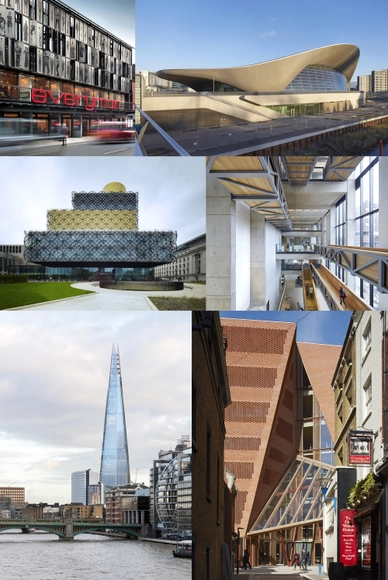
The RIBA has announced the six projects that will compete for the 2014 Stirling Prize, the award for the building that has made the greatest contribution to British architecture in the past year. The six nominees will now be judged head to head for British architecture's highest honour, based on "their design excellence and their significance in the evolution of architecture and the built environment," with a winner announced on October 16th. See the full shortlist after the break.