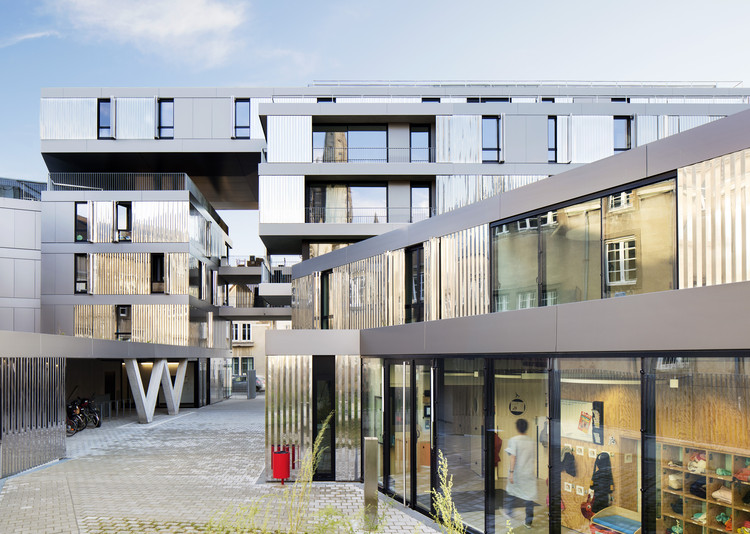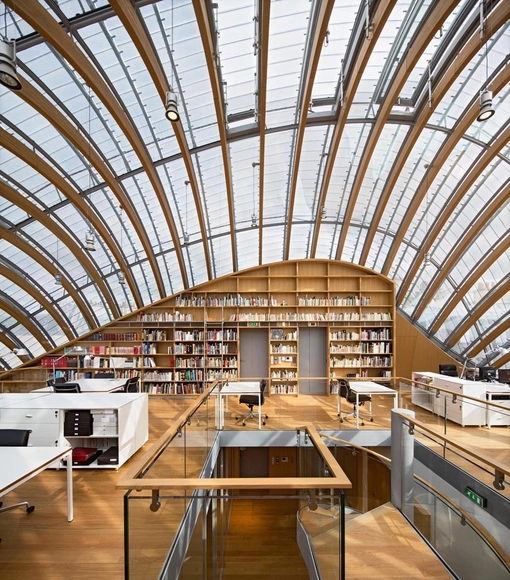


-
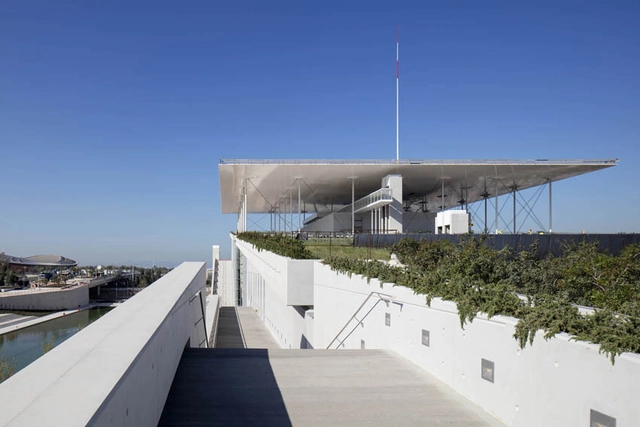
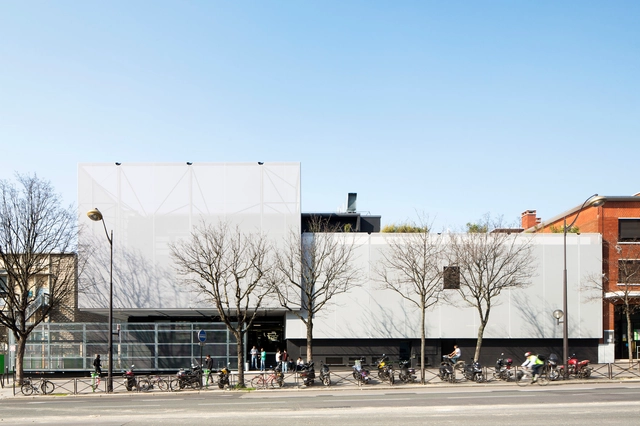
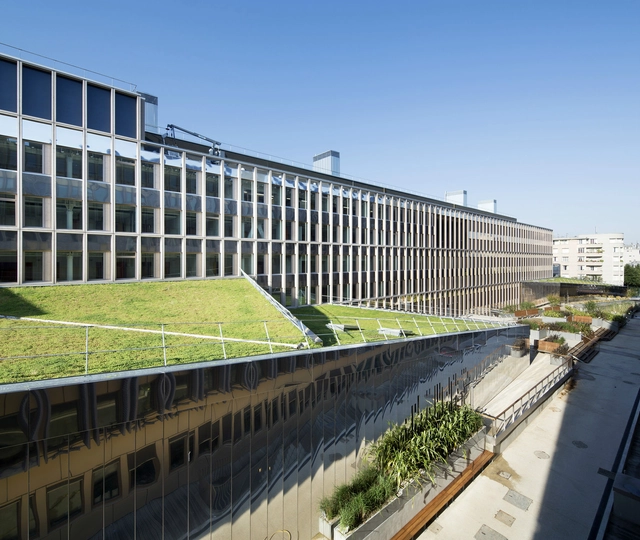
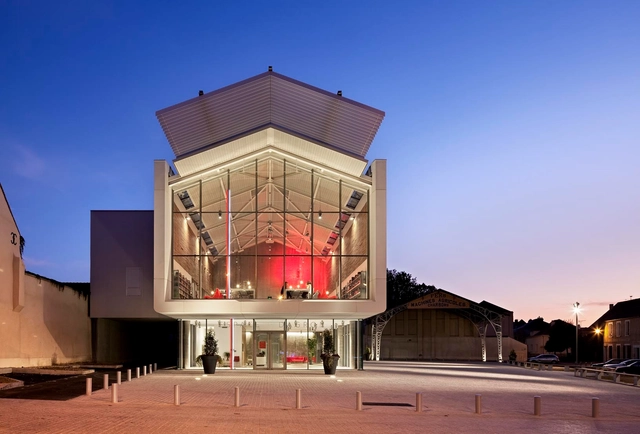
Architects: Renzo Piano Building Workshop
- Area: 2200 m²
- Year: 2014
-
Manufacturers: Tribu
-
Professionals: VP Green, Inex, Leo Berellini Architecte, SLETEC, Peutz
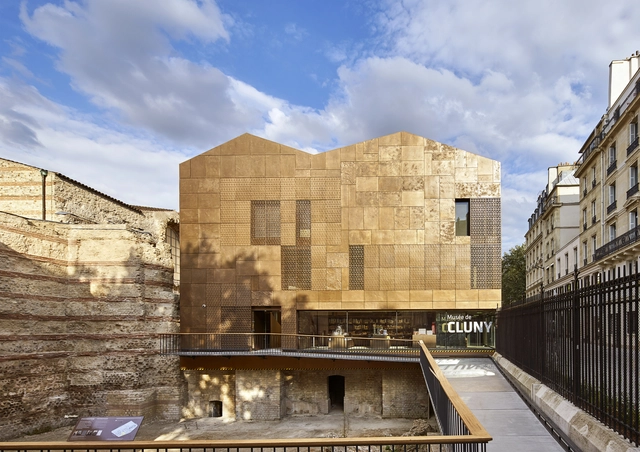
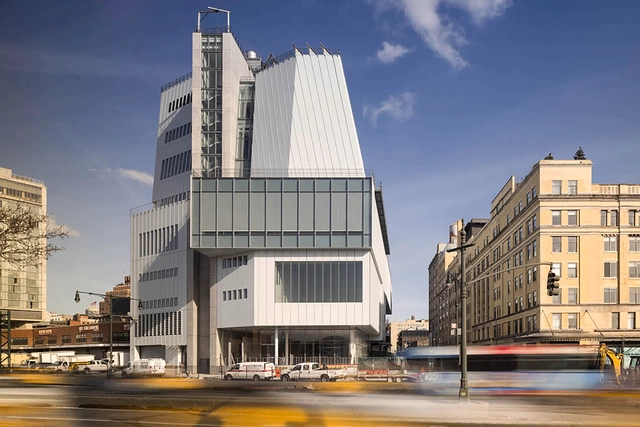
Architecture is art, but art vastly contaminated by many other things. Contaminated in the best sense of the word—fed, fertilized by many things.
– Renzo Piano
Italian architect Renzo Piano (born 14 September 1937) is known for his delicate and refined approach to building, deployed in museums and other buildings around the world. Awarded the Pritzker Prize in 1998, the Pritzker Jury compared him to Leonardo da Vinci, Michelangelo, and Brunelleschi, highlighting "his intellectual curiosity and problem-solving techniques as broad and far ranging as those earlier masters of his native land."

As the common phrase attests, “history is written by the victors.” We therefore know that the story of the West is that of Europe and the United States, while the other actors in world history are minimized or invisible: it happened to the Chinese and Japanese during World War II, to the Ottoman Empire in sixteenth-century Europe, and to racial majorities in the common reading of Latin American independence. The same thing happens in architecture.
The current boom of the Global South is based not only on new work, but rather on the recognition of an invisible architecture which was apparently not worthy of publication in the journals of the 1990s. The world stage has changed, with the emergence of a humanity that is decentralized yet local; globalized, yet heterogeneous; accelerated, yet unbalanced. There are no longer red and blue countries, but a wide variety of colors, exploding like a Pollock painting.
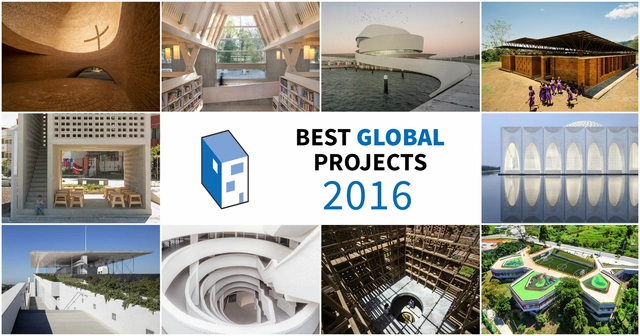
This serves as a preamble to consider the outstanding projects of 2016 according to the British critic Oliver Wainwright, whose map of the world appears to extend from New York in the West to Oslo in the East, with the exception of Birzeit in Palestine. The Global South represents more than 40% of the global economy and already includes most of the world’s megacities, yet has no architecture worthy of recognition? We wanted to highlight the following projects in order to expand the western-centric world view, enabling us to truly comprehend the extent of architectural innovation on a global scale.



.jpg?1451588728&format=webp&width=640&height=580)
We all know exercise and being in close proximity to nature boosts our happiness and overall heath. However, the impact of the "environmental aesthetics" of our cities has never been studied, until now.
A new study suggests that beautiful architecture is considered just as "scenic" and beneficial to our health and psyche as "greenery."
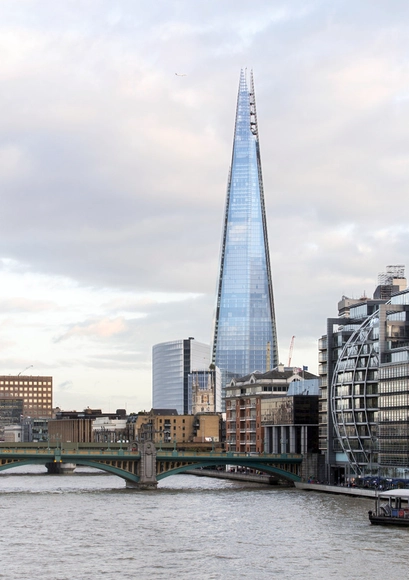
"Cities face a choice of building up or building out," says Renzo Piano, according to a recent article on the Daily Mail. Responding to backlash led by the Skyline Campaign, a campaign spearheaded by architect Barbara Weiss that "aims to stop the devastation of London by badly designed and poorly placed tall buildings," Piano is defending London's controversial skyscraper boom by saying it's giving the one thing the city needs most: "space on the ground."


.jpg?1442216412&format=webp&width=230&height=230&crop=true)

.jpg?1442215764&format=webp&width=230&height=230&crop=true)