Matthew Millman

BROWSE ALL FROM THIS PHOTOGRAPHER HERE

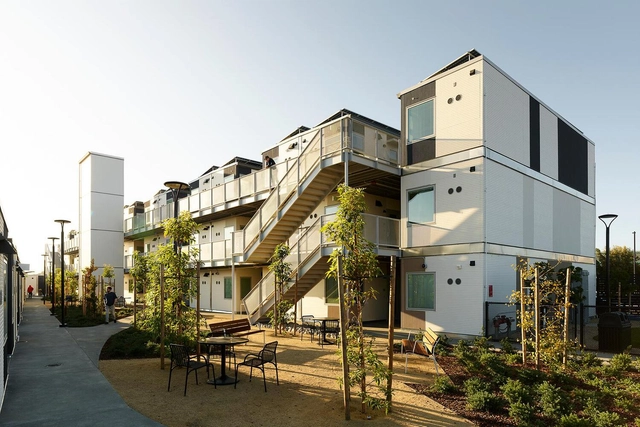
The United States Enacts Sweeping Housing Reform Legislation to Expand Affordable Housing

Audio available

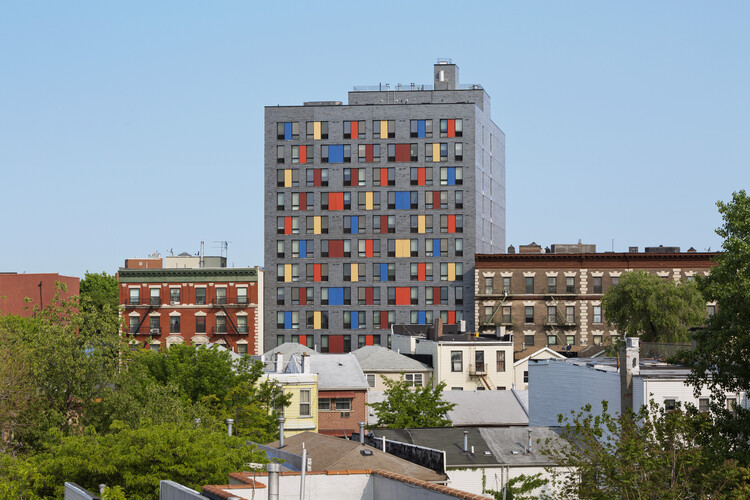
The 21st Century ROAD to Housing Act, a bipartisan United States Senate housing bill, automatically became law on 11 July 2026. Officially the "Renewing Opportunity in the American Dream (ROAD) to Housing Act," the bill has been called the most significant housing measure in the country since the National Affordable Housing Act in 1990, and "the most comprehensive housing legislation in decades." In a context of global housing crisis, the text revises federal housing programs and expands available financing options, provides grants for communities, targets regulatory requirements for construction, and addresses the concentration of ownership. This law contributes to worldwide initiatives for adequate housing, such as limits on short-term rentals, taxing unoccupied residential units, and the transformation and adaptive reuse of existing structures, with the dual objective of increasing the number of residential units and making existing ones available.

The United States Enacts Sweeping Housing Reform Legislation to Expand Affordable Housing - More Images+ 3

Dogtrot House: Vernacular Knowledge and Climate-Responsive Design

Audio available

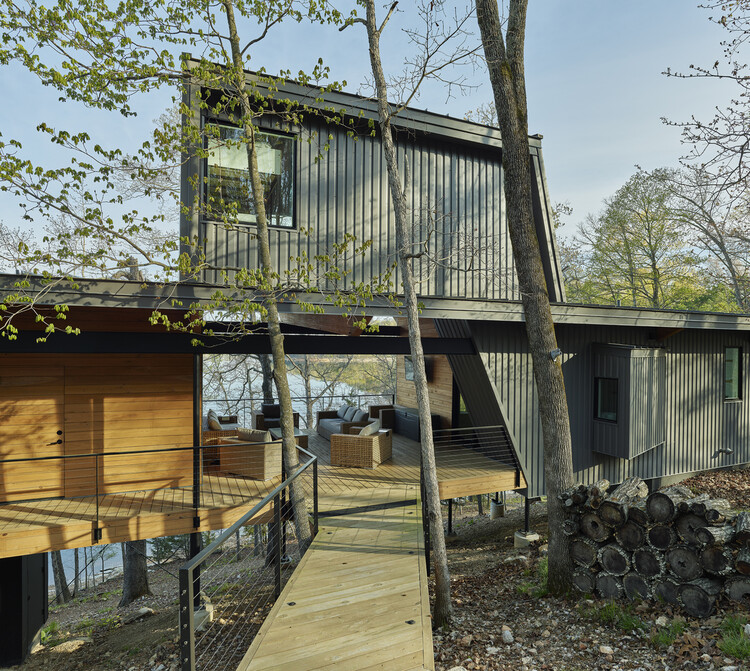
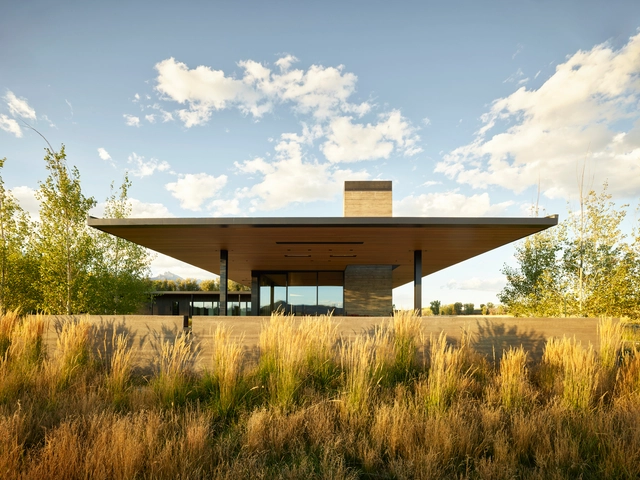
The dogtrot house emerged across the South of the United States during the late nineteenth century as a direct response to humid climates, material availability, and patterns of rural habitation. Found throughout the Appalachian Mountains, coastal Carolinas, and lowlands of Louisiana, the dogtrot house appeared in numerous regional variations, yet its fundamental spatial logic remained remarkably consistent. Two enclosed living masses are separated by an open central passage and unified beneath a continuous roof, creating a dwelling that is simultaneously economical and responsive to long, hot summers. Although architectural historians continue to debate the precise geographic origins of the dogtrot, the typology represents a broader vernacular intelligence that emerged through the convergence of environmental necessity, local construction practices, and rural living.

Dogtrot House: Vernacular Knowledge and Climate-Responsive Design - Image 1 of 4Dogtrot House: Vernacular Knowledge and Climate-Responsive Design - Image 2 of 4Dogtrot House: Vernacular Knowledge and Climate-Responsive Design - Image 3 of 4Dogtrot House: Vernacular Knowledge and Climate-Responsive Design - Image 4 of 4Dogtrot House: Vernacular Knowledge and Climate-Responsive Design - More Images+ 36

Cathedral School for Boys / The Office of Charles F. Bloszies

Cathedral School for Boys / The Office of Charles F. Bloszies - More Images+ 13

  • Area Area of this architecture project Area:  18000 ft²
  • Year Completion year of this architecture project Year:  2022
  • Manufacturers Brands with products used in this architecture project
    Manufacturers:  Interface, Armstrong Woodworks, Caesarstone, Mecho Systems, NanaWall, +5

San Mateo County Navigation Center / The Office of Charles F. Bloszies

San Mateo County Navigation Center / The Office of Charles F. Bloszies - More Images+ 20

The Lawn as Battleground: How Domestic Landscaping Became a Symbol of American Identity

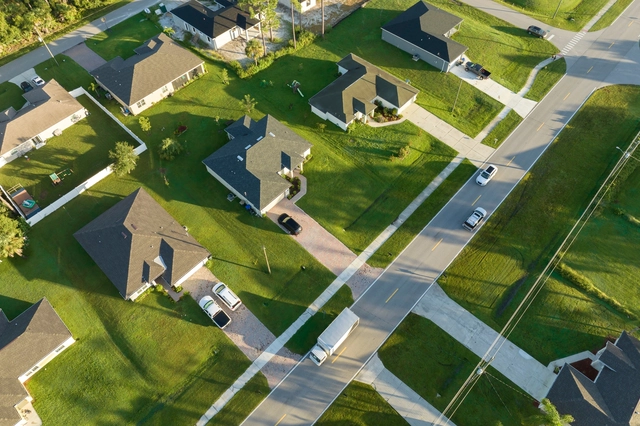
The almost cliché image of the white picket fence has become synonymous with the ideals of the American Dream. Behind the fence, there is invariably a perfectly manicured lawn, a green carpet upon which life can unfold. This image and its associations are not, however, accidental. In her book, "Domesticity at War", Beatriz Colomina notices that, since the Second World War, the lawn has taken a central space in the imagination of the country, becoming first a in order to make space for diversity, both social and ecological. symbol of the stability of the homes soldiers were hoping to return to, offering a space where those at home could still perform duties for the nation, and, after the war, propagating the image of an idealized lifestyle, one maintained with hard work and dedication. In recent years, the lawn has emerged once again as a site of conflict, this time between those hoping to preserve this idealized image, and those seeking to break the uniformity in order to make space for diversity, both social and ecological.

The Lawn as Battleground: How Domestic Landscaping Became a Symbol of American Identity - More Images+ 9

Berkeley Chess School / Rangr Studio

Berkeley Chess School  / Rangr Studio - More Images+ 14

  • Architects: Rangr Studio
  • Area Area of this architecture project Area:  1200 ft²
  • Year Completion year of this architecture project Year:  2024

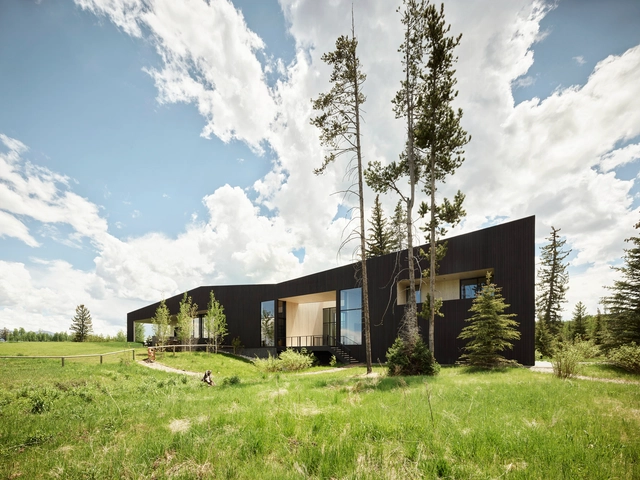
Black Fox Ranch / CLB Architects

Black Fox Ranch / CLB Architects - More Images+ 34

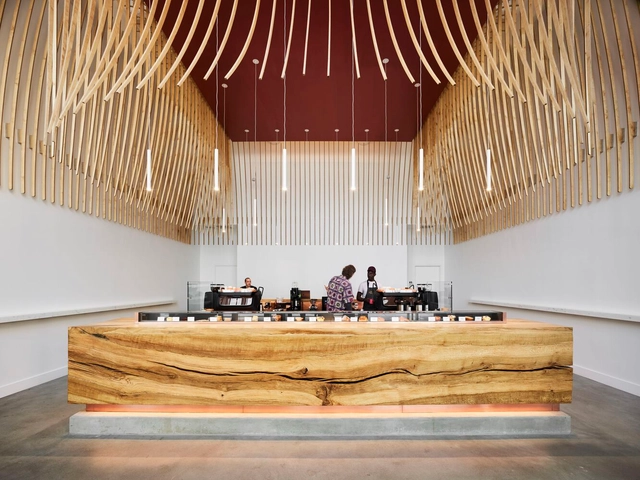
The Caffé by Mr. Espresso / jones | haydu

The Caffé by Mr. Espresso / jones | haydu - More Images+ 19

  • Architects: jones | haydu
  • Manufacturers Brands with products used in this architecture project
    Manufacturers:  Artaic, Chambers Art and Design, Dals Lighting, Faema, Greg Hay, +2
  • Professionals: Northern Sun Associates, Acies

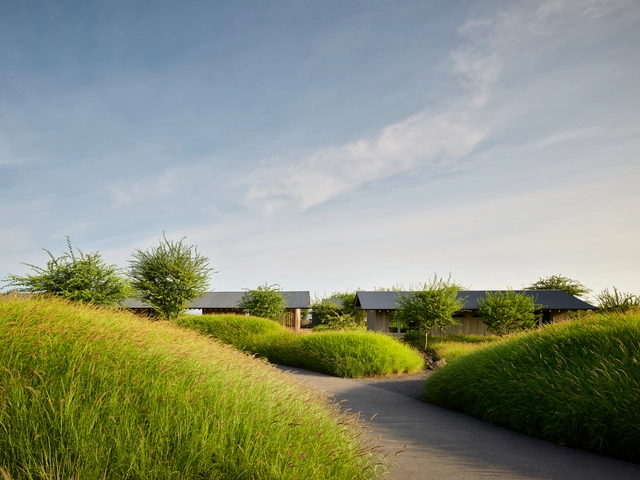
Hale Kiawe / Walker Warner Architects

Hale Kiawe / Walker Warner Architects - More Images+ 11

Kailua-Kona, United States

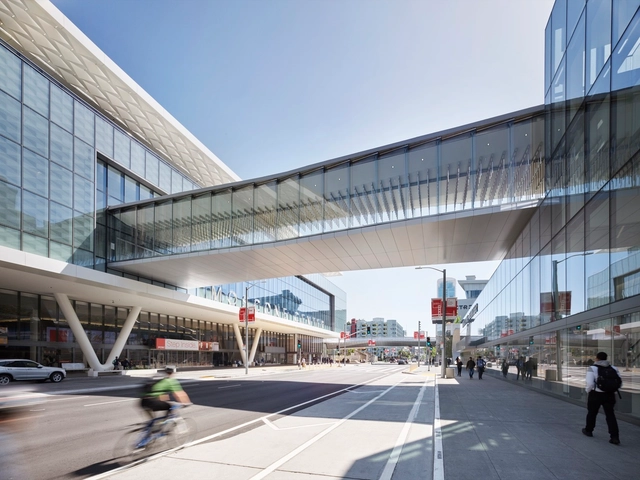
Moscone Center Expansion / Skidmore, Owings & Merrill + Mark Cavagnero Associates

Moscone Center Expansion / Skidmore, Owings & Merrill + Mark Cavagnero Associates - More Images+ 11

Buena Vista House / Rangr Studio

Buena Vista House / Rangr Studio - More Images+ 16

Berkeley, United States
  • Architects: Rangr Studio
  • Area Area of this architecture project Area:  2850 ft²
  • Year Completion year of this architecture project Year:  2021

ShineMaker Residence / CLB Architects

ShineMaker Residence / CLB Architects - More Images+ 37

  • Architects: CLB Architects
  • Area Area of this architecture project Area:  8157 ft²
  • Year Completion year of this architecture project Year:  2022
  • Manufacturers Brands with products used in this architecture project
    Manufacturers:  1stdibs, Campana Brothers, De La Vega, Future Perfect, Johanna Grawunder, +9

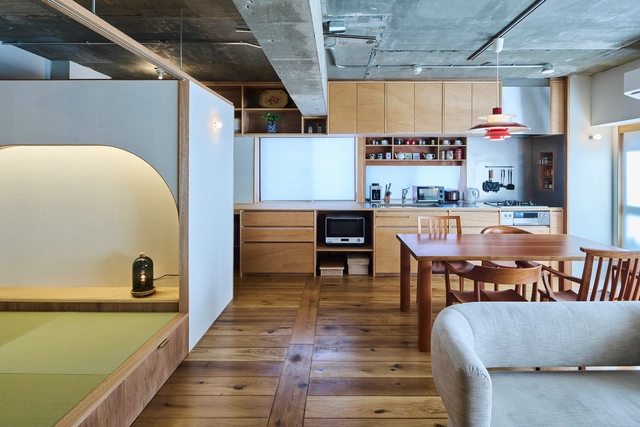
How Culture Shapes Kitchens: Exploring Influences and Design Differences between Japan and the United States

Subscriber Access | 

Kitchens encapsulate the essence of culture, acting as dynamic museums that preserve age-old recipes, processes, and traditions. Influenced by ethnic practices and culinary customs, kitchen architecture varies greatly across continents. In this context, kitchens transcend their domestic role and become insightful manifestations of cultural, societal, and regional factors. They not only serve as functional spaces for cooking and meal preparation but also stand as reflections of the rich tapestry of culture and lifestyles embraced by the individuals who inhabit them.

How Culture Shapes Kitchens: Exploring Influences and Design Differences between Japan and the United States - Imagen 1 de 4How Culture Shapes Kitchens: Exploring Influences and Design Differences between Japan and the United States - Imagen 2 de 4How Culture Shapes Kitchens: Exploring Influences and Design Differences between Japan and the United States - Imagen 3 de 4How Culture Shapes Kitchens: Exploring Influences and Design Differences between Japan and the United States - Imagen 4 de 4How Culture Shapes Kitchens: Exploring Influences and Design Differences between Japan and the United States - More Images+ 1

Paintbrush Residence / CLB Architects

Paintbrush Residence / CLB Architects - More Images+ 21

Dolores Heights Residence / jones | haydu

Dolores Heights Residence / jones | haydu - Exterior Photography, Houses, Stairs, Facade, Door, Handrail
© Matthew Millman

Dolores Heights Residence / jones | haydu - More Images+ 28

San Francisco, United States

Spectral Bridge House / Ehrlich Yanai Rhee Chaney Architects

Spectral Bridge House / Ehrlich Yanai Rhee Chaney Architects - More Images+ 25

19th Street House / Ehrlich Yanai Rhee Chaney Architects

19th Street House / Ehrlich Yanai Rhee Chaney Architects - More Images+ 34

Santa Monica, United States

The Second Studio Podcast: Interview with Greg Warner

Subscriber Access | 

The Second Studio (formerly The Midnight Charette) is an explicit podcast about design, architecture, and the everyday. Hosted by Architects David Lee and Marina Bourderonnet, it features different creative professionals in unscripted conversations that allow for thoughtful takes and personal discussions.

A variety of subjects are covered with honesty and humor: some episodes are interviews, while others are tips for fellow designers, reviews of buildings and other projects, or casual explorations of everyday life and design. The Second Studio is also available on iTunes, Spotify, and YouTube.

This week David and Marina are joined by Architect Greg Warner, Principal and Founder of Walker Warner Architects to discuss growing up in Hawaii and its influence on his professional career; co-founding his office and its growth; working in Hawaii; the responsibilities of a principal and the importance of leadership; his philosophy and approach to projects; and more.

The Second Studio Podcast: Interview with Greg Warner - More Images+ 7