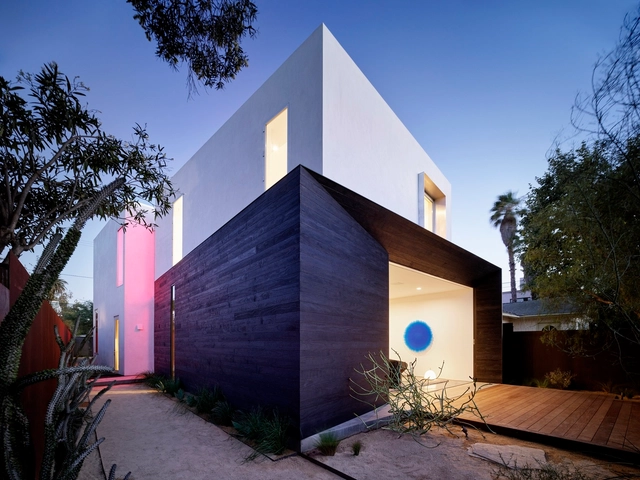
At ArchDaily, our work is grounded in stories. Between practice and projects, editorials and news, we write to share how architecture and design is changing both how we live and why. We also hold a responsibility in our choice of which stories get told and those that don't. The following is a reflection about design in Los Angeles, a beautiful, immense, sprawling, and diverse city that I've called home for many years.
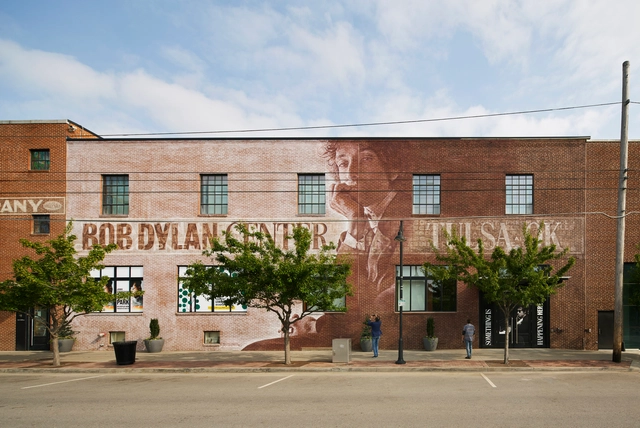
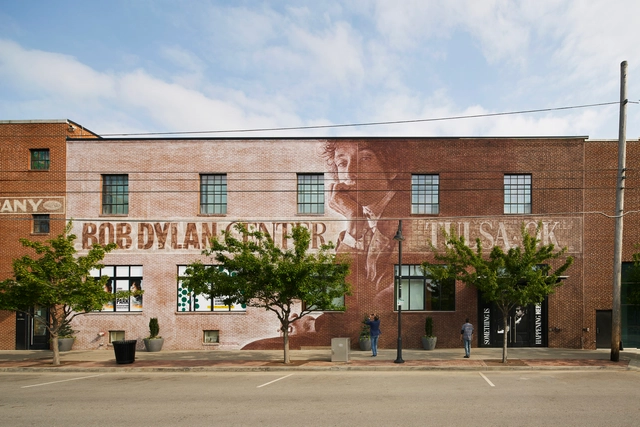
Olson Kundig has announced the opening of its new Bob Dylan Center, a warehouse-turned-museum that gives visitors exclusive access to the cultural treasures found in The Bob Dylan Archive®. Led by design principal Alan Maskin, the center showcases Bob Dylan's worldwide cultural significance, featuring a collection of more than 100,000 items spanning nearly 60 years of Dylan’s career, from handwritten manuscripts and correspondence, to films, videos, artwork, and original studio recordings.
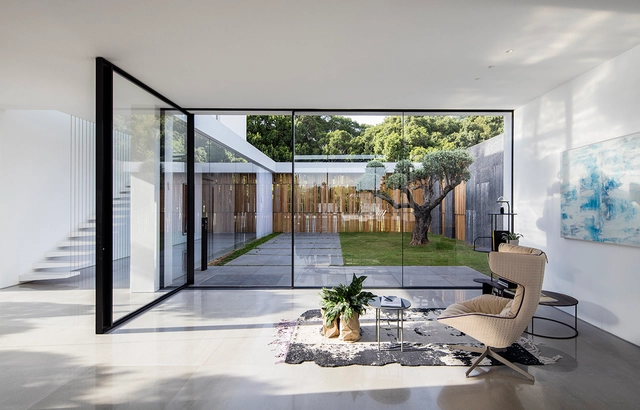
Like a beautiful painting, windows showcase interiors and frame landscapes that connect users to the outside world, directing our eyes to what really matters. But besides framing views and facilitating visual communication, windows serve multiple essential functions that make them vital components in any project. They illuminate homes with sunrays, provide natural ventilation, filter light, insulate from cold and heat, block water and ensure protection. As most design professionals would agree, glazing also plays a crucial aesthetic role; its materials, style and dimensions certainly make a significant difference in the appearance of facades and spaces.
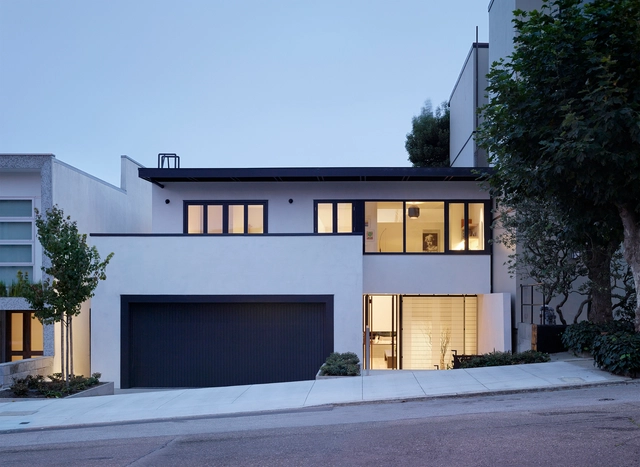
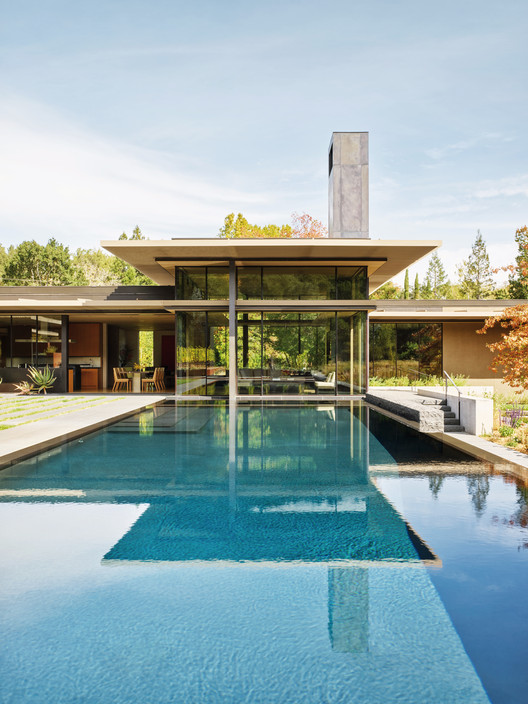
Residential design is the most personal architecture. Whether reflecting the lifestyle or character of those who live there, or accommodating space for guests and gathering, homes reflect who we are. This holds especially true for Takashi Yanai, a Partner at Ehrlich Yanai Rhee Chaney Architects that has led the Residential Studio since 2004. With ties to landscape design and a "California Modernist" ethos, Takashi's work also reinterprets Japanese elements and explores what residential design means today.
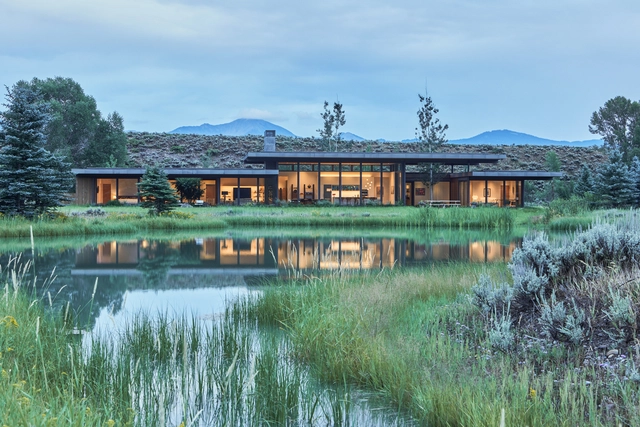
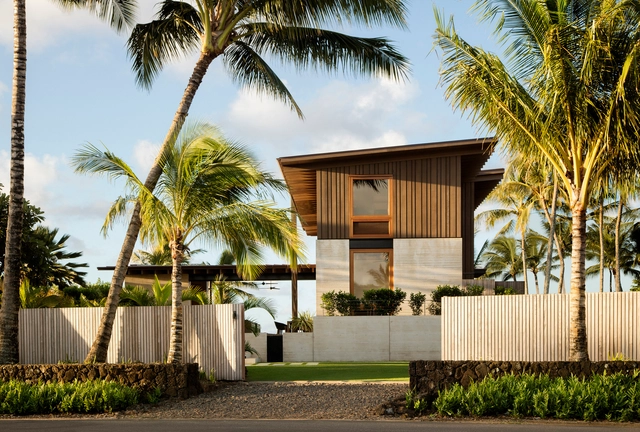
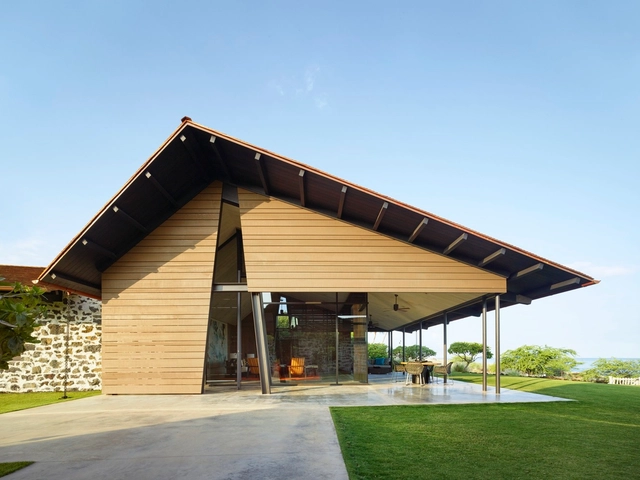
Hawaii has become a place that defines paradise. From pristine beaches and a warm climate to natural scenery and active volcanoes, the islands are home to incredible landscapes and culture. With indigenous and modern building styles, the state’s architecture is intimately tied to the environment. Reinterpreting historic building techniques and traditions, contemporary Hawaiian architecture balances a desire to honor the past while celebrating new experiences and modern culture. This has led to the formation of incredible spaces to live and dwell.
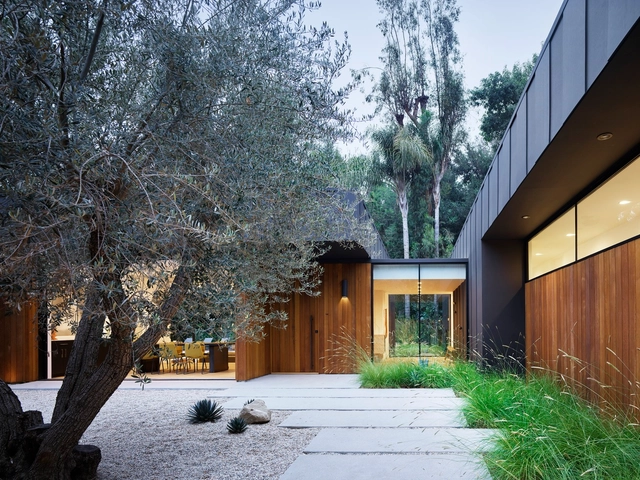
With the aim of supporting architects to become active agents of sustainable design, this week we present a selection of facades that incorporate different recycled materials. Beyond the typical uses of plastic and glass, in this article, you will find innovative materials such as mattress springs, ice cream containers, plastic chairs, and recycled waste from agricultural and industrial products. A look at 21 remarkable projects using recycled materials to create an attractive facade.