


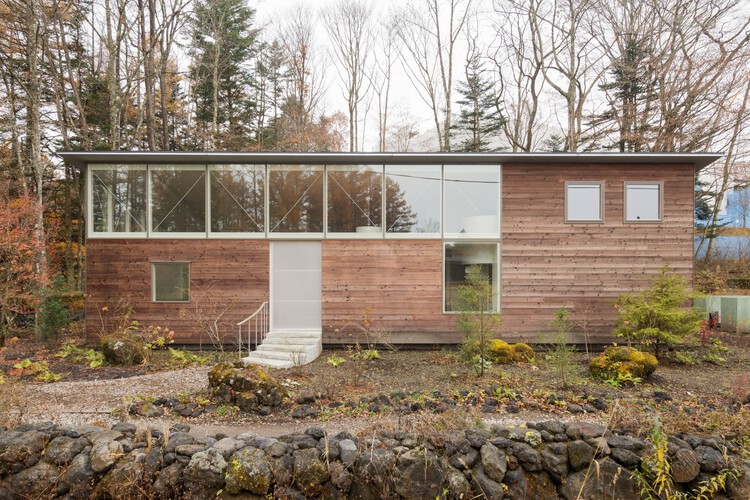
-
Architects: Studio Hashimura, nao architects office
- Area: 135 m²
- Year: 2025
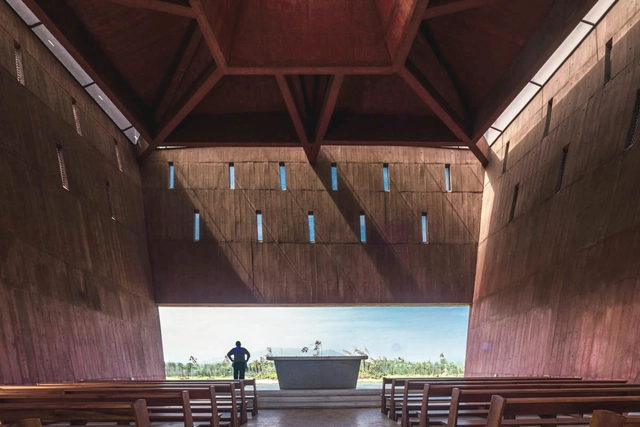
Architecture and its atmospheric qualities have long been a subject of discussion, yet reaching a consensus on the matter remains elusive. This is largely because spatial experience is deeply personal—rooted in emotions, sensory perceptions, and individual preferences that are difficult to articulate in words alone. The way one perceives, feels, and interacts with a space adds another layer of complexity, making it challenging to define and agree upon its atmospheric impact. Nevertheless, architects and designers continuously strive to shape environments that are not only functional and comfortable but also capable of evoking emotions and leaving a lasting impression on their occupants.
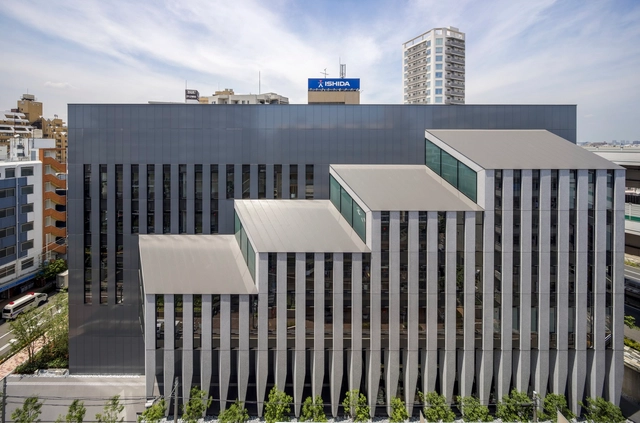
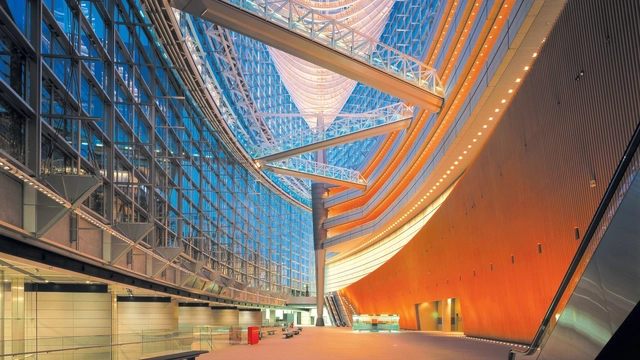
Rafael Viñoly Architects’ Tokyo International Forum has been honored with the prestigious AIA Twenty-five Year Award. Celebrating its “distinctive transparent character and capacity to engage with the public in the largest metropolitan area in the world.” Rafael Viñoly Architects was first selected to design the structure through Japan’s first international design competition facilitated by Kenzo Tange, the architect of Tokyo’s City Hall and the first Japanese laureate of the Pritzker Prize.
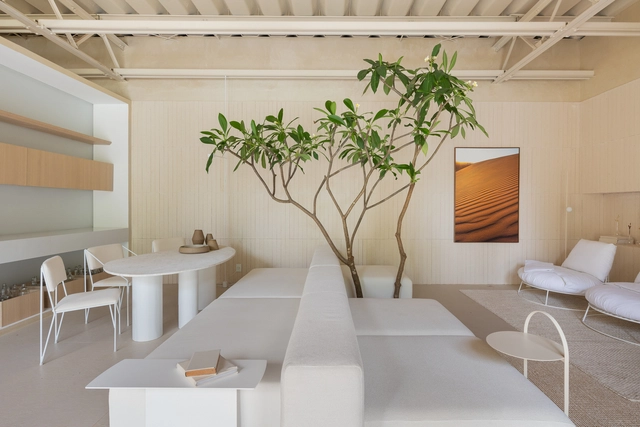
The history of 'neutral colors' is a fascinating journey through the evolution of human aesthetics and design sensibilities. Closely related to the makeup of materials organically found in nature, the color chorus of whites, grays, and earthy brown tones has played a pivotal role in artistic expression, fashion, interior design, and architecture for millenia. From the understated hues of early clay, straw, wood, or brick architectural structures to the now prevalent contemporary interior style, neutral colors have transcended cultural boundaries and continue to hold a special place in our visual landscape – offering a sophisticated elegance and versatility that has stood the test of time.

Just like hospitals and medical offices, dental clinics are places that tend to bring anxiety and anguish to patients, reactions that can be intensified in an unfriendly and unwelcoming environment. White and neutral environments can bring the notion of asepsis and hygiene, essential requirements for hospital architecture. However, the lack of welcoming elements, such as the use of warmer colors and materials, may also be responsible for causing a certain distance between professionals and patients, in addition to reinforcing the stereotypes attributed to dental clinics.
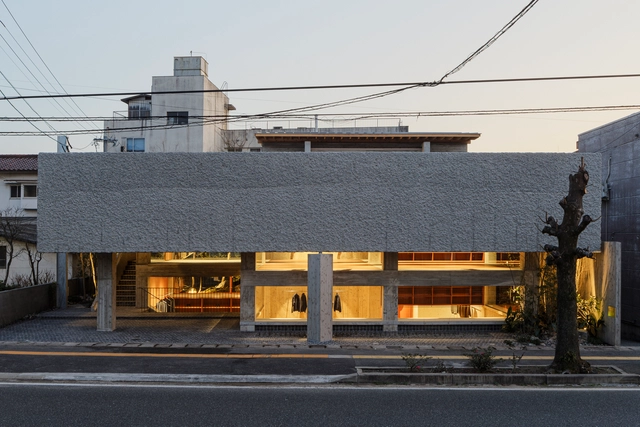
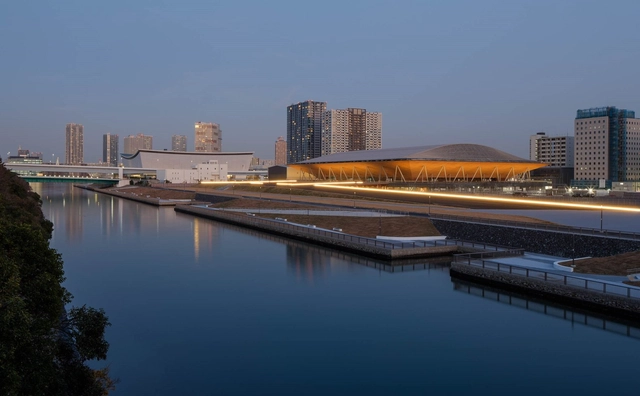
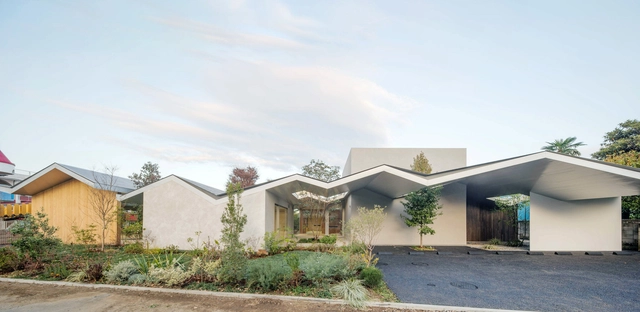
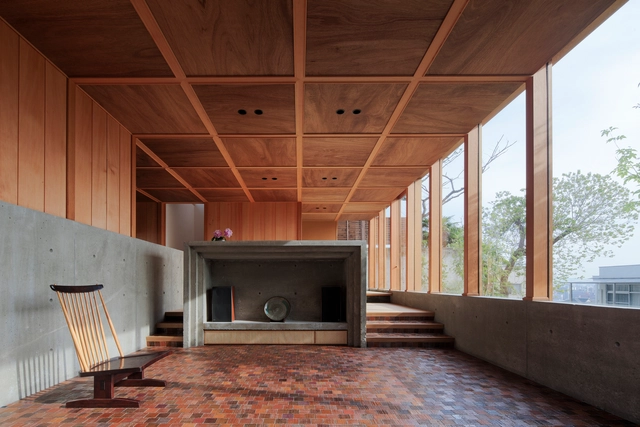
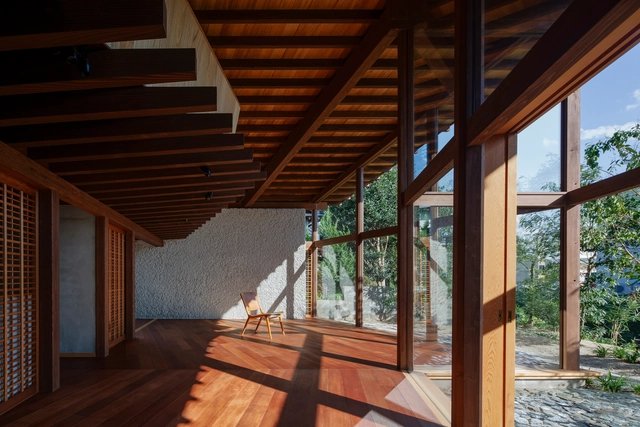

Kenichi_Suzuki_1.jpg?1486945210&format=webp&width=640&height=580)
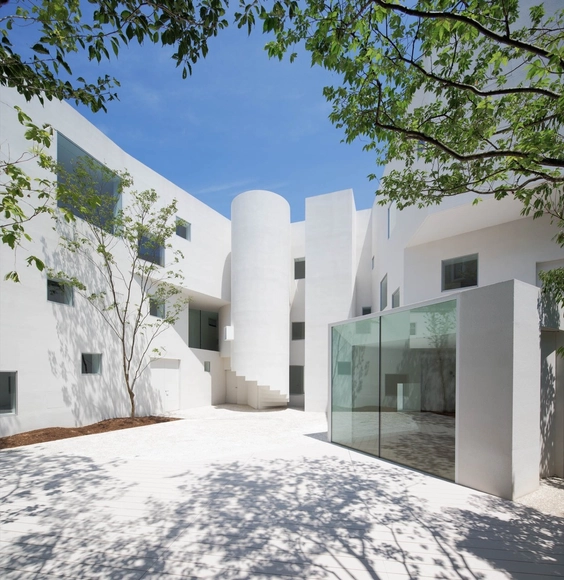




.jpg?1518091274)
.jpg?1518091517&format=webp&width=230&height=230&crop=true)
.jpg?1518091285&format=webp&width=230&height=230&crop=true)
.jpg?1518092016&format=webp&width=230&height=230&crop=true)
.jpg?1518092210&format=webp&width=230&height=230&crop=true)
.jpg?1518092119)
Kenichi_Suzuki_4.jpg?1486945270&format=webp&width=230&height=230&crop=true)
Kenichi_Suzuki_5.jpg?1486945306&format=webp&width=230&height=230&crop=true)
Kenichi_Suzuki_7.jpg?1486945353&format=webp&width=230&height=230&crop=true)
Kenichi_Suzuki_8.jpg?1486945365&format=webp&width=230&height=230&crop=true)
Kenichi_Suzuki_1.jpg?1486945210)


