José Hevia

BROWSE ALL FROM THIS PHOTOGRAPHER HERE

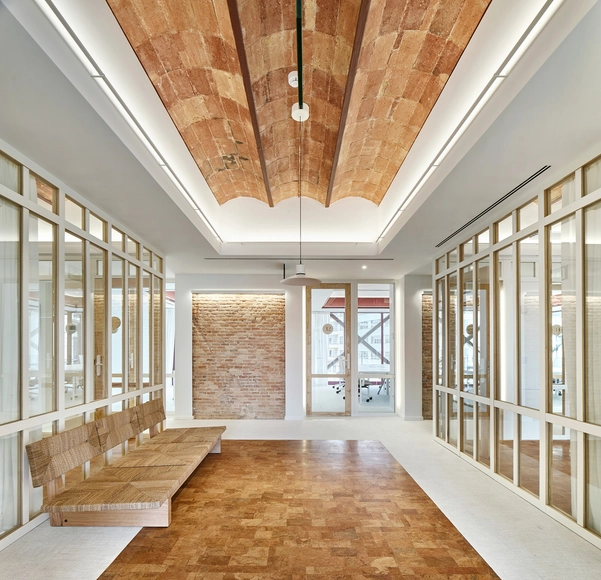
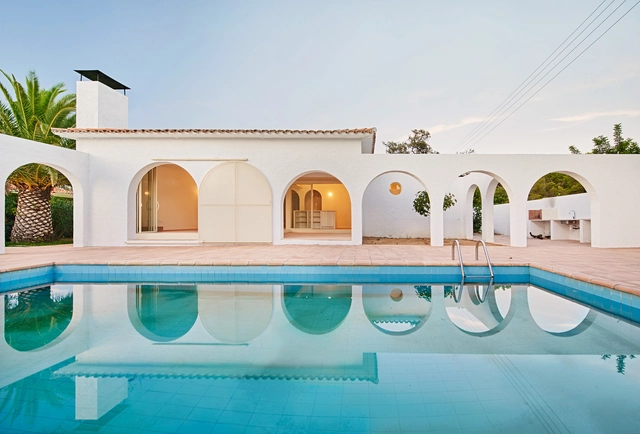
Quartiertreffpunkt Community Center / Focketyn Del Rio Studio

Quartiertreffpunkt Community Center / Focketyn Del Rio Studio - More Images+ 6

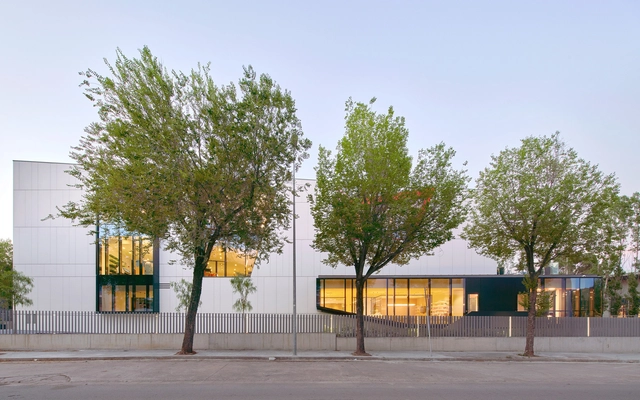
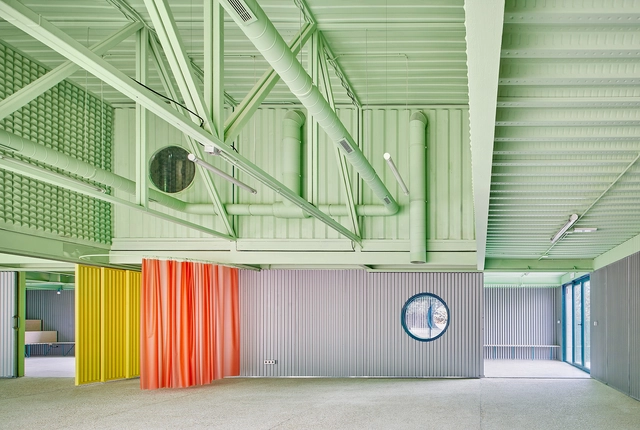
Vilafranca del Penedès Secondary Institute / Jordi Farrando

Vilafranca del Penedès Secondary Institute  / Jordi Farrando - More Images+ 18

Vilafranca del Penedès, Spain
  • Architects: Jordi Farrando
  • Area Area of this architecture project Area:  4593
  • Year Completion year of this architecture project Year:  2019
  • Manufacturers Brands with products used in this architecture project
    Manufacturers:  Acadinsa, Acieroid, Acor, Anfra, Cortinsa, +5

Tips for Architects Working At Home During COVID-19

Subscriber Access | 

The outbreak of COVID-19 has caused an estimated 900 million people around the world to remain at home. Among them are architects and designers who have been asked to work remotely to prevent the virus from spreading through the workplace. For many architects, this is undoubtedly a new territory. However, for ArchDaily, it is not, and we can assure you that it is possible not only to work from home, but to use this time to greatly enhance your skills, knowledge, and development as an architect.

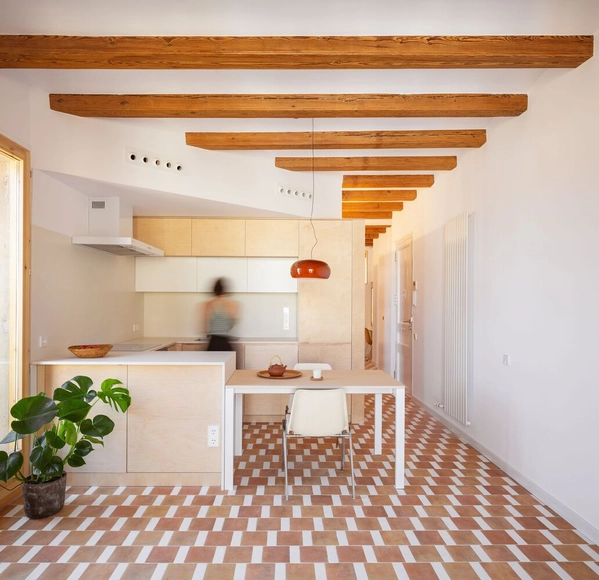
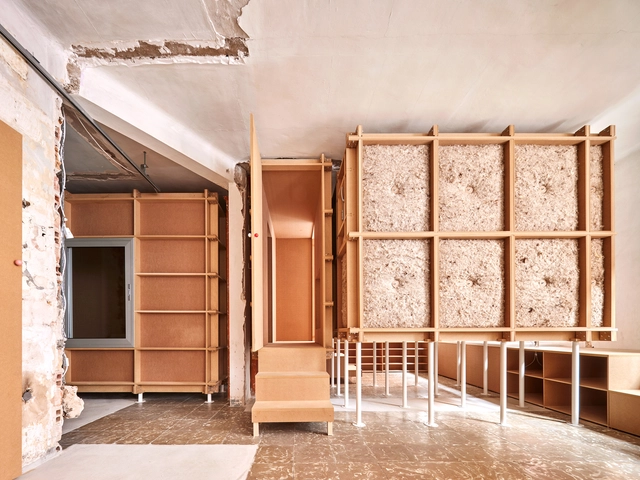
Municipal Archive / Aulets Arquitectes

Municipal Archive / Aulets Arquitectes - More Images+ 25

  • Architects: Aulets Arquitectes
  • Area Area of this architecture project Area:  196
  • Year Completion year of this architecture project Year:  2018
  • Manufacturers Brands with products used in this architecture project
    Manufacturers:  JUNG, Alfareria Soler, Ladrilleria Mallorquinas, Roca, UnicMall

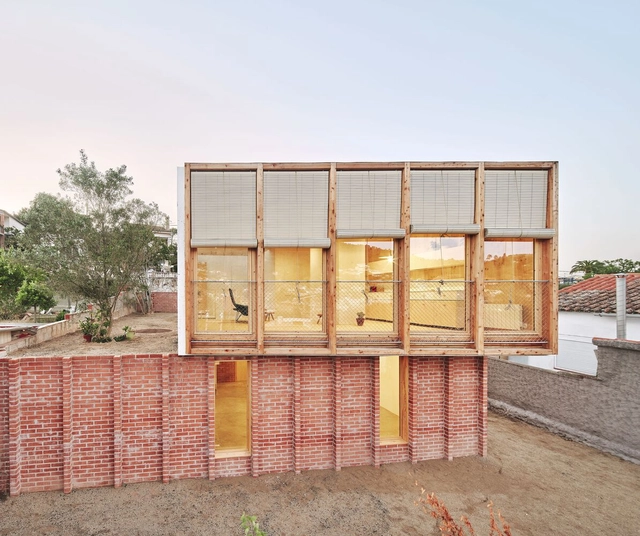
Frame House / NOMO STUDIO

Frame House / NOMO STUDIO - More Images+ 26

  • Architects: NOMO STUDIO
  • Area Area of this architecture project Area:  300
  • Year Completion year of this architecture project Year:  2018
  • Manufacturers Brands with products used in this architecture project
    Manufacturers:  Cosentino, Cortizo, Roca, Simon

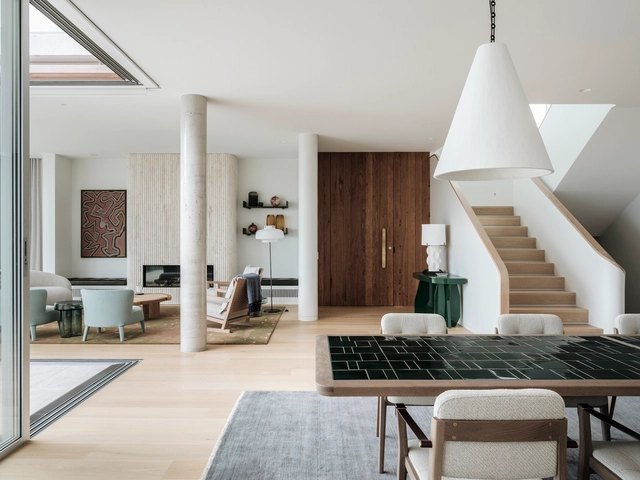
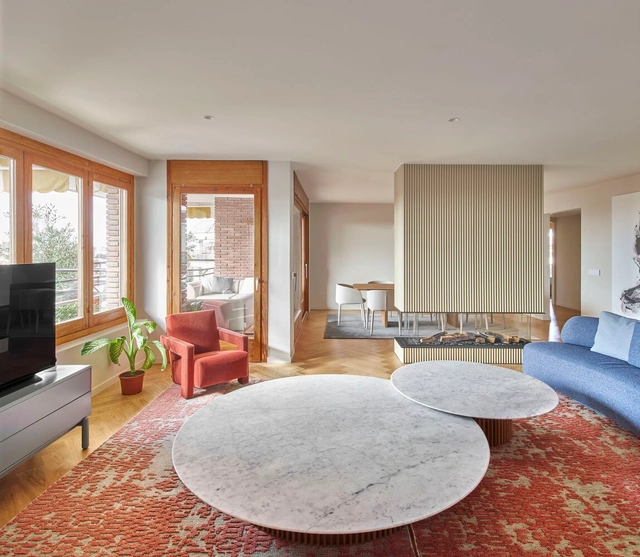
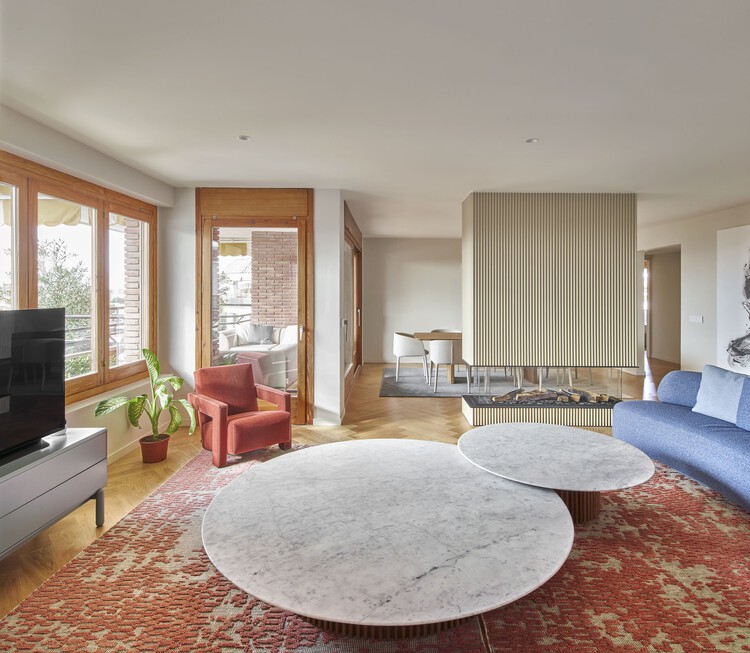
A12 House / Lucas y Hernández – Gil

A12 House / Lucas y Hernández – Gil - More Images+ 37

Madrid, Spain
  • Area Area of this architecture project Area:  307
  • Year Completion year of this architecture project Year:  2019
  • Manufacturers Brands with products used in this architecture project
    Manufacturers:  &Tradition, ARTIFICIO, BPM Lighting, Cortizo, Ikea, +6

Gallery-House / Carles Enrich

Gallery-House / Carles Enrich - More Images+ 43

Barcelona, Spain

How to Design Schools and Interiors Based on Waldorf Pedagogy

Subscriber Access | 

Introduced by Rudolf Steiner, Waldorf pedagogy draws on the principles of anthroposophical philosophy. One of the theory's foundational characteristics is its holistic approach to the human being: feelings, imagination, spirit, and intellect are considered unique to every individual, and thoughts, feelings, and actions are understood to always be linked.

Thus, the focus of the philosophy is to cultivate individuals who are capable of relating both to themselves and to society (inter and intrapersonal intelligence) - fundamental skills for overcoming the challenges of the 21st century. This kind of learning takes place in schools that follow Steiner's method, introducing families to the school environment and bringing them into the community. Below, we review the operations and implications of this pedagogy. 

How to Design Schools and Interiors Based on Waldorf Pedagogy - More Images+ 14

What Is Interior Design (And Why Can It Really Make You Feel Better)?

If you don't like a specific musical style, the theater bores you, or you're not attracted to works of art, you can almost always avoid them. Architecture, however, is different. A poorly thought-out project will affect the lives of many people consistently and for a long time. With interiors, this effect is even more amplified. Humanity is spending more and more time indoors, which directly impacts our well-being and health. In periods of compulsory retirement, as in the current pandemic of Covid-19, we gain a sense of how important interior spaces are for our well-being and even for the prevention of diseases. Designing an indoor environment is a huge responsibility for a professional. An interior designer must plan, research, coordinate, and manage these projects to obtain an adequately healthy and aesthetically pleasing environment for the people who use the space. But what, in fact, is interior design?

What Is Interior Design (And Why Can It Really Make You Feel Better)? - More Images+ 14

What to Expect from Interiors of the Future

In 2018, the UN released an article stating that 55% of the world’s population already lived in urban areas, predicting that by 2050 this percentage would reach 68%. This trend toward greater urbanization carries with it several implications regarding environmental degradation and social inequality. According to National Geographic, urban growth increases air pollution, endangers animal populations, promotes the loss of urban tree cover, and heightens the likelihood of environmental catastrophes such as flash flooding. These health hazards and catastrophic phenomena may be more likely to impact poorer populations, as larger cities tend to demonstrate higher rates of economic inequality and uncontrolled growth tends to produce unequal distributions of space, services, and opportunities.

To mitigate these negative effects of urbanization, designers are increasingly prioritizing sustainability and the maximization of available space – allowing more people to occupy less space with a smaller footprint.

What to Expect from Interiors of the Future - More Images+ 8

Psychology of Space: How Interiors Impact our Behavior?

With most of our lives spent indoors, the space we occupy has a major role in our psychological behavior. Environmental psychology or Space psychology is, in fact, the interaction between people and the spaces they inhabit. Lighting, colors, configuration, scale, proportions, acoustics, and materials address the senses of the individual and generate a spectrum of feelings and practices.

From inducing warmth and safety, defining well-being, or creating a positive and efficient working environment, space can have a whole lot of impact on how we act or on what we feel; therefore, design and creative measures should be considered according to the social and psychological needs of the occupants.

Bridge House / NOMO STUDIO

Bridge House / NOMO STUDIO - More Images+ 17

Es Mercadal, Spain
  • Architects: NOMO STUDIO
  • Area Area of this architecture project Area:  3875 ft²
  • Year Completion year of this architecture project Year:  2019
  • Manufacturers Brands with products used in this architecture project
    Manufacturers:  AutoDesk, JUNG, Cortizo, Parex-Group, Roca, +1

Casa MJ / Alventosa Morell Arquitectes

Casa MJ / Alventosa Morell Arquitectes  - More Images+ 17

Palma Hideaway House / Mariana de Delás

Palma Hideaway House / Mariana de Delás - More Images+ 17

  • Architects: Mariana de Delás
  • Area Area of this architecture project Area:  990 ft²
  • Year Completion year of this architecture project Year:  2019
  • Manufacturers Brands with products used in this architecture project
    Manufacturers:  JUNG, Acor, Complementto, FARO Barcelona, Jallut Pinturas, +1

How to Incorporate Gardens in Home Design

How to Incorporate Gardens in Home Design - More Images+ 37

Indoor gardens can contribute important benefits to home living, ranging from aesthetic beauty to improved health and productivity. Research has shown that indoor plants help eliminate indoor air pollutants called Volatile Organic Compounds (VOCs) that emanate from adhesives, furnishings, clothing, and solvents, and are known to cause illnesses. They also increase subjective perceptions of concentration and satisfaction, as well as objective measures of productivity. Indoor gardens may even reduce energy use and costs because of the reduced need for air circulation. These benefits complement the obvious aesthetic advantages of a well-designed garden, making the indoor garden an attractive residential feature on several fronts.

"No Fear of Glass", an Artistic Intervention in the Mies van der Rohe Pavilion by Sabine Marcelis

Subscriber Access | 

Mies van der Rohe Foundation together with Side Gallery presented "No Fear of Glass", an artistic intervention in the Mies van der Rohe Pavilion in Barcelona, Spain, developed by designer Sabine Marcelis.

Recovery of Merola’s Tower / Carles Enrich Studio

Recovery of Merola’s Tower / Carles Enrich Studio - More Images+ 32

  • Area Area of this architecture project Area:  40
  • Year Completion year of this architecture project Year:  2019
  • Manufacturers Brands with products used in this architecture project
    Manufacturers:  AutoDesk, Tallfusta