


-
Architects: 3ME Arquitectura
- Area: 10 m²
- Year: 2025
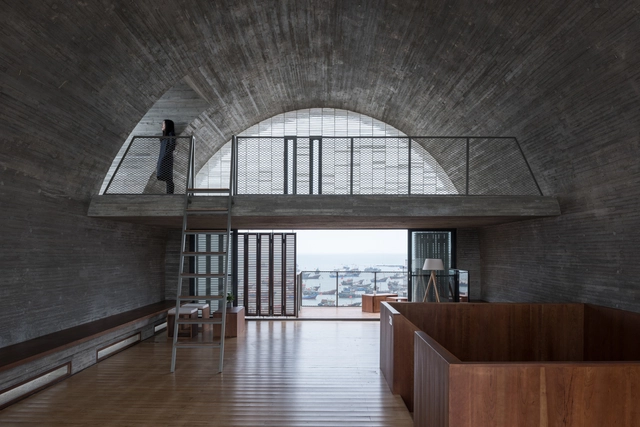
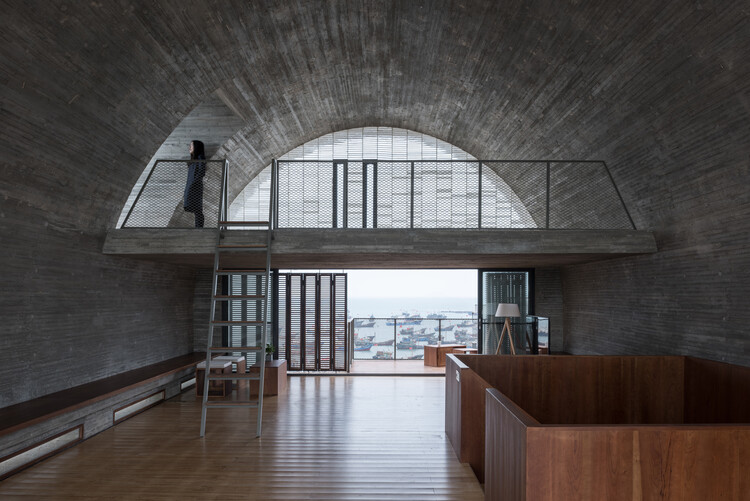
The term vault in architecture refers to a self-supporting arched structure that forms a ceiling or roof, which can effectively create a wide, column-free space. While traditional masonry vaults transfer loads to walls and buttresses, contemporary versions are more broadly defined as any ceiling that follows the roofline, creating a high, curved interior. These modern ceilings are typically framed using materials like concrete, timber, or steel, which provide the structural flexibility to create the dramatic effect of a vault without its historical constraints. The round arch vault, in particular, seems to have been a recently favored form for its simple, elegant geometry and its ability to adapt to a variety of modern residential styles.
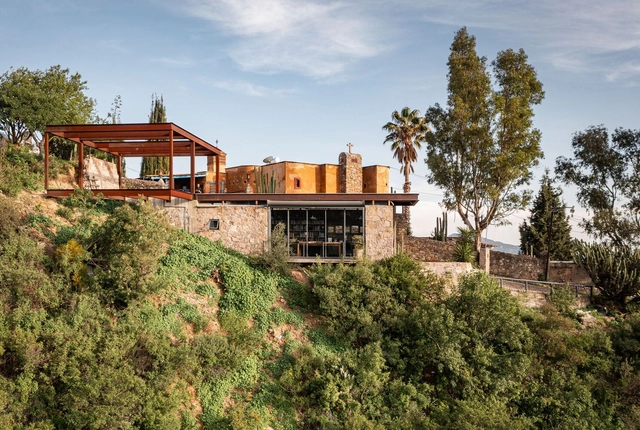
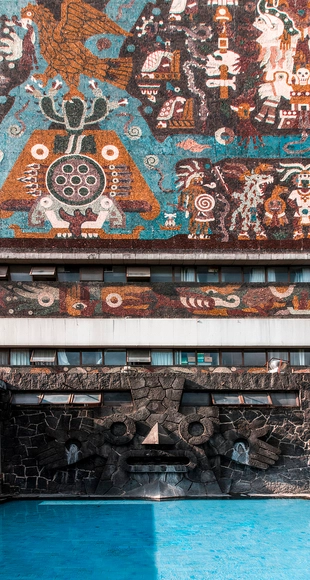
From the pre-Columbian period of the Americas –during which cultures such as the Olmec, Maya, Purepecha, and Mexica (Aztec) thrived– to the modern era where architecture has been influenced by social movements and even natural disasters, Mexican architecture showcases a valuable architectural expression, with its own unique voice and distinctive characteristics. Nobel Literature Laureate Octavio Paz argued that architecture is an incorruptible witness to history. Likewise, the materials used to shape it have acted as protagonists of that history, enduring in many cases over time and evolving thanks to the generations of architects who have contributed to it, from different perspectives.
To trace a timeline, it is possible to take as a starting point pre-Hispanic architecture, which exhibited a diversity of nuances due to Mexico's vast territorial extension. This allowed diverse cultures to find their niche and develop their characteristic architectural styles. Subsequently, the era of Spanish colonization, which itself drew influence from Islamic architecture, represented a noteworthy turning point in architectural development. This phase endured until the advent of Mexican Independence in the 19th century. In turn, this marked the initiation of social and cultural movements, both during and after the Mexican Revolution in the early 20th century.
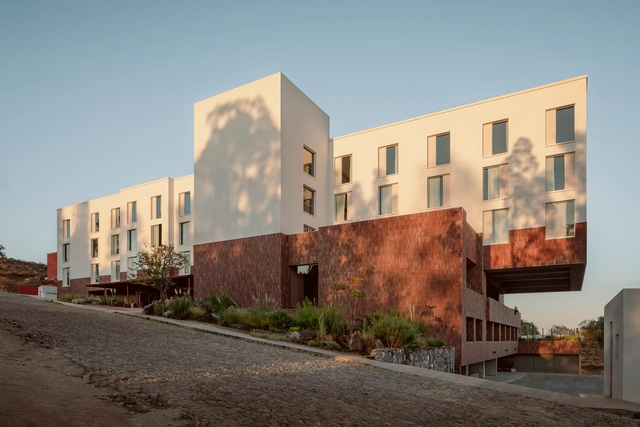
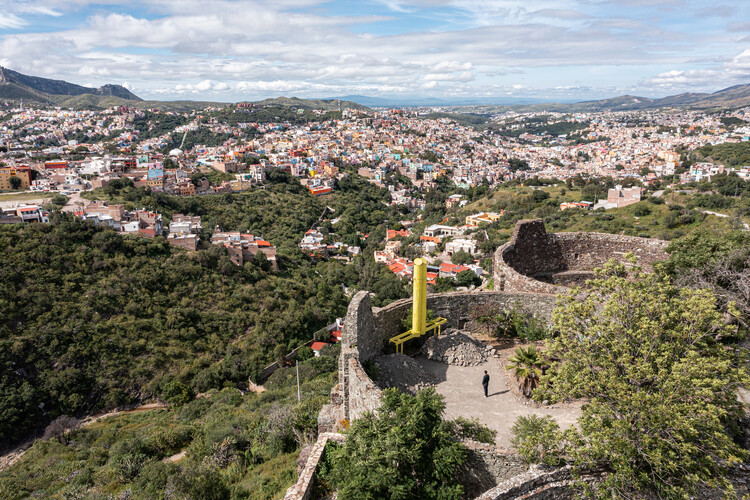
The city of San Miguel de Allende is located within the state of Guanajuato, in the central-northern region of Mexico, geographically bordering the states of Zacatecas, San Luis Potosí, Querétaro, Michoacán, and Jalisco. It covers an area of 43.6 hectares and is one of the most populated regions in its state. In 2008, it was declared a World Heritage Site by UNESCO and is characterized by its baroque and Spanish architecture. It is part of the list of magical towns in Mexico. Additionally, in this city, you will find the Parish of San Miguel Arcángel, built with the pink quarry stone typical of the region.
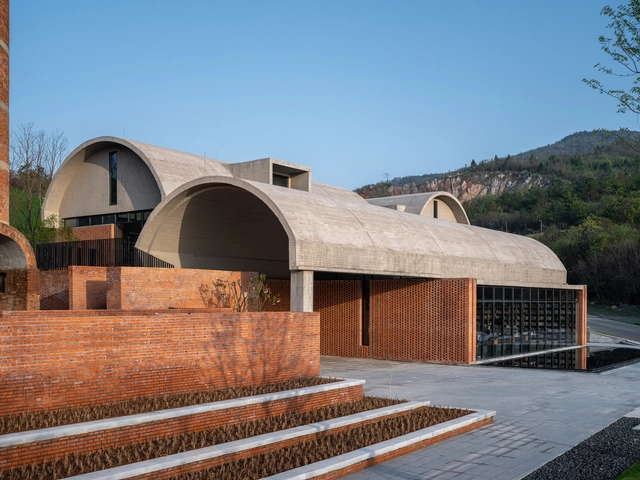
The oldest record of barrel vaults is estimated to date back to 4000 BC. These provided the spans in the Sumerian ziggurat at Nippur in Babylonia, built from fired bricks amalgamated with clay mortar. This type of vault was built as a continuous round arch and became a characteristic architectural element of Roman architecture, later used also in Renaissance architecture.
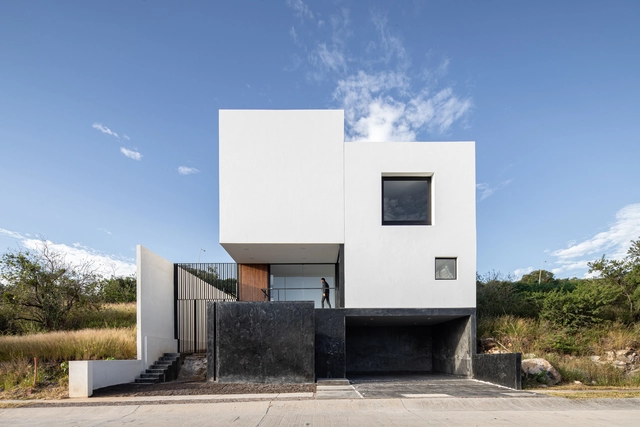
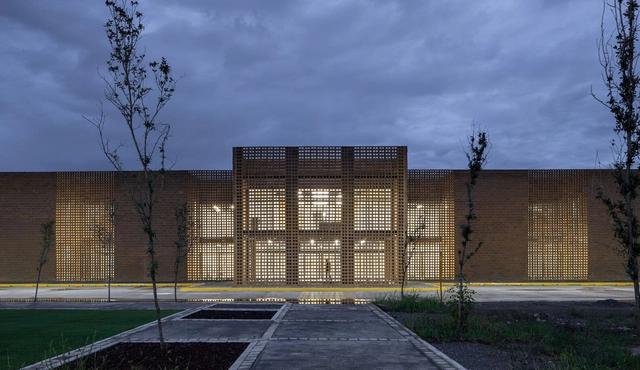
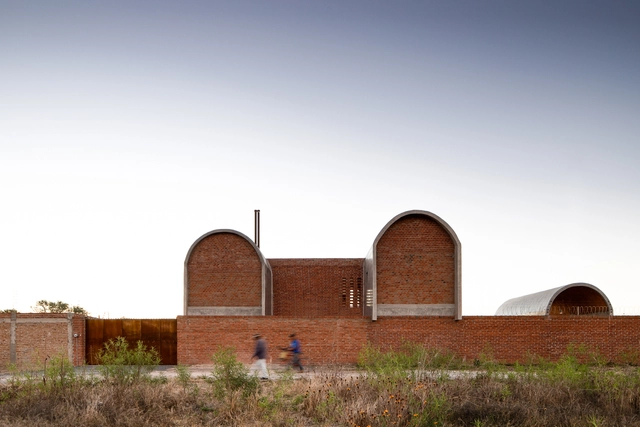
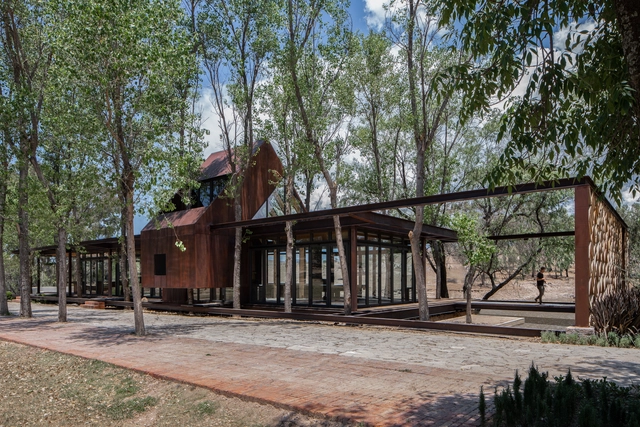
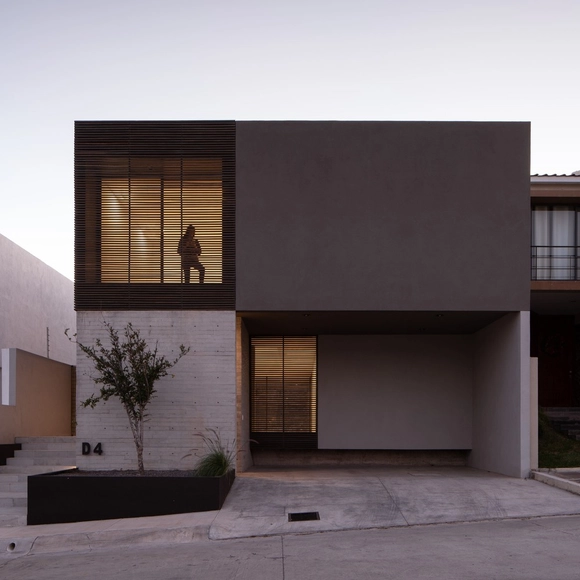
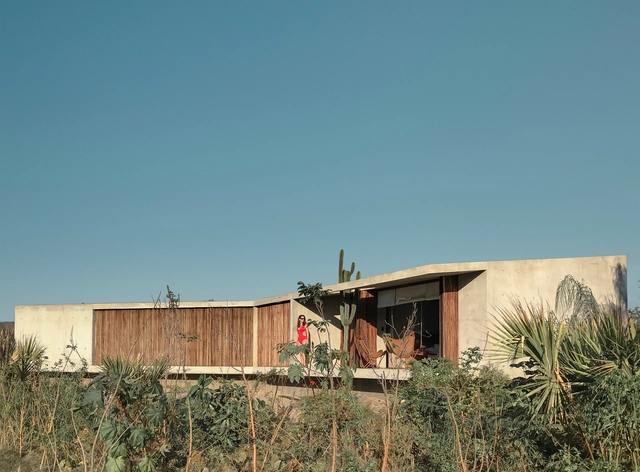
One of the most critical factors in architectural design is local climate. While extreme conditions can pose challenges—requiring insulating materials to adapt to changing weather—Mexico's favorable climates work to the designer's advantage, enabling the creation of microclimates and spaces that blur the transition between indoors and outdoors.
.jpg?1599092292&format=webp&width=640&height=580)
The state of Guanajuato is located in the north-central region of Mexico, bordering the states of Zacatecas, San Luis Potosí, Querétaro, Michoacán, and Jalisco. Covering an area of 30,607 km², it is one of the country's most populous regions. Its most prominent municipalities include León, Irapuato, Celaya, Salamanca, and San Miguel de Allende. The latter, designated a UNESCO World Heritage Site in 2008, is characterized by its Baroque and Spanish architecture. Additionally, this city is home to the Parroquia de San Miguel Arcángel, built from the region's characteristic pink cantera stone.






_Maureen_M._Evans.jpg?1646840531&format=webp&width=230&height=230&crop=true)


.jpg?1600032057&format=webp&width=230&height=230&crop=true)


.jpg?1599092292)