Other than curating amazing architecture, ArchDaily is well-known for producing exclusive content and cutting-edge editorial pieces. Sought-after, these articles are produced by a highly experienced team of editors, scattered around the world, generating writings in 4 languages.
Moreover, our platform has pushed its educative status, furthermore this year, in order to function as a comprehensive tool for Architecture. 2019 has given us an abundance of materials to explore, and our editors have tackled with different possibilities, from highlighting technical information, material guidelines, theoretical and conceptual approaches to investigating the digital realm, cities, and traveling. Read on to discover a curated selection from our readers’ most notable articles for 2019.
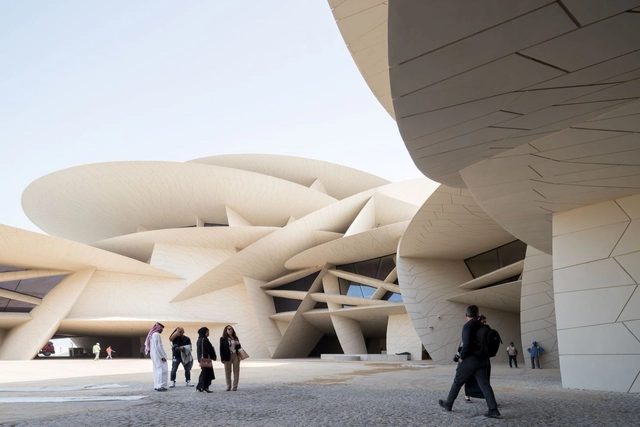
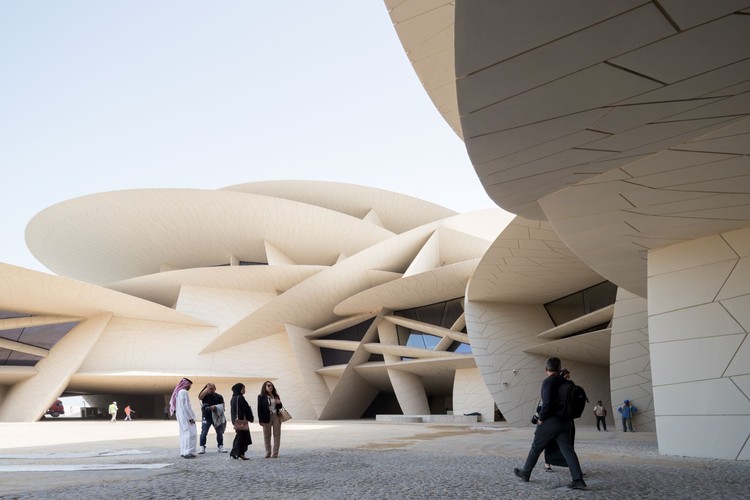
Qatar has been radically reshaped by growth and development. The sovereign state transformed since the second half of the twentieth century after the discovery of the Dukhan oil field in 1940. Capitalizing on over 70 years of economic development, Qatar now has the highest per capita income in the world. Reflecting the country’s wealth, its modern architectural projects are being built at a monumental scale.
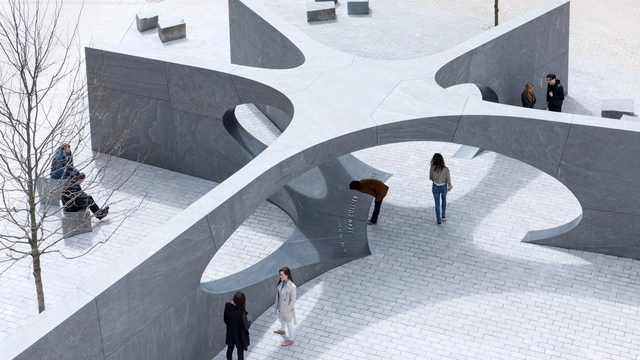
As the founder of Steven Holl Architects, Steven Holl (born December 9, 1947) is recognized as one of the world's leading architects, having received prestigious awards for his contributions to design over the course of nearly forty years in practice, including the prestigious Alvar Aalto Medal in 1998, the AIA Gold Medal in in 2012, and the 2014 Praemium Imperiale. In 1991, Time Magazine named Holl America's Best Architect. He is revered for his ability to harness light to create structures with remarkable sensitivity to their locations, while his written works have been published in many preeminent volumes, sometimes collaborating with world-renowned architectural thinkers such as Juhani Pallasmaa and Alberto Pérez-Gómez.
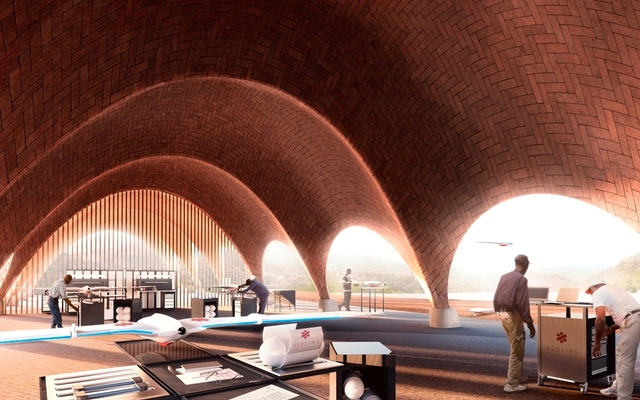
Rwanda is writing a new global story for itself. Over two decades after the end of the country’s civil war and the 1994 genocide, a series of progressive visions have been the catalyst for transformation throughout Rwanda. These economic and structural reforms have redefined the built environment, and in turn, are shaping contemporary architecture across the country.
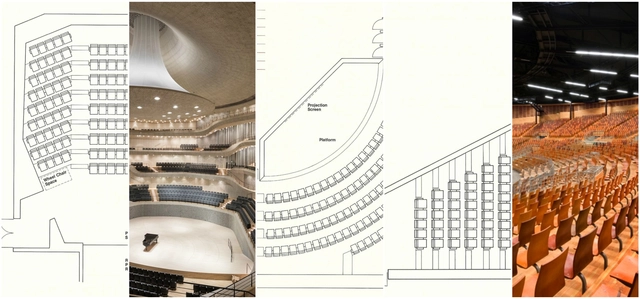
Audience sightlines, accessibility and acoustics all make theater seating a hugely precise art. As part of their set of online resources for architects and designers, the team at Theatre Solutions Inc (TSI) have put together a catalog of 21 examples of theater seating layouts. Each layout is well detailed, with information on the number of seats, the floor seating area and row spacing. These layouts fall under three general forms; to supplement this information, alongside TSI's diagrams we've included the pros and cons of each type, as well as examples of projects which use each format. Read on for more.
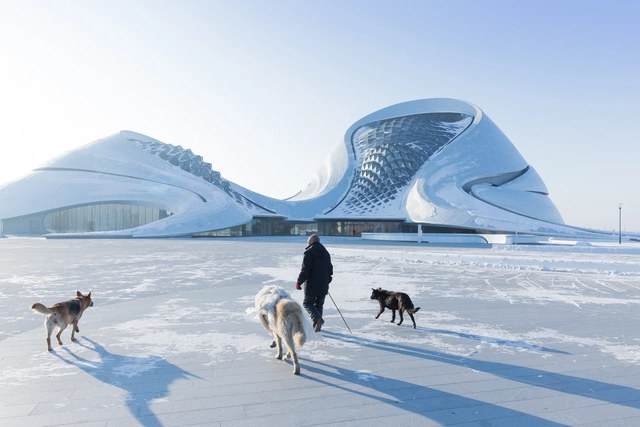
Founder of the innovative architecture firm MAD Architects, Ma Yansong (born 26 November 1975) has helped to give China a name in the international architecture scene. The first Chinese architect to receive a RIBA fellowship, Ma explores contemporary architecture in relation to traditional eastern values of nature, resulting in buildings that are complex and contextually aware, but sometimes even surreal.
India’s uprising from a dependent to an independent governance altered the way it was perceived by the world. The country’s evolution left architects and urban developers with important questions: How can they solve the economic and environmental disparities in India, and how can they implement an understanding in people about the potential of what they can achieve with their country’s culture and resources.
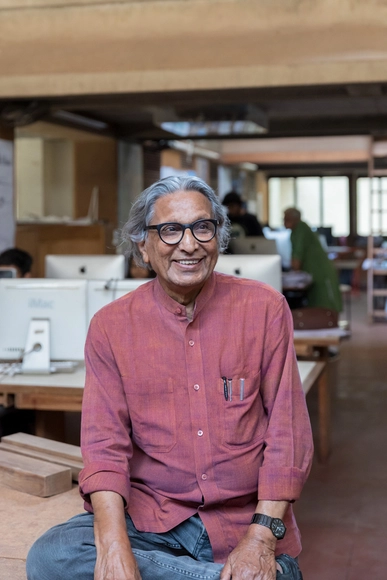
In a new extensive video interview by Louisiana Channel, Indian Pritzker Prize-winner Balkrishna Doshi narrates how he became an award-winning architect, his traditional Hindu beliefs and culture, and India’s juxtaposition of having nothing to keeping up with a world that is creating everything.
With the extensive list of acclaimed alumni of his firm, OMA, it is not a stretch to call Rem Koolhaas (born 17 November 1944) the godfather of contemporary architecture. Equal parts theorist and designer, over his 40-year career Koolhaas has revolutionized the way architects look at program and interaction of space, and today continues to design buildings that push the capabilities of architecture to new places.
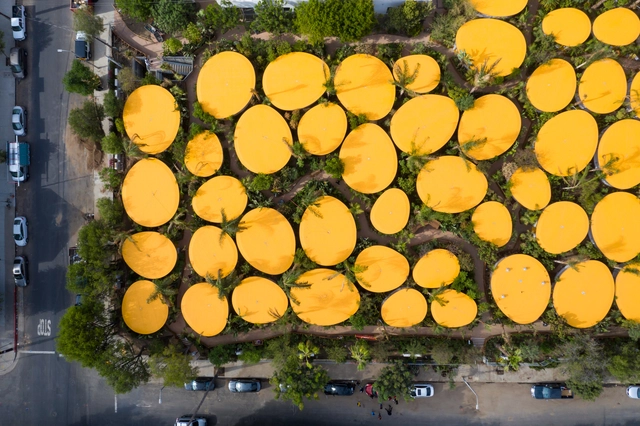
Contemporary architecture is increasingly created as a product of the market. Human experience and natural systems are traded for convenience and the bottom dollar, resulting in buildings that become commodities rather than spaces for daily life. When architects SelgasCano set out to design the new Second Home in Los Angeles, they aimed to challenge the status quo. In doing so, the team created one of the city’s most inspiring developments in recent memory.
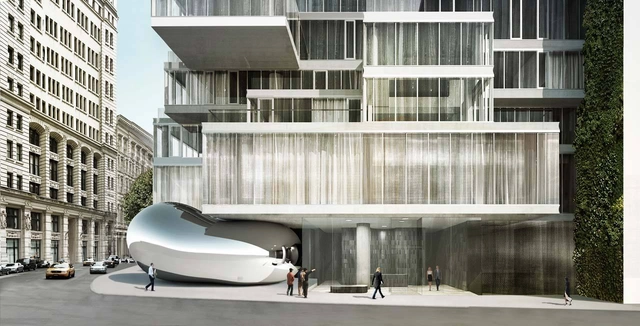
Artist Anish Kapoor will have his first permanent public work opening as part of 56 Leonard St. in New York. Located at the base of the residential tower by architects Herzog & de Meuron, the specially commissioned artwork is integrated into the architecture of the iconic New York tower. Marking the collaboration between artist and architect, the work aims to become a new cultural landmark in Tribeca.
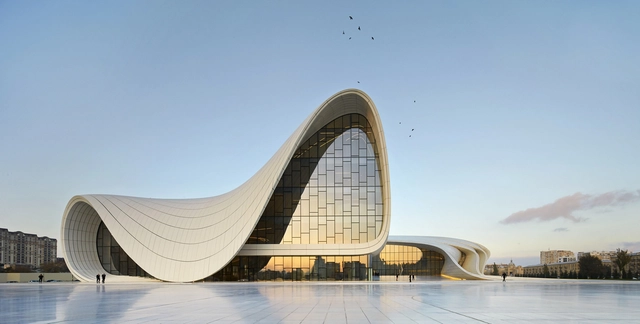
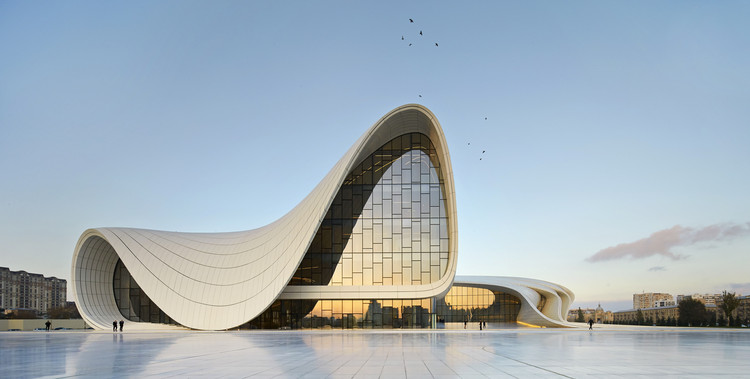
In her lifetime, Pritzker prize-winning architect, fashion designer and artist Zaha Hadid (31 October 1950 – 31 March 2016) became one of the most recognizable faces of our field. Revered and denounced in equal measure for the sensuous curved forms for which she was known, Hadid rose to prominence not solely through parametricism but by designing spaces to occupy geometries in new ways. Despite her tragically early death in March of 2016, the projects now being completed by her office without their original lead designer continue to push boundaries both creative and technological, while the fearless media presence she cultivated in recent decades has cemented her place in society as a woman who needs just one name: Zaha.
Founded in 1995 by architects Kazuyo Sejima (born 29 October 1956) and Ryue Nishizawa (born 7 February 1966), SANAA is world-renowned for its white, light buildings grounded in the architects’ Japanese cultural origins. Despite the white exteriors, their architecture is far from modernist; the constant incorporation of ambiguity and doubt in SANAA’s buildings is refreshing and playful, taking the reflective properties of glass and brightness of white to a new level.
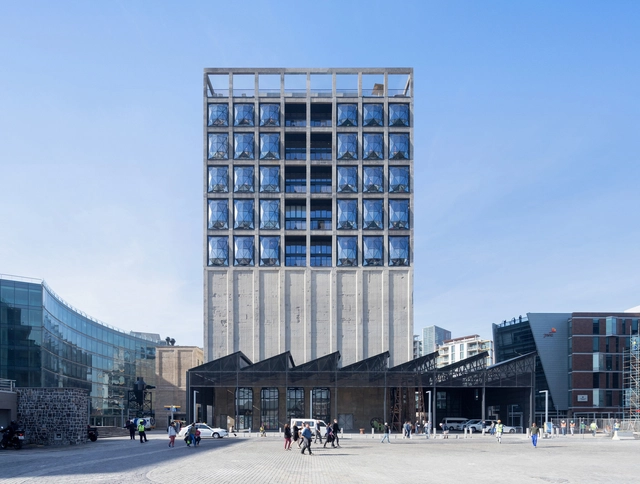
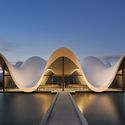
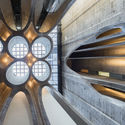
South Africa’s architecture is defined by a multicultural history. Located at the southernmost tip of the continent, the county has built upon past traditions and building techniques in a range of modern architecture and cultural projects. These structures showcase new design approaches in South Africa and experiment with diverse formal and spatial strategies.
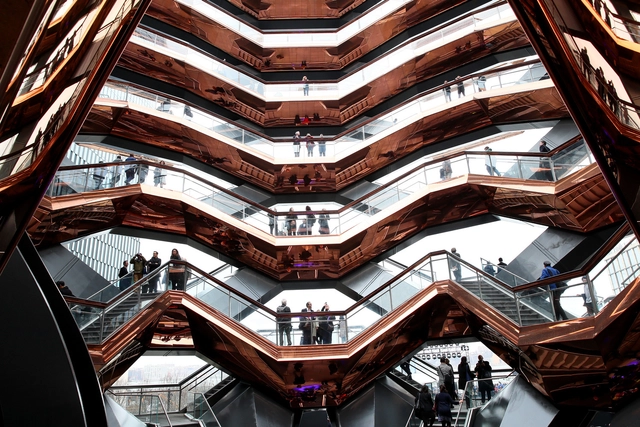
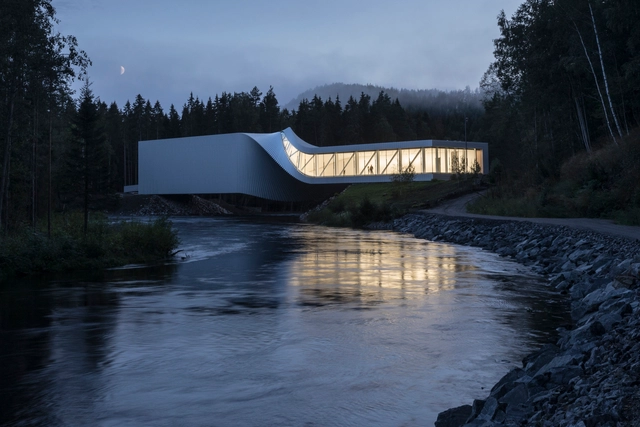
Vessel Public Landmark - Heatherwick Studio. Image Courtesy of Getty Images
Innovation can take on so many definitions. It can revolve around finding solutions, tackling with novel ideas, or just an original way of perceiving life. It can also be a very concrete technological advancement or an intangible concept. There is no right or wrong when it comes to innovation, just different points of view.
ArchDaily had the chance to discuss the topic of Innovation with Thomas Heatherwick and Yosuke Hayano from MAD Architects, during the reSITE 2019 event in Prague, where prominent thinkers from around the world shared their ideas about the future of cities under the theme of REGENERATE. The interdisciplinary conversation, in its 8th edition, explored natural and urban revitalization, as well as the recurring problems of our times like climate change and housing affordability.
The Daylight Award 2020, a dual prize for research and architecture, is now open for nominations. The Daylight Award is a great opportunity for the global community of architects and researchers to consider and nominate their colleagues who have expertise in advancing outstanding daylight research and the unique use of daylight in architecture.
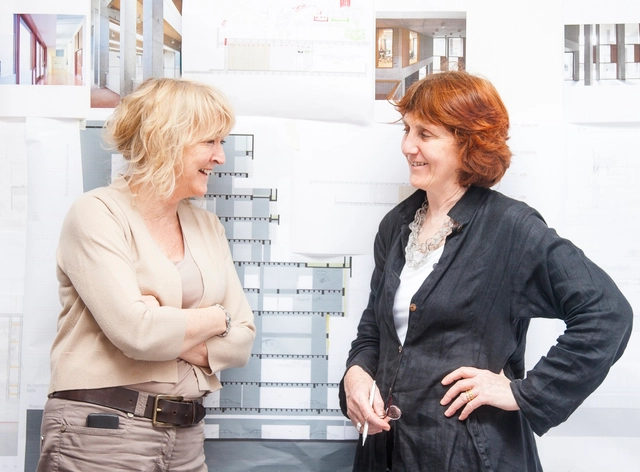
Dublin-based Grafton Architects have been announced as the winners of the RIBA2020 Royal Gold Medal, the UK’s highest honor for architecture. Recognizing the practice’s significant global contribution to architecture, the award is approved personally by Her Majesty The Queen. RIBA acknowledged that the people-centered practice has achieved global recognition and is known especially for its exemplary education buildings.
Danish architect Bjarke Ingels (born 2 October 1974) is often cited as one of the most inspirational architects of our time. At an age when many architects are just beginning to establish themselves in professional practice, Ingels has already won numerous competitions and achieved a level of critical acclaim (and fame) that is rare for new names in the industry. His work embodies a rare optimism that is simultaneously playful, practical, and immediately accessible.












_MAD_Architects.jpg?1479857306&format=webp&width=230&height=230&crop=true)











_Dean_Kaufman.jpg?1477582154&format=webp&width=640&height=580)
_Dean_Kaufman.jpg?1477582154&format=webp&width=230&height=230&crop=true)


.jpg?1477667050&format=webp&width=230&height=230&crop=true)
_Dean_Kaufman.jpg?1477582154)