Just before the global lockdowns began in response to the spread of the widely discussed COVID-19, we met with Saint Gobain experts at their new headquarters in Paris to discuss an extensive investigation conducted in 2019, with the aim of understanding the transformations that architecture and construction have experienced in recent years. After an interesting exchange of ideas, we chose the most relevant topics to be analyzed in depth by our team of editors, resulting in a series of articles that combined the trends identified with the unexpected events that occurred during 2020, connecting them directly to architectural design.
Now, entering an uncertain but promising 2021, we took the time to stop and reread these articles carefully. How many of these trends are still valid and how much have they evolved? What new trends are likely to develop in the coming years?
Maria Montessori began to develop her educational method at the beginning of the 20th century. In general terms, the method is a scientific pedagogy that promotes an education that positively contributes to the development of children's brains, respecting their individuality and stimulating their autonomy, self-esteem, and self-confidence.
Although the method was created in the last century, science is currently beginning to test much of the information investigated by Maria Montessori. For this reason, it is increasingly being applied to architecture for children’s educational spaces, improving the quality of children's learning and development and providing them with better tools for their future lives.
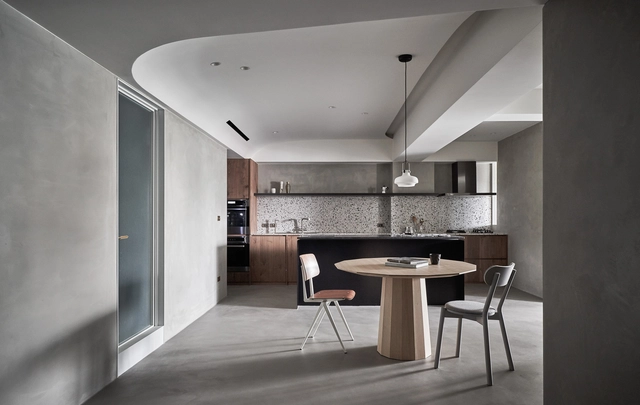
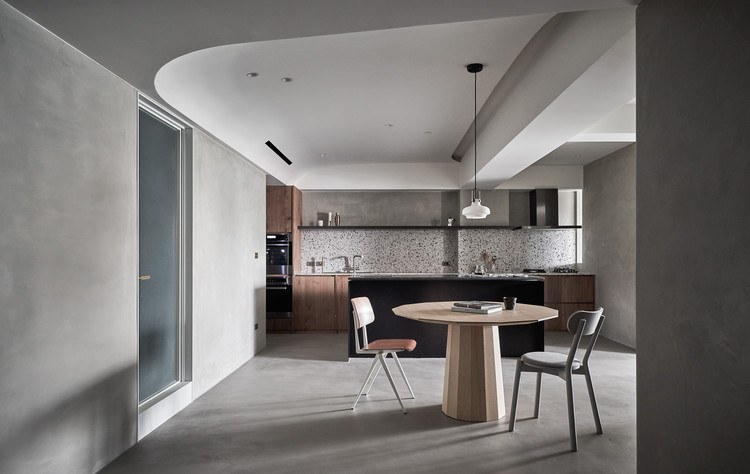
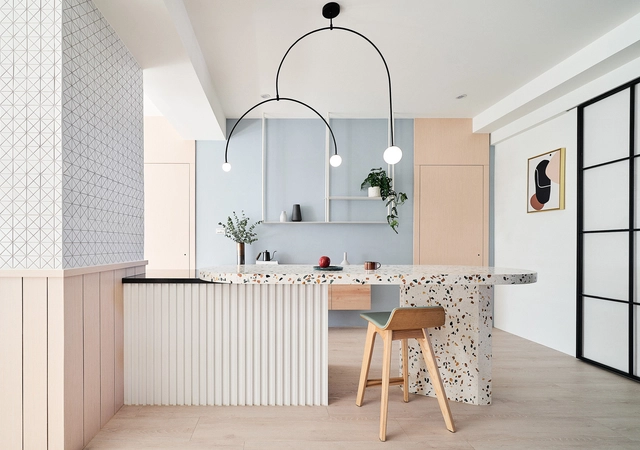
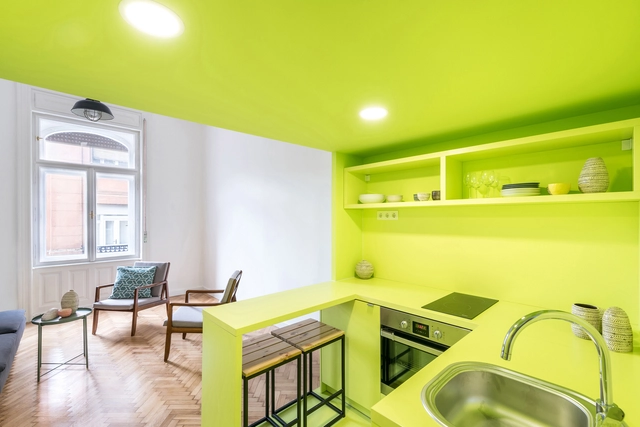
A monochrome environment is a space in which most architectural elements are of a single color. Although it is common for architects to design black or white monochromatic spaces due to its neutrality, it is possible to use almost any color to design a space, taking advantage of their infinite tones, undertones, and shades.
The outbreak of COVID-19 has caused an estimated 900 million people around the world to remain at home. Among them are architects and designers who have been asked to work remotely to prevent the virus from spreading through the workplace. For many architects, this is undoubtedly a new territory. However, for ArchDaily, it is not, and we can assure you that it is possible not only to work from home, but to use this time to greatly enhance your skills, knowledge, and development as an architect.
https://www.archdaily.com/936082/tips-for-architects-working-at-home-during-covid-19Niall Patrick Walsh
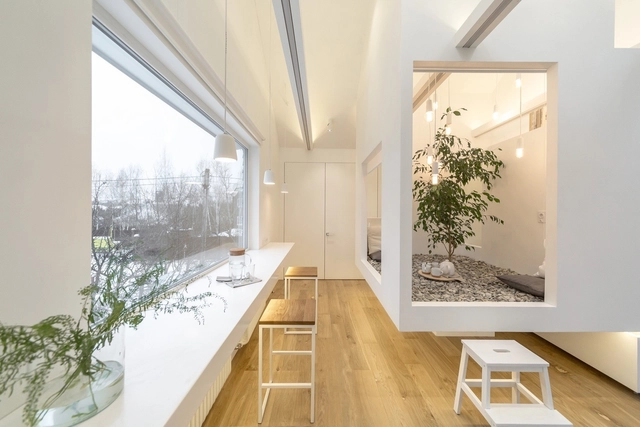
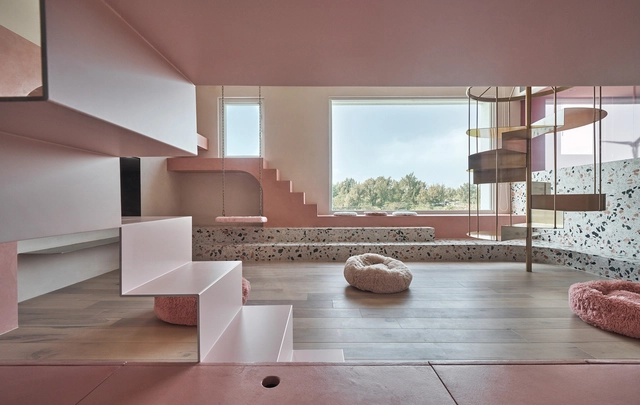
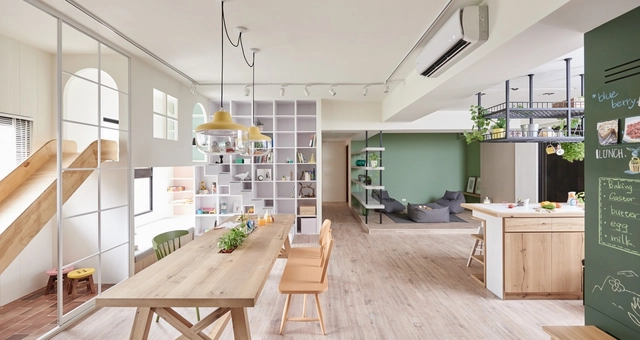
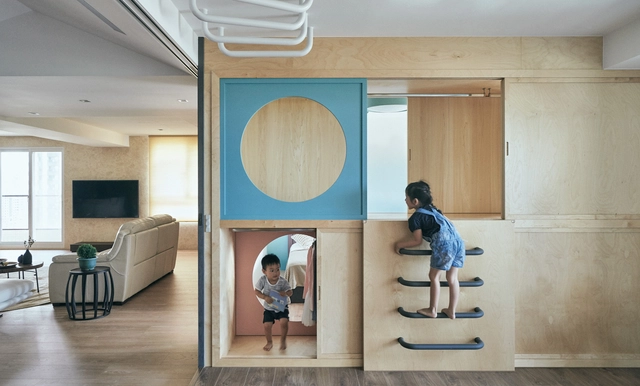
Although we know how important it is to allow children to play in public and outdoor spaces, it is difficult to deny that there are few cities offering adequate prepared environments for children - fun and safe spaces that allow them to experience urbanity and become conscious citizens of community life. For this reason, it is also understandable that families have increasingly instituted leisure spaces in indoor environments, giving their children the freedom and security necessary to learn and grow.
In this article, we have selected 11 incredible examples that demonstrate how interior architecture can help create play spaces for kids of all ages, helping them take their first steps in this world with greater autonomy and confidence.













.jpg?1591644193&format=webp&width=230&height=230&crop=true)