
Balanço House / lb+mr


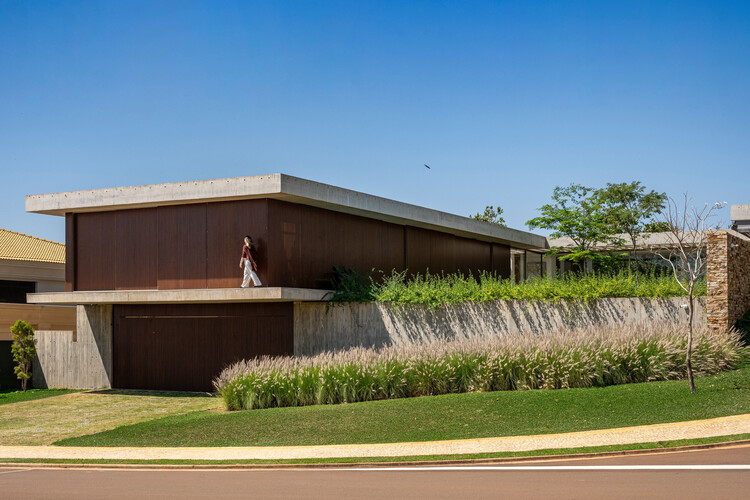
https://www.archdaily.com/1038503/swing-house-lb-plus-mrSusanna Moreira
Virtis House / Fitore Arquitetura


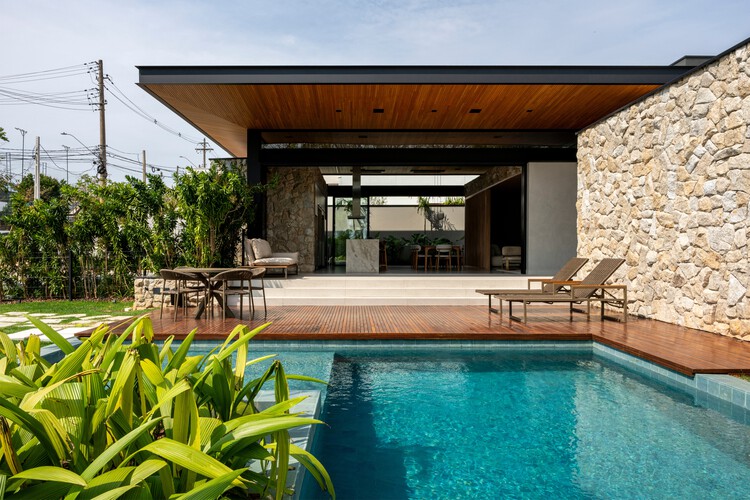
-
Architects: Fitore Arquitetura
- Area: 282 m²
- Year: 2025
https://www.archdaily.com/1055915/virtis-house-fitore-arquiteturaSusanna Moreira
MFGT House / Juliana Martins Arquitetura


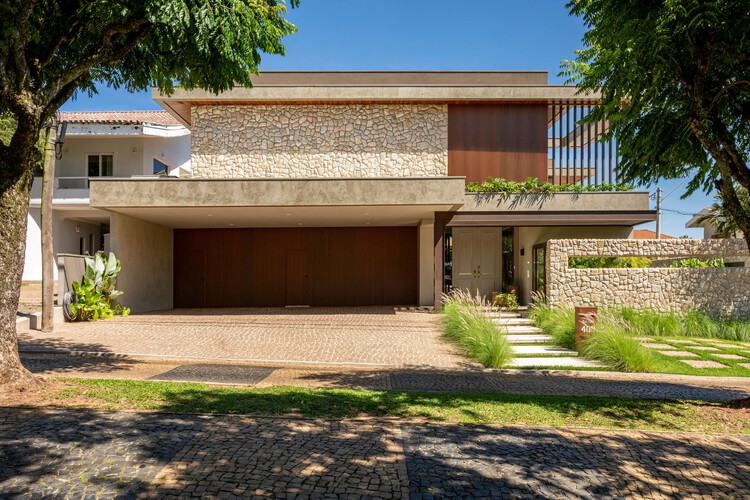
-
Architects: Juliana Martins Arquitetura
- Area: 557 m²
- Year: 2024
https://www.archdaily.com/1067790/mfgt-house-juliana-martins-arquiteturaSusanna Moreira


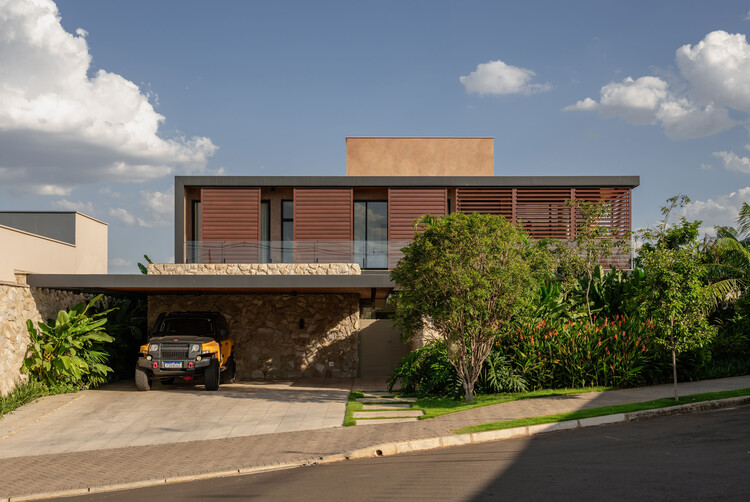
Allegria House / Sala 03 Arquitetura


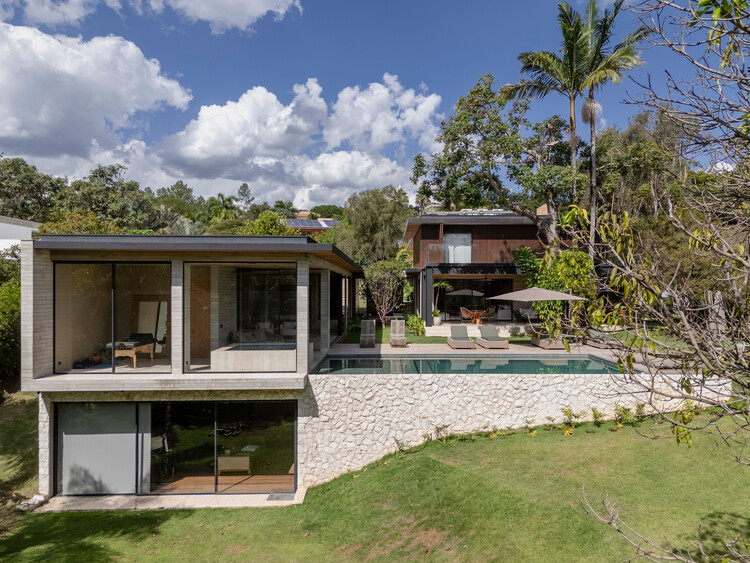
-
Architects: Sala 03 Arquitetura
- Area: 935 m²
- Year: 2024
https://www.archdaily.com/1151284/allegria-house-sala-03-arquiteturaSusanna Moreira
Jardineiras House / Sala 03 Arquitetura
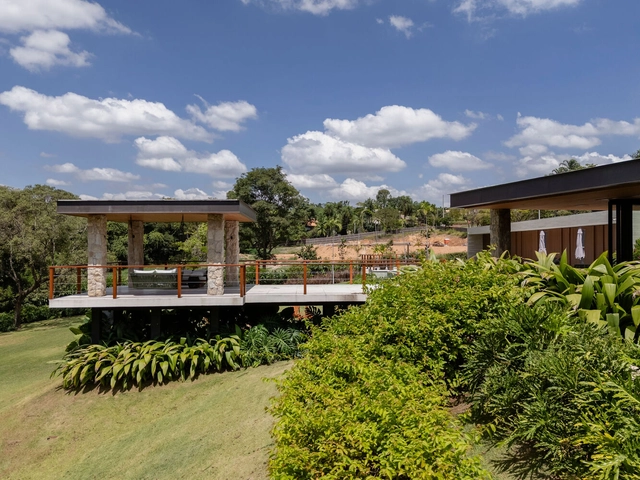


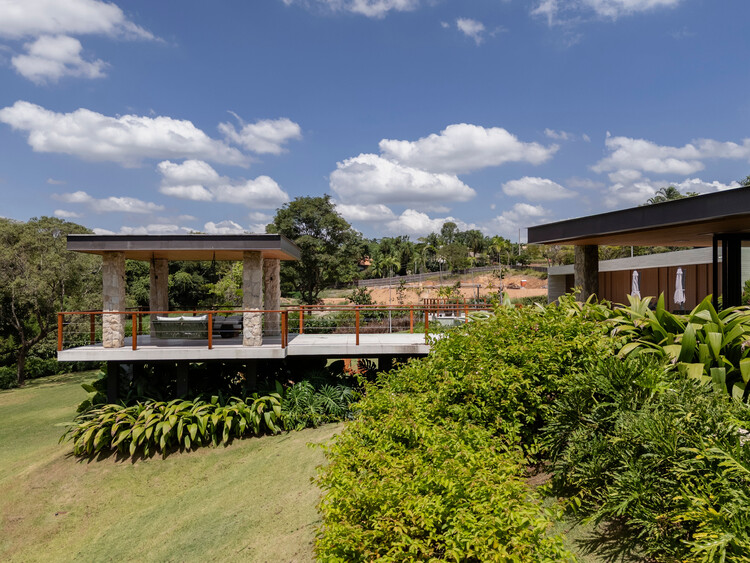
-
Architects: Sala 03 Arquitetura
- Area: 946 m²
- Year: 2024
https://www.archdaily.com/1152526/jardineiras-house-sala-03-arquiteturaSusanna Moreira
Bosque House / Sala 03 Arquitetura
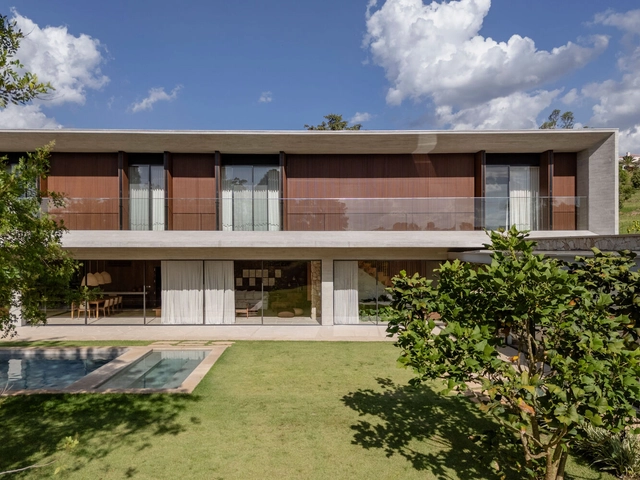


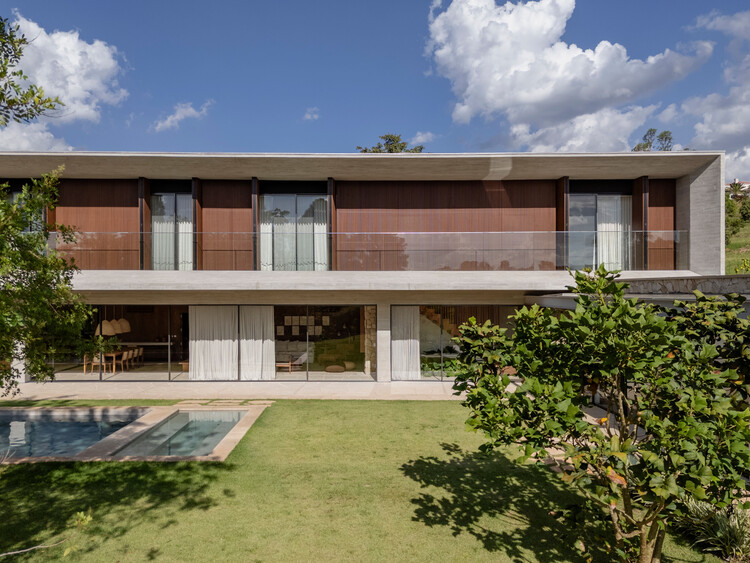
-
Architects: Sala 03 Arquitetura
- Area: 920 m²
- Year: 2024
https://www.archdaily.com/1151319/bosque-house-sala-03-arquiteturaSusanna Moreira
Architecture in Motion: Framing Spaces That Live and Breathe
| Sponsored Content
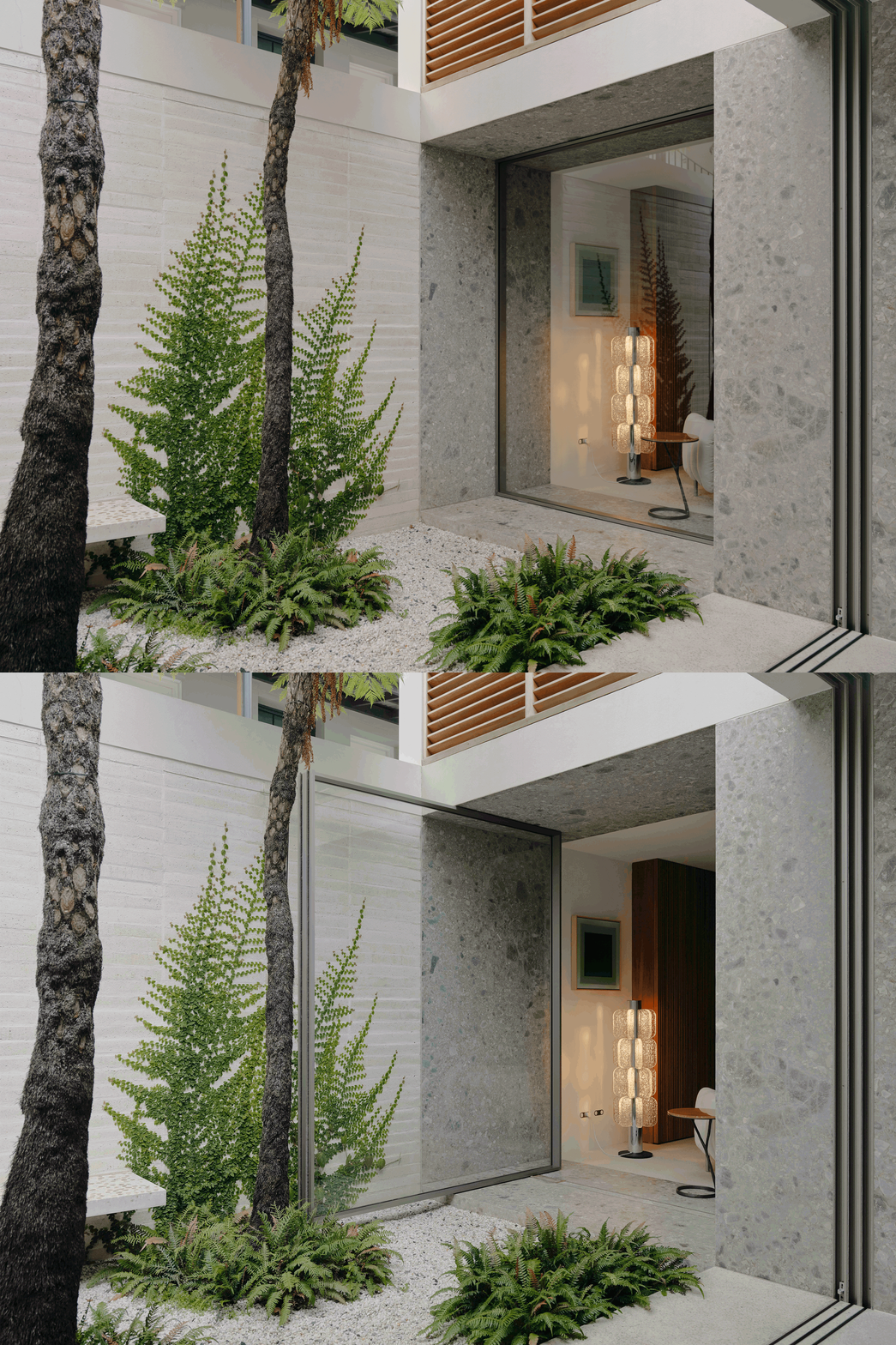
Architectural space has long been framed by permanence: rooms for fixed functions, facades that clearly define where exterior ends and interior begins. Yet contemporary life is defined by overlap and transition: between work and living, interior and exterior, privacy and community. Spatial needs evolve continually, demanding architecture that can respond, adapt, and remain relevant over time.
In this context, adaptability has emerged not only as a design ambition but as a sustainable necessity. Buildings that adjust to shifting uses, evolving climates, or new forms of living extend their lifespan and reduce the need for demolition or extensive retrofits. Flexibility becomes a measure of resilience, allowing structures to remain vital across decades. But how can architecture respond to the evolving ways we inhabit and experience space?
https://www.archdaily.com/1035970/architecture-in-motion-framing-spaces-that-live-and-breatheKiana Buchberger
Casa TOT / Celso Laetano Arquitetura


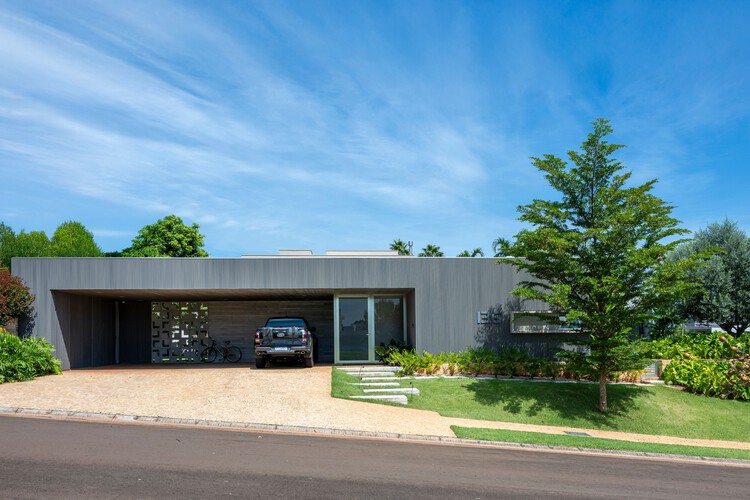
-
Architects: Celso Laetano Arquitetura
- Area: 634 m²
- Year: 2023
-
Manufacturers: Arkos, Indusparquet, Accende Lampadário, Kohler, Linear Esquadrias De Alumínio, +6
https://www.archdaily.com/1035500/casa-tot-celso-laetano-arquiteturaAndreas Luco
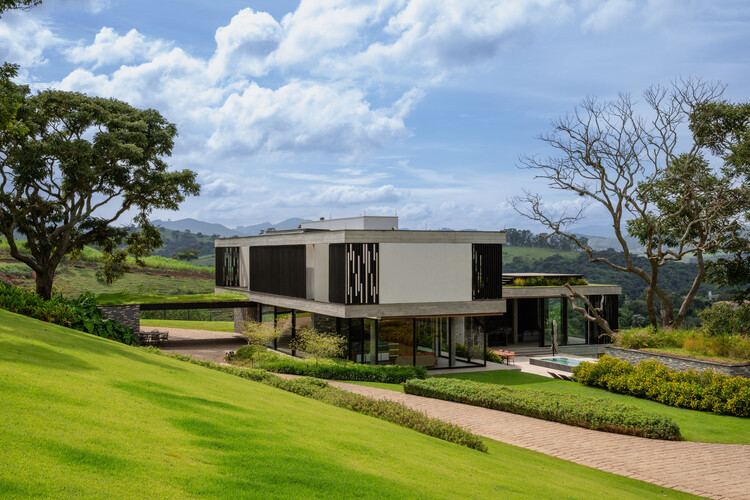
Jacaranda Home / Studio Miravan
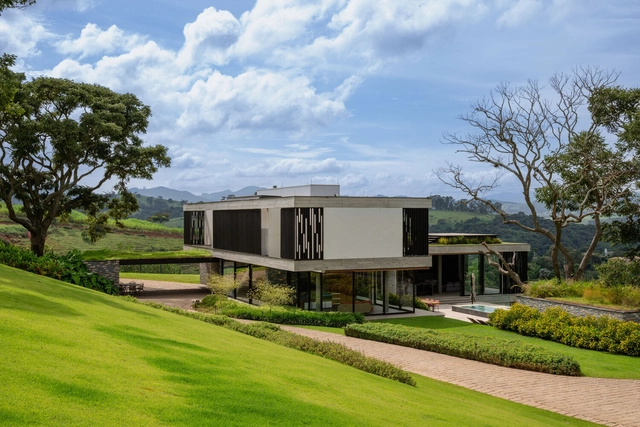


-
Architects: Studio Miravan
- Area: 975 m²
- Year: 2024
-
Manufacturers: Jardins sobre lajes
https://www.archdaily.com/1033674/jacaranda-home-studio-miravanValeria Silva
Designing with Humidity: How Architecture Adapts to the World’s Dampest Climates
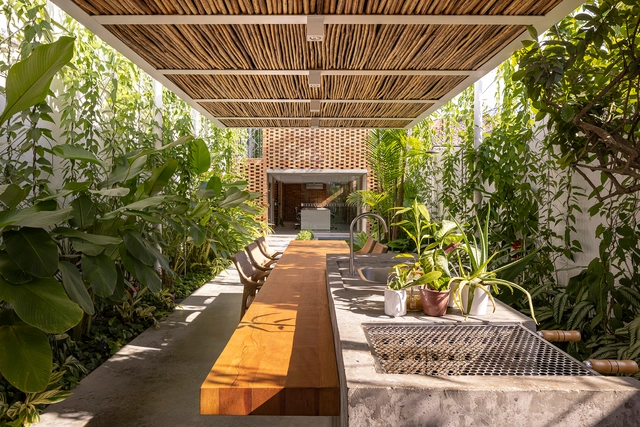
Humid environments present some of the most complex challenges in architectural design. From the tropical monsoon season of Southeast Asia to the equatorial heat of Central Africa, these environments demand solutions that account for intense moisture, high temperatures, and the constant battle against mold, decay, and stagnation. Yet, for centuries, communities in these regions have developed architectural techniques that do not fight against humidity but instead work with it, leveraging local materials, climate-responsive design, and passive cooling techniques to create sustainable and livable spaces. By considering atmosphere as a sensory and climatic phenomenon, architects will craft spaces that are not only evocative but also responsive, adaptive, and sustainable.


https://www.archdaily.com/1027537/designing-with-humidity-how-architecture-adapts-to-the-worlds-dampest-climatesOlivia Poston
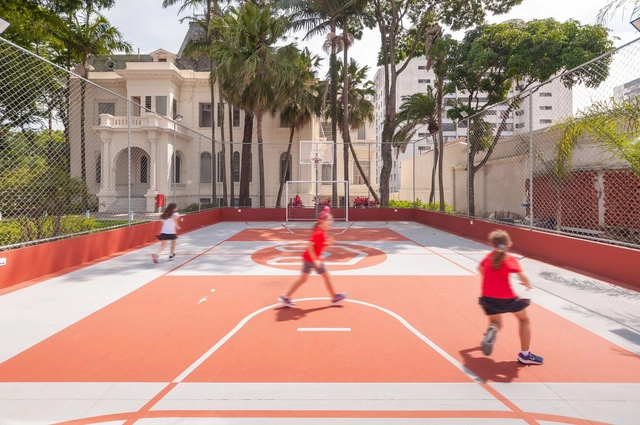
Red House Ipiranga Bom Pastor / STUDIO DLUX + Licuri Paisagismo


https://www.archdaily.com/1027265/red-house-ipiranga-bom-pastor-studio-dluxPilar Caballero
The 50 Best Latin American Houses of 2024
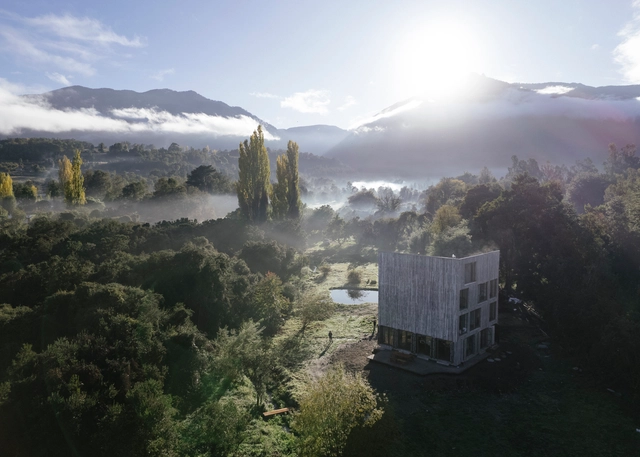
Annually, ArchDaily's curatorial team undertakes a rigorous selection process to identify exemplary projects in Latin American residential architecture. The goal is to share these works of architecture with our audience and highlight and promote good practices within contemporary architecture. This meticulous effort focuses on identifying projects that stand out for their design and their positive impact on the environment, innovative use of materials and techniques, and ability to address current needs.


https://www.archdaily.com/1025255/the-50-best-latin-american-houses-of-2024ArchDaily Team
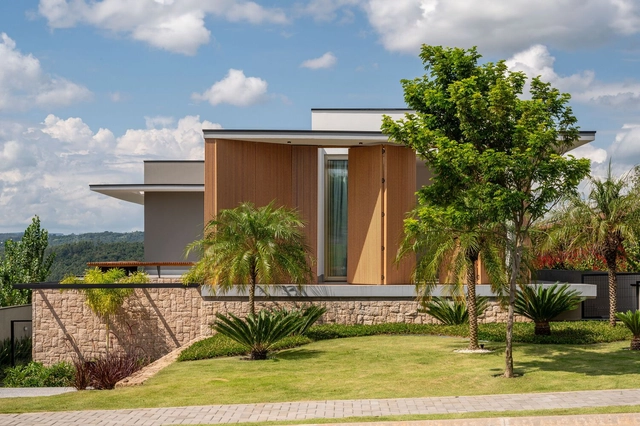
Vista House / Fitore Arquitetura


-
Architects: Fitore Arquitetura
- Area: 5984 ft²
- Year: 2023
-
Manufacturers: Todeschini, Artzzi, Breton, Clami, Líder Interiores, +4
https://www.archdaily.com/1020674/vista-house-fitore-arquiteturaPilar Caballero
Vibe House / Sala 03 Arquitetura
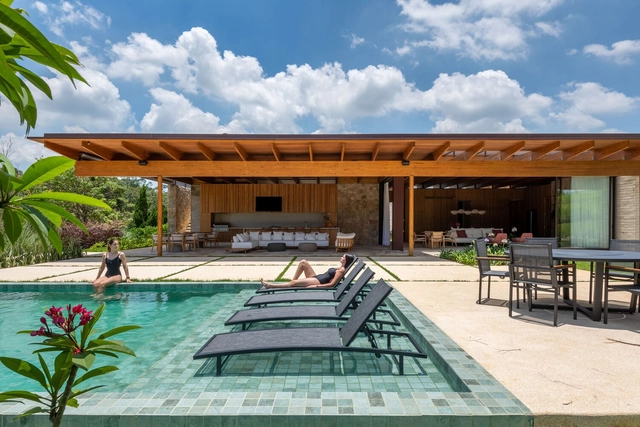


https://www.archdaily.com/1167364/vibe-house-sala-03-arquiteturaAndreas Luco
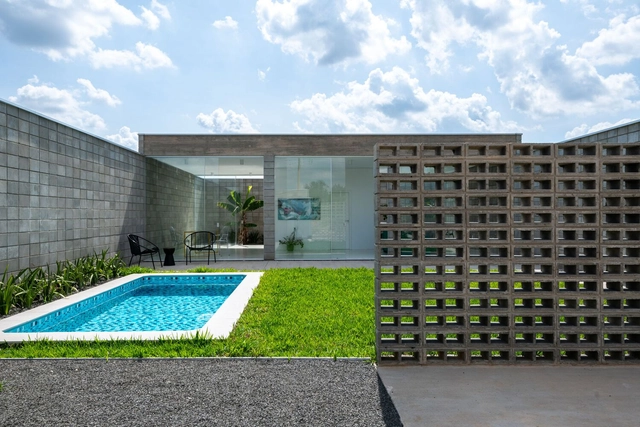


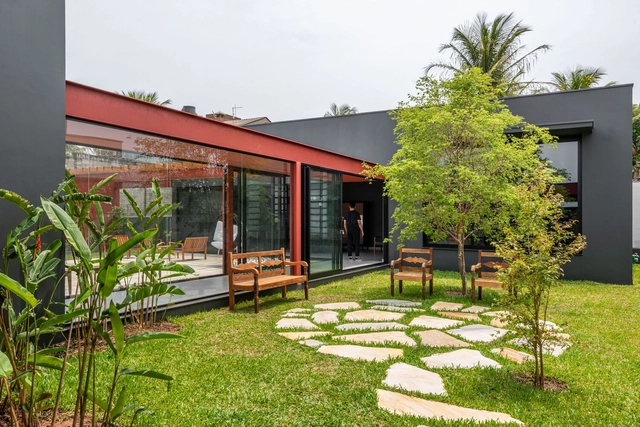


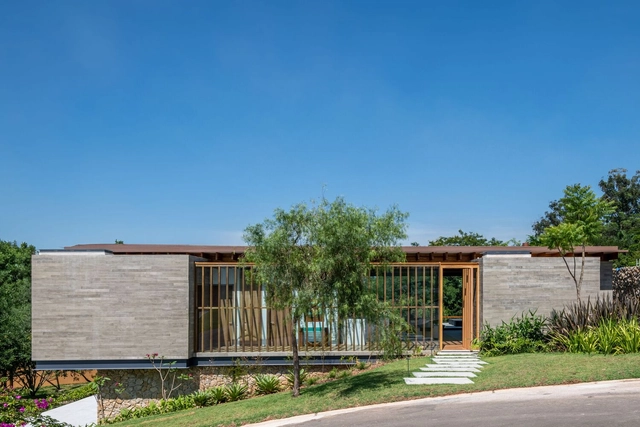
Albatroz House / Sala 03 Arquitetura


https://www.archdaily.com/1019259/albatroz-house-sala-03-arquiteturaAndreas Luco