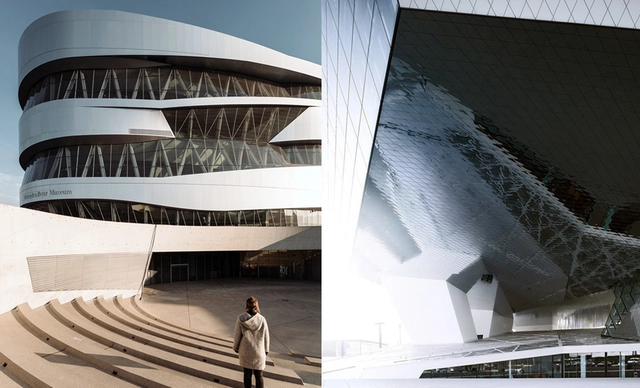
Architect Rafael Pina, from the ARKRIT Collective, presents an article comparing two prestigious German automotive brands and their effort to project, also through architecture, an image of modernity and power. These museums belong to a lineage of spectacular architecture, seeking to inspire admiration and surprise through showmanship across various dimensions: formal, technological, and financial.
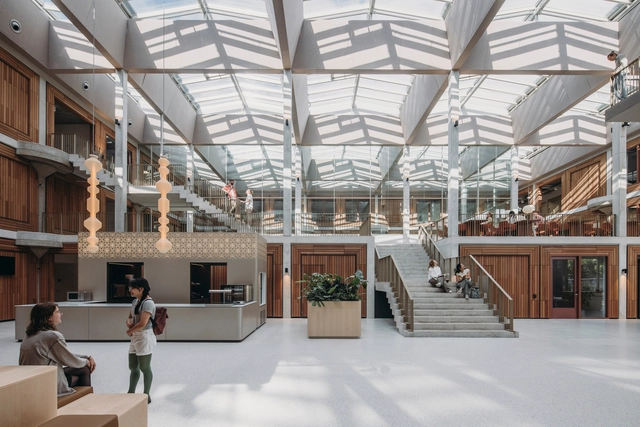
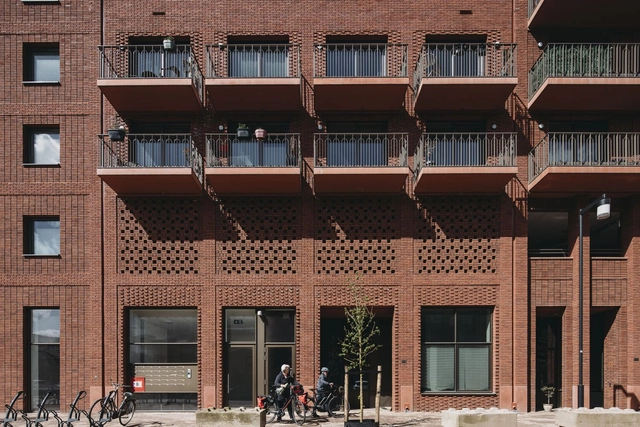
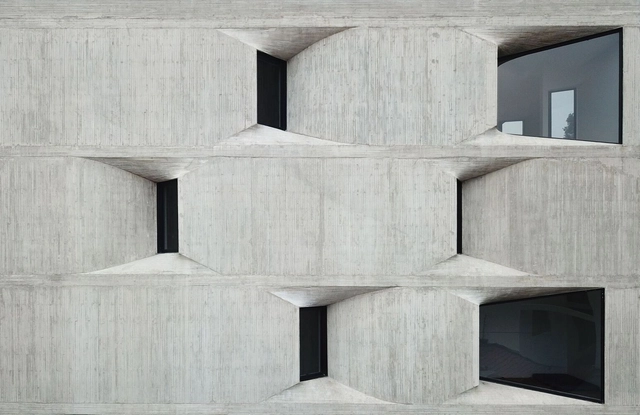
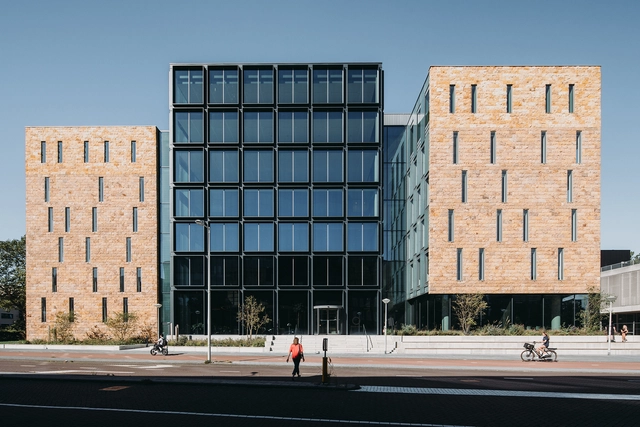
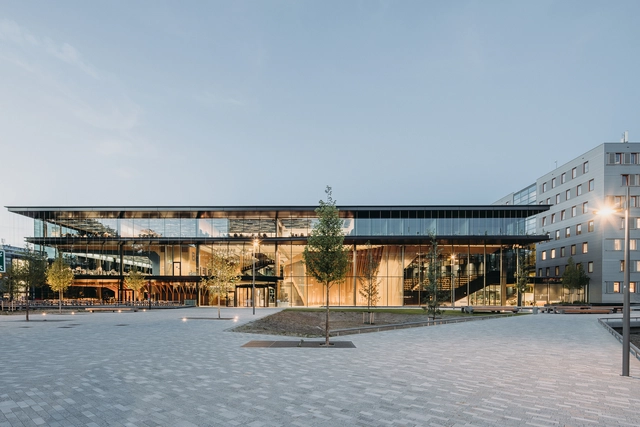
Formally, transparency usually takes the shape of a window, a door, a curtain wall, or a skylight. These are commonly created through rectangular punched openings or in the form of glass curtain wall systems or translucent screens. The following projects play with traditional notions of transparency and window-making in playful and unconventional ways. They create visually striking facades and dynamic relationships between their exterior and interior. They filter light and frame views through their glazing and opening articulation to craft memorable architectural experiences.
With a total of 95 new projects recognized by Prix Versailles, the 24 global winners of this 2023 edition have recently been announced. They stand as evidence of the aesthetic vitality of each of their respective regions, paying homage to the work of numerous pioneering and/or internationally renowned firms.
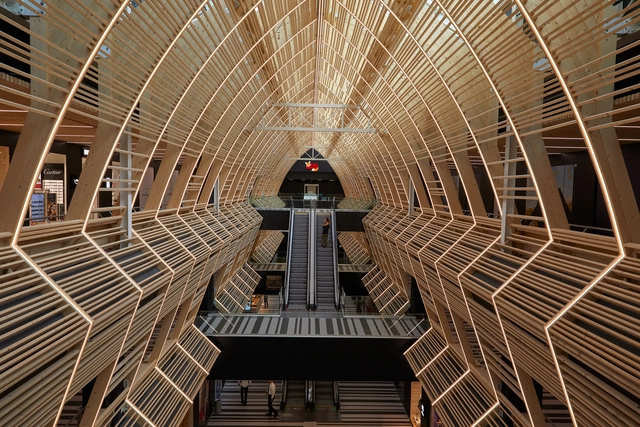
Museums reveal local and shared heritage. As cultural institutions embedded in the fabric of modern life, each museum serves as a window into history and human exchange. Made to promote understanding and provoke new ideas, these monumental buildings are inspired by spatial exploration. With some of the most influential museum projects in the world, Germany is home to a range of diverse institutions showcasing unique approaches to curating, taxonomy and spatial organization.
Plataforma de Mergulho ICEBERG / Bulot+Collins. Image Cortesia de Bulot+Collins
The aquatic environment has always fascinated dreamers and researchers. Around 1960, in the midst of the fierce space race of the Cold War, French explorer Jacques Cousteau developed equipment such as the Aqualung to unravel the depths of the sea, which remained as unexplored as outer space itself. He even stated that in 10 years we could occupy the seabed as “aquanauts” or “oceanautas,” where it would be possible to spend long periods extracting mineral resources and even growing food. Sixty years later, the seabed is still reserved for few, and mankind has been more concerned with plastic in the oceans and rising sea levels than colonizing the ocean floor. But being close to a body of water continues to attract most people. Whether out of interest or in response to risks of flooding and over-population, some have turned to utopian proposals and floating architecture, examples of which have been featured in the ArchDaily project archive. But what are the fundamental differences between building houses on land versus on water, and how do these buildings remain on the surface rather than sinking?
Without a doubt, pivot doors are more in style than ever. Rotating on a vertical axis with nearly invisible components, these swinging doors are characterized by their clean lines, contemporary aesthetic and endless design possibilities – features that make them ideal for a wide array of applications, especially as grand design statements. They particularly stand out, however, for their beautiful and elegant movement that allows smooth transitions between spaces, setting them apart from regular hinged doors. To ensure that this characteristic motion is achieved, two steps are indispensable: selecting high-quality hardware and installing it properly.