Contemporary architecture has learned to celebrate living matter. Mycelium panels, algae systems, living walls, life is now welcomed into buildings, framed as innovation. Yet the same discipline that celebrates these organisms treats mold as contamination. Both are biological. Both respond to moisture, temperature, and material conditions. The difference is not scientific. It is about which forms of life architecture is willing to accept, and which it prefers to remove.
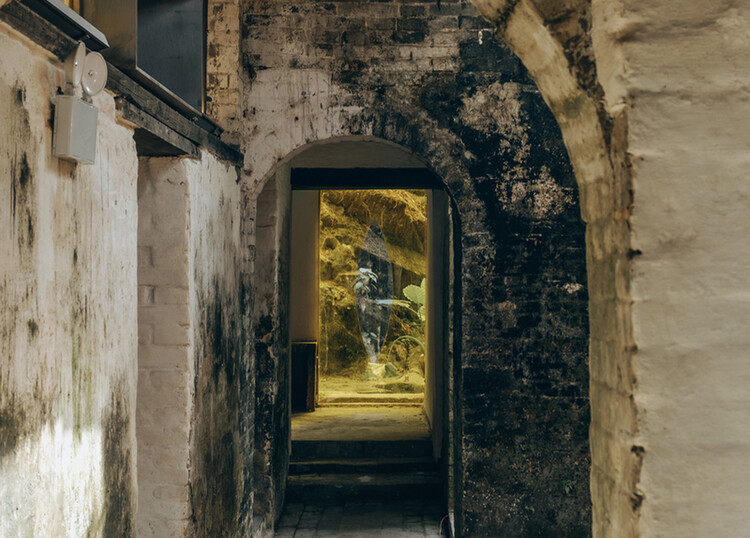
Mold is not limited to abandoned buildings or poorly maintained interiors. It appears in homes, schools, offices, historic structures, and new construction, across different climates and contexts. This makes it harder to ignore as a minor or isolated problem. If mold keeps returning, what is it telling us about the environments buildings create?
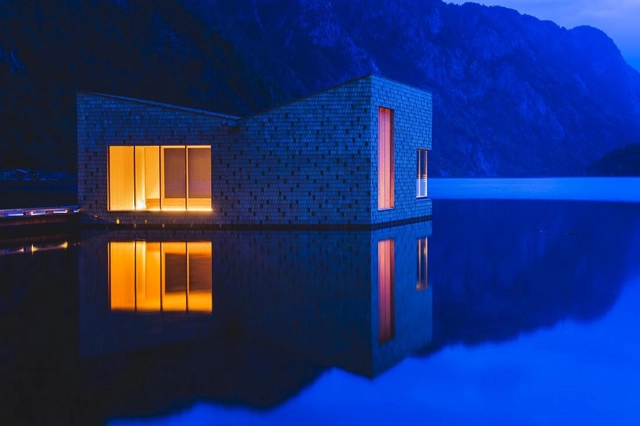
In my 2008 interview with Kengo Kuma in Manhattan—the Tokyo-based architect was in town for a lecture at Cooper Union and to oversee the construction of a house renovation in nearby Connecticut— he summarized the intention of his work for me, "The closest image to the kind of architecture I try to achieve is a rainbow." The architect designs his buildings as a chef would prepare a salad or a florist arrange a bouquet of flowers—by carefully selecting ingredients according to their size, shape, and texture. He then tests whether they should touch, overlap, or keep a distance to let the airflow pass through. The process is closer to a trial-and-error scientific experiment rather than an artistic exercise in projecting visionary forms and images. Although his buildings surely look strikingly artistic and utterly breathtaking. They are both precise and loose, primitive and refined, material and transient. The architect's fascination with materiality is startling, and despite having completed many dozens of buildings all over the world over the course of his distinctive career, in our conversation last month over Zoom, Kuma told me, "I stand at the beginning of a long process of material exploration."
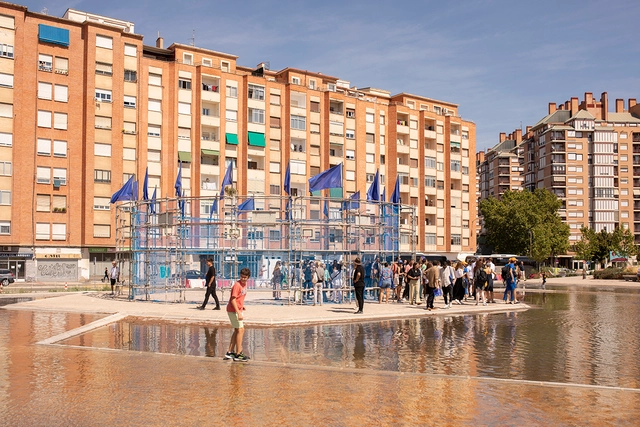
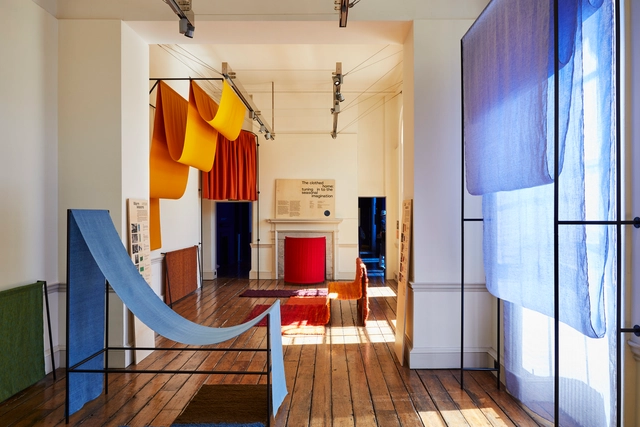
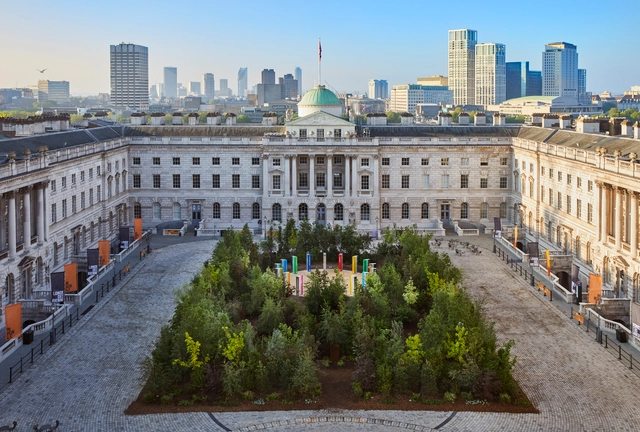
Biennales, exhibitions, and architecture focused festivals provide a platform for opening debates, conducting research, and driving innovation, but they can also contribute to the incremental changes that shape the image and the character of a city. Through temporary installations and experiments, this type of events have the opportunity to open lines on inquiry into the quality of urban spaces, inviting visitors and residents to slow down, break away from their daily routine and interrogate their local environments. The effects might not be immediate, but by cumulating these impressions and moments of contemplation, architecture and design festivals can have a long-lasting impact on the cities that welcome them.
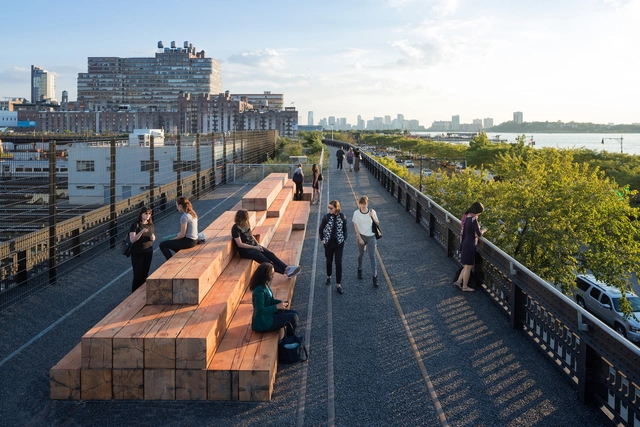
No city is like New York. As an amalgam of different cultures, it is one of the most diverse in the world. New York is also facing social and environmental challenges that range from the need for new housing and transportation demands, to rising sea levels and storm surges. As the global pandemic further underlined the importance of design in shaping public life, city officials and planners are looking at a range of approaches and models for urban development and renewed growth.
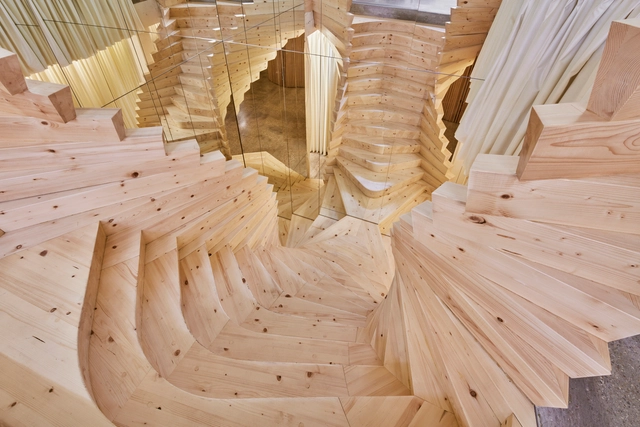
Stairs in architecture are oftentimes a design focal point- the heavyhandedness in creating something that moves us from one level to the next, up and down repeatedly, something so simple and familiar with a twist is what makes the experience of traversing a stair so unique. Our obsession with stairs and the level of illusion that they create in architecture perhaps stems from the way that they’re able to twist the optics and perceptions of space. We understand that they transport us in one direction or another, but can stairs ever be circular? Is it possible to go up and down for eternity?
The importance of the use of advanced technologies, such as the likes of virtual reality in the scene of architecture, is becoming increasingly necessary. No matter how beautiful a rendered image may be, it will always lack the capacity to fully convey the scope and feel of a project as a whole, further perpetuating the necessity to incorporate the use of these technologies at a professional practice level.
Architects who choose not to adopt the use of virtual reality technologies into their design process fall victim to being at a significant disadvantage, and the problem no longer even lies within accessibility, as VR is very much a possibility for architects of all backgrounds in the present age.
While research seems intrinsic to the design process, architectural research is a professional path in itself, whose purpose is to highlight scientific evidence and explore alternatives outside of pre-established norms or empirical considerations. Its purpose is to create a framework of knowledge that can inform the design to reach objectively better outcomes. The following discusses the role and state of research in architecture, some prominent areas of inquiry, and the architects or institutions that dedicate their work to these subjects.
Focused on 3 main titles, "the European city: a model for the sustainable smart city", "defining common European culture while reflecting the diversity of expression" and "an architecture that has social impact and transmits a cultural message", we have grouped the selected projects, nominated by a jury formed by Tatiana Bilbao, Francesca Ferguson, Mia Hägg, Triin Ojari, Georg Pendl, Spiros Pengas and Marcel Smets to give a better understanding of the selection criteria and the architectural situation in Europe.
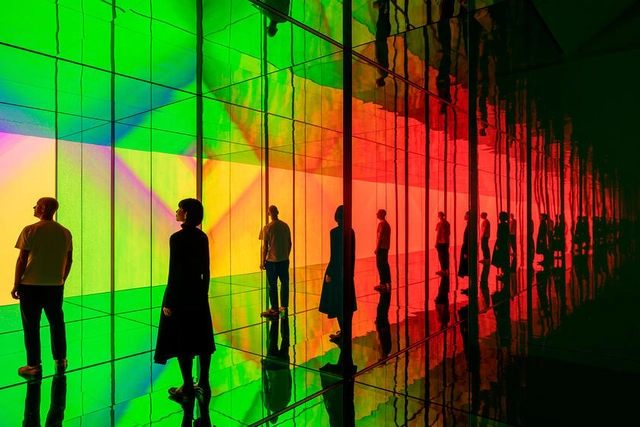
Responding to artistic director and curator Es Devlin's theme ‘Resonance’, designers from different countries, territories, and cities showcased how they envision new perspectives and solutions to global issues, exploring topics such as sustainability and the environment, globalization, migration, and the future of humanity. The diversity of the contributing curators was not only present in the solutions they presented, but in how they displayed them as well. While some opted for the tactile experience of exploring natural elements, others relied on one of the most prominent themes of the 21st century: digitalization and the virtual world.
This year, architecture’s highest honor, the Pritzker Prize, has been granted to Grafton Architects, a Dublin-based architectural firm mainly ran by female partners Yvonne Farrell and Shelley McNamara. For the first time ever in its 42-year history, due to the constraints set by Covid-19 global pandemic, the organizers of the Pritzker Prize decided to use Livestream the award ceremony. Having reached the end of 2020, ArchDaily has summed up what current and previous Pritzker Prize winners have accomplished during this turbulent year.
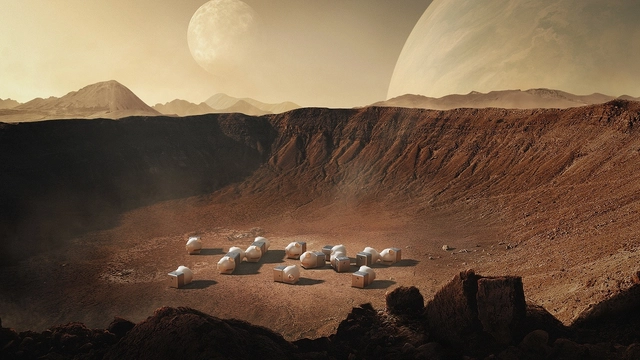
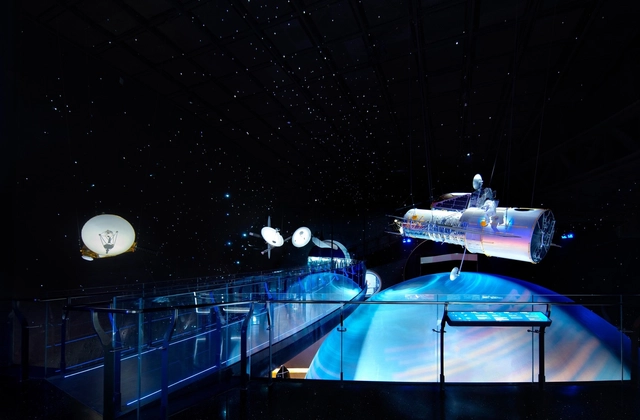
Space has long captured our imaginations. Looking to the ocean above us, writers, scientists and designers alike have continuously dreamed up new visions for a future on distant planets. Mars is at the center of this discourse, the most habitable planet in our solar system after Earth. Proposals for the red planet explore how we can create new realms of humanity in outer space.
The Royal Institute of British Architects (RIBA) has just announced that Sir David Adjaye will receive the 2021 Royal Gold Medal. One of the world’s highest honors for architecture, the Royal Gold Medal is given as a recognition of a lifetime's work, “to a person or group of people who have had a significant influence either directly or indirectly on the advancement of architecture".