

-
Architects: Adjaye Associates
- Area: 256 m²
- Year: 2020
-
Professionals: Alcock Lees Partnership Ltd., Parry Page
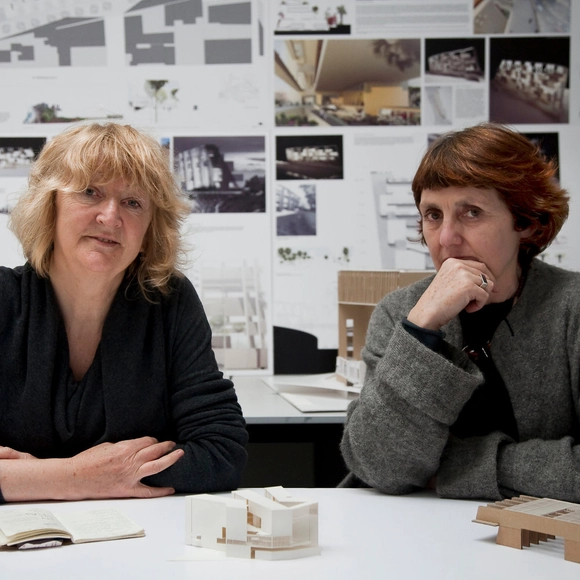
This year, architecture’s highest honor, the Pritzker Prize, has been granted to Grafton Architects, a Dublin-based architectural firm mainly ran by female partners Yvonne Farrell and Shelley McNamara. For the first time ever in its 42-year history, due to the constraints set by Covid-19 global pandemic, the organizers of the Pritzker Prize decided to use Livestream the award ceremony. Having reached the end of 2020, ArchDaily has summed up what current and previous Pritzker Prize winners have accomplished during this turbulent year.
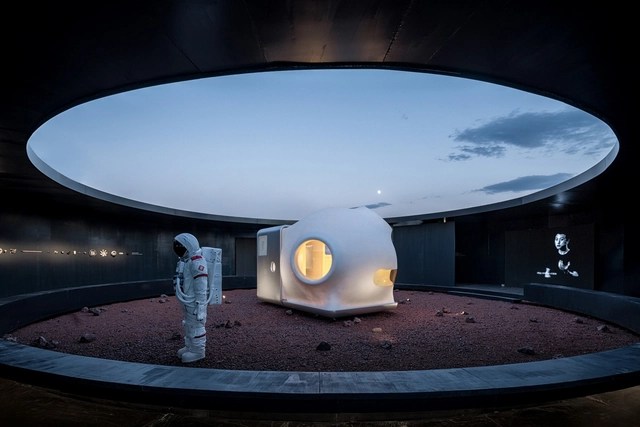
Space has long captured our imaginations. Looking to the ocean above us, writers, scientists and designers alike have continuously dreamed up new visions for a future on distant planets. Mars is at the center of this discourse, the most habitable planet in our solar system after Earth. Proposals for the red planet explore how we can create new realms of humanity in outer space.
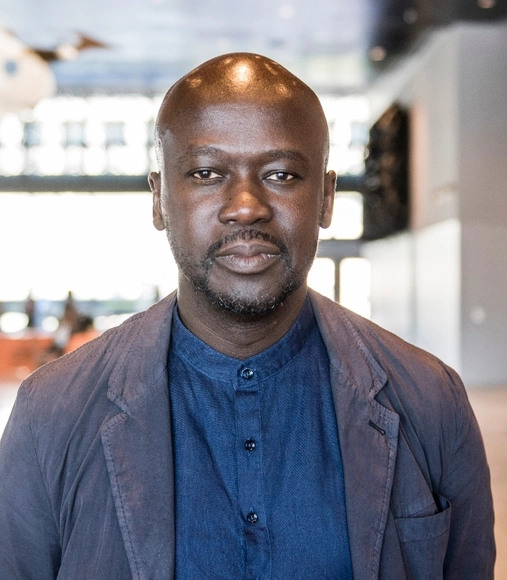
The Royal Institute of British Architects (RIBA) has just announced that Sir David Adjaye will receive the 2021 Royal Gold Medal. One of the world’s highest honors for architecture, the Royal Gold Medal is given as a recognition of a lifetime's work, “to a person or group of people who have had a significant influence either directly or indirectly on the advancement of architecture".
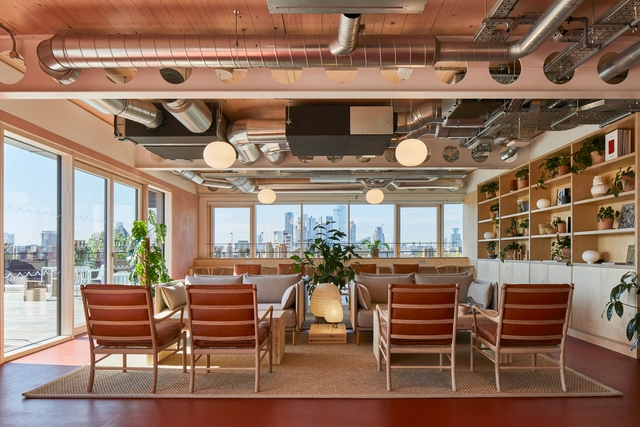
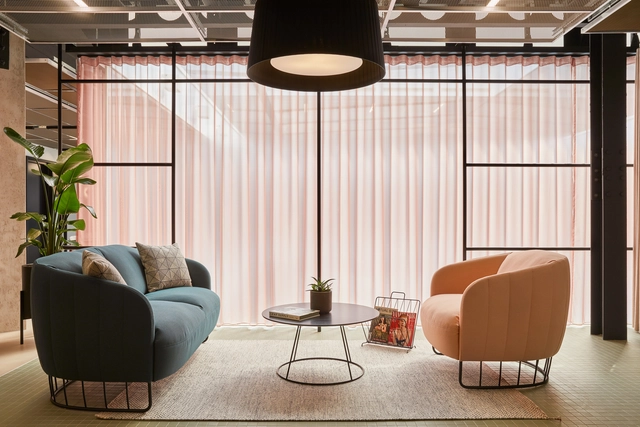
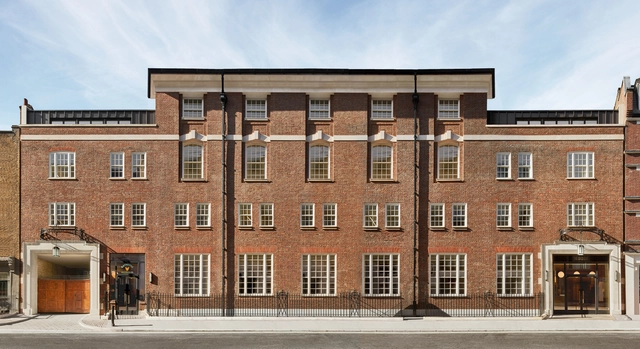

Architects around the world are constantly striving to explore new ways of using materials that are both more environmentally friendly, and can create impactful designs that demonstrate new abilities of creativity. For 2020 Pritzker Prize winners Yvonne Farrell and Shelley McNamara of Grafton Architects, these ideas are at the forefront of every project they design, but became especially meaningful when they visited their completed “carved mountain” project, University Campus UTEC, in Lima, Peru for the first time.
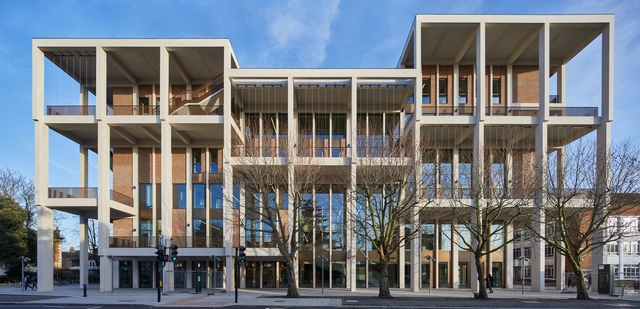
Yvonne Farrell and Shelley McNamara founded Grafton Architects in 1978, after they met each other at the School of Architecture at University College Dublin. The practice, named after the street where the duo's first office was located, has been awarded this year’s prestigious 2020 Pritzker Award. Grafton's built work reflects the continued search of architectural excellence, in buildings ranging from small scale housing to large public volumes.

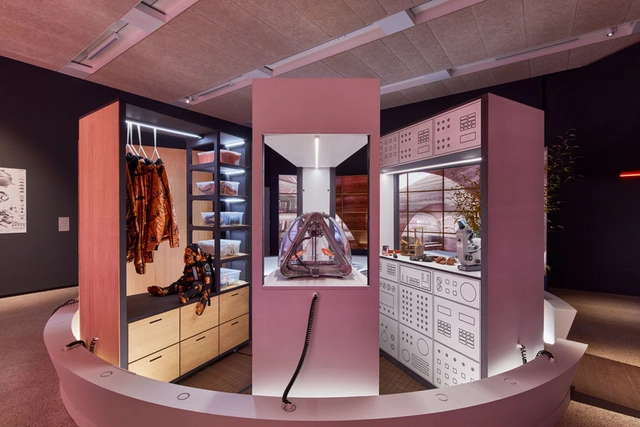
Mars has been notable for capturing humans' interest, intriguing business moguls such as Elon Musk and Jeff Bezos to go on a "billionaire space race" and settle on the planet. But does humanity have the right to colonize another planet? If so, who does this sky-high ambition serve?
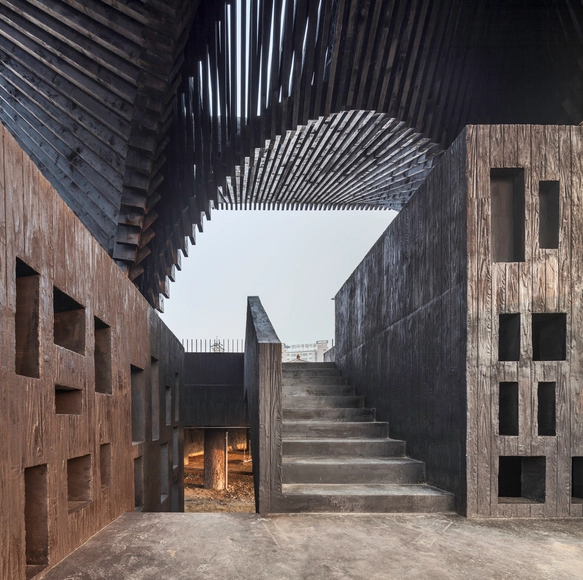

My commitment to pavilions—to the idea of making constructional follies—is connected with needing to develop prototypes and carry out constructional research away from the normal practice of architecture. Without being subject to a client’s brief, the pavilions give me an opportunity to develop and test different methodologies, which is something that has always interested me about teaching. They are investigations into various kinds of context, dealing with urban scenarios and landscapes—they are about making something in space for its own sake, when the guiding idea comes from a reading of place. The pavilions fine tune my engagement with a specific situation, allowing me to see what is essential in terms of an action or construction. I did not set out with the idea of working in series, but as different opportunities came up, the process of designing them became more organic, the language seemed to make sense, and as one thing reinforced another, they took on a life of their own.
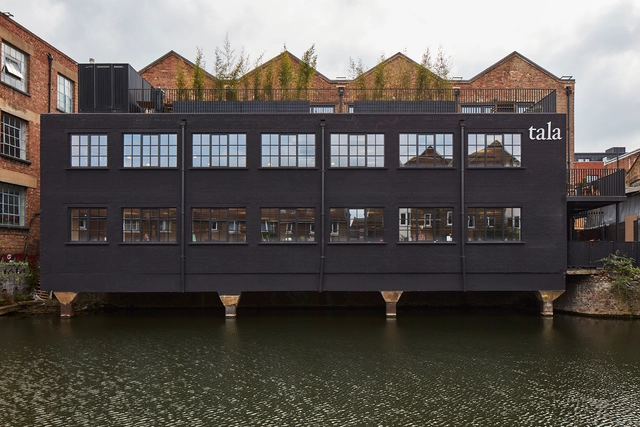
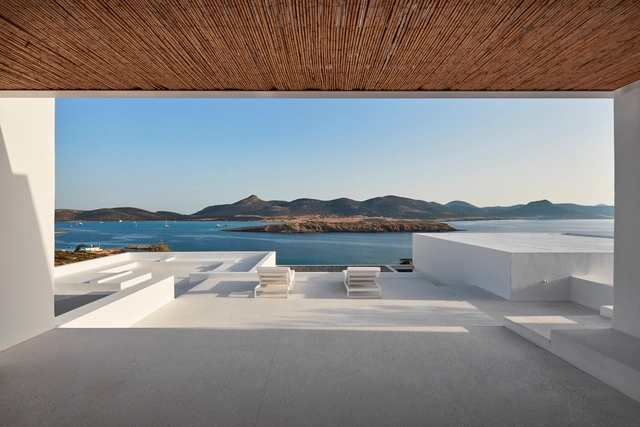
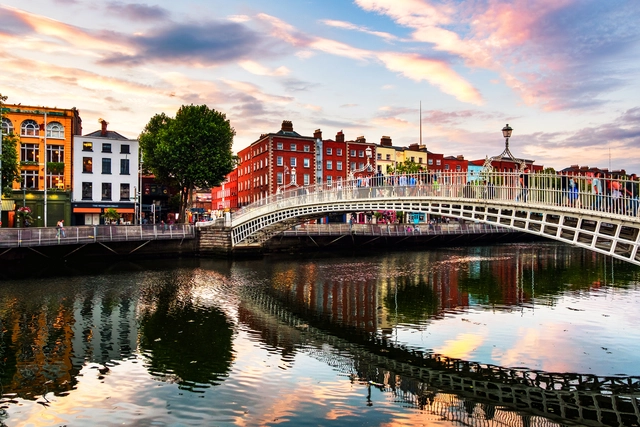
Dublin is one of the world’s most beloved cities. The Irish capital welcomes over 5.6 million tourists every year from around the world, seeking out the city’s red brick rows, cobblestone streets, and lush green parklands.
Dublin has good reason for being on any architect’s travel list. Modest Georgian tenements, sensitively altered by local architects, stand alongside major civil and public works by some of the world’s most renowned international firms, while warm art nouveau and art deco cafes sit alongside the sleek, modern headquarters of the world’s largest tech firms.

The staircase is a fundamental element for the connection of architectural spaces. But beyond its functional use, in many projects the staircase serves as a sculptural object, offering an opportunity for architects to generate creative spatial forms that animate the built space. In this installment of our Photos of the Week, we present 15 incredible staircases captured by photographers such as Patricia Parinejad, José Campos, and Brigida González.