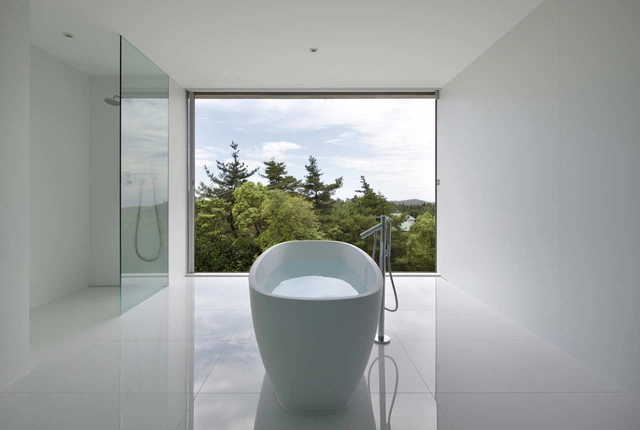
The private space is usually associated with hiding what goes on inside, allowing people to have certain moments of intimacy. Habitually, bathrooms have been designed for this purpose, reducing openings to a minimum or — sometimes — eliminating them completely.
However, being such an important space within a building, bathrooms have become an object of new exploration for architects. By blurring the limits of privacy — without losing it completely — these spaces are open to the outdoors, allowing the breeze to enter. How does this new experience feel? Check out 30 open bathrooms that play with the feeling of exhibitionism, without fully revealing what is happening inside.
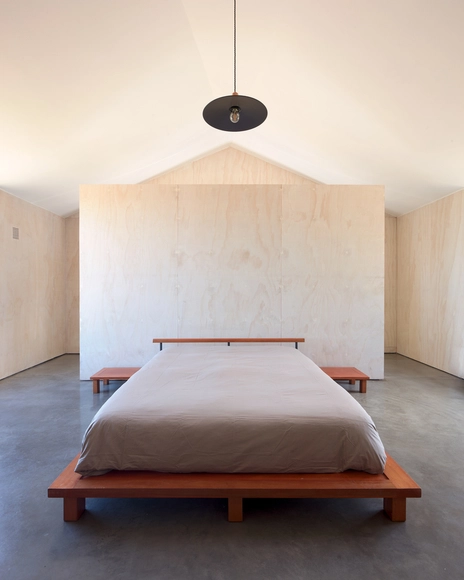
Unlike classical architecture, characterized by a series of rooms with very defined functions and spaces, the current architectural design seeks to integrate spaces to achieve high degrees of adaptability and flexibility. In this way, the boundaries of the enclosures are blurred and new solutions appear that are worth analyzing. In the case of bedrooms, bathrooms are often no longer a small and secluded adjoining room – instead, they are now integrated to form a multifunctional space that is subtly concealed. Just like Mies van der Rohe, who used to group services in strategic areas to create open floors, let's review some cases that have adopted the specific solution of the hidden bathroom just behind the bed.
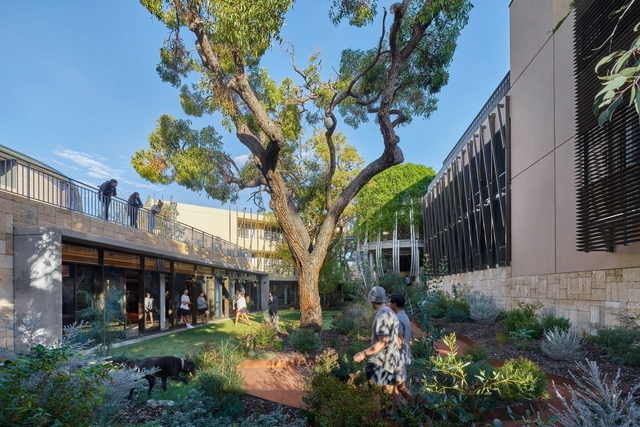
After the announcement of the selected projects in the categories of Airports, Campus, Railway Stations and Sports, followed by the announcement of the 70 Continental Winning Projects of the Prix Versailles 2021 in the categories of Shops, Shopping Centres, Hotels and Restaurants, there turned out to be a total of 94 new projects competing in the 2021 Prix Versailles World Final.
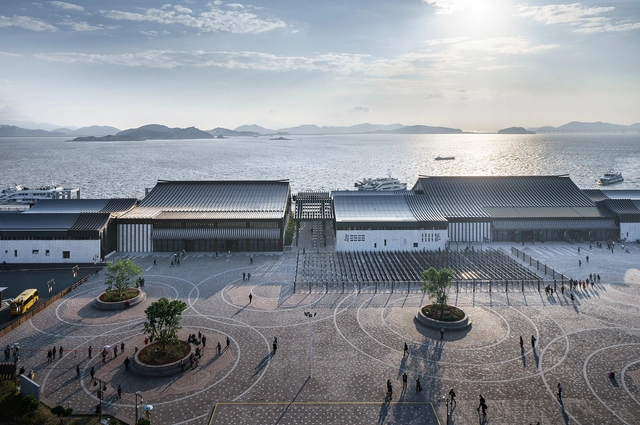
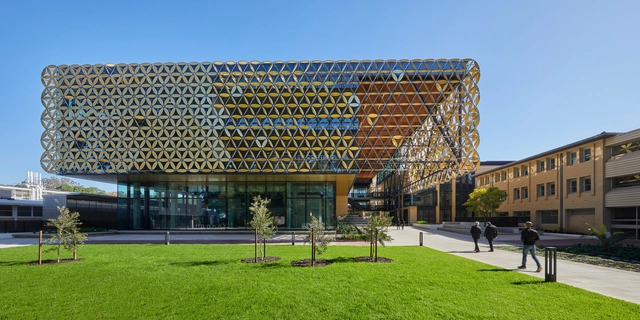
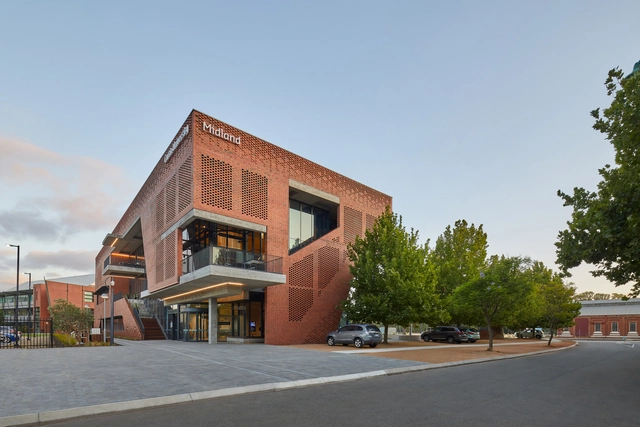
The annual Prix Versailles awards, created in 2015 to promote a better interaction between the cultural and the economic, announced the 2021 World Selections celebrating 24 projects in the categories of Airports, Campuses, Passenger Stations and Sports.
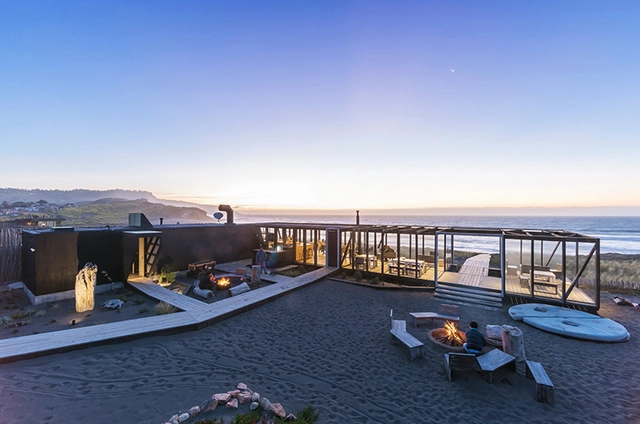
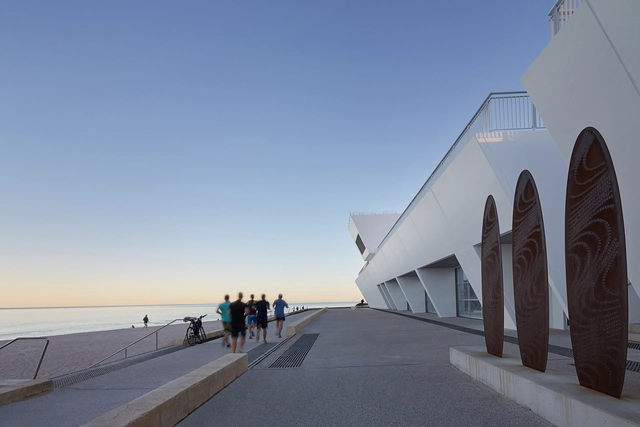
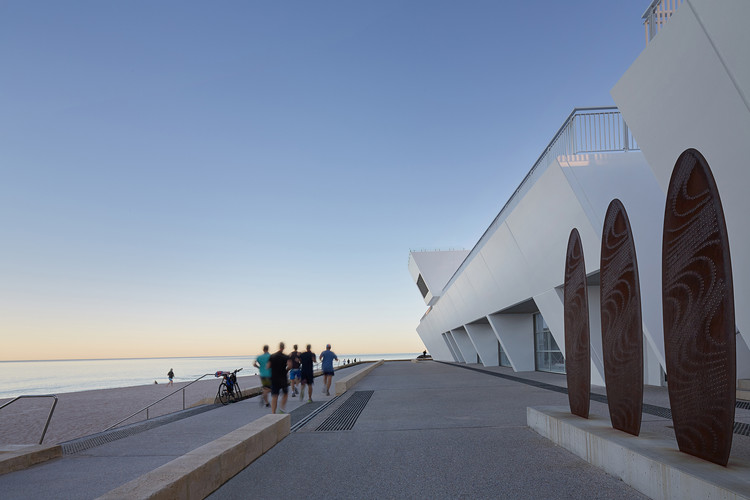
Surfing is both a sport and a way of life. As the art of he'e nalu, it mirrors design as a play between spatial experience and environment. Today, the commercial and cultural architecture of surfing has become increasingly common, designs that break away from iconic seaside homes and waterfront retreats to create new connections between the public, surfers and the ocean.
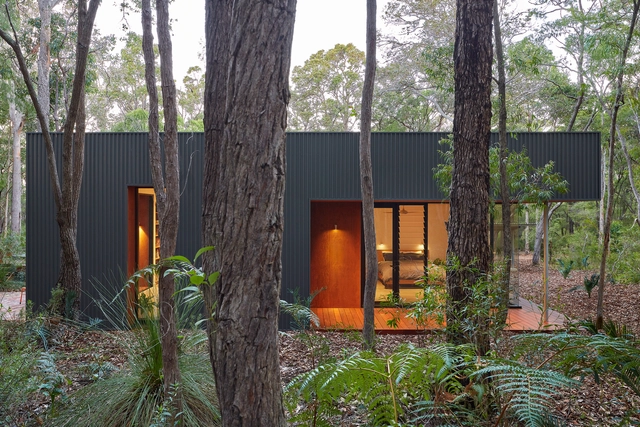
It's very likely that you are reading this text in an interior space with the lights on. For most people, modern living entails spending most of the day in closed rooms, bathed in a sum of artificial and natural lights. Yet while artificial light has afforded mankind incalculable possibilities, it has also caused some confusion in our bodies, which have evolved for thousands of years to respond to the stimuli of sunlight in the day and darkness at night. This responsiveness to natural light is called the circadian rhythm or cycle, and describes the 24-hour biological cycle of almost all living beings. Circadian rhythms are primarily influenced by light reception, but temperature and other stimuli also play a role in the process.