

-
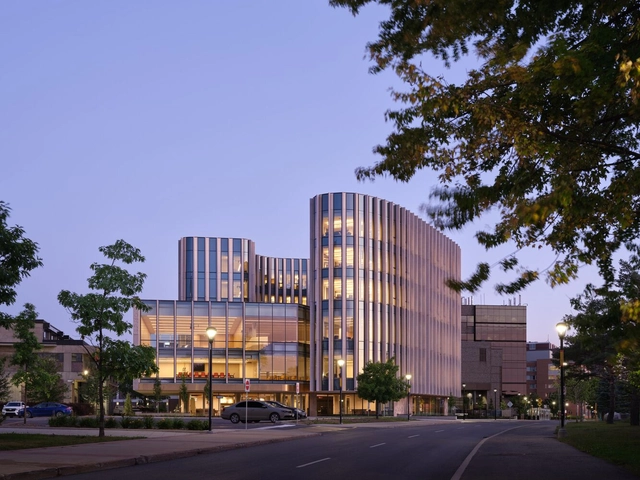
Architects: Hariri Pontarini Architects
- Area: 10684 m²
- Year: 2021



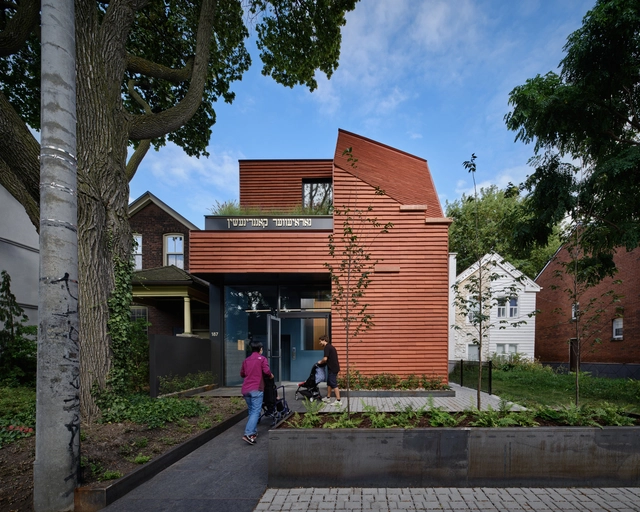
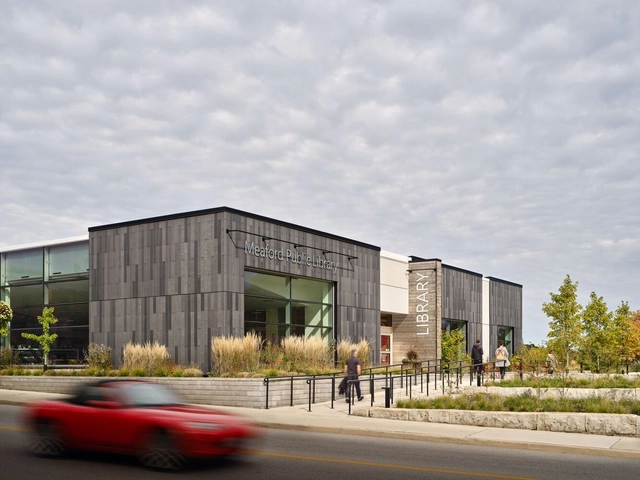
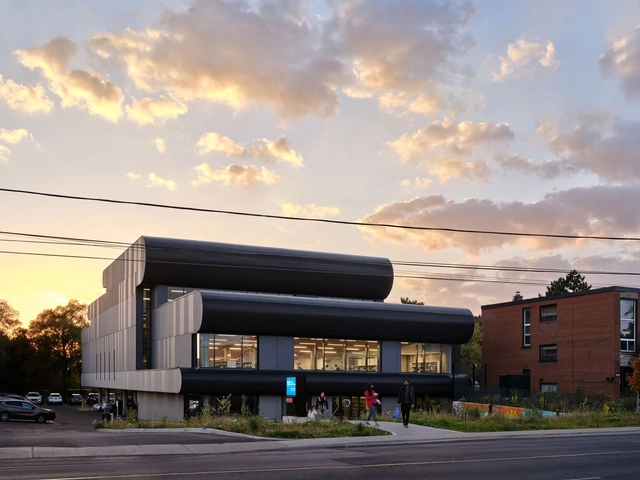

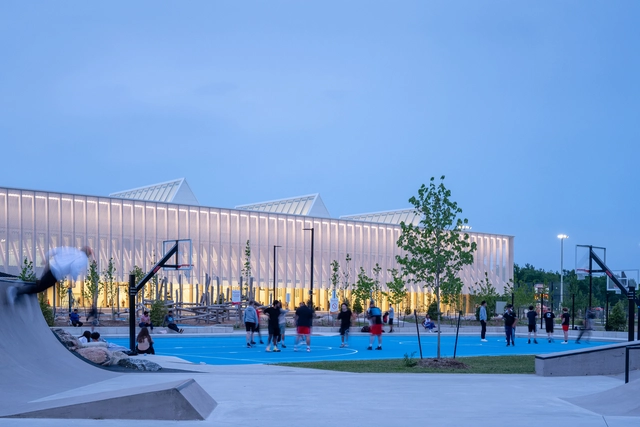
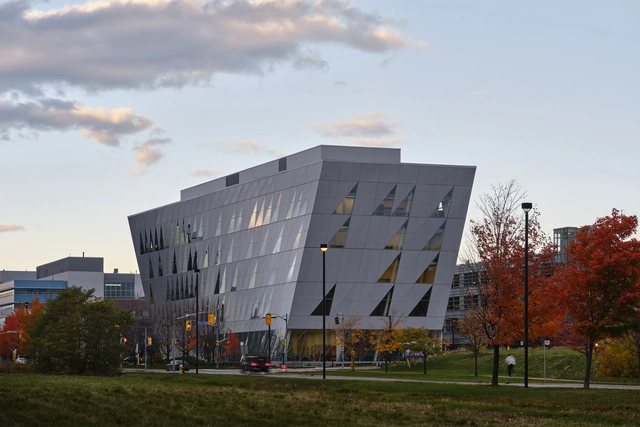
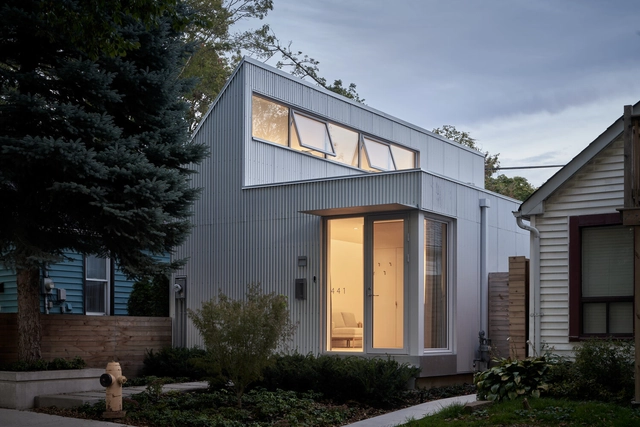
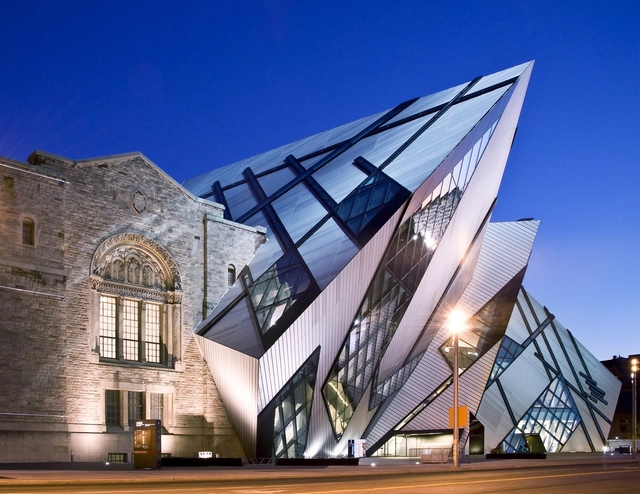
As Canada’s most populous location, Toronto has developed into a global powerhouse, both as an economic and cultural hub. This extends to the significant museums and arts facilities across Queen City. With one of the most unique landscapes and ground conditions in the country, Toronto was built on a large ravine system running throughout its urban fabric. Today, the city’s educational, arts, and cultural buildings are thriving.


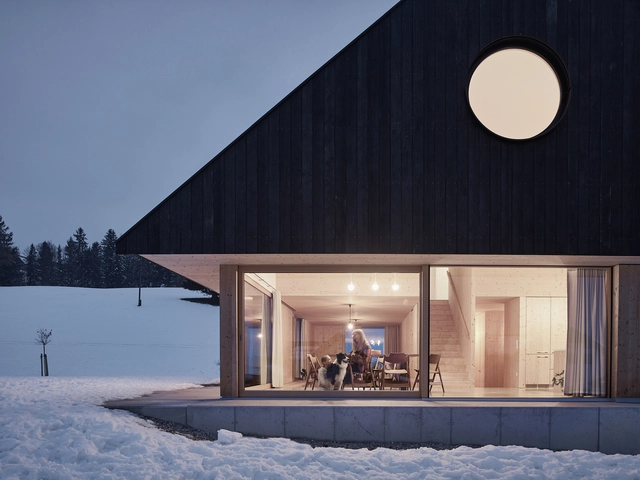
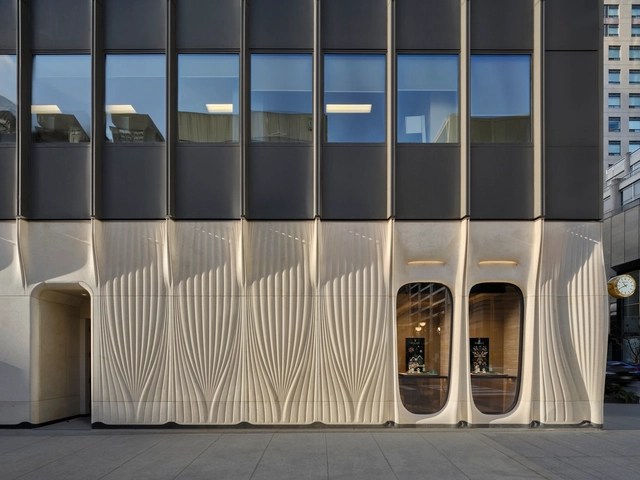
Minimalism has shaped architecture for over a century. Embracing new materials and rejecting ornament, the modernist movement grounded minimalist architecture through rational use and function. Throughout the 20th century, architects returned to minimalism as they worked with glass, steel and reinforced concrete. Over time, minimalist and modernist designs became more closely tied to cost, construction and aesthetic.
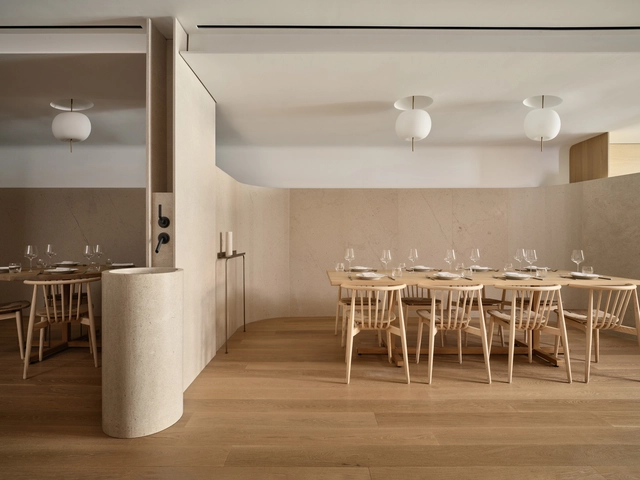
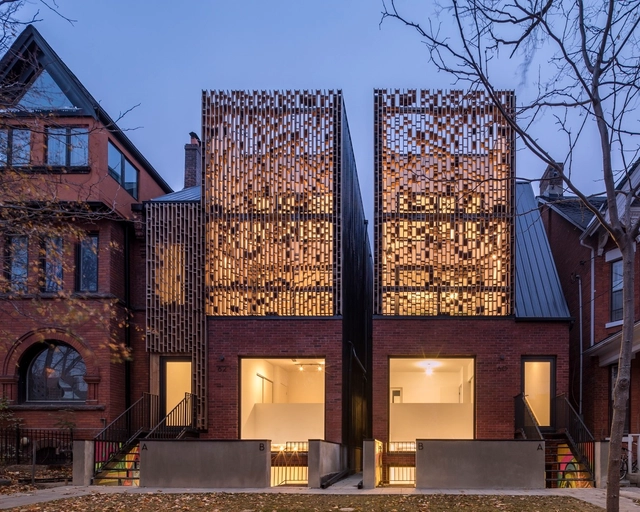
Canada’s Queen City has become renowned for its housing boom. As the most populous location in the country, Toronto is also one of the world’s hottest luxury real estate markets. An hub for arts, business, and media, the city is sited on a sloping plateau with a unique ravine system. While it boasts incredible architecture and high-end designs, Toronto risks a housing correction. Rapid increases in home prices, overvaluation, and overbuilding have all attributed to the city’s mounting situation. Amidst these unstable conditions and uncertainty, new residential projects continue to be built.
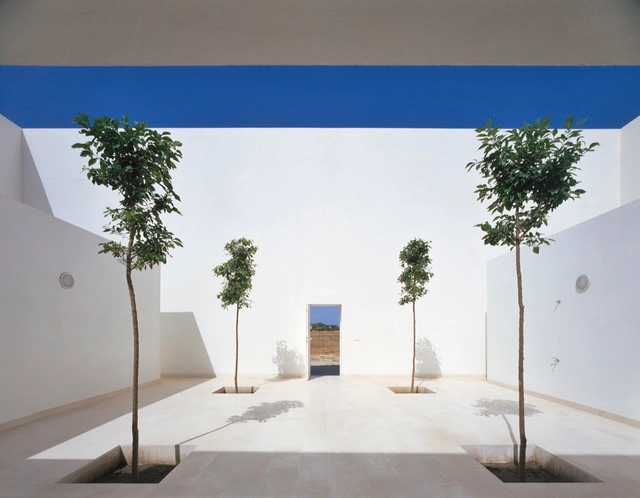
Automation is everywhere around us - our homes, furniture, offices, cars, and even our clothing; we have become so accustomed to being surrounded by automated systems that we have forgotten what life was like without them. And while automation has noticeably improved the quality of interior spaces with solutions like purified air and temperature control, nothing compares to the natural cool breeze of mother nature.
But just like everything else in architecture, there is no one size fits all; what works in Tanzania cannot work in Switzerland or Colombia. This is due to several reasons, such as the difference in wind direction, average temperature, spatial needs, and environmental restrictions (or lack thereof). In this article, we take a look at natural ventilation in all its forms, and how architects have employed this passive solution in different contexts.