In a recent interview with Louisiana Channel, acclaimed Japanese architect Shigeru Ban shared his perspectives on architecture, his journey in the field, and his dedication to socially responsible design. Known for his innovative use of materials such as paper and timber, Ban has spent much of his career creating solutions for disaster-stricken communities and displaced populations around the world.
Didier Boy de la Tour
BROWSE ALL FROM THIS PHOTOGRAPHER HERE
↓
"I Am Disappointed in Architects" Shigeru Ban on Socially Conscious Architecture in Louisiana Channel Interview


https://www.archdaily.com/1025839/i-am-disappointed-in-architects-shigeru-ban-on-socially-conscious-architecture-in-louisiana-channel-interviewNour Fakharany
Shigeru Ban Receives the 2024 Praemium Imperiale for Architecture
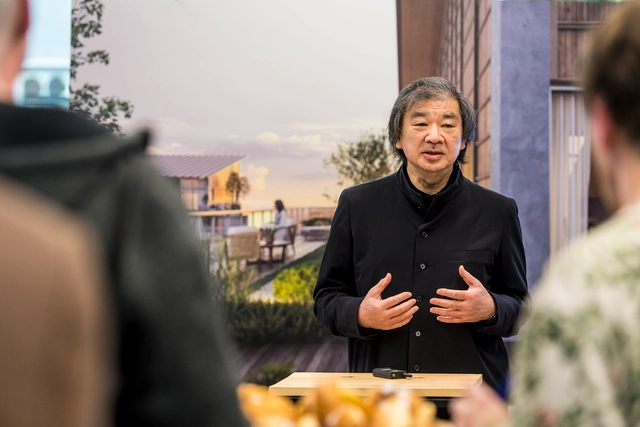
Japanese architect and humanitarian Shigeru Ban has been named the 35th Laureate of the Praemium Imperiale Award for Architecture. Established in 1988 by the Japan Art Association, the annual award seeks to recognize exceptional achievements in Painting, Sculpture, Architecture, Music, and Theatre/Film. Shigeru Ban's contributions to architecture have been significant, not only for the distinctive design aesthetics but also for the innovative use of materials, particularly in the context of emergency interventions and humanitarian work.


https://www.archdaily.com/1021051/shigeru-ban-receives-the-2024-praemium-imperiale-for-architectureMaria-Cristina Florian
From Paper Tube Shelters to Timber Innovations: Shigeru Ban's Complete Works Explored by Philip Jodidio for Taschen
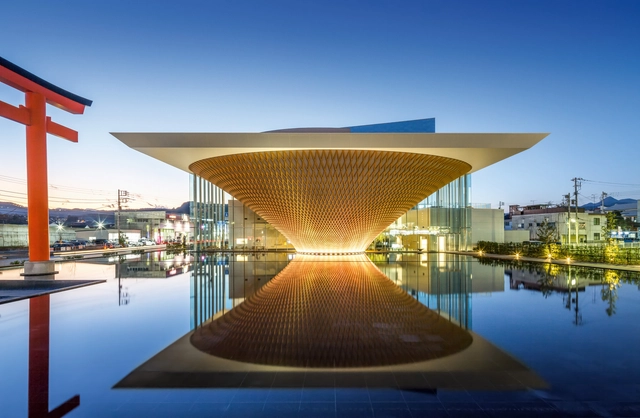
Japanese architect Shigeru Ban stands out in the architectural world for his commitment to socially responsible design, his eagerness to respond to disaster-related emergencies, and his creativity in adapting solutions to local conditions. He pioneered the use of materials such as paper and cardboard, employing them to create high-quality low-cost shelters and even community amenities such as churches, containers for creating a Nomadic Museum, and mass timber to push the possibilities of responsible design. The works of the Pritzker Prize laureate are now explored in the latest monography by Taschen, “Shigeru Ban. Complete Works 1985–Today” led by author Philip Jodidio. The multilingual edition features texts in English, French, and German, and will become available on June 14, 2024.


https://www.archdaily.com/1017271/from-paper-tube-shelters-to-timber-innovations-shigeru-bans-complete-works-explored-by-philip-jodidio-for-taschenMaria-Cristina Florian
Rosa Parks College / BPA ARCHITECTURE


-
Architects: BPA ARCHITECTURE
- Area: 5208 m²
- Year: 2016
-
Manufacturers: AutoDesk
-
Professionals: GCIS, Bernard Poissonnier, SEIRI
https://www.archdaily.com/999209/rosa-parks-college-bpa-architectureThuto Vilakazi
2022 International Architecture Awards Winners Announced
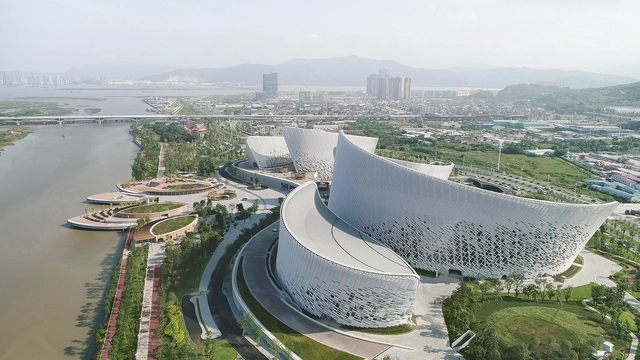
The Chicago Athenaeum: Museum of Architecture and Design and The European Centre for Architecture Art Design and Urban Studies have announced the over 150 winners of the International Architecture Awards. This event takes place every year to recognize the most significant and inspirational buildings and urban planning projects around the world. Founded in 2005 by The Chicago Athenaeum and The European Centre, the awards aim to set a global standard for architectural achievement worldwide.
This year’s winning projects focus on inclusive design, sustainable solutions, and finding a sensible response to the surroundings and local cultures. Restorations, renovations, and adaptive reuse solutions are also well represented among this year’s winners. projects range from significant cultural destinations such as Fuzhou Strait Culture and Art Centre China to new city infrastructure such as the Eleftheria Square in Nicosia, Cyprus; a UNESCO cultural building in Greenland to a Modularized COVID-19 Epidemic Prevention Hospital in Shanghai.


https://www.archdaily.com/988205/2022-international-architecture-awards-winners-announcedMaria-Cristina Florian
Building Knowledge: New French Libraries Designed for Cultural Exchange
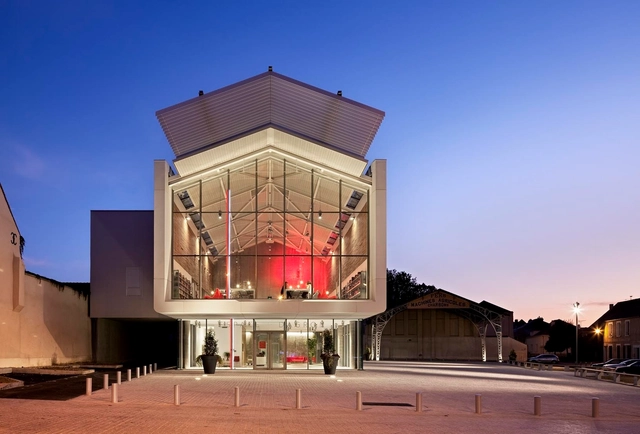
Designers have created civic institutions, governmental centers, public plazas, and many other spaces as testaments to individual and shared values. As spaces for gathering and exchange are necessary elements to urban life, architecture can also act as a vehicle to encourage understanding. Advocating knowledge while empowering the public, libraries celebrate ideas, curiosity and empathy.


https://www.archdaily.com/954863/building-knowledge-new-french-libraries-designed-for-cultural-exchangeEric Baldwin
The Humanitarian Works of Shigeru Ban

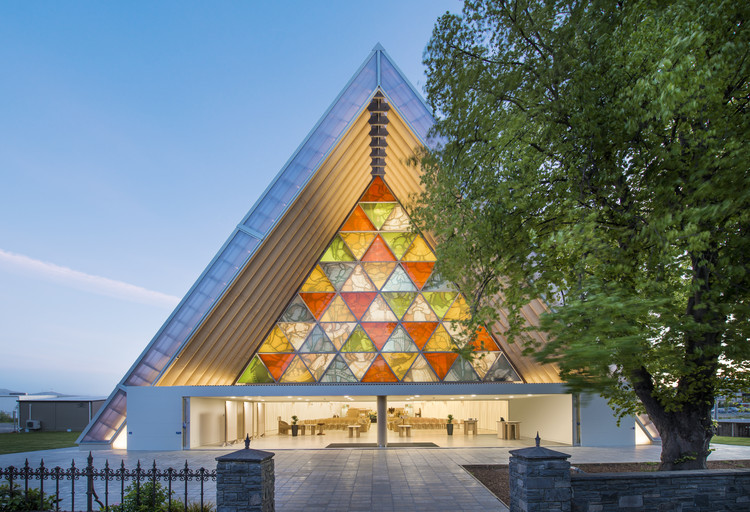
2014 Pritzker Laureate Shigeru Ban may be as well known for his innovative use of materials as for his compassionate approach to design. For a little over three decades, Ban, the founder of the Voluntary Architects Network, has applied his extensive knowledge of recyclable materials, particularly paper and cardboard, to constructing high-quality, low-cost shelters for victims of disaster across the world —from Rwanda to Haiti, to Turkey, Japan, and more. We've rounded up 10 projects of his humanitarian work, explained by Shigeru Ban Architects themselves.


https://www.archdaily.com/489255/the-humanitarian-works-of-shigeru-banArchDaily Team
Centre Pompidou-Metz / Shigeru Ban Architects
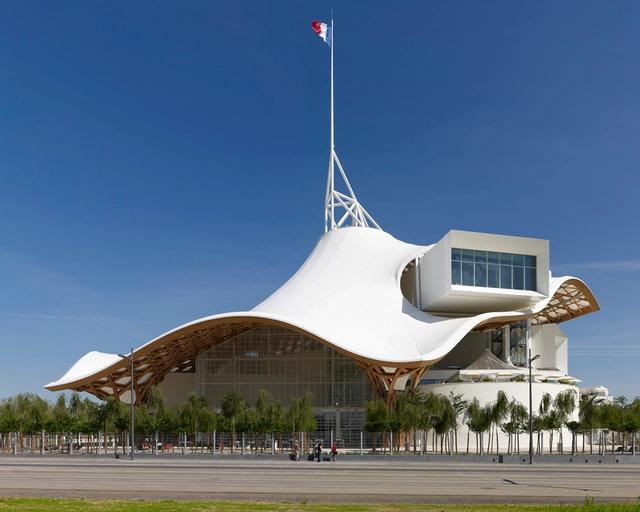


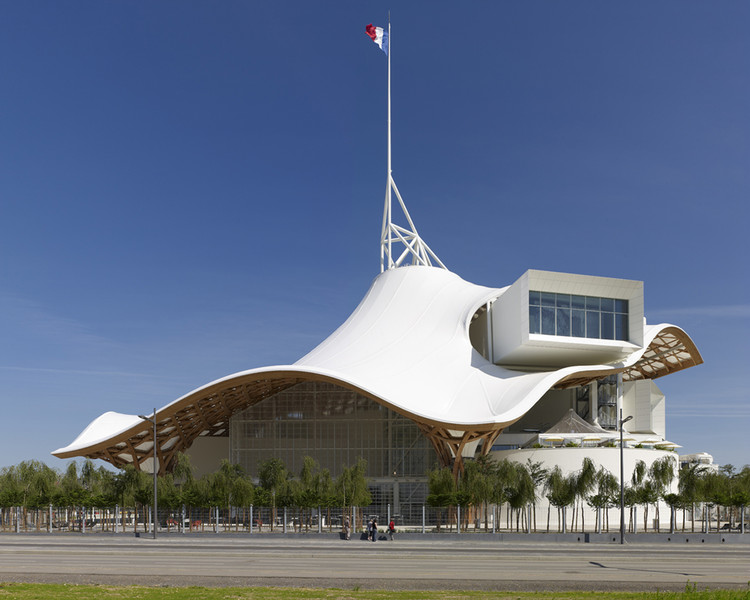
-
Architects: Shigeru Ban Architects
- Area: 11330 m²
- Year: 2010
-
Manufacturers: Alucobond
-
Professionals: Cabinet Casso & Cie, Commins Acoustics workshop, Demathieu & Bard, Metz, L’Observatoire 1, +4
https://www.archdaily.com/490141/centre-pompidou-metz-shigeru-ban-architectsCristian Aguilar
Bayeux Media Library / Serero Architectes Urbanistes
_Didier_Boy_de_la_Tour_(7).jpg?1576378440&format=webp&width=640&height=580)
_Didier_Boy_de_la_Tour_(8).jpg?1576378717&format=webp&width=230&height=230&crop=true)
_Didier_Boy_de_la_Tour_(5).jpg?1576377616&format=webp&width=230&height=230&crop=true)
_Didier_Boy_de_la_Tour_(16).jpg?1576380414&format=webp&width=230&height=230&crop=true)
_Didier_Boy_de_la_Tour_(4).jpg?1576377064&format=webp&width=230&height=230&crop=true)
_Didier_Boy_de_la_Tour_(7).jpg?1576378440)
-
Architects: Serero Architectes Urbanistes
- Area: 2550 m²
- Year: 2019
https://www.archdaily.com/930258/bayeux-media-library-serero-architectes-urbanistesAndreas Luco
Swatch and Omega Campus / Shigeru Ban Architects


-
Architects: Shigeru Ban Architects
- Area: 25000 m²
- Year: 2019
-
Manufacturers: Blumer Lehmann, Bruag, Fabromont AG, Kiefer
-
Professionals: LEICHT France SAS
https://www.archdaily.com/926166/swatch-and-omega-campus-shigeru-ban-architectsPaula Pintos
Spotlight: Shigeru Ban
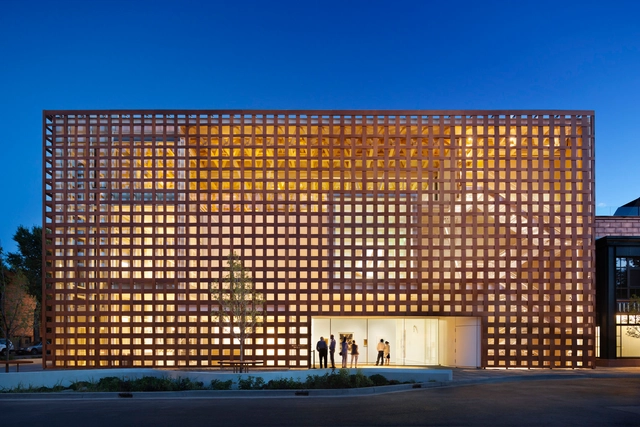
Shigeru Ban (born August 5th 1957) is a Japanese architect who won the 2014 Pritzker Prize for his significant contributions in architectural innovation and philanthropy. His ability to re-apply conventional knowledge in differing contexts has resulted in a breadth of work that is characterized by structural sophistication and unconventional techniques and materials. Ban has used these innovations not only to create beautiful architecture but as a tool to help those in need, by creating fast, economical, and sustainable housing solutions for the homeless and the displaced. As the Pritzker jury cites: “Shigeru Ban is a tireless architect whose work exudes optimism.”


https://www.archdaily.com/792108/spotlight-shigeru-banJan Doroteo
Water Park Aqualagon / Jacques Ferrier Architecture


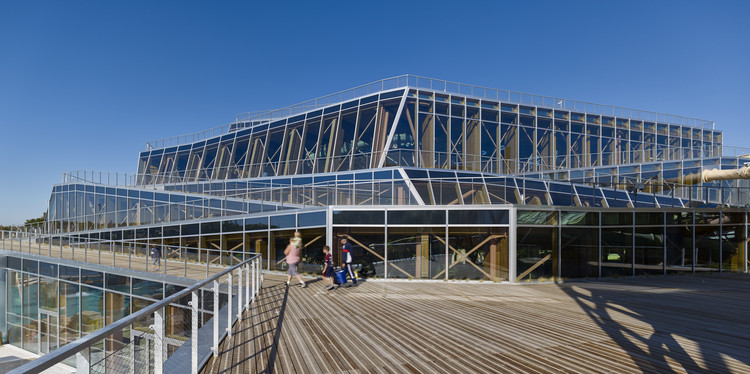
-
Architects: Jacques Ferrier Architecture
- Area: 8000 m²
- Year: 2017
-
Manufacturers: Vetrodomus
-
Professionals: Transsolar, Inex Fluids, Artella Economist, Peutz Acoustics, Atelier Audibert Lightening
https://www.archdaily.com/896522/water-park-aqualagon-jacques-ferrier-architecturePilar Caballero
Top Global Destinations On The Rise According to TripAdvisor

TripAdvisor announced the World’s Top Destinations “on the rise” according to the 2018 Travelers’ Choice awards. According to TripAdvisor, the winning cities are based on millions of comments posted on the site each year. They also look for cities with an increase in search traffic and user interest to make reservations.
This years list includes ten cities. Keep reading to find out which ten cities were chosen by TripAdvisor world travelers:
https://www.archdaily.com/888118/top-global-destinations-on-the-rise-according-to-tripadvisorLindsey Leardi
Lorient Multimodal Hub / AREP


-
Architects: AREP
- Year: 2017
-
Manufacturers: Ductal®, A.C.M.L., Mathis et Baudin Châteauneuf, S.R.B.
-
Professionals: SNCF Gares & Connexions, AREP
https://www.archdaily.com/885806/lorient-multimodal-hub-arepRayen Sagredo
University of Pau and Pays de l’Adour / Architecture Patrick Mauger
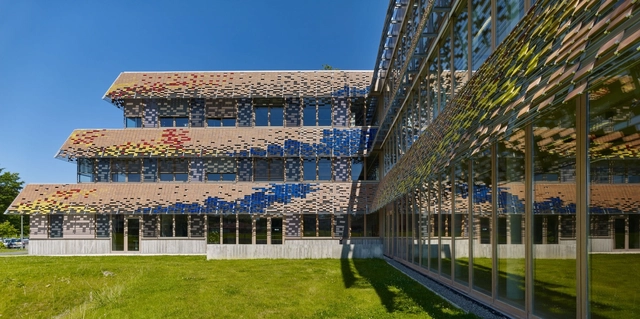


-
Architects: Architecture Patrick Mauger
- Area: 3600 m²
- Year: 2015
-
Manufacturers: Aquisols
https://www.archdaily.com/797931/university-of-pau-and-pays-de-ladour-architecture-patrick-maugerDaniela Cardenas
Secrétan Covered Market / Architecture Patrick Mauger
.jpg?1472177279&format=webp&width=640&height=580)
.jpg?1472177169&format=webp&width=230&height=230&crop=true)
.jpg?1472177100&format=webp&width=230&height=230&crop=true)
.jpg?1472177324&format=webp&width=230&height=230&crop=true)
.jpg?1472177279&format=webp&width=230&height=230&crop=true)
.jpg?1472177279)
-
Architects: Architecture Patrick Mauger
- Area: 4228 m²
- Year: 2015
-
Manufacturers: ETHA, Gérard Ledreux, Joseph Ingénierie
-
Professionals: Bouygues Construction
https://www.archdaily.com/794084/secretan-covered-market-architecture-patrick-maugerFlorencia Mena
Casa-Port Railway Station / AREP + Groupe3 Architectes
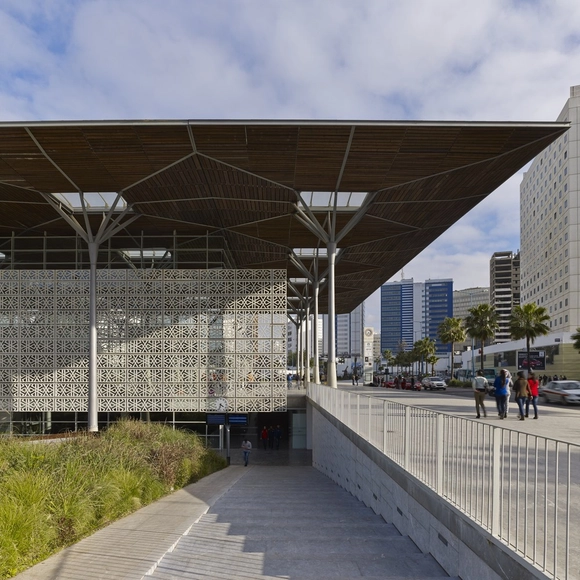


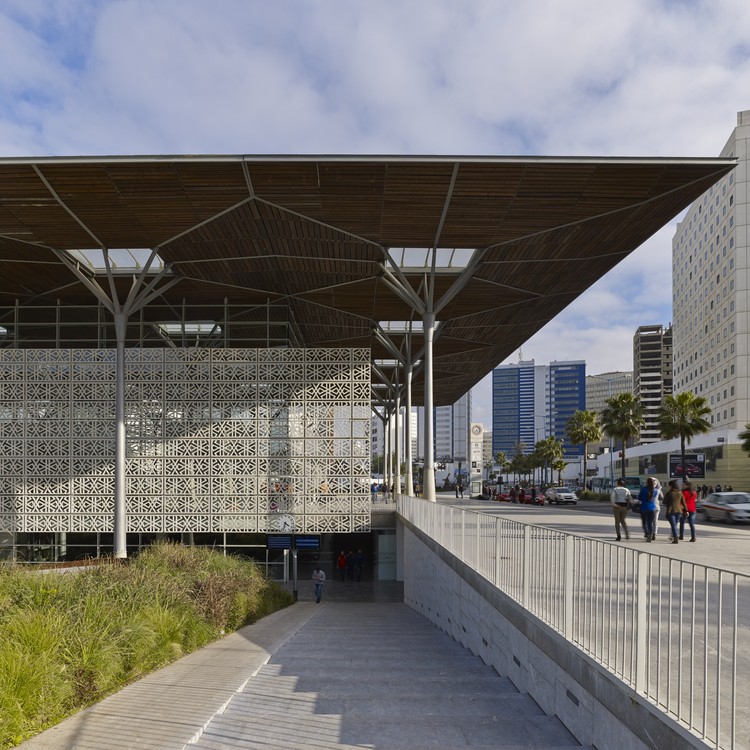
-
Architects: AREP, Groupe3 Architectes
- Area: 2500 m²
-
Manufacturers: Ductal®
-
Professionals: Atelier Bertrand Houin, MAP3 -Emmanuel Livadiotti
https://www.archdaily.com/769001/casa-port-railway-station-arepDaniel Sánchez
Material Masters: Shigeru Ban's Work With Wood
To celebrate the first anniversary of our US Materials Catalog, this week ArchDaily is presenting a three-part series on "Material Masters," showing how certain materials have helped to inspire some of the world's greatest architects.
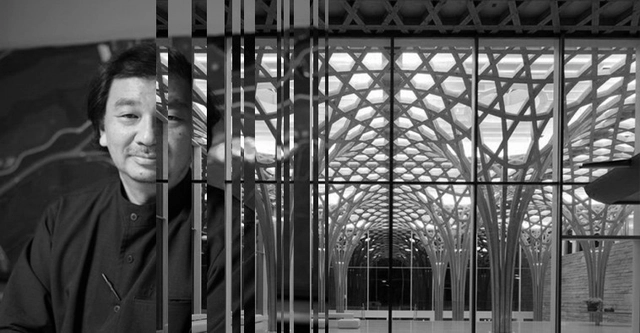
Shigeru Ban’s portfolio is a strange dichotomy, split between shelters for natural disaster refugees and museums commissioned by wealthy patrons of the arts. Even stranger is the fact that, in both cases, Ban’s material palette frequently incorporates recycled cardboard, paper, and old beer crates. The Pritzker prize laureate is unique in this regard, and so great is his predilection for recycled paper tubes (originally formwork for concrete columns), that he has become known as the “Paper Architect.” His work receives media attention worldwide for the unorthodoxy of its construction materials. Yet Shigeru Ban is not concerned with unorthodoxy, but with economy. It is for this reason that, when paper tubes are deemed unsuitable, Shigeru Ban constructs his buildings in wood. Inspired by the architectural tradition of his native Japan, Ban is not only the "Paper Architect," but also one of the most famous architects working in wood today.

https://www.archdaily.com/573818/material-masters-shigeru-ban-s-work-with-woodConnor Walker