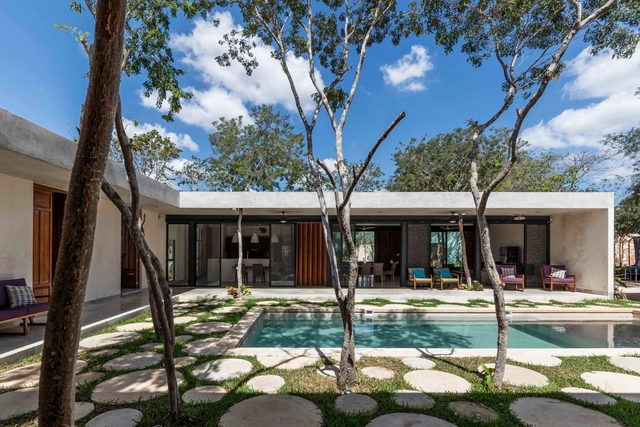
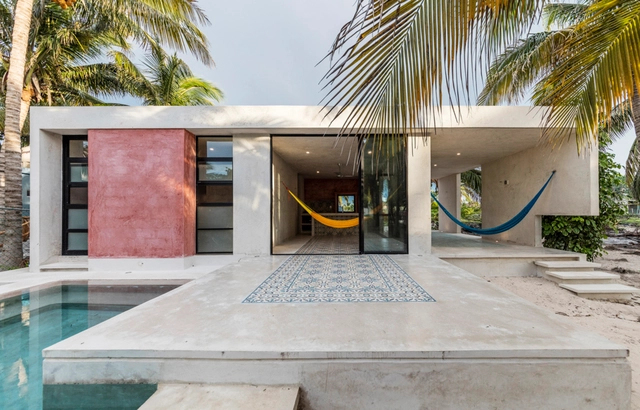
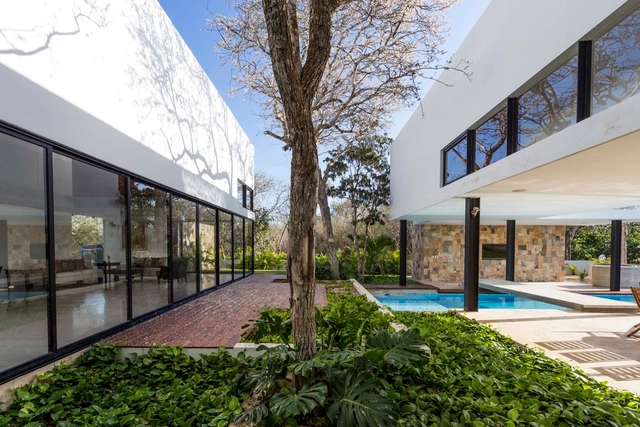
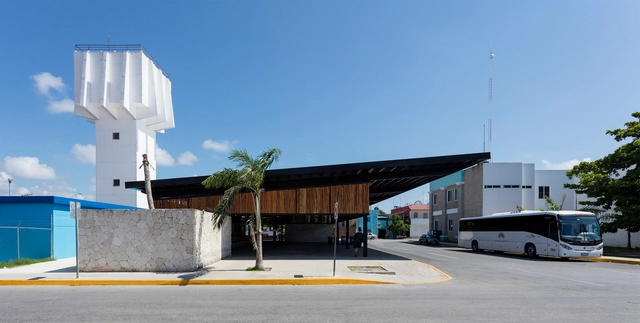
There are several reasons why Quintana Roo —a state located in the southeastern region of Mexico— has an important cultural wealth. One of them is because of world-class tourism which has led it to have one of the eight international airports in Mexico in addition to being praised by the World Tourism Organization.
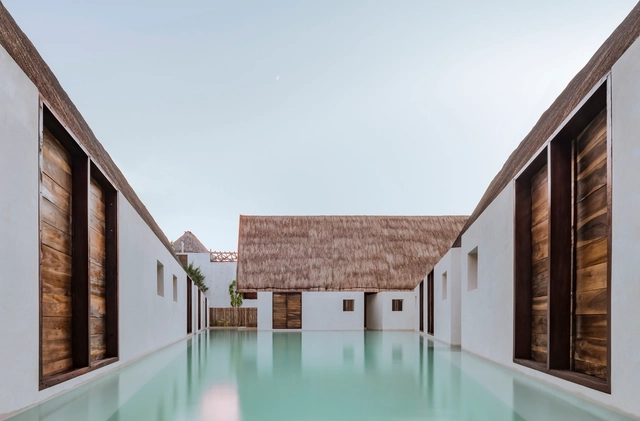
In Yucatan, architects are reviving an ancient Mayan stucco technique for contemporary buildings, merging modern architecture with regional history and culture. The technique is called “chukum,” a term derived from the colloquial name for the Havardia albicans tree native to Mexico. Made with chukum tree bark, the material has several defining qualities that separate it from traditional stucco, including impermeable properties and a natural earthy color. Though chukum initially fell out of use following Spanish conquest of the Maya civilization, it was rediscovered and reemployed by Salvador Reyes Rios of the architecture firm Reyes Rios + Larrain Arquitectos in the late 1990’s, initiating a resurgence of use in the area.
https://www.archdaily.com/946291/the-rustic-beauty-of-the-chukum-in-modern-mexican-architectureLilly Cao
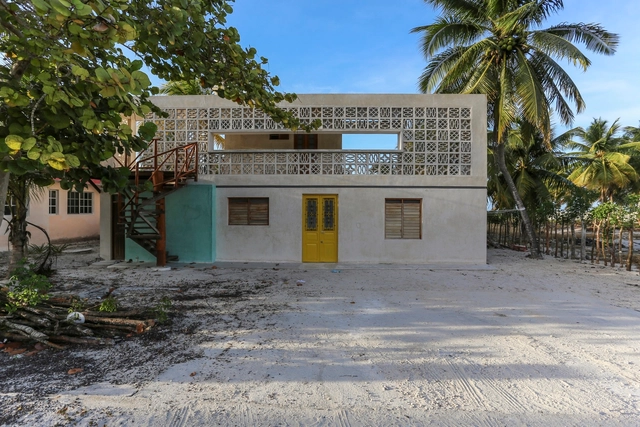
In densely-populated cities, where construction projects tend to require party walls,the close proximity of other buildings complicate even further the process of creating spaces that incorporate elements like natural light and cross-ventilation. But this of course is not the only challenge: the ever-changing and multiplying nature of cities has given rise to atypical lots--properties that have been created by subdividing large swathes of urban land. In general, the reduced dimensions force developers to look for ways to maximize the limited space available to them.
The city of Merida –capital of the Yucatan state in Mexico– is a region that has experienced a rise in architectural development in recent years due to the emerging talent that has made a name for itself with national awards and biennial proposals throughout the country. Due to Merida's tropical climate, the architecture on this site corresponds to specific geographical conditions that make it one of the most visited destinations in the world.
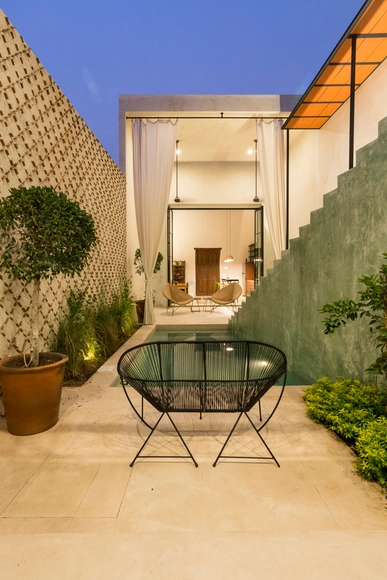
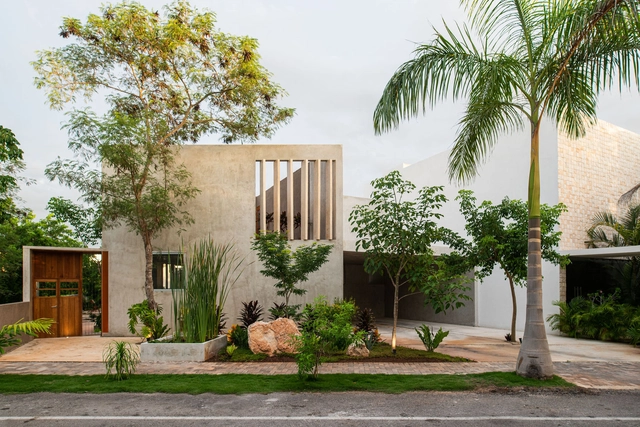
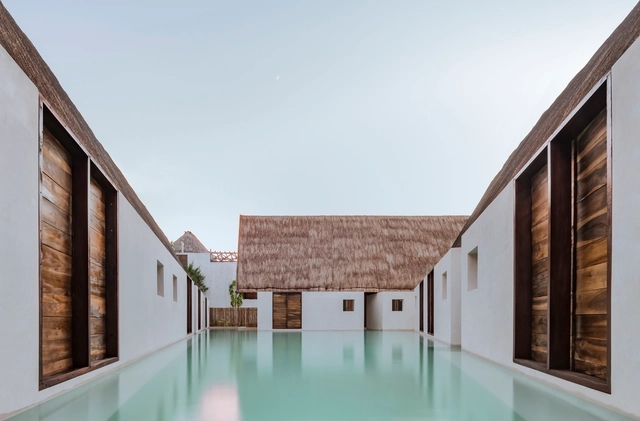
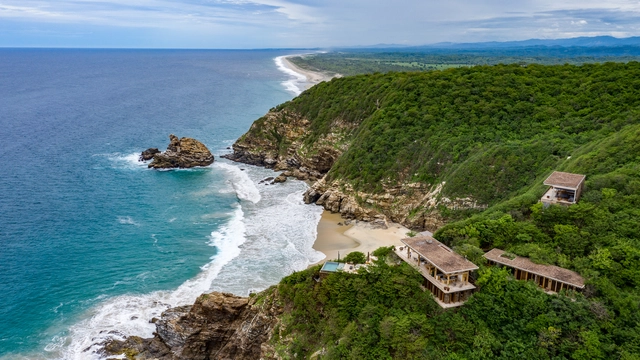
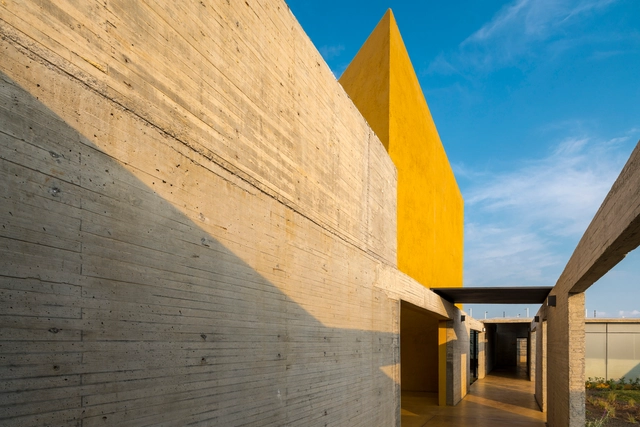
One of the most important factors in design is the site's specific climate. This can pose a challenge in extreme weather, where insulating materials are required to adapt to changing conditions. However, in the case of Mexico and its privileged climate, this factor works to the architects' advantage, allowing them to create microclimates and spaces that blur the transition between indoors and outdoors.
One of the most important factors when designing is the specific climate of the site, this can represent a difficulty when dealing with extreme climates and it is necessary to use insulating materials that adapt to changing conditions. However, when talking about Mexico and its privileged climate, this becomes an advantage for architects, allowing the creation of microclimates and spaces that fade into the transition of what is the inside and the outside.
CEMEX has announced the Mexican winners of the 2018 CEMEX Building Award across its various categories, including Affordable Housing, Residential Housing, Building, Collective Space, and Infrastructure. This year's winners include projects from across Mexico, with each entry evaluated on comprehensive sustainability, architectural solution, structural solution, and construction process. Read on to discover the winning projects of this edition.
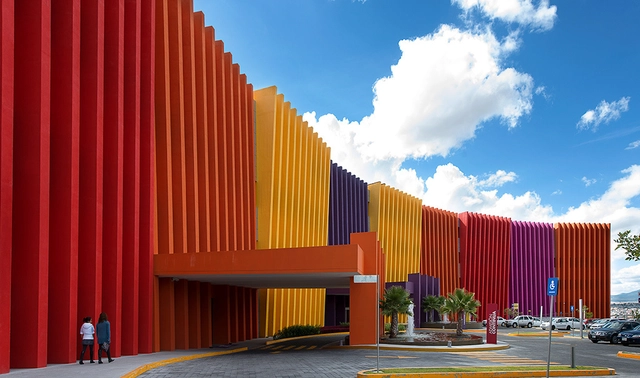
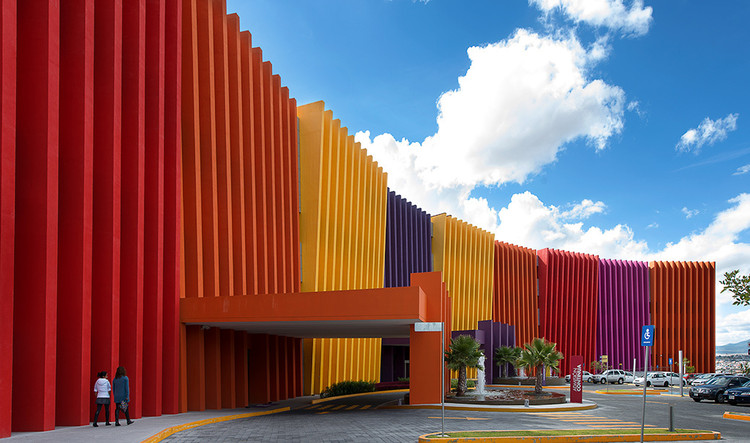
Color, inherited from indigenous cultures of Mexico, is a defining characteristic of Mexican architecture. Vibrant colors have been used by architects and artists such as Luis Barragán, Ricardo Legorreta, Mathias Goeritz, Juan O'Gorman, and Mario Pani.
Color in Mexican architecture has reinforced the identity of different regions and areas within the country. For example, it is almost impossible to think of San Miguel de Allende or Guanajuato without the facade colors that weave the landscape.
The Federation of Associations of Architects of the Mexican Republic, A.C., invited all Mexican architects to participate in the XIV National and International Biennial of Mexican Architecture 2018. This event aimed to identify the country's best architectural works, as well as publications, research projects, and theses, while recognizing their authors and disseminating the most relevant works. Through analysis and criticism, the goal was to foster reflection on responsible contemporary architecture and sustainable solutions. A single Gold Medal was awarded in this biennial, and the projects were classified into 23 categories, which featured various Honorable Mentions and Silver Medals. Read on to discover the winners.


.jpg?1635893302&format=webp&width=230&height=230&crop=true)











.jpg?1550874992&format=webp&width=640&height=580)
.jpg?1550875714&format=webp&width=230&height=230&crop=true)
.jpg?1550875215&format=webp&width=230&height=230&crop=true)
.jpg?1550875692&format=webp&width=230&height=230&crop=true)
.jpg?1550875243&format=webp&width=230&height=230&crop=true)
.jpg?1550874992)








.jpg?1526623735&format=webp&width=640&height=580)
.jpg?1526622950&format=webp&width=230&height=230&crop=true)
.jpg?1526623325&format=webp&width=230&height=230&crop=true)
.jpg?1526623776&format=webp&width=230&height=230&crop=true)
.jpg?1526623121&format=webp&width=230&height=230&crop=true)
.jpg?1526623735)


.jpg?1476386023&format=webp&width=640&height=580)
.jpg?1476384833&format=webp&width=230&height=230&crop=true)
.jpg?1476385471&format=webp&width=230&height=230&crop=true)
.jpg?1476383653&format=webp&width=230&height=230&crop=true)
.jpg?1476384337&format=webp&width=230&height=230&crop=true)
.jpg?1476386023)