Carsten Schael

BROWSE ALL FROM THIS PHOTOGRAPHER HERE

Farewell to Masters: Remembering the Architects We Lost in 2025

Every year brings new ideas, projects, and shifts in architectural culture, but it also marks the loss of voices that have shaped the discipline across decades. Architecture moves forward, but it also advances through absence. When figures who helped articulate its language and its ambitions disappear, they leave behind more than completed works or influential texts. Their absence becomes a threshold, a moment in which the discipline pauses to understand what remains, what evolves, and what continues to guide us. These moments of loss remind us that architecture is a long, collective construction, carried not only by those shaping the present but also by those whose visions continue to orient how we think about cities and landscapes.

The architects and thinkers we lost in 2025 came from remarkably different worlds, yet the questions that shaped their work often intersected. Some approached the city through identity, symbolism, and historical continuity, seeking to ground the built environment in cultural memory. Others interpreted it through engineering precision, ecological systems, or radical experimentation, expanding what architecture could be and how it could be experienced. Their work spans contexts as diverse as postwar Britain, rapidly urbanizing China, Central European avant-gardes, and the evolving cultural institutions of Berlin and New York. Together, they form a spectrum of responses that defined, and continue to define, architectural culture over the last half-century, revealing the multiplicity of ways in which architecture can engage with society, technology, and the environment.

Farewell to Masters: Remembering the Architects We Lost in 2025 - More Images+ 33

British Post-Modernist Architect Terry Farrell Passes Away at 87

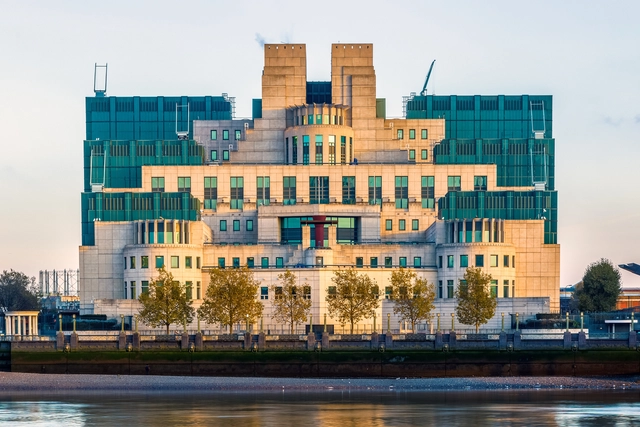
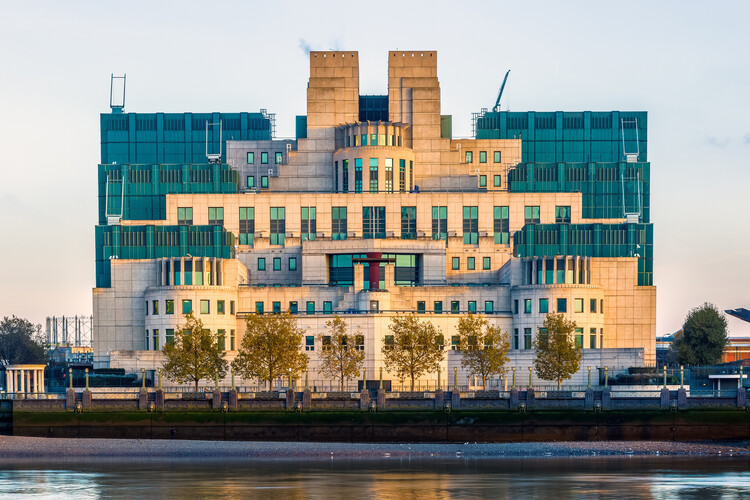
Farrells, the London-based architecture and urban design practice, announced earlier today the death of its founder, architect Sir Terry Farrell. The firm highlighted Farrell's commitment to questioning architectural convention and his advocacy for more responsible, contextual, and community-driven approaches to urban development, seeking creative alternatives to wholesale demolition and rebuild. His death follows that of his early collaborator Nicholas Grimshaw, with whom he founded the Farrell/Grimshaw Partnership in 1965. Together they produced functionalist, modern buildings defined by their structural clarity, before Farrell established his independent voice as one of the leading figures of British Post-Modernism, designing some of the movement's most recognisable works, including London's MI6 Building and the TV-am studios in Camden.

British Post-Modernist Architect Terry Farrell Passes Away at 87 - Image 1 of 4British Post-Modernist Architect Terry Farrell Passes Away at 87 - Image 2 of 4British Post-Modernist Architect Terry Farrell Passes Away at 87 - Image 3 of 4British Post-Modernist Architect Terry Farrell Passes Away at 87 - Image 4 of 4British Post-Modernist Architect Terry Farrell Passes Away at 87 - More Images

The 25 Tallest Buildings in the World

Subscriber Access | 

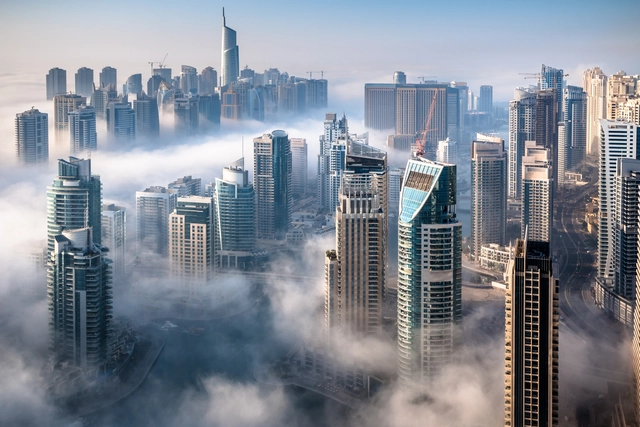
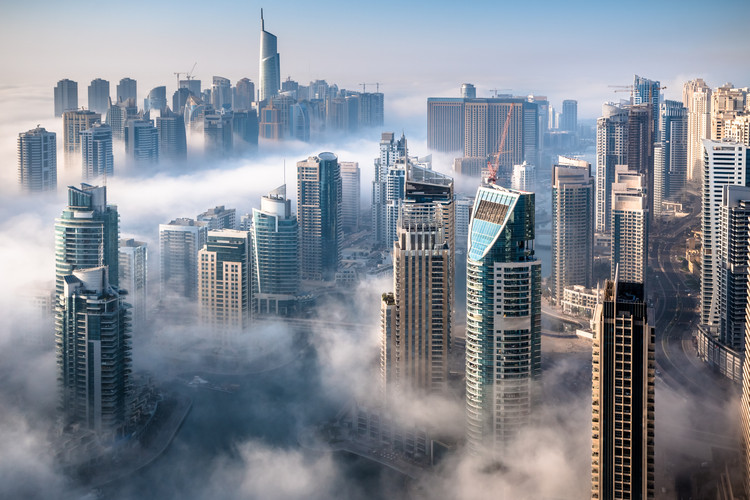
Humanity has become obsessed with breaking its limits, creating new records only to break them again and again. In fact, our cities’ skylines have always been defined by those in power during every period in history. At one point churches left their mark, followed by public institutions and in the last few decades, it's commercial skyscrapers that continue to stretch taller and taller. 

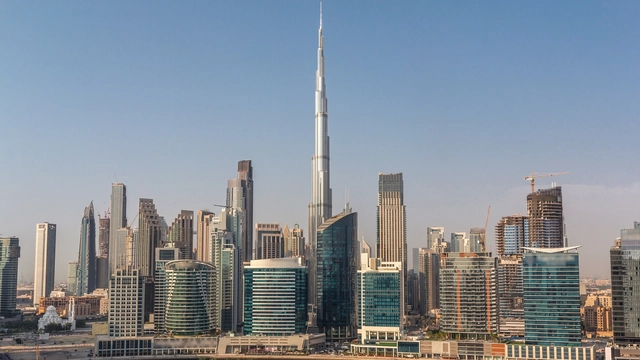
The Council on Tall Buildings and Urban Habitat (CTBUH) has developed its own system for classifying tall buildings, stating that the Burj Khalifa (828 m.) is the world’s tallest building right now. Read on for the 25 tallest buildings in the world today.

The 25 Tallest Buildings in the World - More Images+ 27

What is the Future of High Rise Buildings?

Subscriber Access | 

Almost a century ago, the world was introduced to a new architectural typology that changed the entire construction industry. Starting off with the Home Insurance Building in 1885, leading to the Empire State and Chrysler Buildings in Manhattan, skyscrapers became a symbol of power and financial abundance. Soon enough, they were being constructed in almost every city across the world with state-of-the-art designs that defy engineering norms. But with all the changes taking place in the architecture practice, what does the future hold for these heavily criticized yet constantly developed buildings?

What is the Future of High Rise Buildings? - More Images+ 9

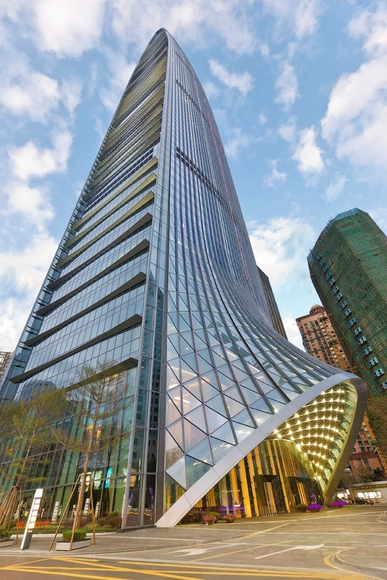
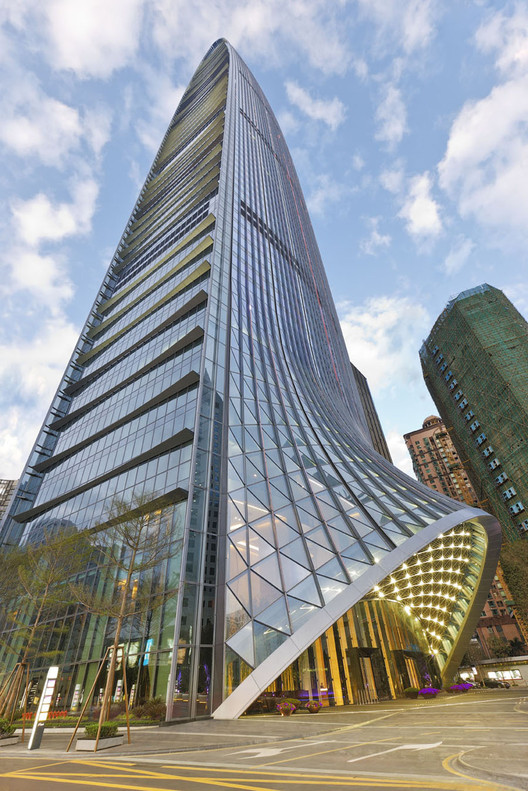
KK100 / TFP Farrells

KK100 / TFP Farrells - More Images+ 9