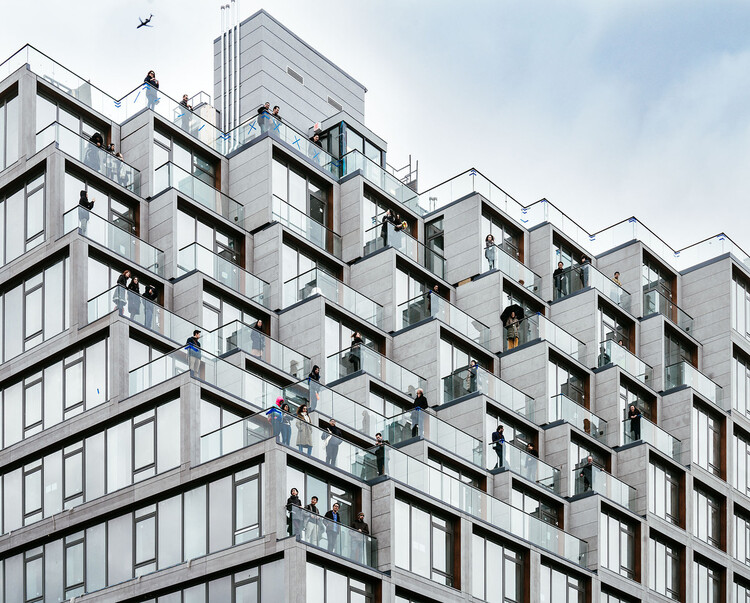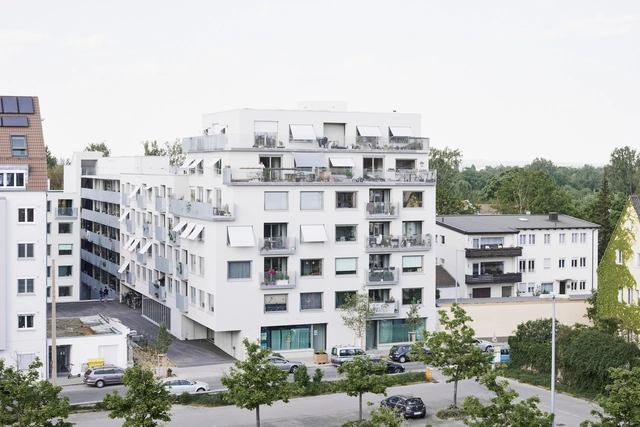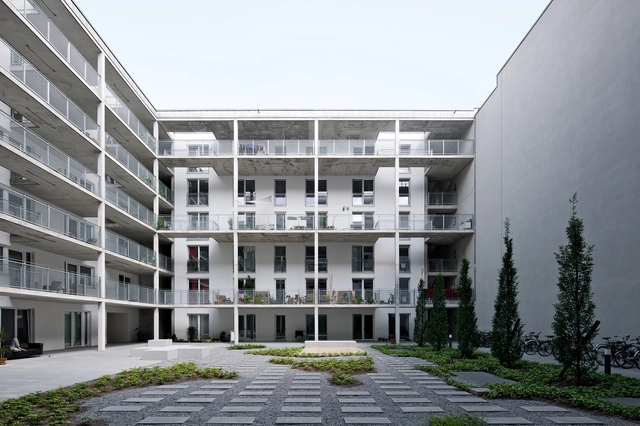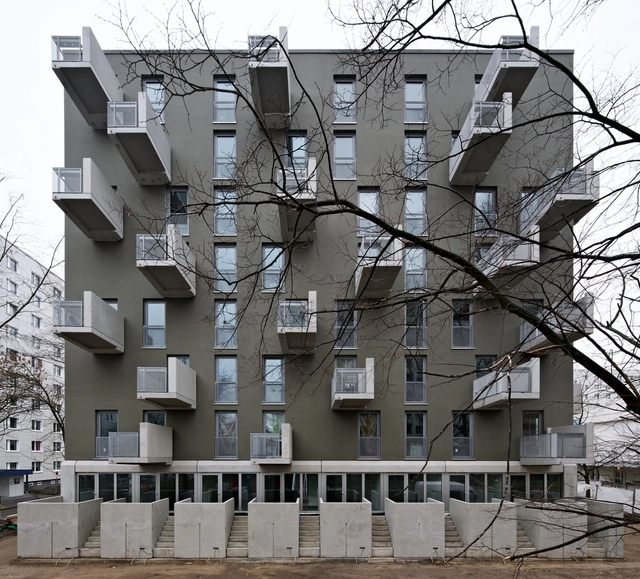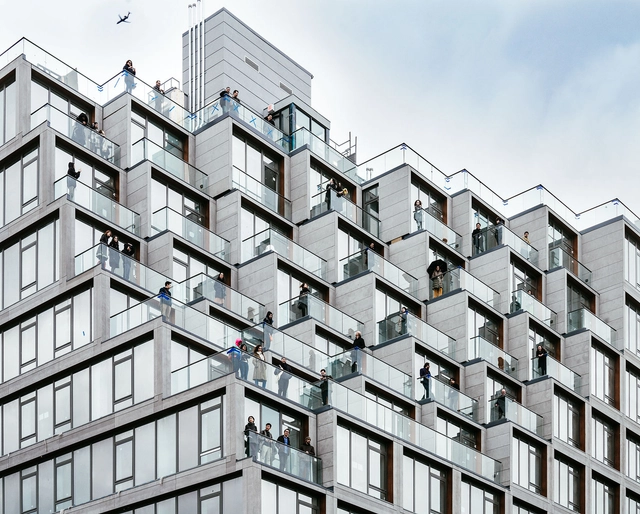
Housing production has been relying on the same spatial configurations for almost a century, catering to a vision of domestic life that no longer constitutes the norm. The widespread housing shortage, the issue of affordability, the rise of single-person households, and an aging population prompt a re-evaluation of existing housing models to address a broader range of demographics and adapt to the changing needs of city dwellers. The following explores contemporary collective housing models that provide the framework for new dwelling experiences and support current lifestyles.
The challenges associated with the provision of adequate and affordable housing around the world demand that architects respond with original solutions that challenge traditional building forms, typologies and methods of delivery.
PLANE–SITE brought together the architects of four inventive housing projects. These projects represent a diversity of approaches to similar housing challenges across radically different global contexts. From the redensification of European urban centers to the rapid urbanization of the tropical Asian megacity, these radical housing models challenged existing paradigms in order to advance resident well-being as their principle design concern. In contrast to Schumacher’s divisive speech, the panel illustrated projects that were deliberately designed to promote community life and social interaction between residents – and in some cases also with other citizens in spaces that blur the line between public and private.
The European Commission and the Mies van der Rohe Foundation have announced the 40shortlisted works that will compete for the 2019 European Union Prize for Contemporary Architecture – Mies van der Rohe Award. The Prize, for which ArchDaily is a media partner, has seen a jury distill 383 nominated works into a 40-project-strong shortlist, celebrating the trends and opportunities in adaptive reuse, housing, and culture across Europe.
https://www.archdaily.com/909537/shortlisted-projects-announced-for-the-eu-mies-award-2019Niall Patrick Walsh
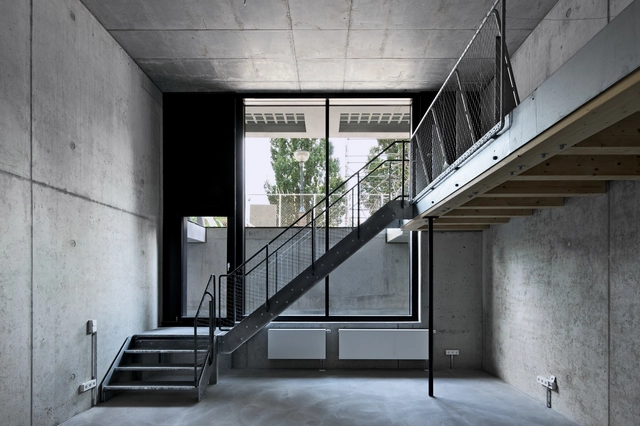
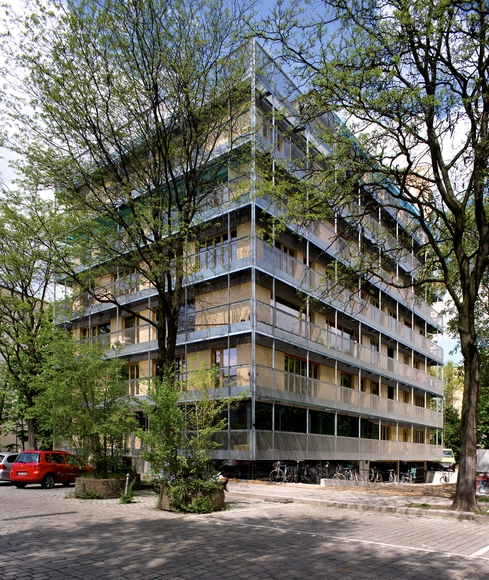
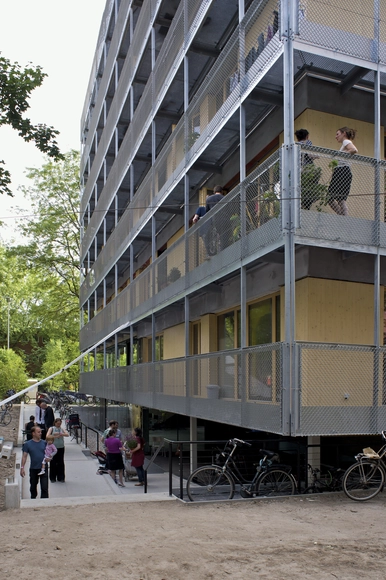
The latest episode of KCRW's podcast, “Design and Architecture” (DnA), explores whether the Baugruppen, a co-housing model in Berlin, could work in Los Angeles. Produced by Frances Anderton and Caroline Chamberlain, the episode looks at how LA residents and Berliners have approached the same problem of affordable living space. The Baugruppen (“building groups”) are communities of homes where you can choose who to live with and share the development costs. After visiting R50, a Baugruppe complex by firms Heide & Von Beckerath and IFAU, co-principals Christoph Schmidt and Verena von Beckerath explained the process of collaborative design that came with building the 19 households of R50. Listen to the whole podcast here.
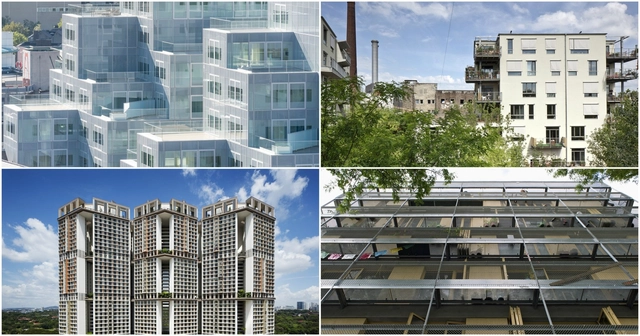
In the Spanish suburb of Alfafar, conditions were looking grim as economic hardships plunged over 40% of its residents into unemployment and left significant portions of its housing vacant. In response, a group of young architects have developed a co-housing plan for the area to accommodate its shifting needs, enabling residents to exchange and share space as needed. Using the existing buildings as the framework, the line between public and private will evolve over time with changing conditions, following in the footsteps of other European countries that have successfully employed similar undertakings. Read more about Alfafar's co-housing plan, here.