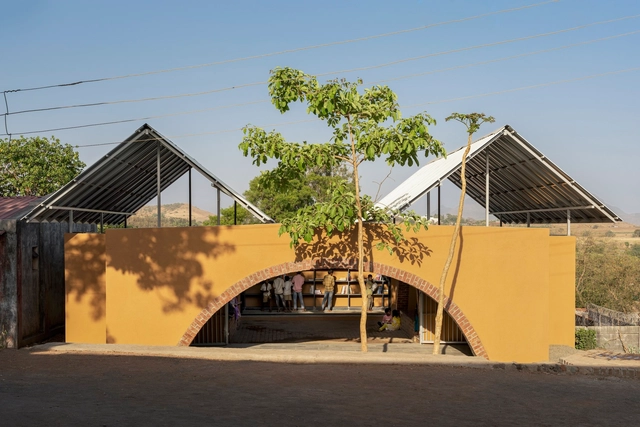
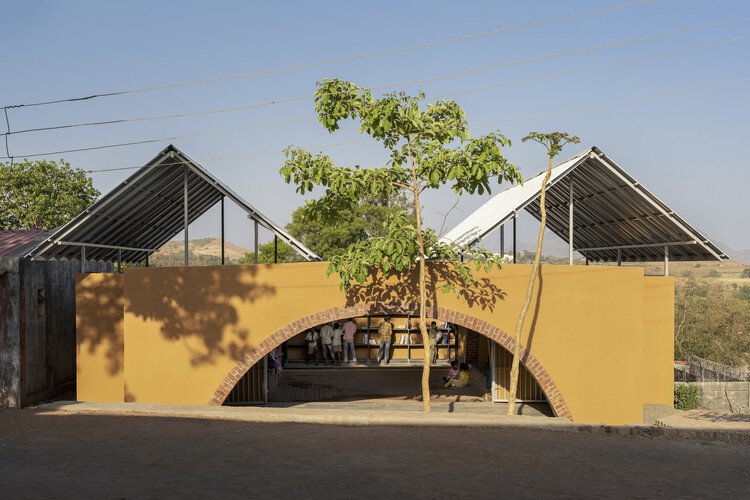
In many parts of the world, remoteness is not only defined by distance. It may describe a mountain settlement far from infrastructure or an urban and suburban neighborhood on the margins of visibility and opportunity. Across these diverse contexts, the library has been one of the most vital typologies—a space where architecture embodies the modes of accessibility, inclusivity, and community care.
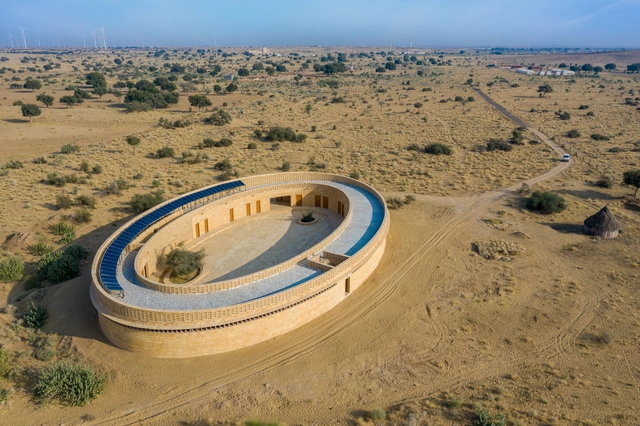
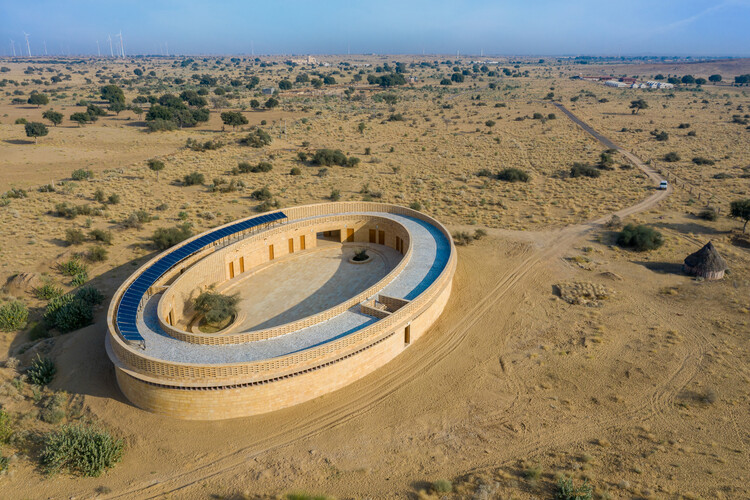
Creating an educational setting is a specific and sensitive task. Merging children's safety and learning optimization requirements with an aesthetic appeal and solid concept can birth some of the most beautiful, unique projects around. One common configuration is the elliptical or circular school. A circular, more specifically ringlike educational setting can suggest a sense of protectiveness and safety with the construction of the embracing surrounding membrane. It is also a practical setup that envelopes multiple functions while linking them, consequently allowing interactive instances through the central courtyard.
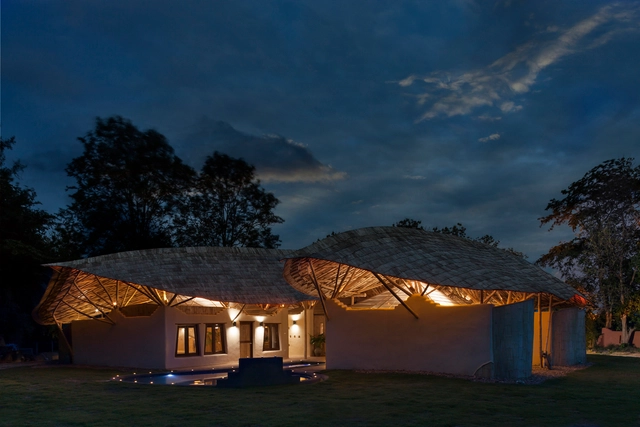
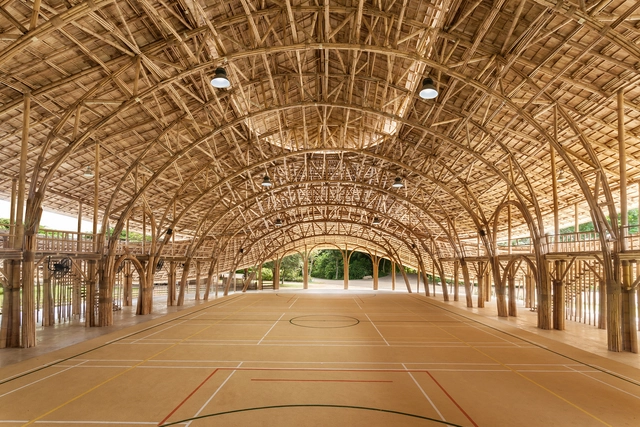
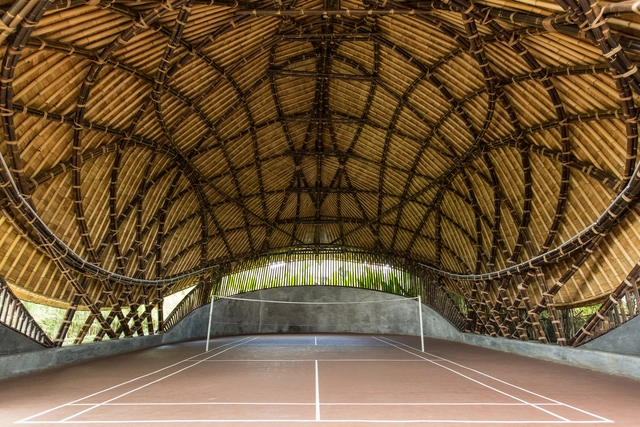
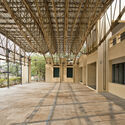
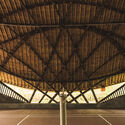
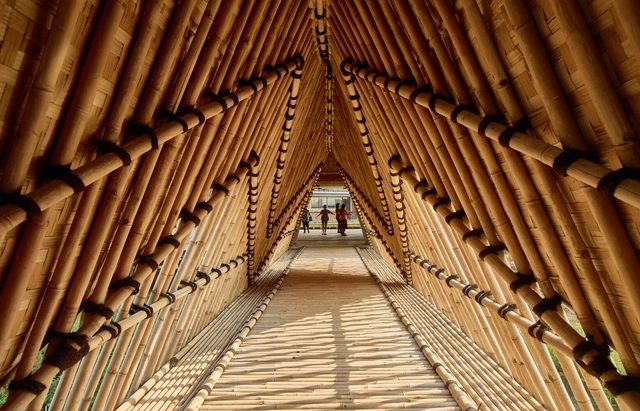
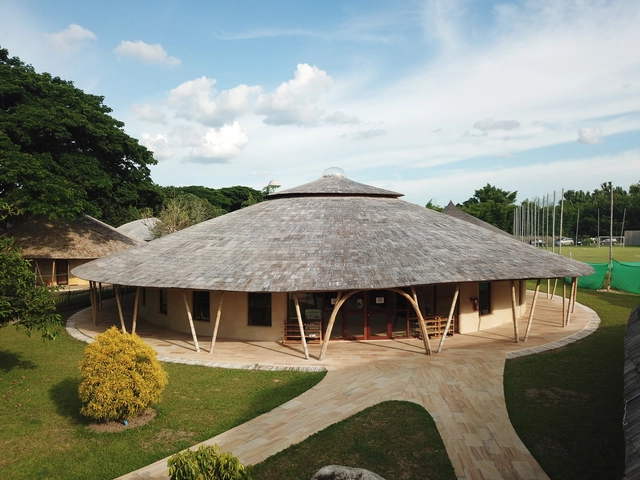
In the heart of Chiang Mai, a city rich in history and the cultural heritage of northern Thailand, the Panyaden Hall, completed in 2017, carries a story of technical innovation and reverence for tradition, brought to life through bamboo. Combining centuries-old Thai craftsmanship with modern design solutions, the project reflects the ethos of Chiangmai Life Architects, a firm devoted to elevating natural materials to their highest potential. In this article, we will explore some of the contemporary structural solutions applied to this iconic project, further revealing bamboo's true potential and inviting a fresh perspective on sustainable architecture and bamboo engineering.
As awareness of sustainable development grows, bamboo is emerging as an attractive alternative to traditional construction materials. This innovative material is making significant inroads in the construction of sports facilities, showcasing how sustainable practices can shape a greener future.
Bamboo stands out as an eco-friendly substitute for wood, concrete, and steel. Its application in sports facility construction markedly reduces environmental impact and enhances sustainability. The use of locally sourced bamboo in certain regions further decreases carbon emissions associated with transportation. The advantages of bamboo extend beyond its environmental benefits. This material is not only strong and durable but also lightweight and flexible, making it ideal for modern construction demands.
For architects, schools are often complex structures to design. They must provide a variety of spaces for education, and also consider sports and recreational activities. But beyond its size or surface, the greatest challenge is to design an area that fosters a positive pedagogical environment for children. Below, a selection of +70 school projects with their drawings to inspire your proposals for learning campuses.
The "Climate Emergency" continues to embody a renewed worldwide focus on tackling climate change. While there is no "one solution" to the multifaceted challenges brought about by this crisis, there is an onus on every citizen, in both a personal and professional capacity, to apply their skills and actions in addressing the profound pressures on the natural world.
For those involved in the design of buildings and cities, be they architects, urbanists, or citizens, there is a deep responsibility to be aware of, and design for, the impact of climate change. With 36% of global energy devoted to buildings and 8% of global emissions caused by cement alone, the architectural community is deeply entwined with the flows of materials, energy, and ideas that relate to climate change, both causes, and solutions.
https://www.archdaily.com/931240/the-facts-about-architecture-and-climate-changeNiall Patrick Walsh
On April 16, a ground-breaking ceremony was held in the city of Guangzhou, China, for what is to be the world’s largest soccer stadium. The most controversial aspect of the project was not its $1.7 billion price tag, but its bold lotus shape causing a backlash from the local architectural community but praise from the general public.
https://www.archdaily.com/939211/forecasting-the-future-of-sports-architecture-with-10-newly-built-stadiums-around-the-worldMilly Mo
In architecture we are so caught up in creating something new, we often forget about what happens at the end of a building’s life cycle—the unfortunate, inevitable demolition. We may want our buildings to be timeless and live on forever, but the harsh reality is that they do not, so where is all the waste expected to go?
As with most non-recyclable waste, it ends up in the landfill and, as the land required for landfill becomes an increasingly scarce resource, we must find an alternative solution. Each year in the UK alone, 70–105 million tonnes of waste is created from demolishing buildings, and only 20% of that is biodegradable according to a study by Cardiff University. With clever design and a better awareness of the biodegradable materials available in construction, it’s up to us as architects to make the right decisions for the entirety of a building’s lifetime.









.jpg?1502067117&format=webp&width=640&height=580)
.jpg?1502067167&format=webp&width=230&height=230&crop=true)
.jpg?1502067498&format=webp&width=230&height=230&crop=true)
.jpg?1502067235&format=webp&width=230&height=230&crop=true)
.jpg?1502067562&format=webp&width=230&height=230&crop=true)
.jpg?1502067117)
.jpg?1578004263&format=webp&width=640&height=580)