We spoke with Beat Guhl, CEO of Sky-Frame, during the Swiss Bau fair – one of the largest events in the materials industry. Sky-Frame produces frameless sliding window systems; vital components to achieve an effective and efficient transparency in architectural projects. The company is constantly pushing for technical innovation and works closely with architects to help achieve fluid spatial concepts.
Beat Guhl: "We Allow Architects to Build Fluid, Uninterrupted, and Digitized Spaces"
https://www.archdaily.com/940333/beat-guhl-we-allow-architects-to-build-fluid-uninterrupted-and-digitized-spacesDavid Basulto
Drummondville Public Library / Chevalier Morales Architectes + DMA architectes
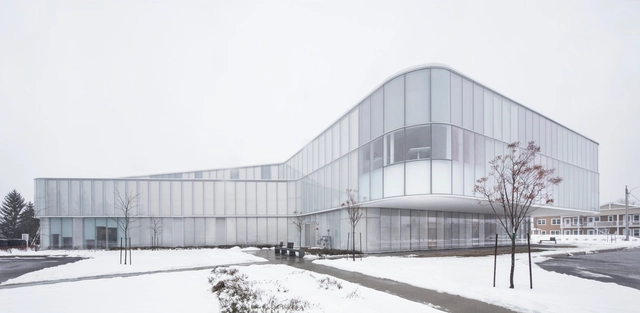


-
Architects: Chevalier Morales Architectes, DMA architectes
- Area: 5750 m²
- Year: 2020
https://www.archdaily.com/940188/drummondville-public-library-chevalier-morales-architectesPaula Pintos
Waiting Rooms, Reception Areas, & Courtyards: 43 Notable Examples of Hospital Architecture
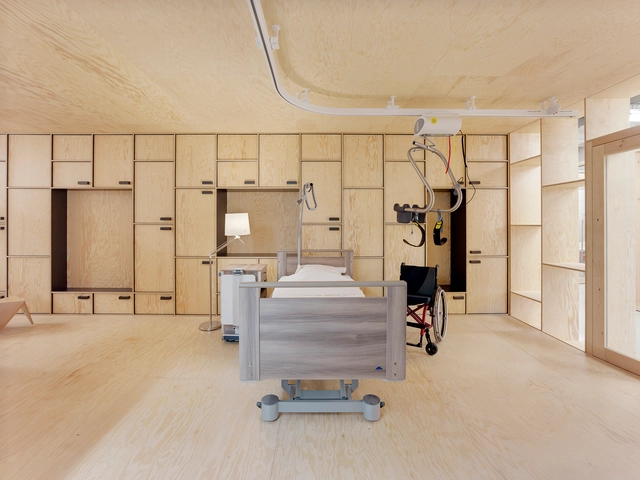


Hospitals and projects related to healthcare must follow specific guidelines based on the rules and regulations of their country. These standards help us to design complex spaces, such as those located in areas of surgery, hospitalization, diagnostics, laboratories, and including areas and circulations that are clean, dirty, restricted or public, which create a properly functioning building.
There are a few spaces that we, as architects, can develop with great ease and freedom of design: waiting rooms, reception areas, and outdoor spaces. These are spaces where architects can express the character of the hospital. To jump-start you into this process, we have selected 43 projects that show us how creativity and quality of a space go hand-in-hand with functionality.
https://www.archdaily.com/901693/waiting-rooms-reception-areas-and-courtyards-43-notable-examples-of-hospital-architectureMaría Francisca González
Victoria Residence / naturehumaine architecture
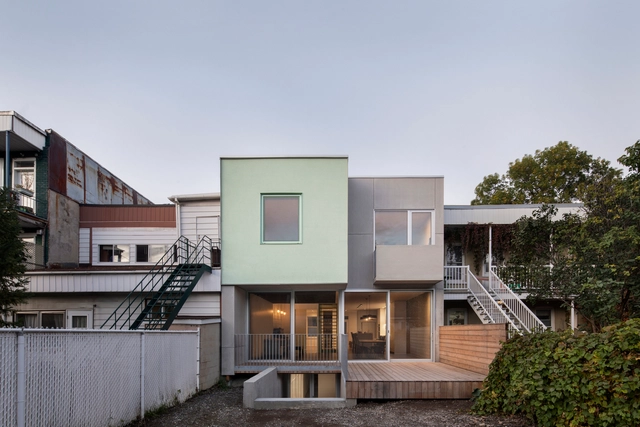


-
Architects: naturehumaine architecture
- Area: 193 m²
- Year: 2019
-
Manufacturers: Caesarstone, Daltile, DuPont, Alphabet, Alumilex, +4
-
Professionals: Construction N. Deslauriers
https://www.archdaily.com/933922/victoria-residence-naturehumainePaula Pintos
Strøm Spa Vieux-Québec / LEMAYMICHAUD Architecture Design
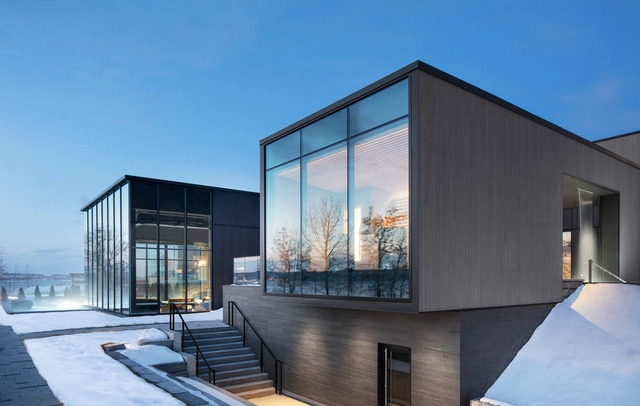


https://www.archdaily.com/929954/strom-spa-vieux-quebec-lemaymichaud-architecture-designDaniel Tapia
Est-Nord-Est Artists’ Residence / Bourgeois / Lechasseur architectes
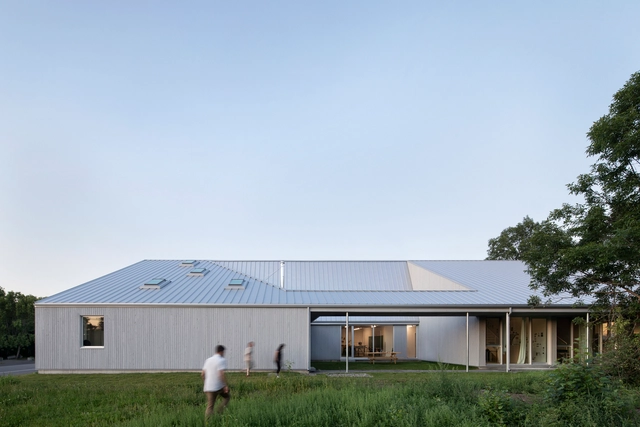


-
Architects: Bourgeois / Lechasseur architectes
- Area: 951 m²
- Year: 2019
-
Manufacturers: Juste Du Pin
https://www.archdaily.com/929196/est-nord-est-artists-residence-bourgeois-lechasseur-architectesAndreas Luco
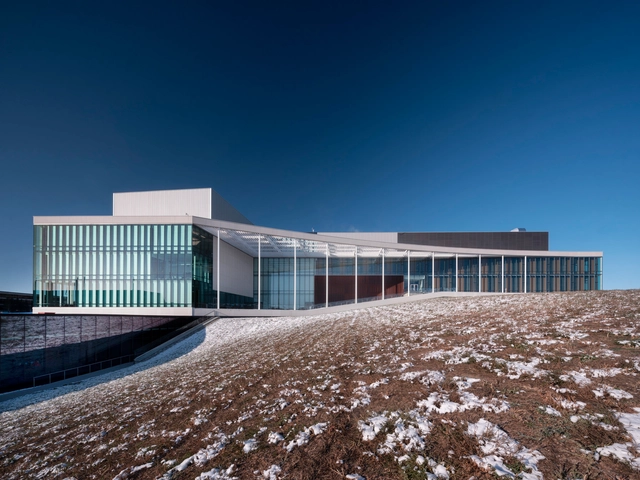
University of Lethbridge Science Commons / KPMB Architects + Stantec Architecture


-
Architects: KPMB Architects, Stantec Architecture
- Area: 387500 ft²
- Year: 2019
-
Professionals: The Sextant Group, Building Envelope Engineering Inc., Entuitive, PFS Studio, RWDI, +4
https://www.archdaily.com/928560/university-of-lethbridge-science-commons-kpmb-architects-plus-stantec-architectureDaniel Tapia
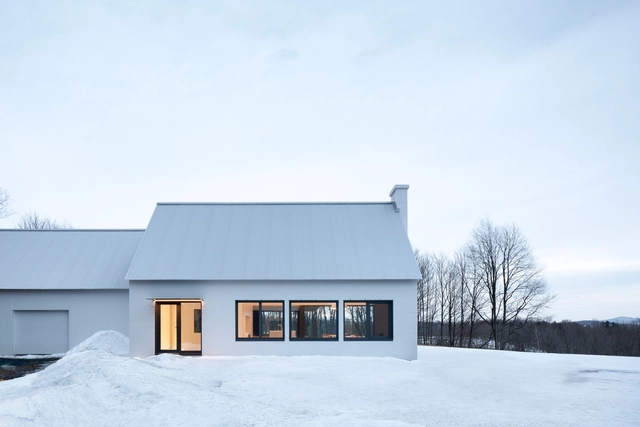
Knowlton Residence / Thomas Balaban Architect


-
Architects: Thomas Balaban Architect
- Area: 300 m²
- Year: 2019
-
Professionals: Construction Laplume
https://www.archdaily.com/928420/knowlton-residence-t-b-a-thomas-balaban-architectAndreas Luco
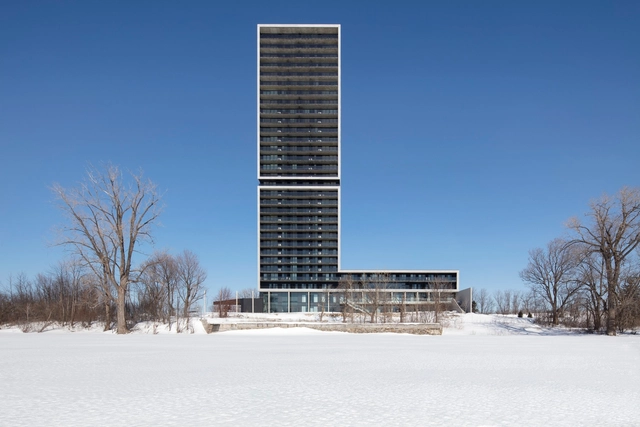
Panorama Residential Building / ACDF Architecture


https://www.archdaily.com/927498/panorama-residential-building-acdf-architectureDaniel Tapia
Cap St-Martin House / Bourgeois + Lechasseur architectes
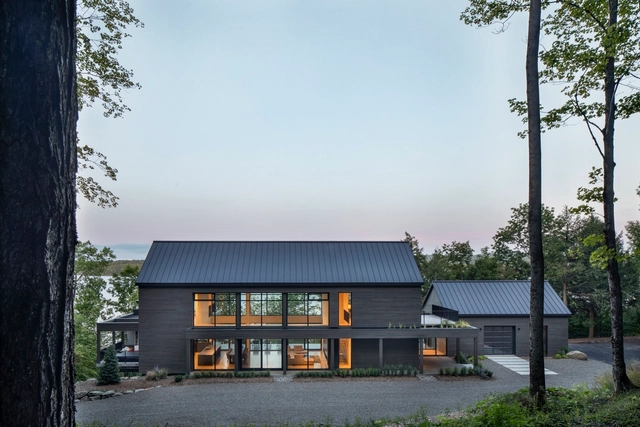


https://www.archdaily.com/927443/cap-st-martin-house-bourgeois-plus-lechasseur-architectesAndreas Luco
Walk-in Showers Without Doors or Curtains: Design Tips and Examples
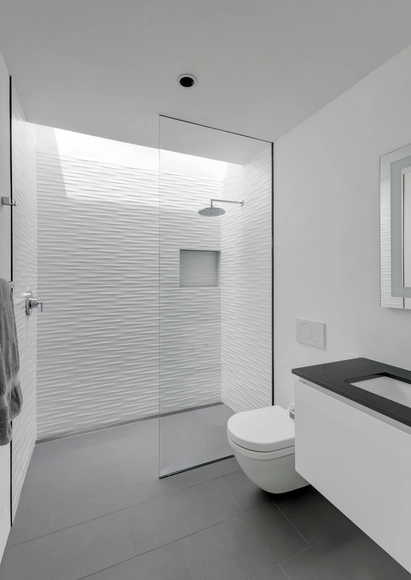


Because it doesn't include a bathtub, or require doors, screens, or curtains, the walk-in shower often makes bathrooms appear larger, cleaner, and more minimalist.
However, some precautions must be taken when designing them. Most importantly, the shower cannot be left completely open, even if it appears to be at first glance. Most designs incorporate a tempered glass that prevents water from "bouncing" out of the shower space, subtly closing the area. When this transparent division doesn't have a frame, the appearance of fungi due to accumulation of water and moisture becomes less likely.
https://www.archdaily.com/924998/walk-in-showers-without-doors-or-curtains-design-tips-and-examplesJosé Tomás Franco
How To Calculate How Much Wallpaper You Need

Once the construction of an architecture project is finished, it's time to install the claddings that will make up the visible faces of the interior spaces. Wallpaper –an efficient way to bring color and design into rooms – is generally specified according to the square meters we want to cover, so we must start by calculating the area of each surface with great precision.
This task can be easy on clear walls with standard dimensions, but it can generate mishaps or unnecessary expenses in more complex designs. We present some tips to make an estimate as accurate and efficient as possible.
.jpg?1565290135&format=webp&width=230&height=230&crop=true)


https://www.archdaily.com/922896/how-to-calculate-wallcovering-quantityMaterials
16 Brick Cladding Constructive Details
| Sponsored Content
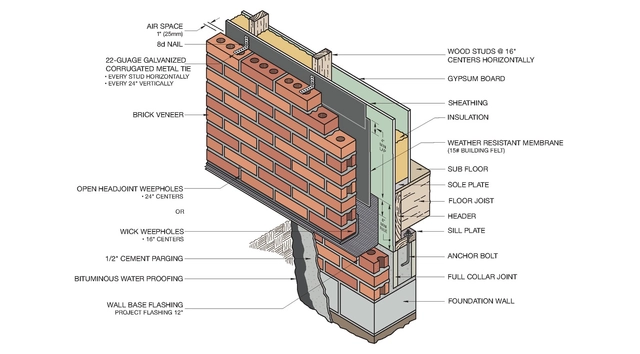
Traditionally, bricks have been used in architecture to fulfill a double function: structural and aesthetic. While they act as an effective and resistant modular solution in building structures, their faces can be exposed to constitute their architectural appearance, generating facades rich in texture and color, thanks to the iron present in the clay they are composed of.
At present, there are products that allow the attractive appearance of bricks to be merged with other structural systems, separating their functions and providing the necessary freedom of design so that the facades can adapt creatively in favor of the conditions of each project and the requirements of its users.
https://www.archdaily.com/918494/16-brick-cladding-constructive-detailsJosé Tomás Franco
Dessier Residence / naturehumaine architecture
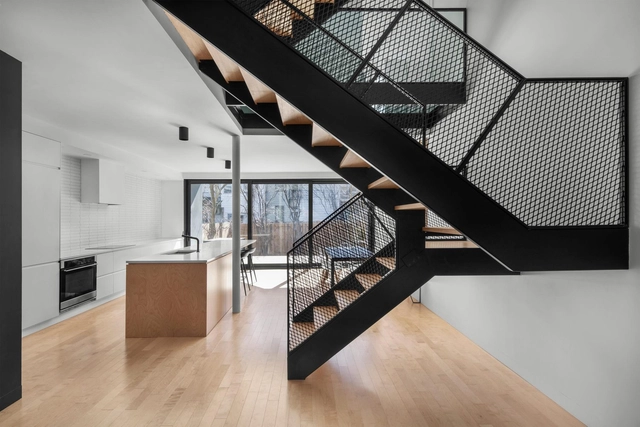


-
Architects: naturehumaine architecture
- Area: 2300 ft²
- Year: 2019
-
Manufacturers: Caesarstone, Belden, Google, Mac, Shalwin
https://www.archdaily.com/918426/dessier-residence-naturehumaineDaniel Tapia
Pavillon du Lac / Daoust Lestage
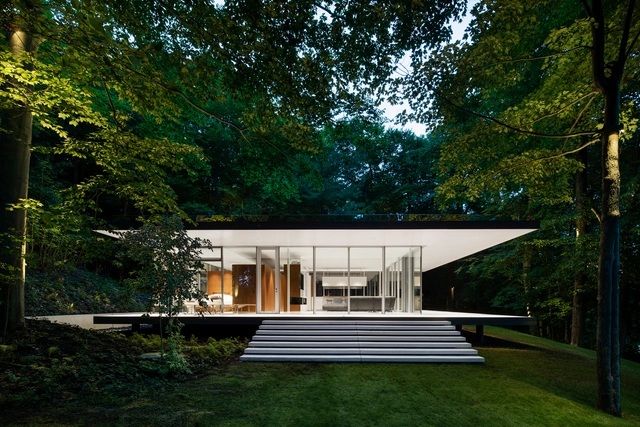


-
Architects: Daoust Lestage
- Area: 115 m²
- Year: 2015
https://www.archdaily.com/914027/pavillon-du-lac-daoust-lestageMartita Vial della Maggiora
Van Horne / Paul Bernier Architecte


-
Architects: Paul Bernier Architecte
- Area: 632 m²
- Year: 2018
-
Manufacturers: Boffi, Roche Bobois
https://www.archdaily.com/912426/van-horne-paul-bernier-architecteAndreas Luco
Chalet La Barque / ACDF Architecture
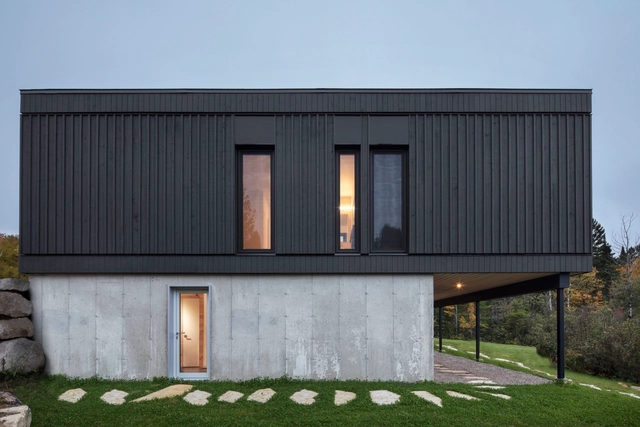


-
Architects: ACDF Architecture
- Area: 260 m²
- Year: 2018
-
Manufacturers: Hunter Douglas, Alumilex, Juste Du Pin, Richelieu
https://www.archdaily.com/911839/chalet-la-barque-acdf-architectureAndreas Luco
Des Érables Residence / naturehumaine architecture
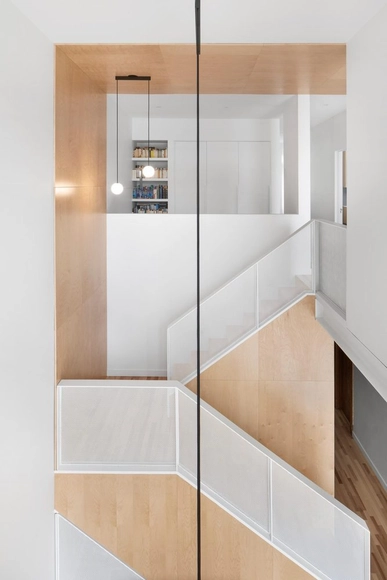


-
Architects: naturehumaine architecture
- Area: 2200 m²
- Year: 2018
-
Manufacturers: Daltile, Belden, JennAir, Shalwin
https://www.archdaily.com/910866/des-erables-residence-naturehumainePilar Caballero