-
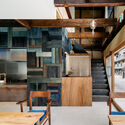
Architects: Atelier Pulver Architectes
- Area: 410 m²
- Year: 2021
-
Manufacturers: Droog, NEOMAT, Winckelmans


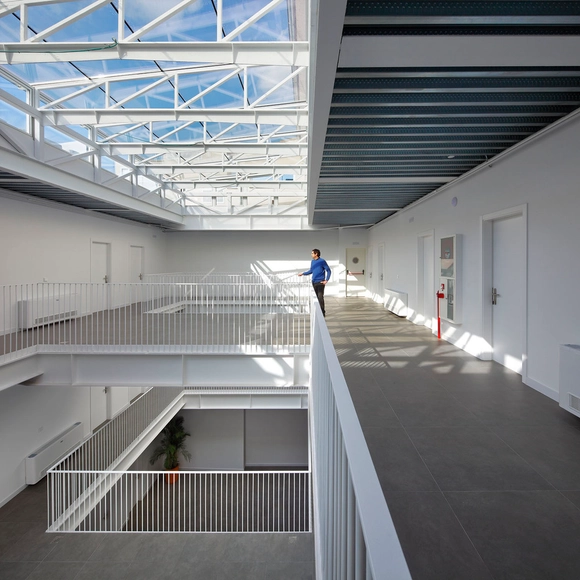
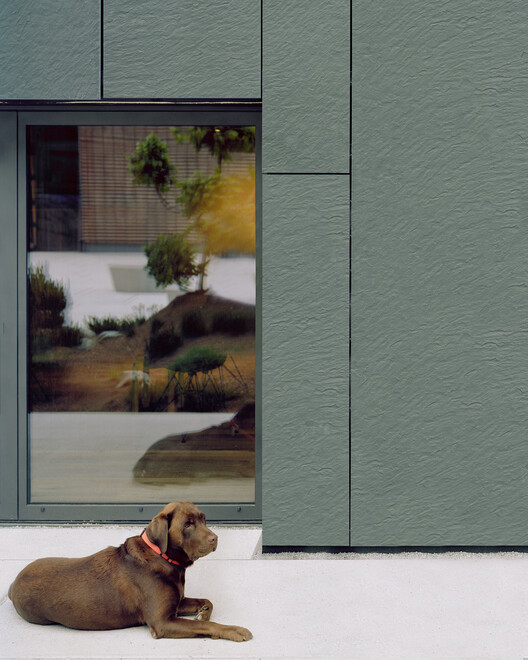
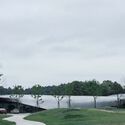
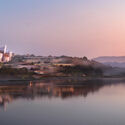
Although we usually think of climate change as something that should be addressed by research institutes, governments or official reports, private companies also play a key role in affecting change, as they are on the front lines of production and innovation. This is especially true in the field of construction, as it is an industry that moves a significant amount of resources and people, but also exerts a huge impact on the environment. Unfortunately, not all companies take on this challenge, although this is slowly changing and can be seen in a number of successful examples. One of these is the case of Rieder, which embarked on a journey to become “Climate Positive” by 2030 and, more notably, set the example when building its new headquarters.

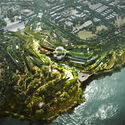
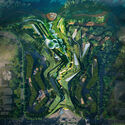
Büro Ole Scheeren has designed a new campus and experience center located in the historical city of Yibin, a region known for its rich cultural heritage and the geographical source of the Yangtze River. The campus was commissioned by Wuliangye, one of China’s leading winemakers. The project represents a large development inspired by the shape of a natural canyon, with two dynamic parallel structures defining a central space. On either side of this structure, called the Wuliang Interstice, are the Wuliangye World and the Wine Culture Exhibition Center respectively. Wuliangye World is an experience center where visitors can engage with the tradition of winemaking, while the exhibition center tells the story of wine culture through a series of themed exhibition halls.

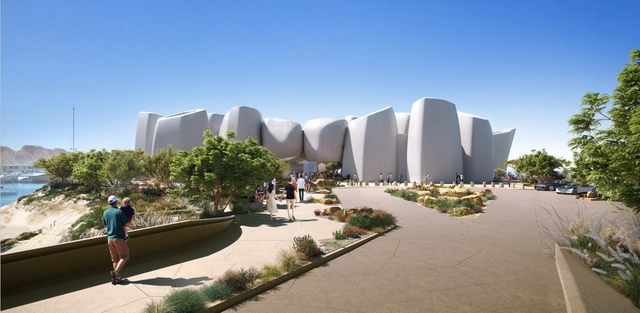
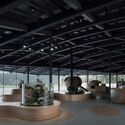
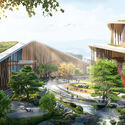
Foster + Partners has revealed the designs of the Marine Life Institute on Saudi Arabia's northwestern coast. As part of Triple Bay development AMAALA, a luxury tourist destination on the Red Sea coastline, the project will accommodate a research center, labs, galleries, and educational spaces to give visitors a glimpse into the wonders of the marine environment of the coastline. Reproducing the forms of coral formations, the building will be the world's first fully immersive marine institution where visitors can walk underwater, snorkel with rare species and experience a coral exhibit inside the building.
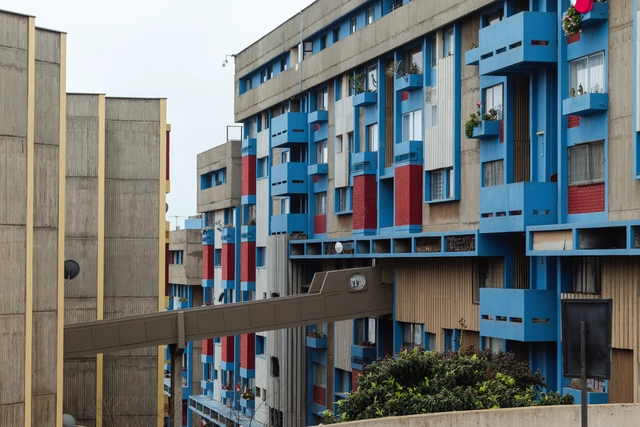
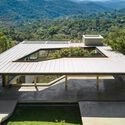
Located in the city of Viña del Mar, Chile, the Conjunto Habitacional 7 Hermanas (7 Sisters Housing Complex) stands out among the urban landscape of Viña del Mar for its architectural qualities, colors, materials, and magnitude. When you look up, you can see between the leafy ravine that overlooks the Quinta Vergara urban park, the group of buildings located in the Forestal sector, which take over the slope and the plateau of the hill, crowning itself as one of the most important works of modern architecture in the region of Valparaíso.



The Global Challenge is an annual competition organized by A--D that recognizes the most sustainable architectural projects around the world, and helps accelerate their development.