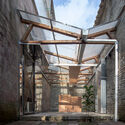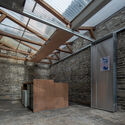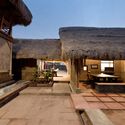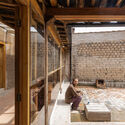


-
Architects: Takeru Shoji Architects
- Area: 158 m²
- Year: 2019
-
Professionals: Tetsuya Tanaka Structural Engineers, Nakamura Kensetsu



The terms resiliency and sustainability, although similar in meaning, refer to different design approaches in the context of architecture and cities. Sustainability involves the preservation of natural resources to uphold ecological equilibrium, while resiliency entails the ability to rebound, adapt, and persist in moments of adversity. These concepts greatly influence and complement each other, especially in cases of designing disaster-resilient buildings. Conventional design processes relating to resilient infrastructure have been based on principles of structural robustness and integrity as a measure against anticipated natural disasters. However, sustainable resiliency points at the opportunity of reinforcing buildings by embedding them in biological and ecological systems.

We live in an increasingly urbanized world. Housing, hospitals, schools, and roads –the foundations of everyday life– require strong, durable materials. The AEC (Architecture, Engineering, and Construction) industry therefore relies heavily on cement, the main component in concrete, to build these elements. Yet for architects, the versatility and resistance of concrete don’t always go hand in hand with sustainability credentials.
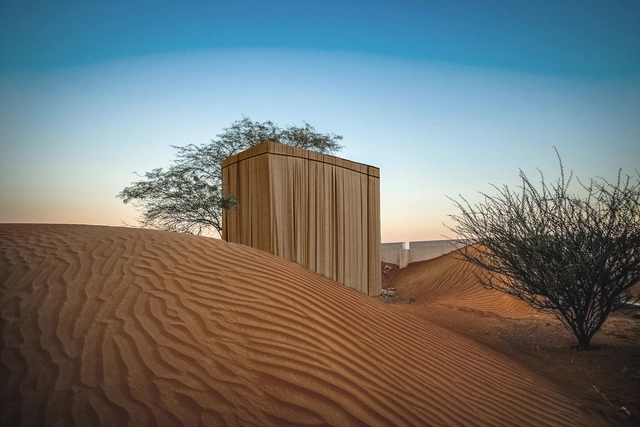
Prior to the opening of the Sharjah Architecture Triennial 2023 on November 11, 2023, the organizers have revealed details of several new commissions and site-specific interventions that will explore and expand on the overarching themes of this year’s edition, The Beauty of Impermanence: An Architecture of Adaptability. The three-day opening program has also been announced, featuring talks, tours, screenings, workshops, and performances. Curated by architect Tosin Oshinowo, the event set out to explore the innovations born out of conditions of scarcity in the Global South and ways in which cultures collaborate, adapt, re-use, and re-appropriate resources to move towards a more resilient and equitable future. Architects, designers, and studios have been invited to contribute with installations and projects to be displayed across the city and the surrounding desert.
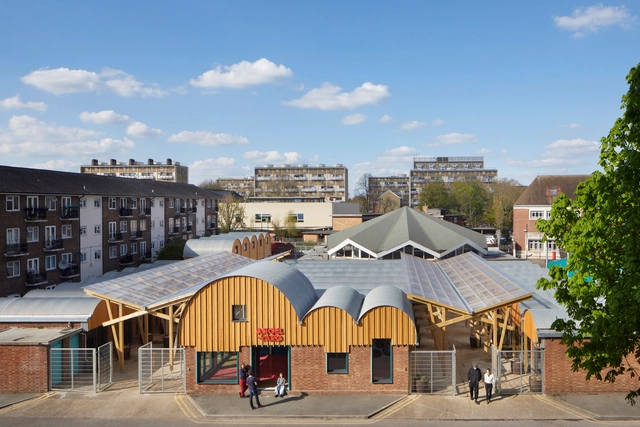

Singapore’s Science Center recently hosted a groundbreaking ceremony for the new building, designed to promote STEM education in all of Singapore. Situated adjacent to the Chinese Garden MRT station, this state-of-the-art facility designed by world-renowned Zaha Hadid Architects aims to become a landmark attraction in the Jurong Lake District. The new 55,000 sqm center is expected to open around the end of 2027, coinciding with its 50th anniversary.
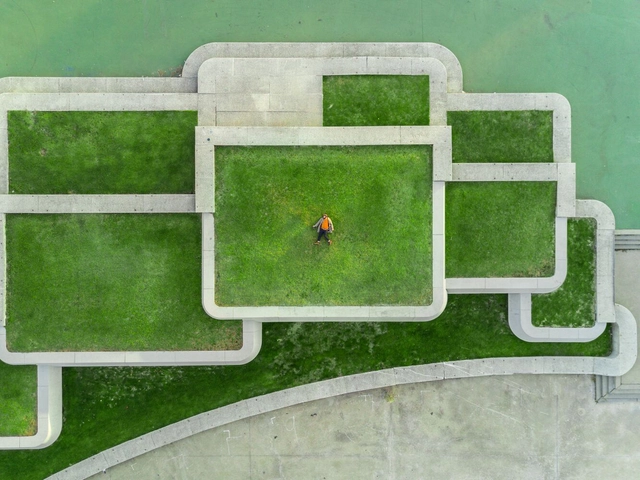
Amid our ongoing battle against climate change, the need for authentic decarbonization strategies has never been more urgent. Professions, companies, and organizations worldwide face mounting pressure to integrate sustainable practices into their operations, particularly in response to recent climate challenges. The realm of architecture and urban planning is no exception. Phrases such as "sustainable architecture" and "green architecture" have gained widespread popularity, accompanied by various certifications, products, and advertising, all promising transformative advancements in the field that should align with our global aspirations for a sustainable future.
However, amidst this growing environmental awareness, another phenomenon has emerged: greenwashing. It refers to practices adopted by various sectors, especially those related to marketing strategies that present initiatives that convey a false impression or provide misleading information about how a company's products or projects are more environmentally friendly than they are when analyzed from a more critical and careful perspective.
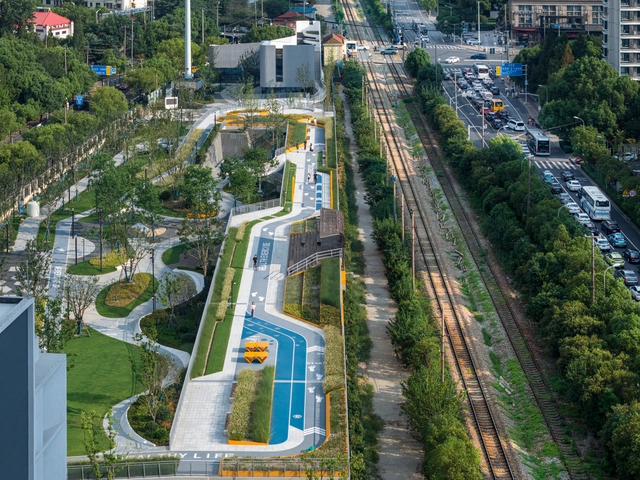
In the dynamic landscape of contemporary urban development, public architecture is an essential force in reshaping cities. In fact, this element of urban regeneration can revitalize economies and reactivate surrounding commercial schemes. In this transformative era, cities across China have evolved into financial hubs, attracting world-renowned firms and architects who are redefining these skylines. In turn, these metropolises become embodiments of future innovation and lifestyle.
China's cities have become centers of modernity as a result of its explosive prominence in the world economy. These cities have become magnets for architectural marvels that go beyond simple functionality, from Shanghai's ceaseless reinvention to Beijing's cultural renaissance and Shenzhen's undeniable emergence as a global center in technology, research, manufacturing, business, economics, finance, tourism, and transportation, complete with the Port of Shenzhen, the world's fourth busiest container port. Overall, these cities are a crucial gateway in understanding the developing dynamics in metropolitan environments.