-
Landscape Architects: Atelier VISION
- Area: 150 m²
- Year: 2020


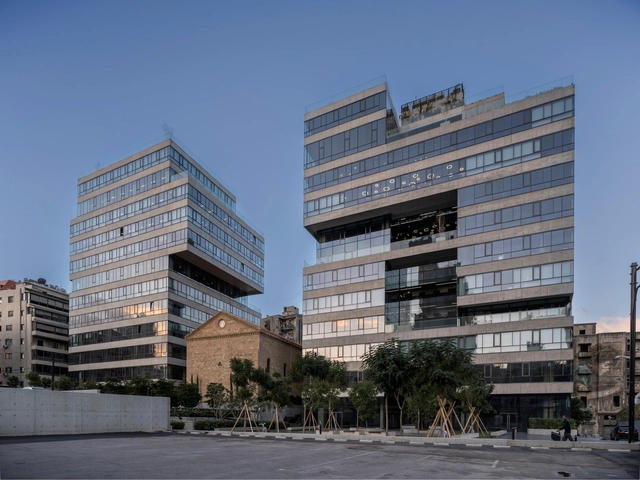

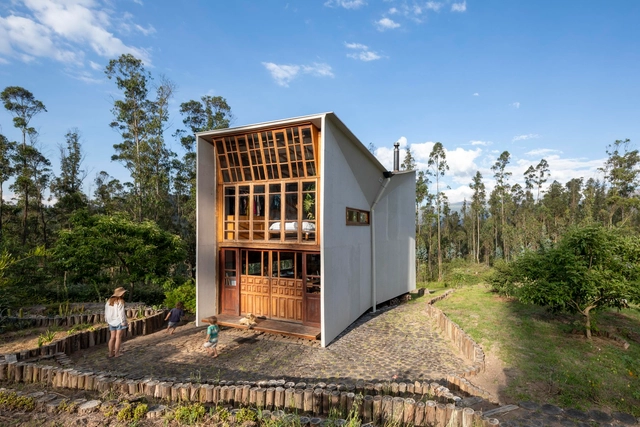
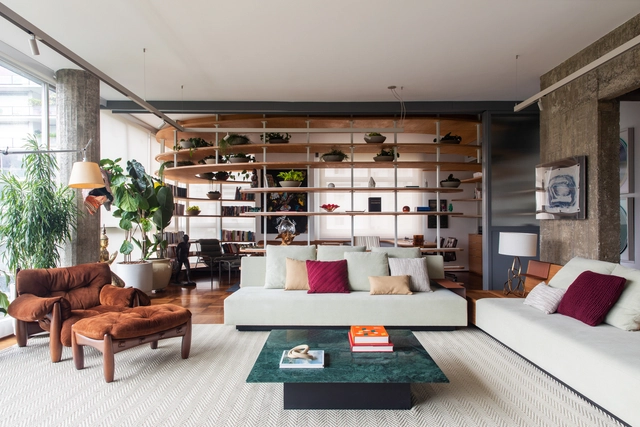
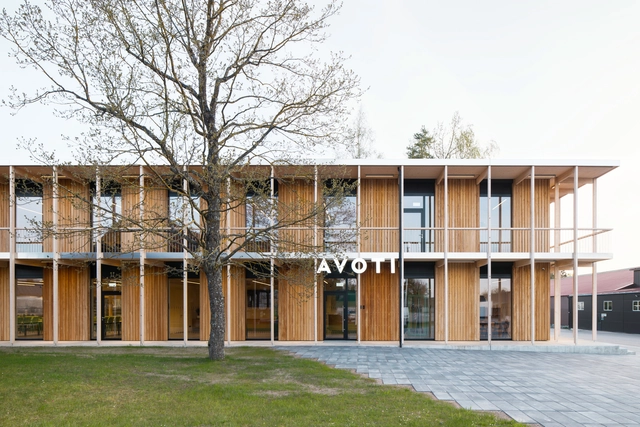
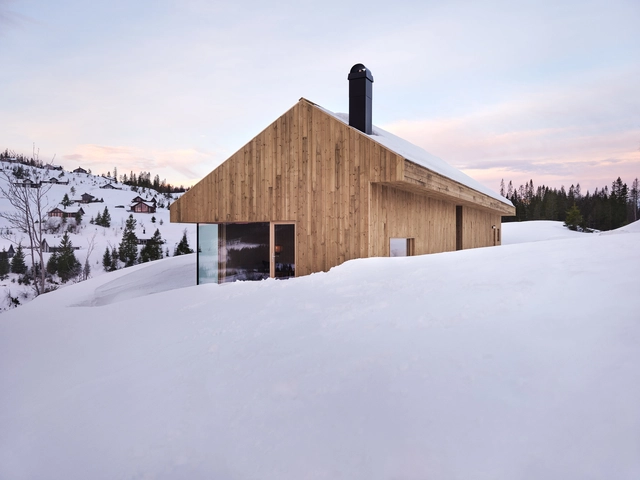
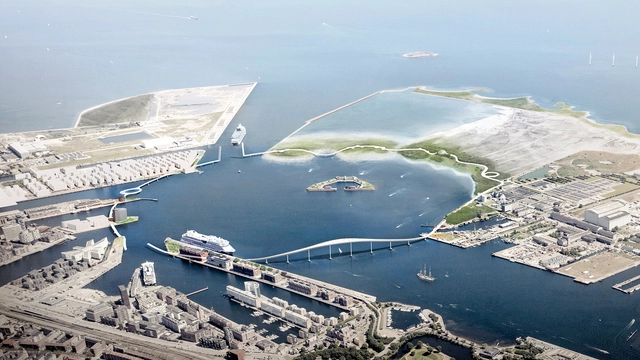
Through urban renewal projects, architects, urban planners, and designers can infuse new life into dilapidated urban landscapes by upgrading the infrastructure, introducing new functions into the urban fabric, and reimagining the character of open public spaces. These types of projects present interest due to their dual character: on the one side they offer an opportunity for reimagining the potential of the city, but the areas they affect are already well-ingrained within the urban fabric, raising challenges of integration and contextual adaptation.
This week's curated selection of Best Unbuilt Architecture highlights projects submitted by the ArchDaily community that enhance functionality, aesthetics, and sustainability of urban areas while respecting and embracing the existing fabric of the city. From a residential neighborhood that prioritizes self-sufficiency and circularity in the Netherlands, to a highway ramp transformed into productive spaces in California, United States, or a new elevated path designed to alleviate urban congestion in the harbor of Copenhagen, his selection features projects that highlight the ever-changing character of our cities. Featuring projects from both emerging and established architectural offices such as Benthem Crouwel Architects, Space&Matter, and Vincent Callebaut Architectures, the projects demonstrate the variety of approaches needed to adapt urban environments to the needs of their residents.
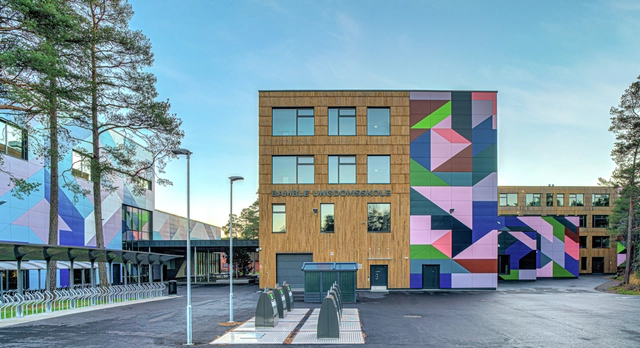
Façade colors are closely linked to place identity and help influence the surroundings and inhabitants of an area; they make it easier to safeguard and correct the use of color in urban areas. During the launch of their new color collection, STENI worked in collaboration with Scandinavia's leading expert in color and architecture, Kine Angelo, Associate Professor at NTNU, Department of Architecture and Technology, who has been working with color for over 12 years.
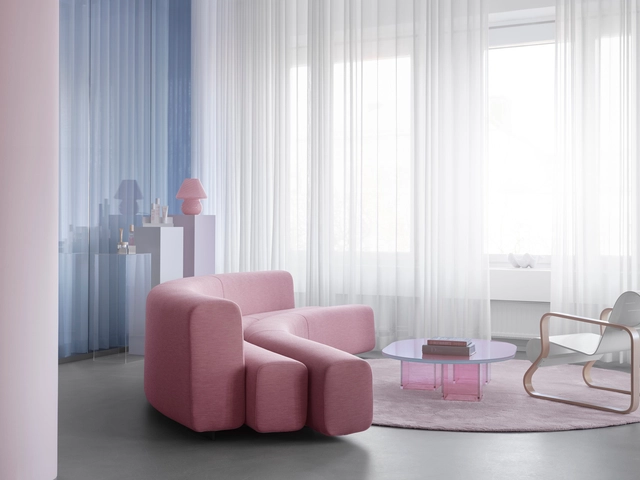
The year 2024 brings forth an intriguing array of Color of the Year selections from renowned paint manufacturers, each offering a unique perspective on the hues that will influence our living spaces. Striving to capture the moods and aspirations of the coming year, color experts have veered towards soft and calming shades, hoping to bring a sense of serenity to counter the hectic and tumulus passing year. Countering the bold color chosen by Pantone in 2023 as their previous Color of the Year, Benjamin Moore embraces a softly saturated and nuanced shade, AkzoNobel emphasizes calmness and stability, Sherwin Williams aims to inspire mindfulness, Graham & Brown fosters warmth and tranquility, and C2 Paint focuses on freshness and sustainability.

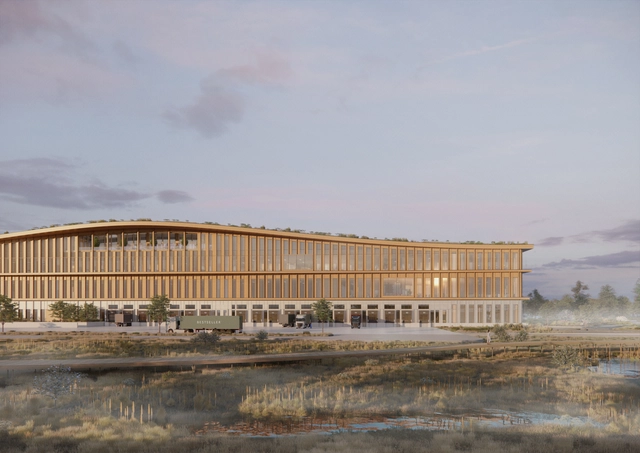
Henning Larsen has revealed the designs for Europe’s largest timber logistics center. Located in Lelystad, on the Dutch island of Flevopolder, the center is a testament to the future of timber structures. Serving as Bestseller’s new 155,000 sqm Logistics Center, the design is committed to reduced emissions, fair working conditions, and following circular design principles in order to minimize waste.
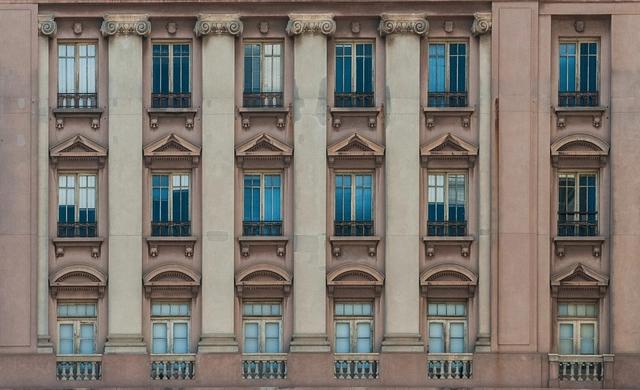
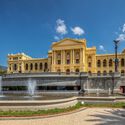
World Tourism Day is observed every year on September 27th. Tourists create itineraries based on a wide range of interests, such as architecture, gastronomy, or natural beauty, which are the most common choices. However, some travelers seek out hints of mystery and places with haunting histories. In a city as rich in stories as São Paulo, it's not hard to discover locations with a past marked by unsettling events, which have now been repurposed into cultural attractions, enriching the tapestry of the city's society.
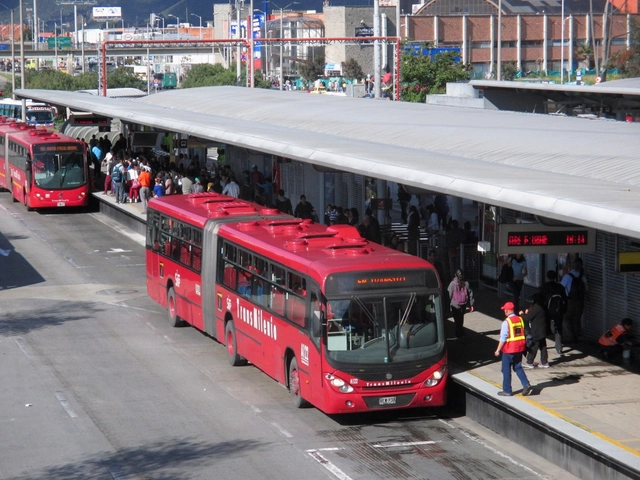
Cities are the bedrock of civilization. For millennia, they have attracted people with the promise of superior standards of living — from better economic and educational opportunities to easier access to quality public infrastructure such as housing, healthcare, and public transport. Today, however, many cities around the world are finding it challenging to live up to this promise. With urban migration accelerating at a dizzying rate – the United Nations projects that over two-thirds of the world's population will live in cities or urban centers by 2050 – existing resources and services in cities are coming under increasing pressure, rendering them dysfunctional and leading to glaring inequities.
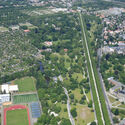
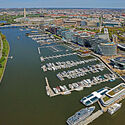
There is no singular way to define or assess liveability; every city has a unique set of characteristics, from its history, culture, geography, and demographics, to how it is governed and what urban issues plague it. Therefore, improving liveability requires concerted efforts from multiple stakeholders including people, governments, and experts, to identify critical problem areas and opportunities, and devise contextual solutions. The TV show Tale of Two Cities, where Indian architect and urbanist Dikshu C. Kukreja sits down with global leaders, brings out great insights into what some major cities in the world are doing to create more liveable environments for their inhabitants. Here we present five examples: from Bogotá, Kolkata, Hannover, Tirana, and Washington, D.C.
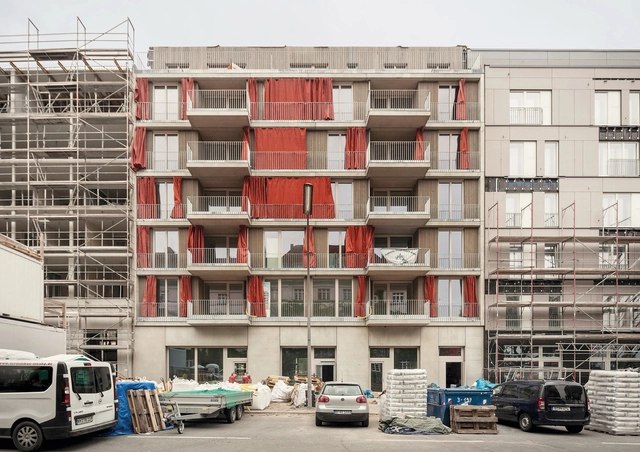
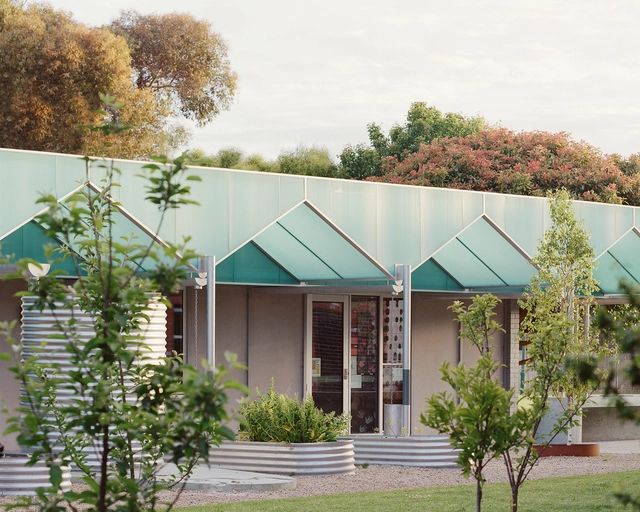

As urban areas around the world continue to experience population growth and increasing demand for housing, the land available for development is becoming both more limited and expensive. In large urban centers, many people deliberately choose the convenience and efficiency of compact living spaces in exchange for the benefits of city life, such as proximity to work, amenities, and cultural attractions. For others, however, the need to live in small spaces is a reality imposed by circumstances. In order to make construction feasible and increase urban density, builders and developers end up significantly reducing the size of rooms in homes, occasionally compromising the quality of life of those who live there. This has led to the adoption of various creative strategies to improve the efficiency of reduced interior spaces and provide greater comfort for occupants.