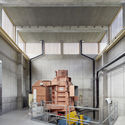
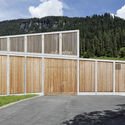
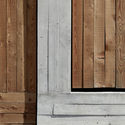

-
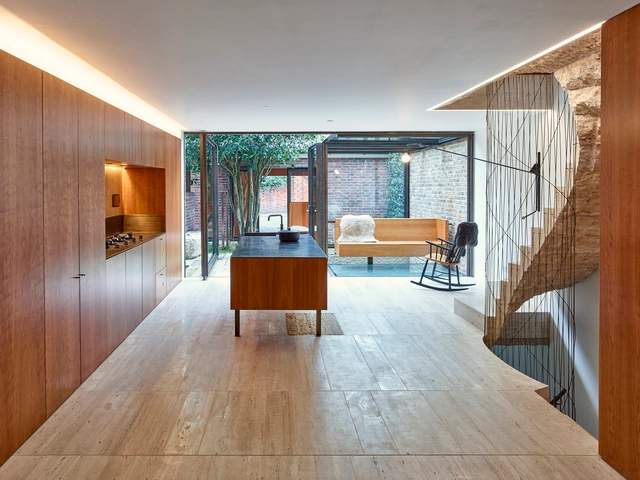
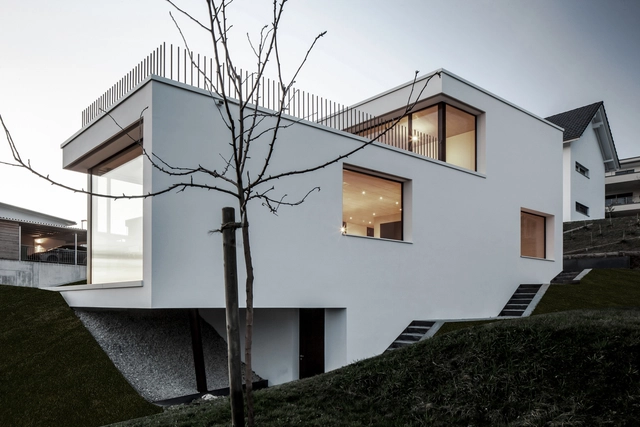
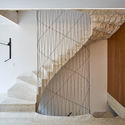
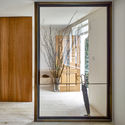
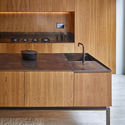
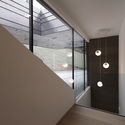
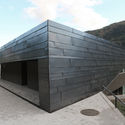
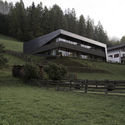
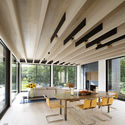
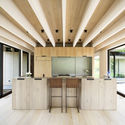
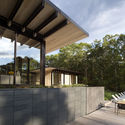
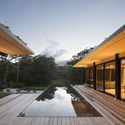
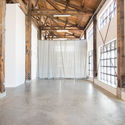
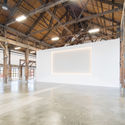
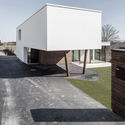
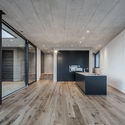
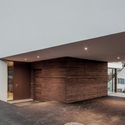
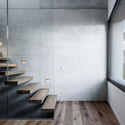
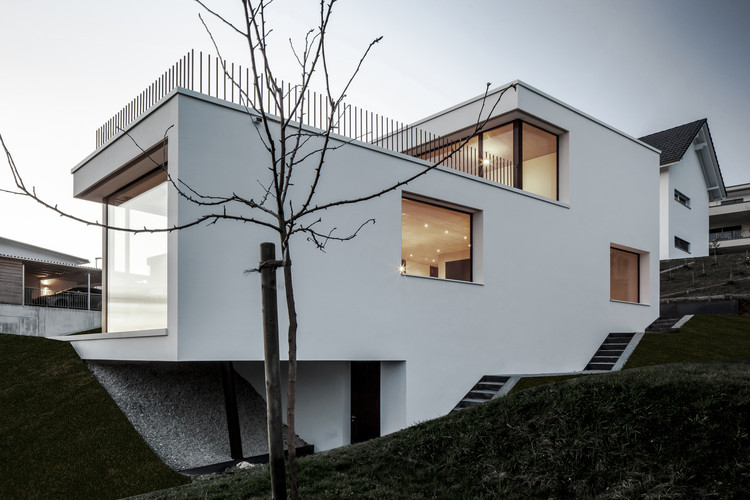
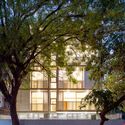
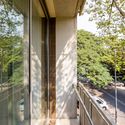
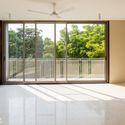
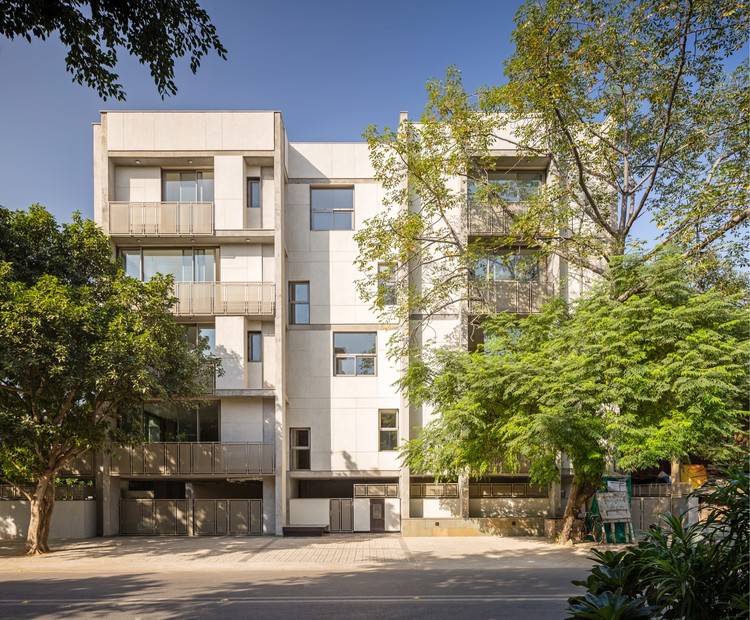
Architects: Vincenzo Cangemi Architectes
- Area: 265 m²
- Year: 2016


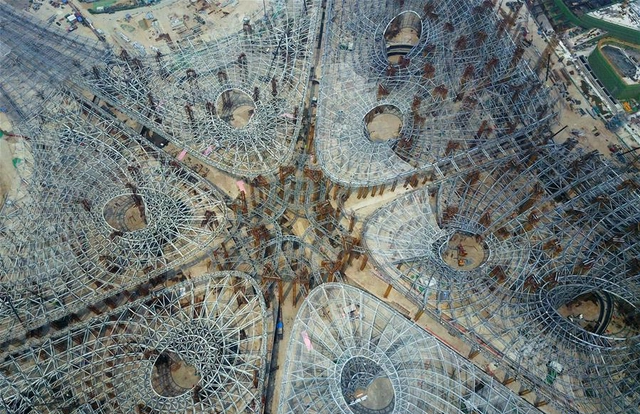
Zaha Hadid Architects' new passenger terminal for Beijing Airport (currently known as Beijing Daxing International Airport) is poised to become the largest aviation hub in the world. The vast structure, defined by five limbs spreading out from a central core, will cover an area of 313,000 square meters. It has been reported that each "arm" will use images from Chinese culture, including "silk, tea, porcelain, farmlands, and Chinese gardens."


To keep up with industry trends and important court decisions, every 10 years the AIA core set of contracts are reviewed and updated. The newly revised set of AIA contracts and forms were released April 2017. Major changes include a single Sustainable Project Exhibit that can be added to any AIA document to address the risks and responsibilities associated with sustainable projects; document title changes; new agreements containing a fill point to prompt the parties to discuss and insert an appropriate “termination fee” for terminations for convenience; and an added evaluation provision by the architect if the contractor proposes an alternative means and methods.
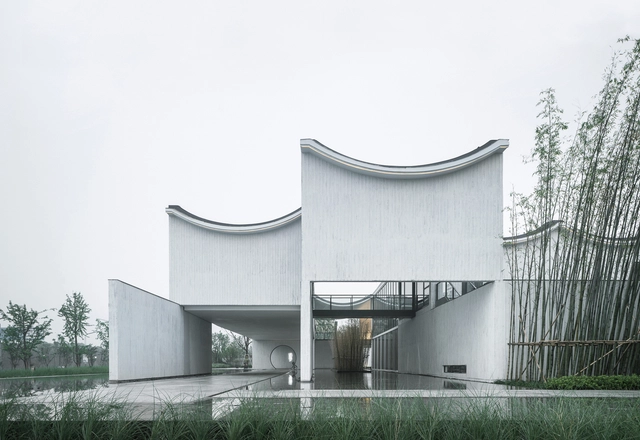

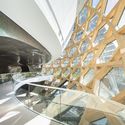
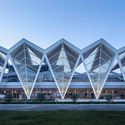
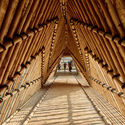
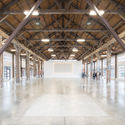
Putting aside finishes, coatings, and cladding to work with exposed structural elements is not an easy task. Faced with this challenge, architects have demonstrated an eagerness to surpass ourselves and to design increasingly creative structures. In portraying this type of project, there are often opportunities for photographers to create incredible and innovative compositions: from geometric patterns, to the use of symmetry and rhythm, to the possibility of focusing on the textures and details of the materials. Here, we present a selection of photographs of impressive structures by renowned photographers such as Iwan Baan, Julien Lanoo and Yao Li, among others.

The next time you're cursing the price of a city parking meter, think instead about the high cost of free, off-street parking in terms of the urban environment. Urbanists these days agree that cities are at their best when they are walkable—designed for people instead of cars—but the reasons for the car-centric design of cities in the US are complex. In this video, Will Chilton and Paul Mackie of Mobility Lab describe all the problems inherent with parking in US cities and how it got to be this way: namely, off-street parking requirements, or mandatory parking minimums.
Most people know that US cities are dominated by parking, with roughly 8 parking spots per car throughout the country, but this video will give you all the information you need to win any debate about the impacts of mandatory off-street parking. Describe with confidence why cities love mandatory minimums for developers, extoll the virtues of correctly-priced parking meters, and impress your friends and colleagues with your knowledge of the other ways you pay every day for "free" parking.
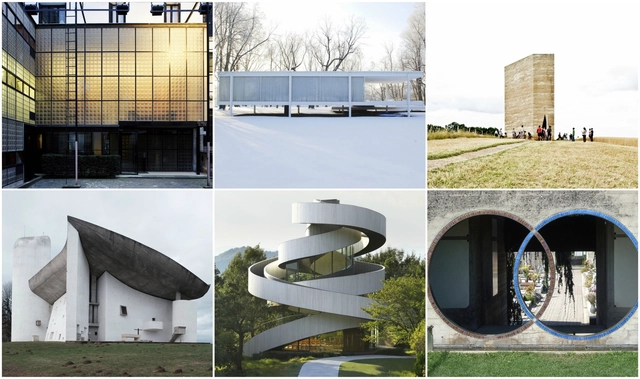
Visiting architectural masterpieces by the greats can often feel like a pilgrimage of sorts, especially when they are far away and hard to find. Not everyone takes the time to visit these buildings when traveling, which makes getting there all the more special. With weird opening hours, hard-to-reach locations and elusive tours we thought we’d show a selection from our archives of masterpieces (modernist to contemporary) and what it takes to make it through their doors. Don’t forget your camera!


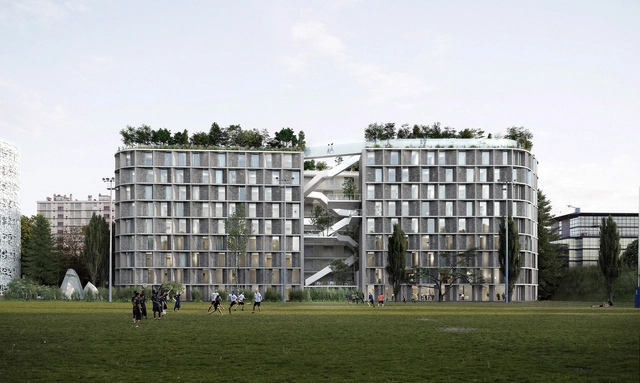
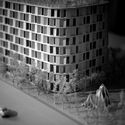
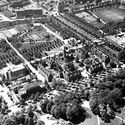
Atelier FCJZ and Coldefy & Associates Architects Urban Planners (CAAU) were announced last month as the winners of the Fondation de Chine Competition that will add another residential facility to the historic Cité Internationale Universitaire de Paris (CIUP). The project is part of #Cite2020, an initiative by the Cite Internationale to develop 1,800 new housing units by 2020. Adding to the existing 40 residential buildings, the Fondation de Chine will introduce a contemporary interpretation of student housing to the campus.
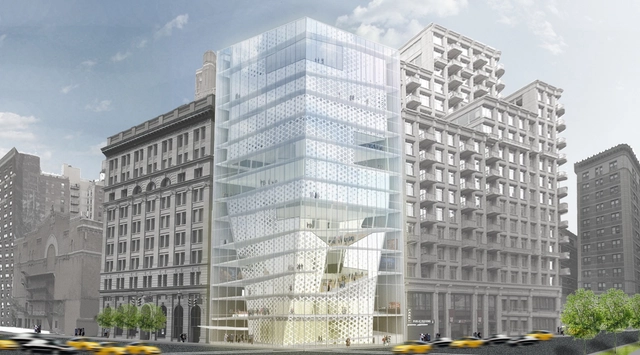
New York based Büro Koray Duman Architects are collaborating with the American Society for Muslim Advancement (ASMA) to design a cultural center prototype, named Cordoba House, in order to facilitate the total integration of American Muslims, without compromising their religious identities. The center will be the first Muslim sponsored multi-faith community center in New York City, aiming to help promote “progressive change, inter-religious coexistence, and cultural exchange”.
Highlighting the necessity of such a project, the design team explain: “There are approximately 800,000 Muslims living in NYC. A majority of the gathering places for Muslims are Mosques that focuses on Religion as Practice, which does not leave enough room for developing Religion as Culture.”
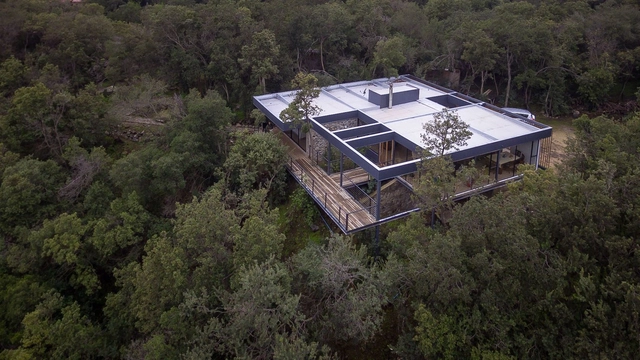











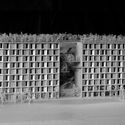
.jpg?1499812005 "Pavilion Suisse by Le Corbusier. Image Courtesy of Atelier FCJZ")