Videos
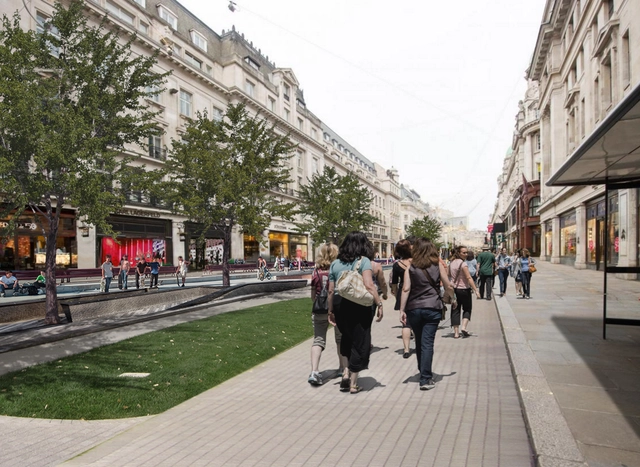
A vision of the future Regent Street. Image via Walkable London
Zaha Hadid Architects has revealed a proposal for the pedestrianization of their home city, London, that would gradually transform the city into an interconnected system of walkable roads.
Named Walkable London, the research proposal has identified the arteries and areas of the city that would most benefit from pedestrianization. The transformation would be implemented over three phases: primary avenues, secondary avenues, and finally, entire districts. Notable avenues marked for alteration include Upper Street, Oxford Street and Regent Street.
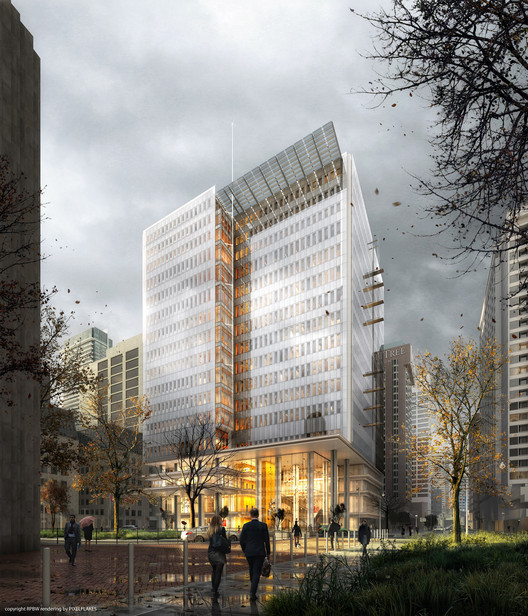
Renzo Piano Building Workshop, in partnership with NORR Architects & Engineers, has been selected to design the new TorontoCourthouse, to be located adjacent to Nathan Phillips Square and Toronto City Hall in the city’s downtown civic core. When finished, it will be Piano’s first competed project in Canada.
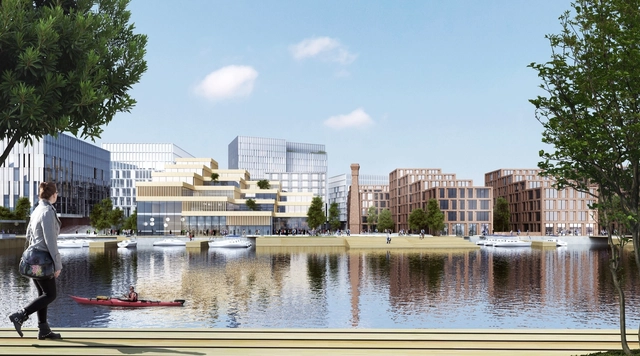
Henning Larsen Architects has revealed plans for a £400 million development that will transform the waterfront of Belfast. At 16 acres, the master plan constitutes the Northern Irish capital’s largest single ground-up development in recent history.
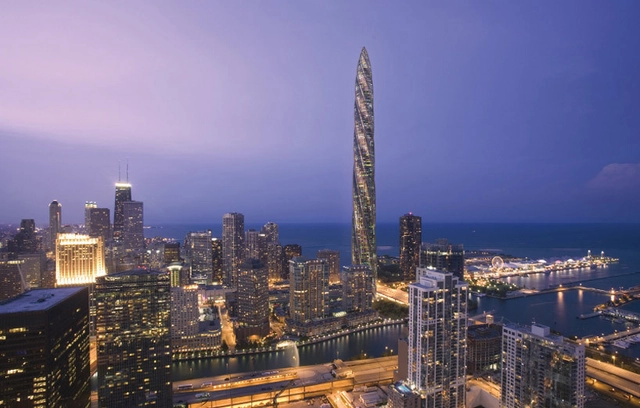
We all know a little about the world's tallest buildings—those engineering feats which define their cities and become symbols of human achievement—but what of the buildings that never took their planned place in their respective skylines? In 2014, The Council on Tall Buildings and Urban Habitat (CTBUH) released a report listing the 20 tallest buildings that were never completed (an up-to-date list is also maintained on their website here). In order to be considered "never completed," all of the buildings in the report had begun site work, but construction was completely halted with no reports indicating it will continue. Read on to find out the top 10 tallest uncompleted buildings in 2018 after the break.
2017 is in the past. Nevertheless, the year has left us a series of lessons, new wisdom and better tools to help us face the challenges of 2018. What surprises will this year bring us?
We asked our editors at Plataforma Arquitectura (ArchDaily's Spanish arm) to make predictions based on what they've learnt in 2017, and to share with readers the topics they expect to be in the limelight in 2018.
https://www.archdaily.com/889638/the-9-architecture-topics-you-need-to-know-about-in-2018ArchDaily Team
Everyone knows that becoming an architect translates to a lot of time in front of a computer screen, or on-site or in the model shop—or waiting for renders to finish. But we also know that being a good architect is about much more; truly savvy architects and really thoughtful projects often spring from strong theoretical, philosophical or practical trains of thought (and they are not always directly inspired by architecture itself!).
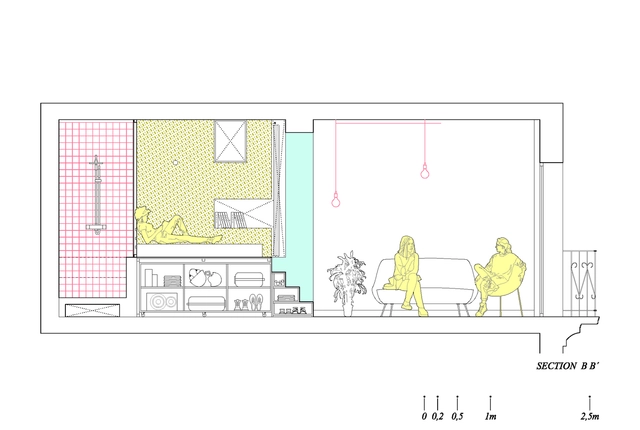
To avoid hyperrealistic renderings we have witnessed the emergence of other options for architectural representation which seduce the viewer, not for their overwhelming resemblance to reality but rather the opposite, its resemblance to everyday life's textures presented through unpretentious drawings inspired by collage, watercolor, and painting. Digital collage and other similar representation tools have gained more popularity when discussing how architecture can be communicated.
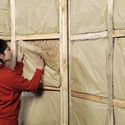
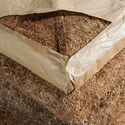
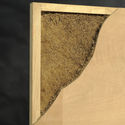
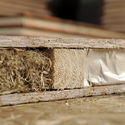
With the aim of promoting more efficient ways to isolate and protect building envelopes, the Chilean team Rootman has developed Thermoroot; a biodegradable and 100% natural insulation made from roots without genetic modifications or chemical additives. These roots make up what the company is calling a Radicular Mattress which, in addition to thermally and acoustically insulating the walls, floors, and ceilings of buildings, it is fire resistant.