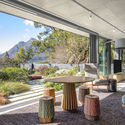
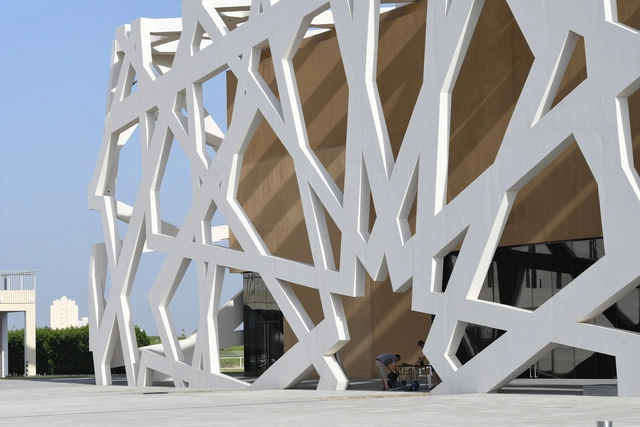
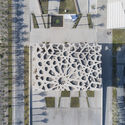
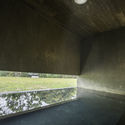
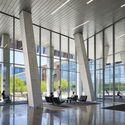
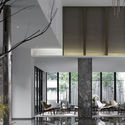
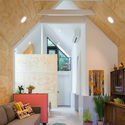
Vilnius Multifunctional Complex. Image Courtesy of MAD Architects
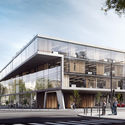
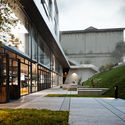
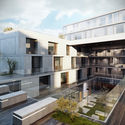
MAD Architects have revealed their design for a multi-functional complex located in the historical center of Vilnius, the capital city of Lithuania. The project was designed as an "urban sculpture" where anyone can move between underground levels, walk-able roofs, porches and other sightseeing platforms. All public spaces are adapted for the city residents, so the complex benefits not only its users but also the citizens of Vilnius.
Nestled in the steep gorges and river valleys of Japan’s Tokushima prefecture is Kamikatsu - a small town seemingly like any other. But Kamikatsu, unlike its neighbors (or indeed, most towns in the world), is nearly entirely waste-free.
Since 2003 - years before the movement gained widespread popularity - the town has committed to a zero-waste policy. The requirements are demanding: waste must be sorted in more than 30 categories, broken or obsolete items are donated or stripped for parts, unwanted items are left in a store for community exchange. But the residents’ efforts over the years have paid off- nearly 80% of all the village’s waste is recycled.
With the exhibition closed, the organizers behind the Venice Biennale have released an impressive roundup of statistics related to the event, demonstrating the Biennale’s role as one of the most influential events in the architectural calendar.
https://www.archdaily.com/906536/half-of-the-visitors-were-under-26-the-numbers-behind-the-2018-venice-biennaleNiall Patrick Walsh
There's a certain rare feeling that all architects share once they leave school: they don't know what they know. Design? Not really. Technical details? You'll need a specialist for that. Can you build this from scratch? I still need some practice. So, what do you really know?
In this article, we'll share six skills that you learned as an architect that you probably aren't even aware of.
https://www.archdaily.com/906218/what-should-architects-be-good-atArchDaily Team





_(1).jpg?1543159550)










.jpg?1542631996 "© Laurian Ghinitoiu")
.jpg?1542632034 "© Laurian Ghinitoiu")
.jpg?1542631779 "© Laurian Ghinitoiu")
.jpg?1542631887 "© Laurian Ghinitoiu")
_(1).jpg?1543159550)