-
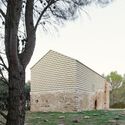
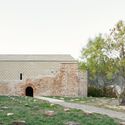
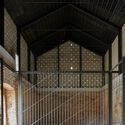
Architects: G architects studio
- Area: 85 m²
- Year: 2021
-
Manufacturers: Neufurniture works
-
Professionals: Housewell



Architectural projects often strive to avoid forced cooling systems by relying on passive strategies that support cross-ventilation, solar control, and heat gain mitigation. Building orientation, the positioning of openings, louvers, and shading elements are key to reducing the reliance on air conditioning; however, in certain situations, these strategies are not enough to withstand high temperatures, making it necessary to resort to mechanical cooling technologies. Understand what it is and how to discreetly and efficiently integrate air conditioning into your home.

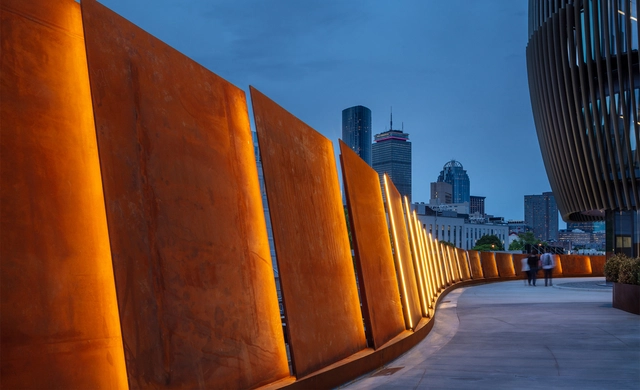
Payette is a studio reimagining what it means to practice today. While primarily an architecture firm, the firm is rooted in an interdisciplinary approach encompassing landscape architecture, interior design, building science, space strategies, design visualization, fabrication, computation and research. For Principal Leon W. Drachman, Payette is an office that moves across a broad range of scales to reimagine design, from a campus master plan to facade details.
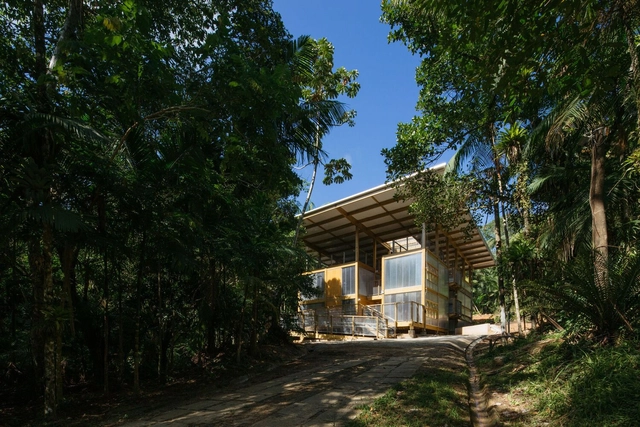
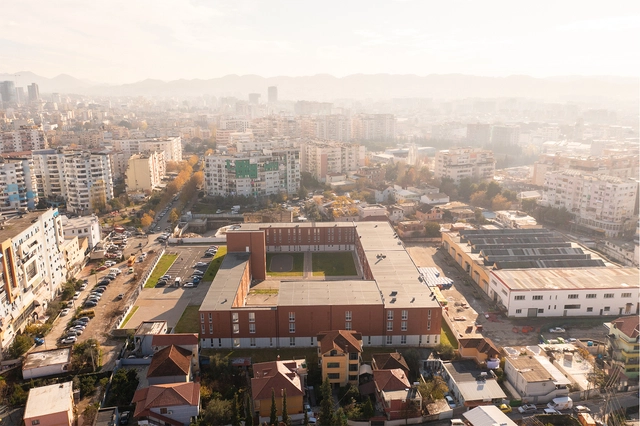
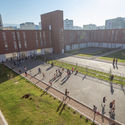
As part of the new Tirana 2030 master plan, Stefano Boeri Architetti has created a new model for schools, transforming them into a place for people of all ages, open every hour of the day and every day of the year. The newly-inaugurated project in Tirana serves as a "new epicenter for life in urban neighborhoods", used by students during the day as a school campus and by the whole community on weekends and public holidays as recreational and meeting places, as well as potential places for shelter during emergencies.

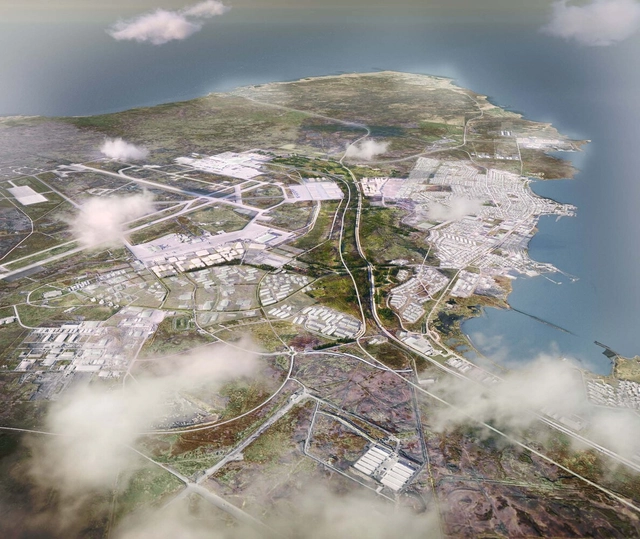
KCAP revealed its competition-winning design for the Keflavík Airport Area Strategic Masterplan in Iceland, comprising an area of 55 square kilometres around the country’s global aviation hub. Developed together with Felixx Landscape Architects & Planners, Kanon Arkitektar and a multidisciplinary team of professionals across a wide range of fields, the masterplan proposes a “collaborative development between public and private sectors”, seeking to transform specific areas around the airport into the hallmarks of the country’s sustainability and economic strategies.
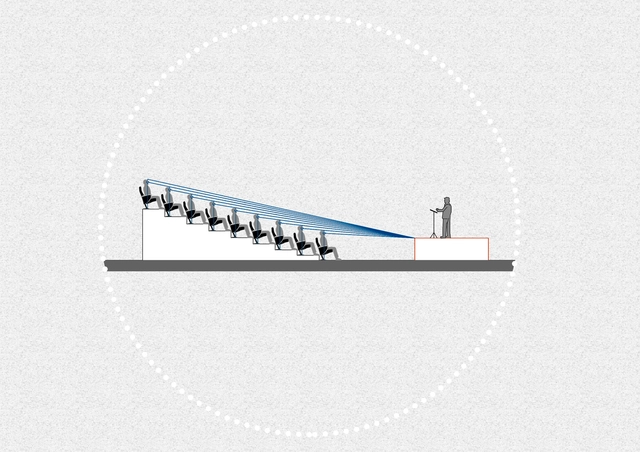
When designing an architectural space, it's necessary to think about how to satisfy the needs of each user, looking to achieve an adequate level of comfort and a pleasant experience. Auditoriums, cinemas, and theatres are spaces that involve large masses of people, so special attention must be paid to factors like isoptics, acoustics or accessibility so that when witnessing an event, everyone is able to receive the same information.
.jpg?1639149896&format=webp&width=640&height=580)
Control of concrete strength and maturity in large-scale projects has traditionally been recorded and measured manually. Nowadays, there are new technologies that allow builders to melt sensors directly into the concrete, which –connected to a transmitter– show continuous data on the material's temperatures, sending this data wirelessly to the cloud platform. The software then automatically calculates maturity and strength based on historical data, so the concrete mix and strength development process can be followed from any device and in real-time.
These sensors, based on 0G technology from Sigfox –one of the main IoT (Internet of Things) operators worldwide– have facilitated the construction of one of the most innovative architectural projects in Europe, the Cactus Towers (Kaktustårnene) in Copenhagen, helping calculate the exact moment to remove the formwork that shapes its characteristic façade.