The A’ Design Award was "born out of the desire to underline the best designs and well-designed products." The A' Design Award, recognizing the excellent and original talent from across the globe, is both a major achievement for designers and a source of inspiration for award-winning architects, brands, and design agencies. Entry and nomination are open to contestants from every country. Registration for the A' Design Award & Competition 2022-2023 period is now open. Register and upload your design here.
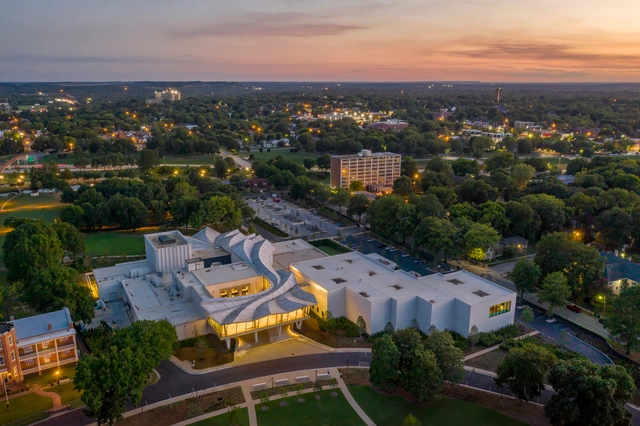
The newly transformed Arkansas Museum of Fine Arts in Little Rock, US, is ready to open to the public on April 22, 2023. Designed by architecture practice Studio Gang in collaboration with Polk Stanley Wilcox and landscape architecture and urban design practice SCAPE, The Museum’s new architectural identity aims to signify its role as a leading arts institution in the region. One of the Museum’s most recognizable features, the folded plate concrete roof, is now complete. The new roofline spans the length of the building, connecting the new construction and the renovated spaces to create a coherent architectural character for the cultural institution.
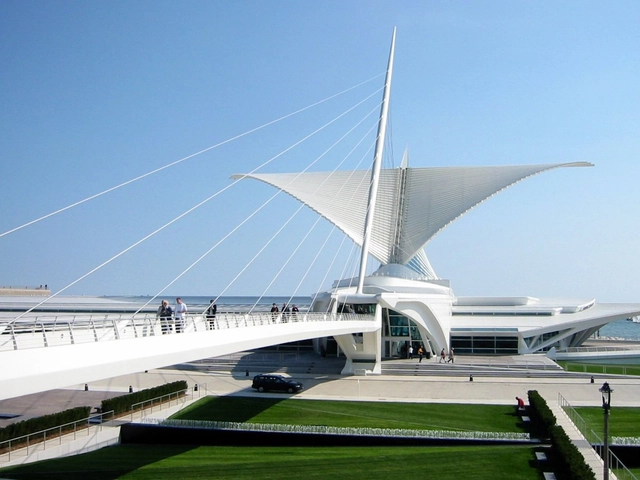
The Quadracci Pavilion at Milwaukee Art Museum. Image via Flickr user bvincent licensed under CC BY-ND 2.0
The Quadracci Pavilion by Santiago Calatrava and the Contemporary Arts Center by the Pritzker-winner Zaha Hadid are celebrating their 20th anniversary. Both buildings are the first US projects completed by these legendary architects that have contributed to the stimulation of economic development in Midwestern American cities over the past two decades. In fact, for that reason, Milwaukee's mayor declared September 16 "Santiago Calatrava Day" to commemorate the Pavillion's opening.
Jim Polshek, who died at 92 last week, was an award-winning architect (AIA Gold Medal, 2018), designer, public advocate, and educator (architecture dean at Columbia, 1973–1987). He was a Midwesterner, born in Akron, Ohio, who went on to open his own practice in 1963, when he founded James Stewart Polshek Architects. Ultimately, the practice became internationally recognized as Polshek Partnership Architects. In 2010, the partners renamed the firm Ennead Architects, and he remained involved as a design consultant.
https://www.archdaily.com/989099/james-stewart-polshek-reflections-on-a-life-in-architectureMichael J. Crosbie
There is an unusual story involving railings during World War II. To meet the demand for ammunition, ships and vehicles for battle, various fences and railings in the city of London were removed for repurposing. The real fate of these pieces, however, is unclear: some say they ended up being dumped into the Thames river or became ballasts for ships, as they couldn't be recycled. The reason was that they were all made of cast iron at the time, making them difficult to reuse; unlike the large amount of materials and designs available today. Their functions, however, have not changed: railings provide protection to occupants and can be prominent elements in architecture. In this article, we explain how to specify and design different types of railings, according to the different materials available.
Kuwait is planning a 1,600-hectare development that will provide residential units, jobs, and amenities for 100,000 residents. Developed by URB, the ambitious project aims to promote a sustainable lifestyle with high standards of living, yet a low impact on the environment. The masterplan for the smart city is designed to optimize density and amenities distribution to create a walkable city, while also optimizing the green space ratio. This will help mitigate the effects of rising temperatures and the urban heat island effect. The green transportation systems and dedicated cycling tracks will make this a car-free city, apart from a ring road that allows for limited vehicular access. The city also promotes a circular economy that aims to provide food and energy security for the residents.