This guide covers a workflow that moves from project parameters to generated floor plans, 3D perspective views, exterior design exploration, and site context visualization, using AI tools in place of preliminary CAD and rendering work.
This guide covers a workflow that moves from project parameters to generated floor plans, 3D perspective views, exterior design exploration, and site context visualization, using AI tools in place of preliminary CAD and rendering work.
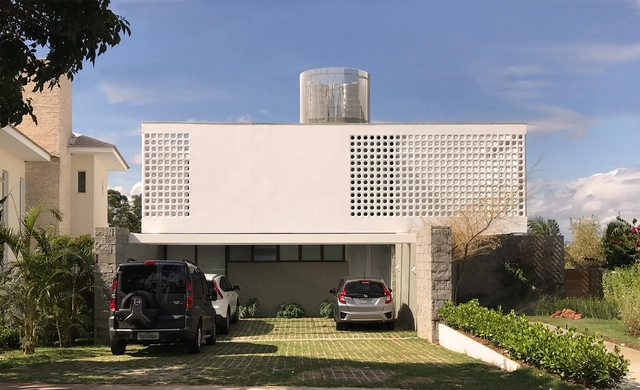
Water tanks are vital components of any building due to their role in the health, safety, and comfort of occupants. Their primary function is to guarantee supply regardless of temporary municipal water cuts, making them increasingly essential during times of water crises.
The 8th {CURA} Award has announced the winners of its competition, which was themed around collective housing for the 21st century. The competition invited participants to reflect on new ways of living in the city, focusing primarily on issues of urban mobility, density, and bioclimatic efficiency.
Each project was evaluated individually, based on criteria such as consistency with the proposed theme; conceptual and architectural quality; creativity and critical vision in the proposed solution; suitability to the urban and territorial context; quality of graphic representation and clarity in communicating the proposal; social and environmental impact; and compliance with the competition brief. Team identities were only revealed after the jury's final decision.

This week's episode of Arquicast discusses the skills and abilities developed during the education of architects and urban planners that can be applied to professional pursuits extending beyond the traditional scope of architecture. Divided into three categories, the 21 careers featured in Ariana Zilliacus's article for ArchDaily demonstrate the wide range of options available to architects, offering a viable alternative to bypass market competition.
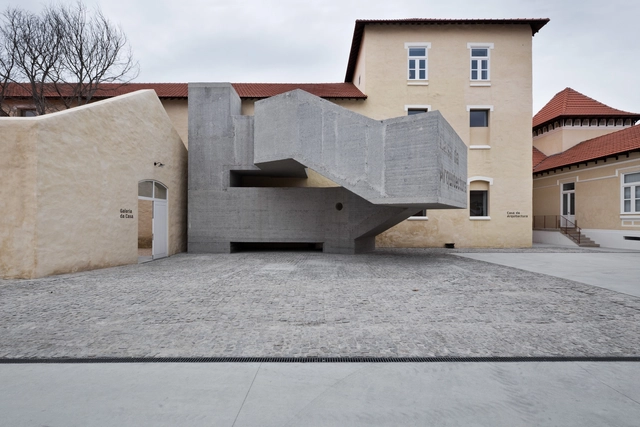
With the goal of getting to know the architects, projects, and stories behind landmark Portuguese architecture, Sara Nunes, from the architectural film production company Building Pictures, launched the podcast No País dos Arquitectos, in which she talks with leading figures of contemporary Portuguese architecture.
In this week's episode, Sara talks with architect Guilherme Machado Vaz about the impact that the Casa da Arquitectura and the former Real Companhia Vinícola have on the city of Matosinhos, in northern Portugal. Revisit the other interviews from the No País dos Arquitectos podcast and read the transcript of the interview with Vaz below:
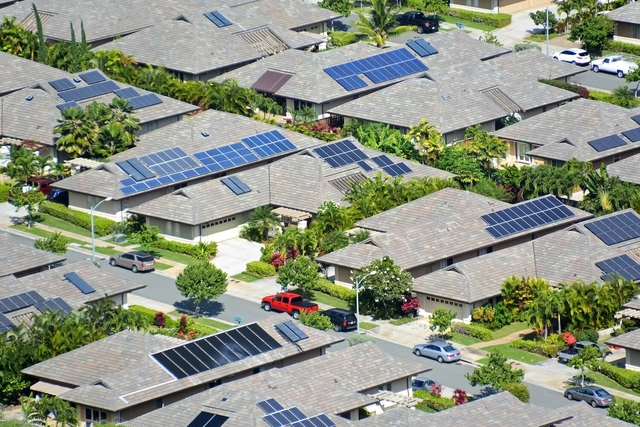
The 2021 Intergovernmental Panel on Climate Change (IPCC) report left many of us wondering whether the world can indeed keep global warming below 1.5°C, the threshold scientists consider safe to avoid the most dangerous impacts of climate change. New research from WRI and Climate Analytics shows that G20 countries, which account for about 75% of global greenhouse gas emissions, can steer the world toward this goal – if they significantly increase their ambition.
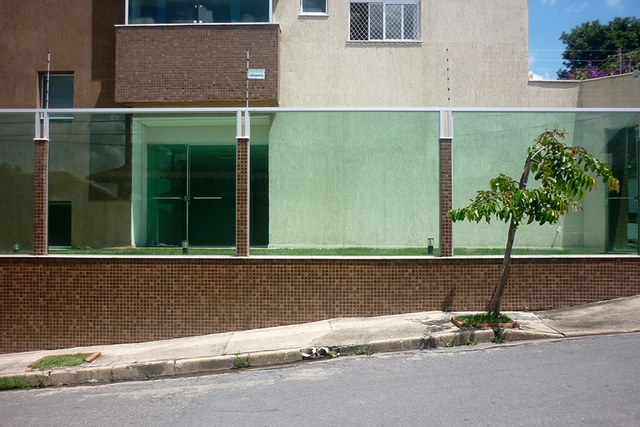
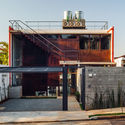
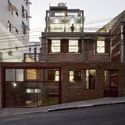
Walls are one of the main problems in our cities. The ultimate physical manifestation of division, they strip away the sense of community on our streets, turning a walk down the sidewalk into an empty, monotonous, and insecure experience. "Eyes on the street" are essential for urban life, particularly in a society as violent as Brazil's.
Why do our cities have so many walls? The real estate sector is usually blamed—the perpetual villain for those who confuse cause and effect. In reality, however, even older homes rely on them.

After a difficult period of isolation, we are finally returning to public spaces. In the search for safe outdoor activities, parks and open-air destinations have become even more prominent. Although São Paulo is famous for being a "concrete jungle" defined by its modern architecture, the city also offers an abundance of green spaces.
Concurso como Prática: A Presença da Arquitetura Paranaense is the title of the documentary featured in the eponymous exhibition on view at the Oscar Niemeyer Museum (MON) until December 12th. Available on YouTube, the feature-length film produced and directed by architects Isabela Maria Fiori and Luiz Gustavo Singeski, in collaboration with Felipe Santos Gomes, presents a comprehensive overview of the participation and awards won by teams from Paraná in architectural competitions.
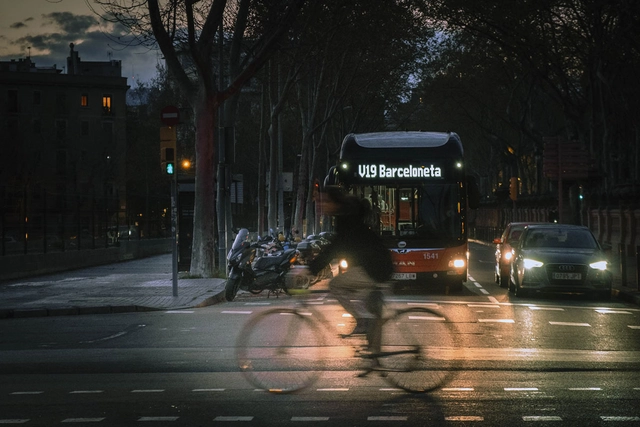
The search for more efficient and sustainable modes of transportation in urban centers has been gaining ground in several cities worldwide. With the pandemic, the benefits of cycling have been proven, and many municipalities have invested in bike lanes and incentives to keep people pedaling, even after the lifting of COVID-19 restrictions.
The use of public transit, another alternative that is more sustainable than private vehicles, becomes safer as vaccination efforts progress. In Barcelona, to further encourage people to abandon their cars—especially older ones—the city administration is offering a free three-year transit pass to residents who get rid of their old vehicles.
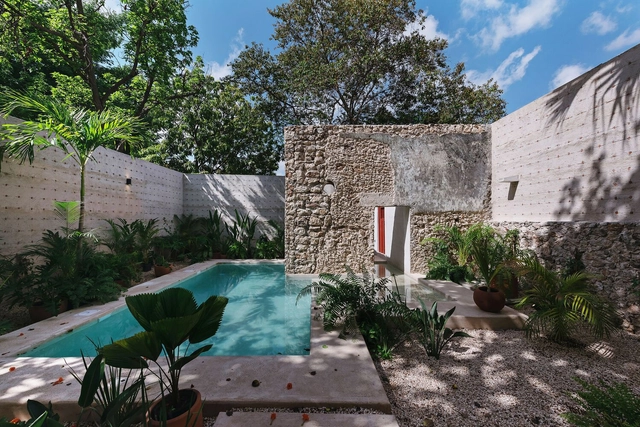
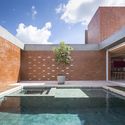
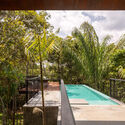
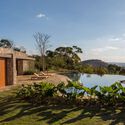
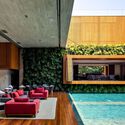
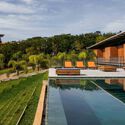
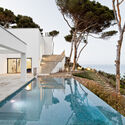
Residential swimming pools have become a staple in housing developments and private homes, particularly in regions where warm weather prevails for most of the year. Sun, shade, and cool water call for a landscape design that fosters harmony in these spaces.

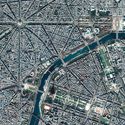
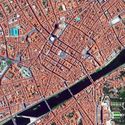
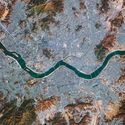
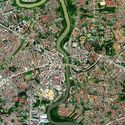
The Thames, the Danube, the Seine, the Nile, the Hudson—all of these names immediately evoke specific cities. This is because discussing the history of urban planning inherently means exploring the relationship between the city and the river, as waterways are fundamental natural elements around which many cities were founded. This is primarily due to the utilitarian nature of water bodies, which, in addition to defining—and consequently protecting—cities, provided water supply and served to transport raw materials and goods. The river, therefore, functioned as an urban backbone, fostering activity along its banks and driving economic and social development.
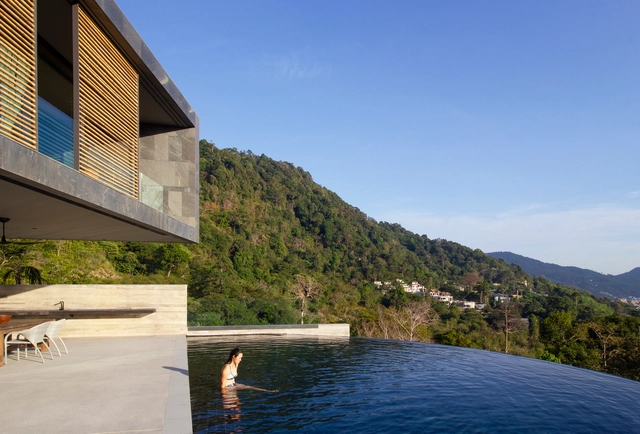
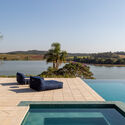
Playing with our imagination by dissolving the boundaries between sky and sea, infinity pools have become increasingly common in architectural projects. The optical illusion that attracts so many clients occurs when one or more of the pool's walls match the water level exactly, tricking the eye into believing there are no physical boundaries containing the volume. In this system, water literally overflows into a reservoir, from which it is pumped back into the pool.
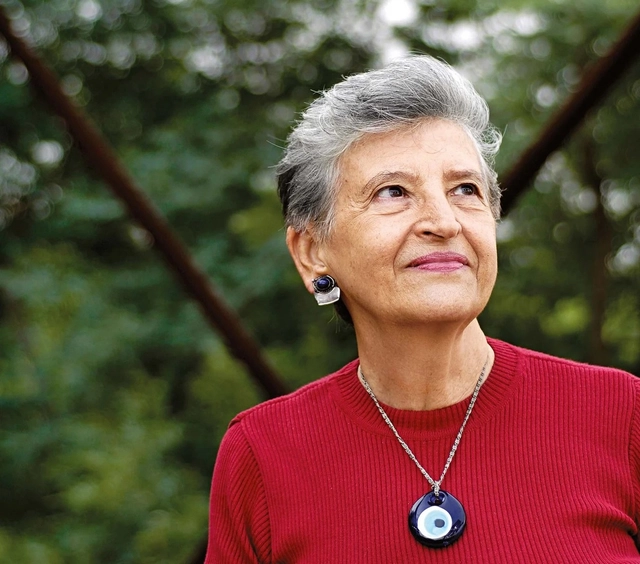
In this episode of the Perfil do Arquicast series, which reflects on the lives and works of established figures in architecture and urbanism, the team discusses a Brazilian architect who, in her own words, "invented a profession" in which she became a global reference. Through her courageous and engaged stance, she went far beyond her professional duties to make an invaluable contribution to elevating an entire class of architects dedicated to studying and shaping the Brazilian landscape. We are talking about the grand dame of Brazilian landscape architecture, architect and landscape architect Rosa Grena Kliass.
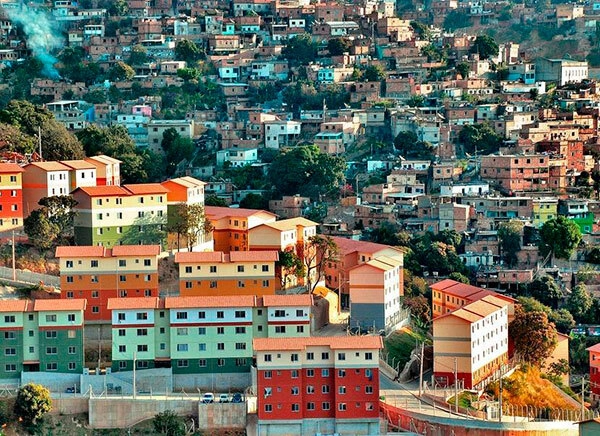
CAU Brazil has launched two public calls for institutional support aimed at selecting civil society organizations (CSOs) interested in carrying out two major initiatives to promote architecture and urbanism. Over R$ 1 million will be allocated to cultural projects and technical assistance for social interest housing (ATHIS).
Romano Guerra Editora has launched a presale campaign to support the publication of the book Arquitetura e escrita: relatos do ofício, a collection compiling 24 interviews with prominent Brazilian and international historians and critics spanning different generations and intellectual backgrounds. The book is edited by José Lira, Felipe Contier, João Sodré, Jonas Delecave, Paula Dedecca, Samira Chahin, and Victor Próspero.
Conducted by the editors or guest contributors, the interviews shed light on their formative paths, affiliations, and major works, as well as their methodological and interpretive approaches, and their dialogues with other authors and disciplines.
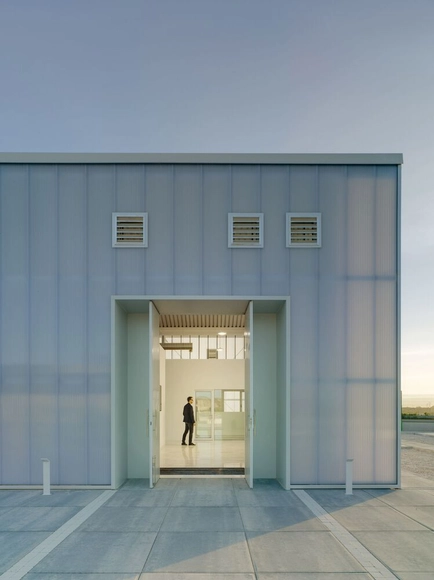
Transparent media allow light to pass through without dispersing it. Translucent materials, on the other hand, allow light to pass through in an irregular manner; because a portion of the light disperses, they prevent us from seeing through them with total clarity. Translucent surfaces act as veils, revealing without exposing, and literally blurring the boundary between interior and exterior. This effect is widely utilized in architectural design. From the signature facades of Steven Holl to the Moreira Salles Institute (IMS) in São Paulo, as well as many other examples in global architecture, this translucency can be achieved through specialty glass, acrylics, or other plastics. However, polycarbonate is a material that inherently delivers this effect, and it can be used in countless applications, from walls to skylights, and across highly diverse programs.
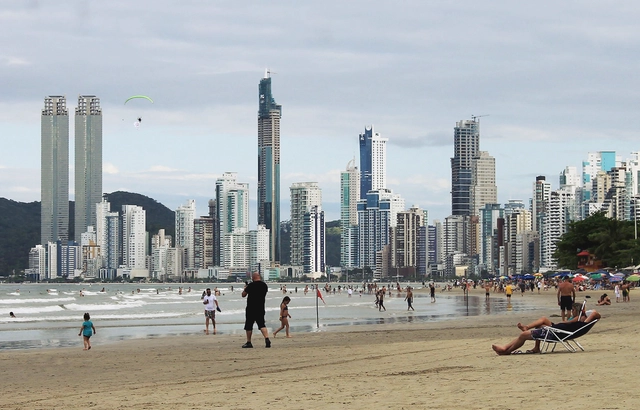
According to Gerard Peet in The Origin of the Skyscraper, the word "skyscraper" first acquired an architectural connotation in the early 1880s. It appeared in newspaper articles like the Chicago Daily, highlighting the growing construction of tall buildings in New York.
In her book on the history of skyscrapers, Judith Dupré refers to skyscrapers as "soaring divas," "city icons," "movie stars," and "symbols of power" that command the urban scene of our metropolises.
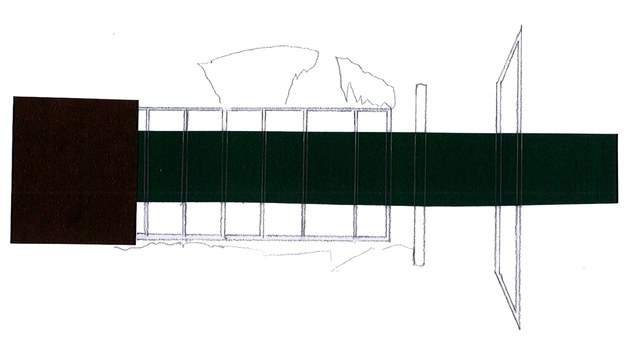
A manifesto invariably anticipates a work. It comes first, as a way of publishing it and disseminating it to a larger audience. Furthermore, a manifesto invariably "post-sees" another manifesto. It rereads a work so as to rewrite it, adapting it to its own theories.
With the crisis of an entire ideology, the postwar period was highly fertile for architectural theory. Journals published a wide variety of manifestos with surprising frequency. Indeed, these texts illustrate architectural debates far more effectively than built projects from the same period. After all, as the name itself suggests, publications were primarily responsible for making ideas public, especially since actualizing them as projects was often impossible. It was these journals, therefore, that fostered the debates, enabling constant ideological shifts within the architectural field.
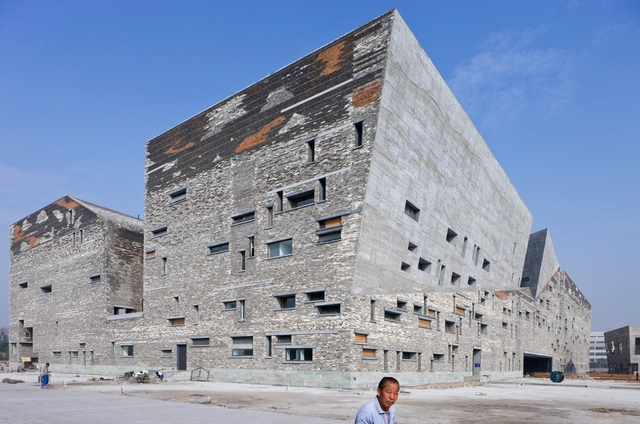
Recycling materials in architecture is not just about pursuing sustainable solutions; it is also about engaging with the past by using discarded materials, defying the construction logic long taught in our discipline. Reusing elements allows historical and cultural contexts to resonate through the materiality and symbolism inherent in each piece, further elevating the project's overall concept.

Returning safely to the streets is beginning to emerge as a new reality for a society that reinvented itself in the face of the Covid-19 pandemic. But what should this renewed experience of public space look like? Are our cities truly prepared to welcome children, adults, women, families, and all social groups? Spurred by these questions, Gabriela Callejas, co-founder of Cidade Ativa, advocates for the “City of Yes”—an approach focused on all people that places the family, in its most diverse configurations, at the center of urban design decisions and municipal investments.
Maps are fundamental tools for understanding the built environment. Rather than just representing locations, they allow us to visualize spatial relationships, recognize urban patterns, overlay layers of information, and produce new ways of reading a territory. In architecture, they can help reveal how projects are distributed across cities, identifying which areas concentrate investments or remain on the margins. Furthermore, maps are never neutral: all cartographic representation involves choices—such as data selection, spatial boundaries, and projections used—that can carry political intentions, reinforcing or questioning power structures and worldviews.
In partnership with the platform PLACE, developed by the firm OSPA, ArchDaily Brasil presents an interactive map featuring most of the projects published on the site in recent years. Each point provides information such as images, location, and technical data about the works. The initiative uses exclusively public data available on the platform and includes projects in almost every Brazilian state.
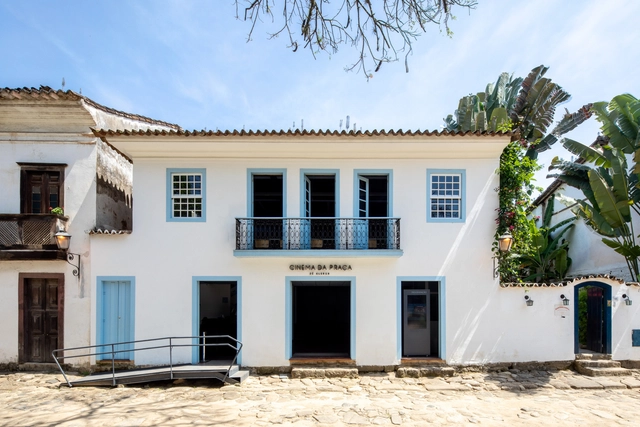
Territorial occupation responds to a series of factors; indeed, it is through economic development and the distribution of income, labor, and services across the territory that we see cities grow and expand. Neighborhoods and regions are gradually transformed in response to current economic models. This logic creates urban voids in the form of fully completed buildings, equipped with complete infrastructure, yet remaining vacant or underutilized. The trajectory of historic centers and street cinemas illustrates this logic, prompting us to reflect on how to address these challenges in the contemporary city.
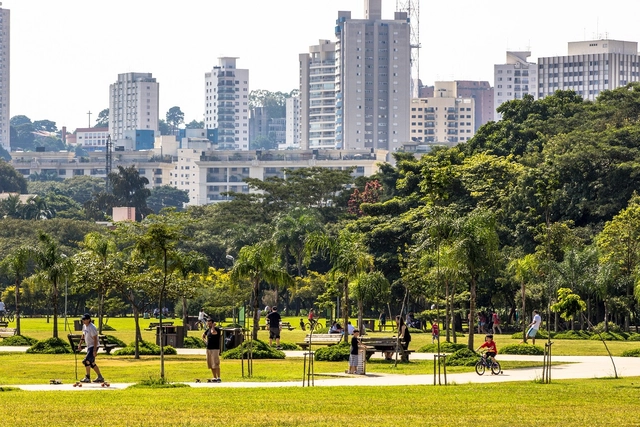
Cities are at the center of the crisis caused by Covid-19, once again exposing issues such as the lack of access to housing, transportation, infrastructure, and quality services—especially among low-income populations. The effects of the climate emergency on urban centers are also highly visible and increasingly frequent, as made clear by new evidence in the latest report from the Intergovernmental Panel on Climate Change (IPCC). Brazil currently faces a water and energy crisis, having also recently suffered from torrential rains, floods, and landslides, some of which resulted in fatalities. In the medium and long term, coastal cities will be affected by rising sea levels.
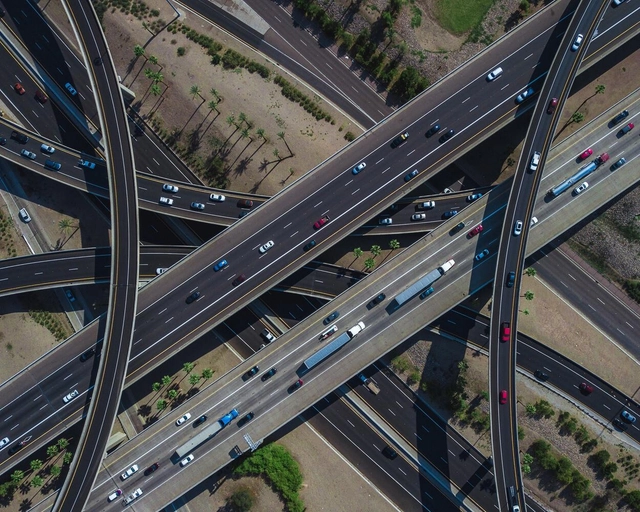
Expressways are limited-access highways in populated areas, designed to allow high-speed motorized traffic over long distances. Some run through city centers, while others encircle the urban core.
Once considered the pinnacle of transportation design in the 1950s, these projects are now as obsolete as floppy disks. Walking, cycling, and public transit are more sustainable, safe, healthy, efficient, and productive. To address this issue, the Institute for Transportation and Development Policy (ITDP) produced the infographic Expressways vs. Complete Streets, aimed at comparing both in terms of health, efficiency, housing, environmental quality, and quality of life.