Subscriber Access

Water Tanks: How to Incorporate Them into Architectural Design

Water tanks are vital components of any building due to their role in the health, safety, and comfort of occupants. Their primary function is to guarantee supply regardless of temporary municipal water cuts, making them increasingly essential during times of water crises.

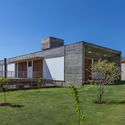
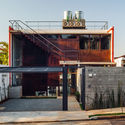
Water Tanks: How to Incorporate Them into Architectural Design - Image 5 of 19Water Tanks: How to Incorporate Them into Architectural Design - Image 3 of 19Water Tanks: How to Incorporate Them into Architectural Design - Image 4 of 19Water Tanks: How to Incorporate Them into Architectural Design - Image 16 of 19Water Tanks: How to Incorporate Them into Architectural Design - More Images+ 14

Because they generally rely on gravity to generate the necessary water pressure, water tanks are situated at the highest point of the building, with their size and volume scaled to the number of occupants. Furthermore, they must be easily accessible for routine cleaning and maintenance. These characteristics, while essential for proper operation, often present a major design challenge when integrating them into a project.

Content Loader

Image gallery

See allShow less
About this author
Cite: Ghisleni, Camilla. "Water Tanks: How to Incorporate Them into Architectural Design" [Caixa d’água: como incorporá-la ao projeto arquitetônico] 30 Sep 2021. ArchDaily. (Trans. Romullo Baratto) Accessed . <https://www.archdaily.com/1128616/water-tanks-how-to-incorporate-them-into-architectural-design> ISSN 0719-8884
Reserva House / Pablo Padin Arquiteto. © Pablo Aleksitch Padin

水箱:如何将其融入建筑设计

是否

You've started following your first account!

Did you know?

You'll now receive updates based on what you follow! Personalize your stream and start following your favorite authors, offices and users.