
The Thames, the Danube, the Seine, the Nile, the Hudson—all of these names immediately evoke specific cities. This is because discussing the history of urban planning inherently means exploring the relationship between the city and the river, as waterways are fundamental natural elements around which many cities were founded. This is primarily due to the utilitarian nature of water bodies, which, in addition to defining—and consequently protecting—cities, provided water supply and served to transport raw materials and goods. The river, therefore, functioned as an urban backbone, fostering activity along its banks and driving economic and social development.

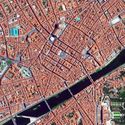

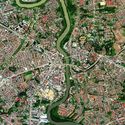

From early on, a relationship emerged that was shaped by the need to domesticate the landscape and master the power of water, as seen as early as the 5th century BCE in the Mesopotamian plains of the Nile River, where small villages with complex irrigation systems emerged, demonstrating humanity's first efforts to regulate the access to and use of water.


