Studio Gang has revealed 63rd House, its design for Blue Tin Production's new manufacturing studio in the heart of Chicago’s southwest side. The new headquarters, which is an adaptive reuse project of Chicago's two-story brick post office that was built in 1920, will feature a mix of meeting and artist spaces around a central community room, "centralizing workers’ well-being, deepening connections with neighborhood residents and partners, and building long-term economic mobility and racial equity across the city".
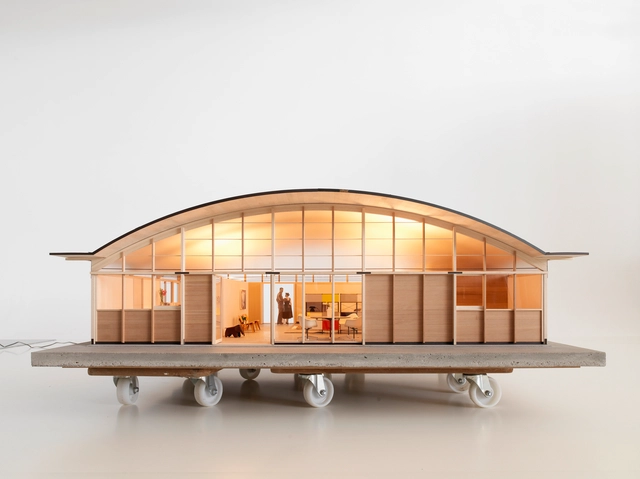
In celebration of its eight decades of design history, Eames Office recently inaugurated a new exhibition at Design Gallery Isetan The Space in Tokyo, rememorating Charles and Ray Eames’ human-centred design philosophy. Featuring classic furniture designs, archival works, recreated architectural models as well as new projects developed with brands like Herman Miller, Vitra, Ravensburger or Reebok, The 80 Years of Design exhibition illustrates the prolific and highly diverse work of the studio, highlighting the value of its designs for contemporary living.
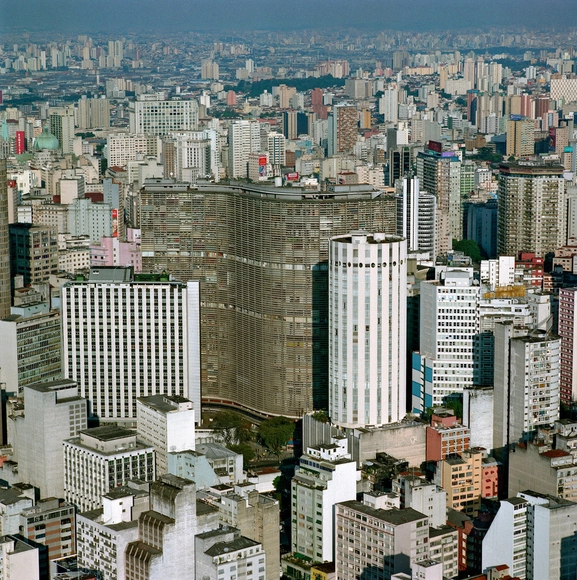
One of Oscar Niemeyer's most famous projects, the iconic Copan building in downtown São Paulo, may finally have its restoration work started. After being negotiated for ten years, the project presented by a company hired by the building administration was partially approved by the Department of Historical Heritage (Departamento de Patrimônio Histórico - DPH) and the Municipal Council for the Preservation of the Historical, Cultural and Environmental Heritage of the City of São Paulo (Conselho Municipal de Preservação do Patrimônio Histórico, Cultural e Ambiental da Cidade de São Paulo - Conpresp).
Designed by Niemeyer together with Carlos Lemos, the building will celebrate the 70th anniversary of the beginning of its construction next year. However, it has been suffering from maintenance problems on the facade for almost two decades, such as infiltrations, falling tiles, disfiguring, detachment of concrete, and exposure of steel reinforcement, according to technical findings reported to the heritage agencies.
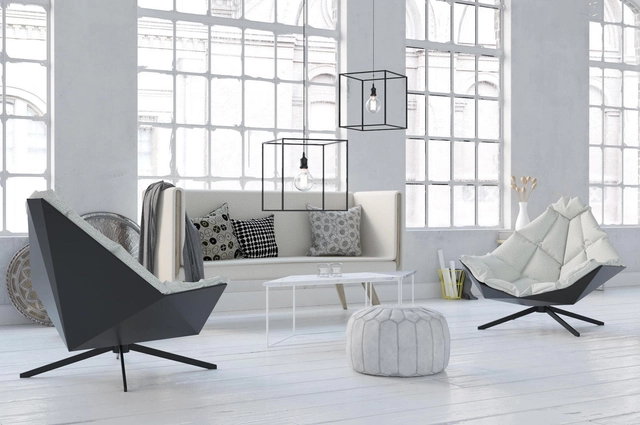
With walls and ceilings a long way away, often the most practical way to control the placement of a light source and the positioning of light, is to drop it into the exact position where it’s required, with a pendant light.
Even designer pendant lighting can be as simple or as complex as the project’s parameters call for. From the most intricate sculptures of glass or mechanical puppetry to a single bulb on a cord, here are seven types of pendant light, and the purposes and projects for which they’re best suited:
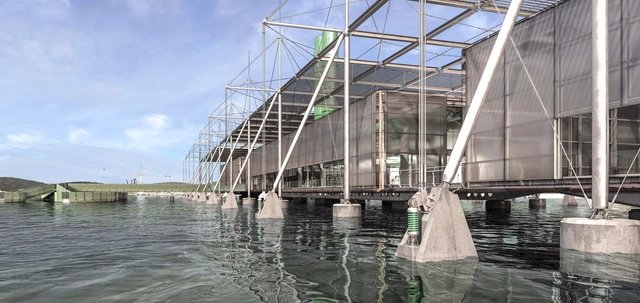
Architecture students from Mackenzie Presbyterian University in São Paulo have won the 14th ALACERO Steel Design Competition for Architecture Students 2021, surpassing competitors from countries such as Argentina, Chile, Mexico, Ecuador, and the Dominican Republic. The competition aimed to promote architectural concepts that utilize steel as their primary material.
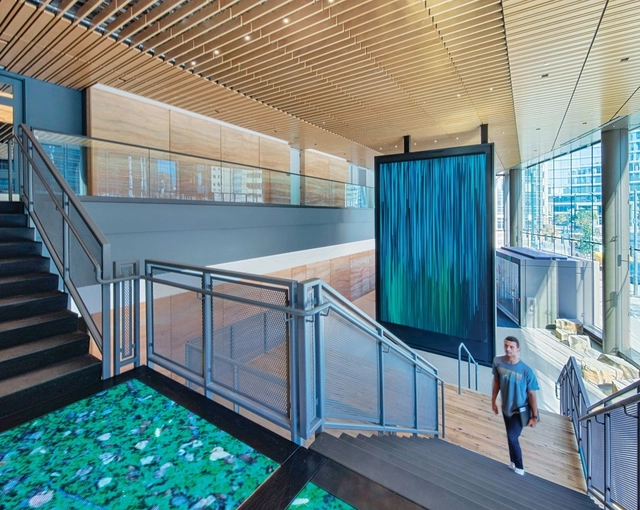
Rapt Studio has recently completed the new headquarters for VF Corporation in Denver, Colorado. With a mission to power active and sustainable lifestyles for the betterment of people and the planet, VF is a diverse collection of global brands. Their new ten-story headquarters brings together several of those brands under one roof, and at the same time, allows each of them to maintain individuality and expression.
TRANSFER Architecture Video Award announced the awarded entries of its second edition in the framework of the cinema encounters Ecrans Urbains 2021 at the Musée Cantonal des Beaux-Arts of Lausanne, Switzerland.
The winner is the video by Joshua Bolchover and John Lin, Split Lives, Hong Kong, 2021
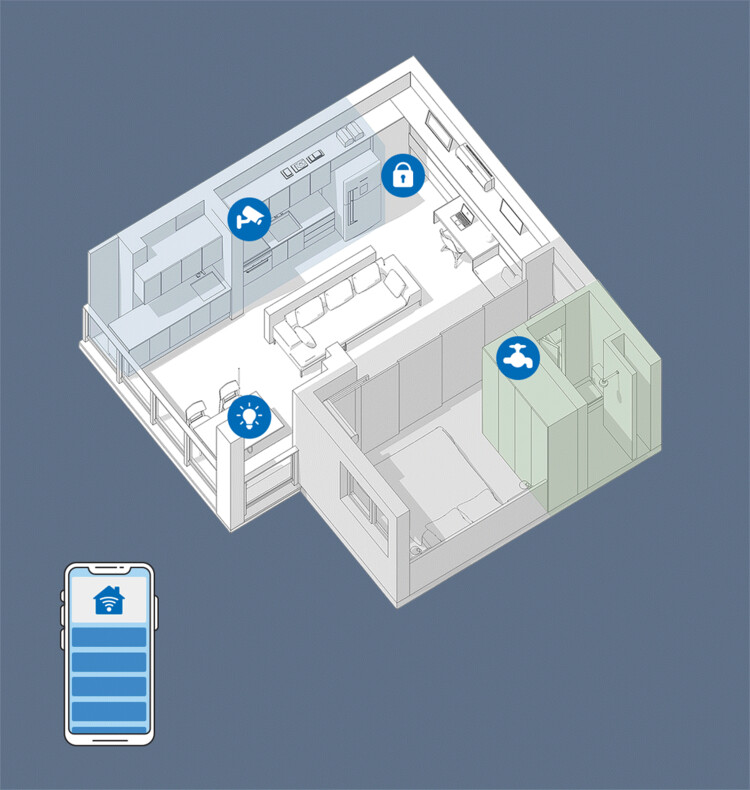
In the future, the Internet of Things (IoT) will play an increasingly profound role in our lives, with devices communicating independently and integrating into our daily routines as smart assistants. As a result, demand for smart home technology is growing in tandem with the range of products on offer. In a recent report, market research firm Statista predicted that this year, approximately 12% of households worldwide will own smart home devices, a figure projected to rise to over 21% by 2025—translating to more than 478.2 million users globally. But which of these devices are actually useful? A selection of outstanding technologies and designs has recently been honored with the 2021 iF Design Award, and here we take a closer look at nine of them.
Aare River, Bern, Switzerland. Created by @dailyoverview Source imagery: @maxartechnologies
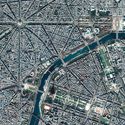
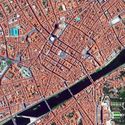
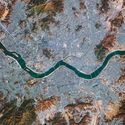
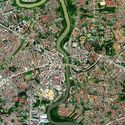
The Thames, the Danube, the Seine, the Nile, the Hudson—all of these names immediately evoke specific cities. This is because discussing the history of urban planning inherently means exploring the relationship between the city and the river, as waterways are fundamental natural elements around which many cities were founded. This is primarily due to the utilitarian nature of water bodies, which, in addition to defining—and consequently protecting—cities, provided water supply and served to transport raw materials and goods. The river, therefore, functioned as an urban backbone, fostering activity along its banks and driving economic and social development.
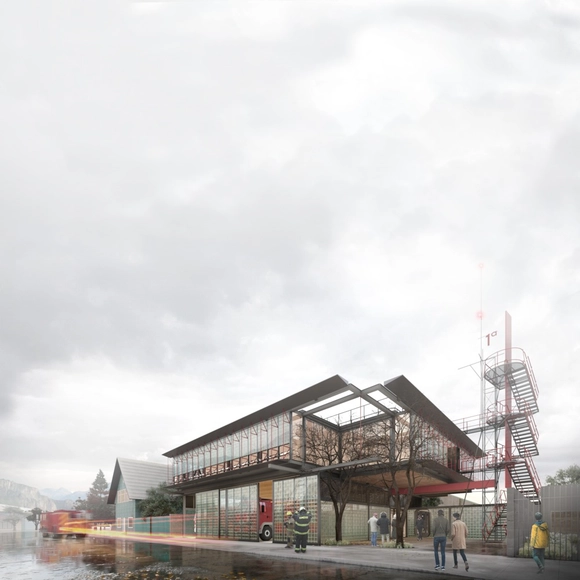
Vista calle. Image Cortesía de Cristóbal Tirado y Sebastián Hernández
The team led by Cristóbal Tirado and Sebastián Hernández won first place in the public competition for the design of the First Fire Company Station of Coyhaique, located in the Aysén Region, Chile. Launched by the Aysén Directorate of Architecture of the Ministry of Public Works (MOP) in conjunction with the Regional Government, the competition aimed to completely replace the town's First Fire Company Station. The design was required to incorporate high energy efficiency standards while enhancing the urban image of the city of Coyhaique.
"Domingos Libro" is hosted by Carmelo from Enorme Studio, where every two weeks, he delves deeply into forgotten architectural publications, books, and architectural magazines from the '60s, '70s, and '80s that carry the most interesting stories behind them.
This latest episode focuses on the 1989 double issue 181/182 of the Catalan magazine QUADERNS, specifically examining an unfinished house by Paco Alonso, an architect from the Madrid School who never completed any of his works and was once dubbed "The Builder of Ruins" by a colleague.
The rise of electric scooter fleets in cities around the globe happened almost overnight. By making transportation fun, they quickly took over a new market share and provided not only an easy way to travel but one that also prides itself in being sustainable. First becoming popular on the West Coast of the United States, scooters migrated eastward, eventually sweeping across Europe as well. Easy to maneuver and a convenient solution to get from place to place, we have to ask- can cities handle the accelerating rise of scooters and other forms of micromobility?
Videos
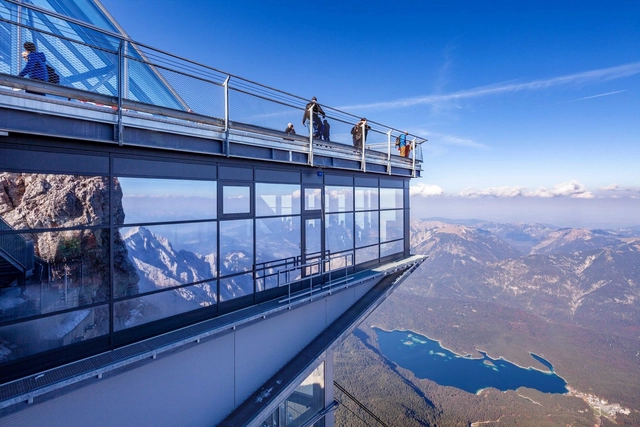
Zugspitze Mountain Station / Eibsee, Germany - Photo by Christoph Seelbach . Image Courtesy of Vetrotech Saint-Gobain
While glass is generally singled out as the weakest part of a building, it is not always true. With technological advances and the continuous innovations of the industry, there is glass that, even while allowing natural light to enter an environment, can protect the building from fire. Beyond fire, there are also other threats such as hot gases, smoke, and heat transmission, which put the safe evacuation of people and the protection of property at risk.
The Architectural Photography Awards 2021 has announced its shortlist for its ninth edition. Supported by Aluprof UK and the World Architecture Festival (WAF), the shortlist was selected from around 2000 entries and 42 countries, "highlighting the expertise of architectural photography and focusing on the skill and creativity of the photographer". The photographs are divided into 6 categories: Exterior, Interior, Sense of Place, Buildings in Use, Mobile, which this year’s theme is Greening the City, and Portfolio with the theme of Building with History.
Plus Architecture has designed a new building for student accommodation on the campus grounds of Moore Theological College in Newtown, Sydney, focusing on encouraging interaction. Through scale, morphology and materiality, the John Chapman House mediates between the university facilities and surrounding context defined by busy roads, heritage sites and tall buildings while providing students with a network of meeting spaces fostering collaboration and conviviality.
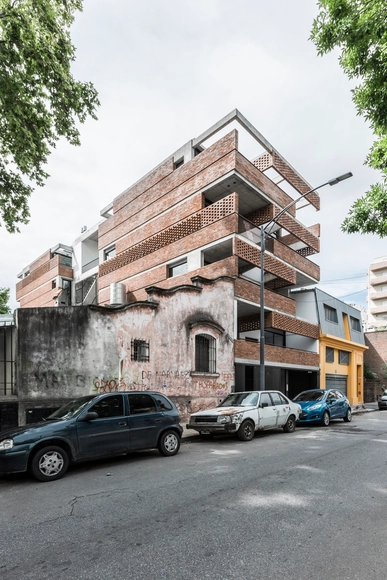
Edificio Juana Azurduy 1635 / BAAG. Image Cortesía de BAAG
Since 2008, the BAAG Studio, or Buenos Aires Architectura Grupal, has demonstrated that taking the time to collectively think, experiment, and rethink, not only reinforces architecture as a discipline, it advances it. The group's projects and research have added to the shared-practice-driven critical thinking that has become increasingly essential within the profession.
We sat down with BAAG to hear more about their inspiration, processes, education, and their predictions going forward.
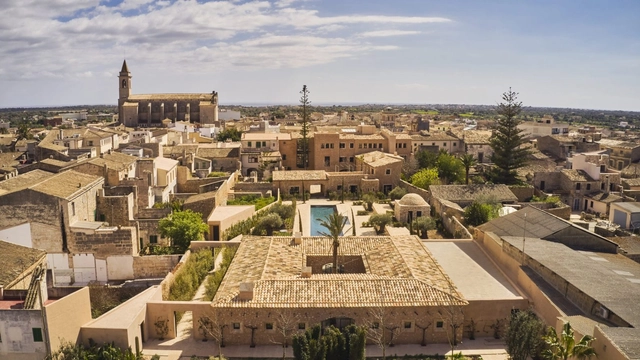
Hotel Can Ferrereta Mallorca - Premio Rafael Manzano. Image Cortesía de Premio Rafael Manzano
The Rafael Manzano Prize for New Traditional Architecture aims to promote the value of traditional architecture as a proven reference for contemporary architecture in Spain and Portugal. It seeks to do so both in the restoration of historical and artistic monuments and urban ensembles, and in the construction of new buildings that, based on local traditions, integrate harmoniously into these contexts.
Architecture, by its very definition, involves the construction of structures. Structures that are meant to serve as spaces for work, living, religious devotion, amongst many other purposes. Architectural projects and interventions, however, need land – and it is this intrinsic relationship, between land and architecture, that has massive ramifications not only regarding reducing carbon emissions but more importantly in forming an equitable future rooted in climate justice.
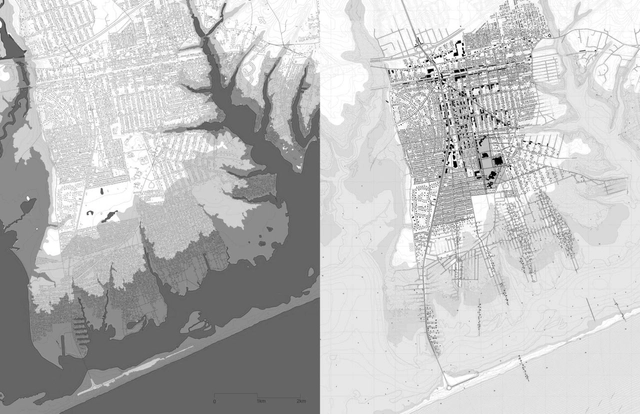
A future flood map of Mastic, New York. Right: A plan for densifying the town’s high, dry ground and retreating from the shoreline. . Image Courtesy of Rafi Segal And Susannah Drake
A lot can happen in the space between a book’s title and subtitle, as A Blueprint for Coastal Adaptation: Uniting Design, Economics, and Policy (Island Press, 2021) demonstrates. Here, in a reversal from the norm, the subtitle assumes the more evocative bent by elevating design to the same status as economics and policy. To some, this might seem a spurious move, but the volume lives its creed: Its editors include two design academics and a business school professor, to say nothing about the myriad backgrounds of its contributors.
Blueprint goes deep into the policy decisions that have shaped the brittle condition of coastal infrastructure. It coalesces into a convincing picture of the wider context in which design operates, with the aim of making the built environment more equitable for those caught on the front lines of certain climate change cataclysm.
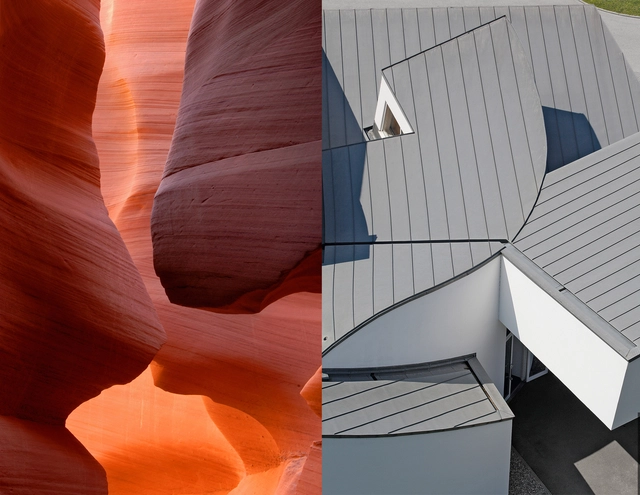
Antelope Canyon (USA) / Vitra Design Museum (Deutschland). Image Courtesy of Rheinzink
Nature is always to be found in things and architecture - and it is exciting, aesthetic, and astonishing. This is especially apparent in the exhibition of Gerhard Schönnenbeck's photographs of landscape shots, juxtaposed with architecturally impressive objects that were perfectly staged with zinc cladding panels developed by RHEINZINK.
In their series “Inspired by nature,” RHEINZINK presents these reflections that Gerhard Schönnenbeck captured so well with his camera.
To get to know the architects, projects, and stories behind landmark Portuguese architecture, Sara Nunes, of the architectural film production company Building Pictures, launched the podcastNo País dos Arquitectos, in which she talks with leading names in contemporary Portuguese architecture.
In this week's episode, Sara talks with architects Cristina Guedes and Francisco Vieira de Campos, of the firm Menos é Mais Arquitectos, about the Arquipélago - Contemporary Arts Center in the Azores. Catch up on past interviews from the No País dos Arquitectos podcast and read the transcript of the interview below:
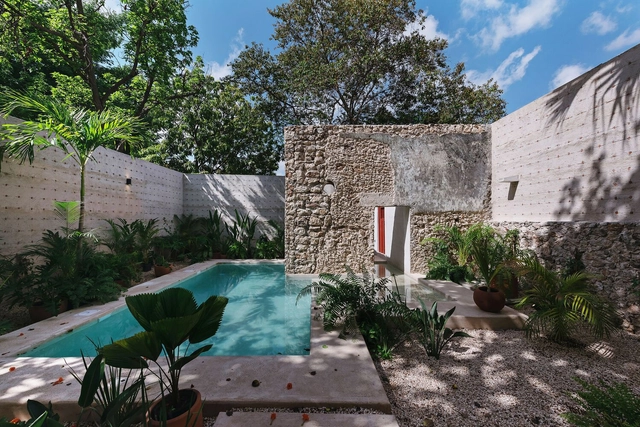
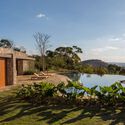
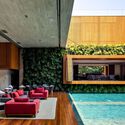
Residential swimming pools have become a staple in housing developments and private homes, particularly in regions where warm weather prevails for most of the year. Sun, shade, and cool water call for a landscape design that fosters harmony in these spaces.
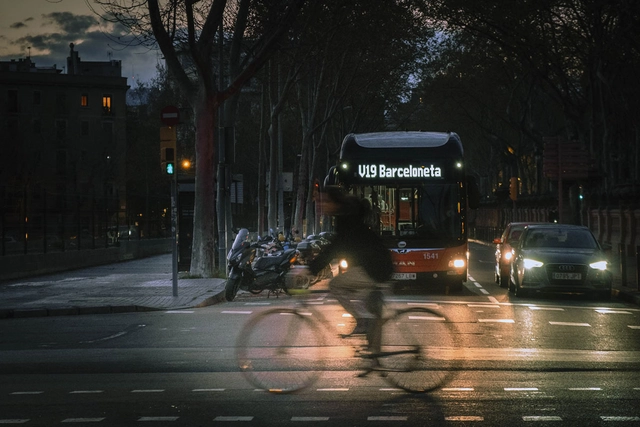
The search for more efficient and sustainable modes of transportation in urban centers has been gaining ground in several cities worldwide. With the pandemic, the benefits of cycling have been proven, and many municipalities have invested in bike lanes and incentives to keep people pedaling, even after the lifting of COVID-19 restrictions.
The use of public transit, another alternative that is more sustainable than private vehicles, becomes safer as vaccination efforts progress. In Barcelona, to further encourage people to abandon their cars—especially older ones—the city administration is offering a free three-year transit pass to residents who get rid of their old vehicles.
The organization Climate Central has developed a series of images and videos simulating how various cities around the world could be affected by rising sea levels if the world fails to meet emissions reduction targets.
Climate Central scientists analyzed where populations are most vulnerable over the next 200 to 2,000 years under different warming scenarios. The findings are alarming:
StudioGang.jpg?1636447310&format=webp&width=640&height=580)
StudioGang.jpg?1636447390 "© Studio Gang")
StudioGang.jpg?1636447331 "© Studio Gang")
StudioGang.jpg?1636447289 "© Studio Gang")
StudioGang.jpg?1636447383 "© Studio Gang")
StudioGang.jpg?1636447310)