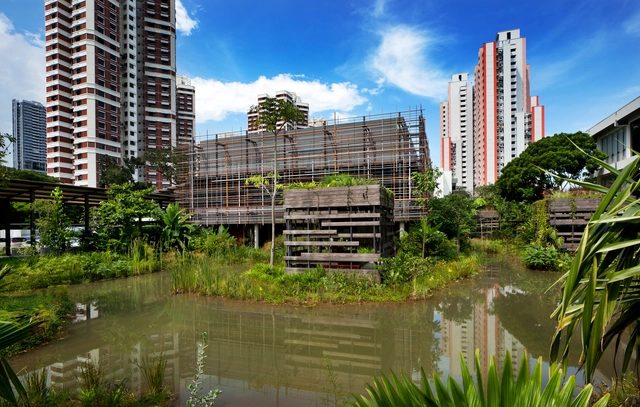
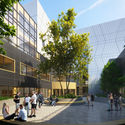
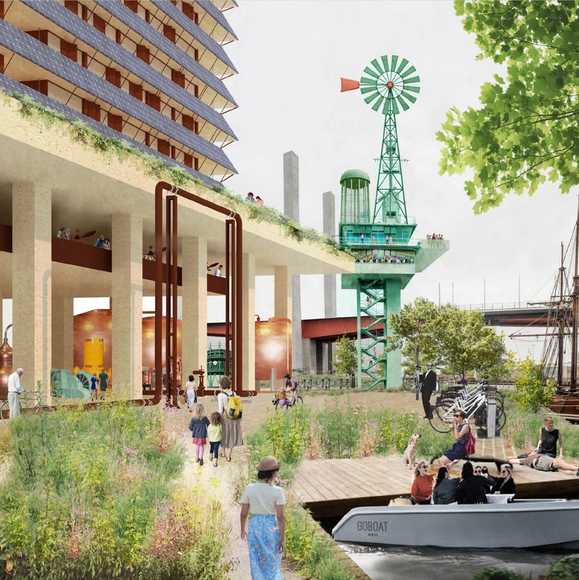
New Architecture by Kennedy Nolan. Image Courtesy of Finding Infinity
Australian research lab Finding Infinity has collaborated with architects, councils and investors to create a strategy that would turn Melbourne into a self-sufficient city by 2030. Building on exemplary case studies and scientific research, the initiative proposes a 10 step plan for the city’s transition from a consumer of resources to a zero-carbon urban environment.
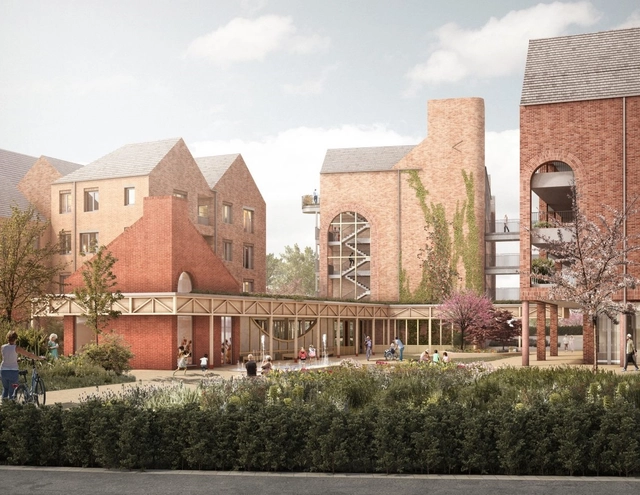
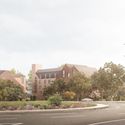
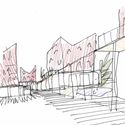
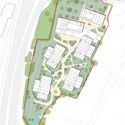
London-based RCKa has designed a net-zero carbon retirement village for Chester in the United Kingdom. Located in Boughton Heath, the project was made with engineer Max Fordham to reduce carbon emissions. Nearly 15,000 square meters, the village will be made to achieve the Fitwel Standard with more than 140 apartments as an on-site, extra-care development.
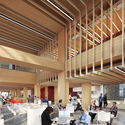
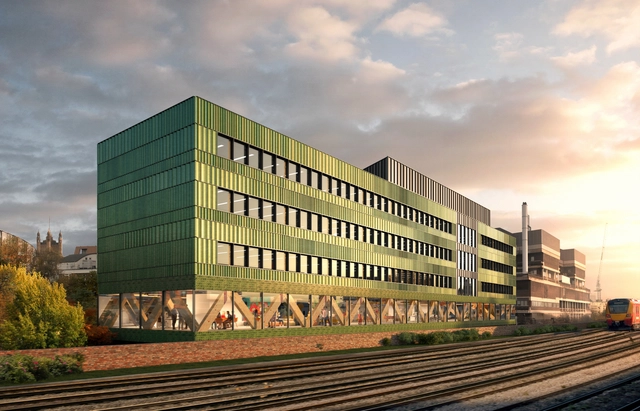
A new six-story net-zero carbon office development in Vauxhall, London, UK has been granted planning commission by the city council to move further. Designed by FCBStudios, the timber workspace named Paradise, will transform an abandoned site on old Paradise street, and replace the existing disused roastery.
The concept of “decarbonization” has been in vogue recently in political speeches and global environmental events, but it has not yet gained enough attention in the field of architecture to profoundly change the way we design and construct the world of tomorrow. Buildings are currently responsible for 33% of global energy consumption and 39% of greenhouse gas emissions, indicating that architects must play a significant role if we are to stop or reverse climate change. With carbon acting as a universally agreed upon metric with which the greenhouse gas emissions of a building can be tracked [1], one of the most important ways through which this goal can be achieved is therefore the decarbonization of buildings.
https://www.archdaily.com/938866/urgent-issue-10-strategies-to-decarbonize-architectureLilly Cao
The 2020 UK Passivhaus Awards are free to enter for all certified Passivhaus & EnerPHit schemes that not only have architectural ambition but can also prove their impeccable eco credentials. We’re looking for ground-breaking schemes that will prove the Standard can tackle the climate crisis and create healthy environments.
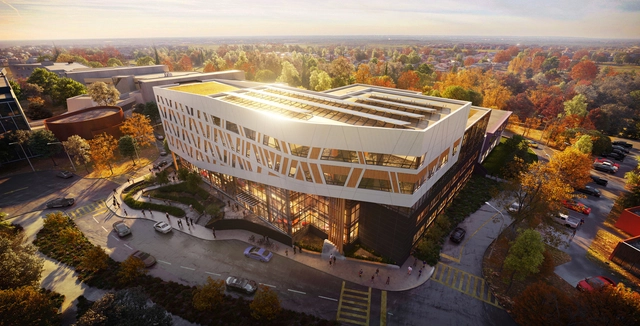
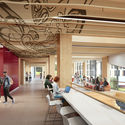
Centennial College, Ontario's first public college, has collaborated with DIALOG, Smoke Architecture, and EllisDon to design and build the first zero-carbon, mass timber higher-education building in the country. Scheduled for completion in 2023, the new gateway structure will bring together Indigenous and Western cultures in both form and function.
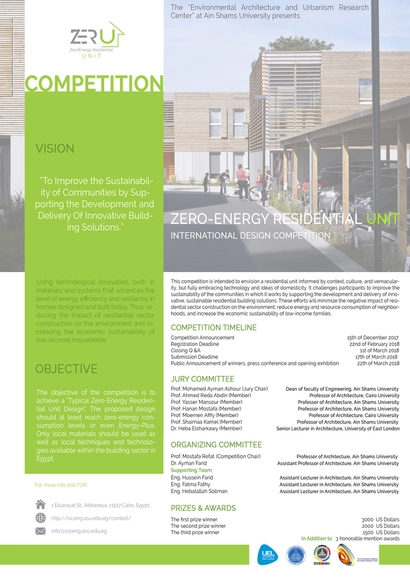
The International Collaboration office at the Faculty of Engineering Ain Shams University is pleased to announce its 1st International Architectural Design Competition.
'I just blew off the architecture profession, really. I mean, I have blown it off in my mind as a profession because it’s not addressing the issues that we face. So I coined a new word called ‘biotechure,’ and I use that. I would say I’m a ‘biotect.'
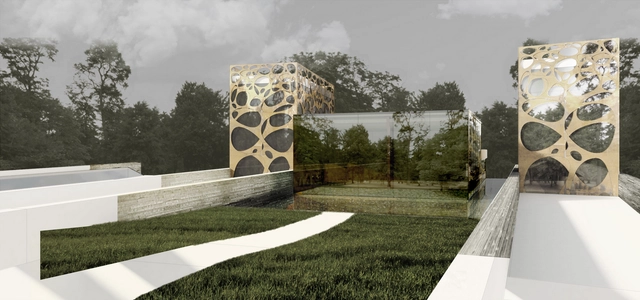
Coupdeville Architects has proposed designs for an environmentally responsible, carbon zero building in London. The earth sheltered structure is set into an existing slope on the site where it is arranged into three zones: an adult's area and a children's area both connected through larger living spaces. Following a requirement that the design provide areas "that allow the buildings occupants to be immersed on all sides by the site," all spaces are connected directly to the gardens. Not only has this allowed for optimal levels of sunlight into the rooms, but has allowed for excellent views from within and of the building.
The Bullitt Center, a six-story, 50,000 square foot office building in Seattle that aspires to be the world's greenest commercial building, opens its doors to the public today on Earth Day. This $30 million "living laboratory," designed by Miller Hull Partnership, distinguishes itself from other sustainable projects with its composting toilets, the exclusion of 350 common toxic chemicals - including PVC, lead, mercury, phthalates, BPA and formaldehyde - along with a strict energy and water budget that aims for self-sufficiency under the Living Building Challenge. The environmentally-conscious Bullitt Foundation hopes that the new center will demonstrate that carbon-neutral office space can be "commercially viable and aesthetically stunning," a series of systems that can be easily copied elsewhere without being overly demanding in upkeep.
Read more about the Bullitt Center after the break...





.jpg?1596100203 "Courtesy of FCBStudios")
.jpg?1596100176 "Courtesy of FCBStudios")

.jpg?1596100270 "Courtesy of FCBStudios")