The November 2016 issue of a+u is a special issue dedicated to the Austrian architect Hermann Czech, who lives and works in Vienna, and was edited in cooperation with guest editor Professor Christian Kühn of the Technische Universität Wien. This issue explores the many facets of his architectural thought and practice through works that range from furniture design through to urban-scale infrastructure.
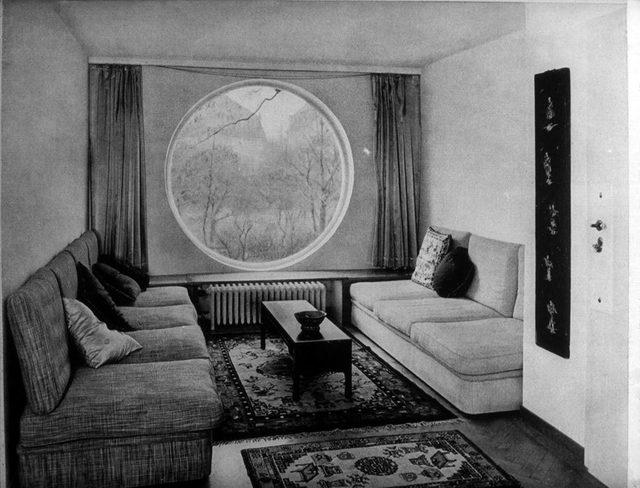
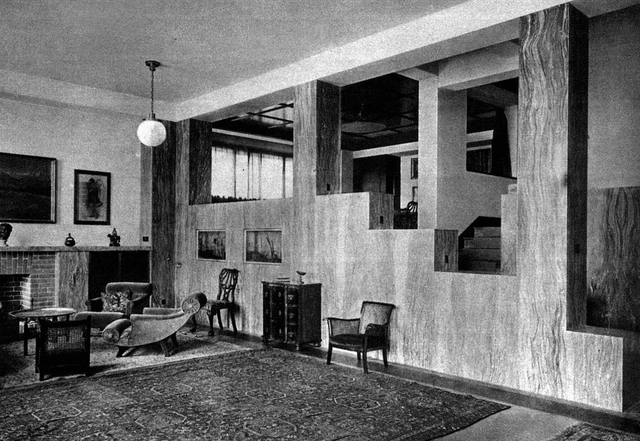
Villa Beer (1930) / Josof Frank. ImagePublic Domain
The Villa Beer (1929-1930) is considered to be one of Josef Frank's—the great Austro-Swedish architect—most important built projects. As reported by DisegnoDaily, the architectural integrity of the house—which was originally commissioned by the industrialist Julius Beer and built in the Viennese suburb of Hietzing—is now under threat despite being proposed for protection by the Austrian government as a historic site in 2007.
https://www.archdaily.com/799821/the-architectural-integrity-of-josef-franks-villa-beer-may-be-irrevocably-lostAD Editorial Team
Welcome to the fourth installment of The Long(ish) Read: an AD feature which presents texts written by notable essayists that resonate with contemporary architecture, interior architecture, urbanism or landscape design. Ornament and Crime began as a lecture delivered by Adolf Loos in 1910 in response to a time (the late 19th and early 20th Centuries) and a place (Vienna), in which Art Nouveau was the status quo.
Loos used the essay as a vehicle to explain his distain of "ornament" in favour of "smooth and previous surfaces," partly because the former, to him, caused objects and buildings to become unfashionable sooner, and therefore obsolete. This—the effort wasted in designing and creating superfluous ornament, that is—he saw as nothing short of a "crime." The ideas embodied in this essay were forerunners to the Modern movement, including practices that would eventually be at core of the Bauhaus in Weimar.
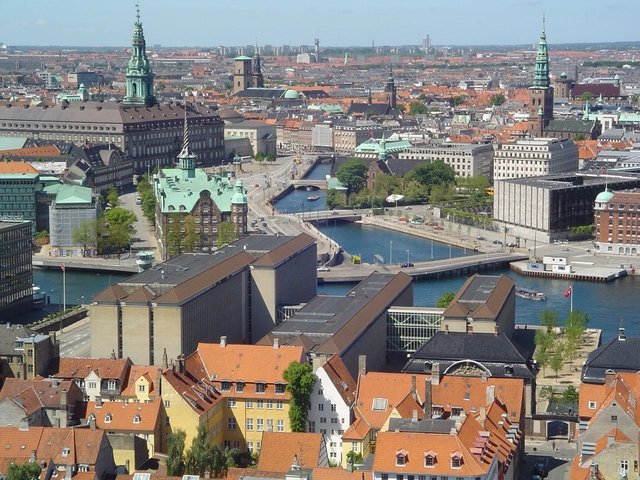
Metropolis Magazine has released their 2016 rankings of the world's most "livable" cities. Acknowledging that what makes a city "livable" can often be subjective, the team at Metropolis emphasizes that in creating the list they "focused on the concerns at Metropolis’ core—housing, transportation, sustainability, and culture." The result of this research was last year's top prize-winner Toronto dropping to the number 9 spot and Copenhagen, which last year took the number 4 spot, jumping to the top. Rounding out the top three are Berlin and Helsinki.
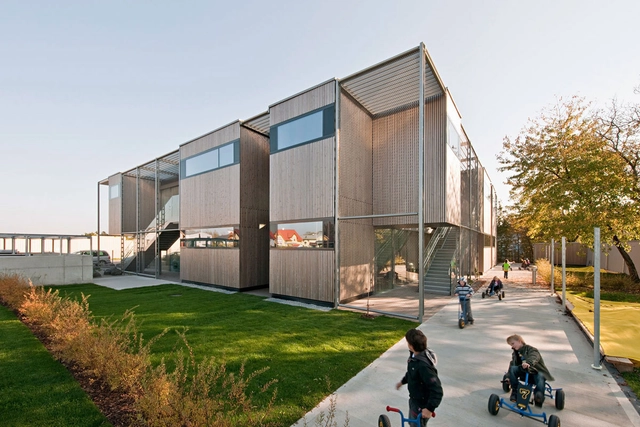
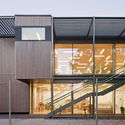
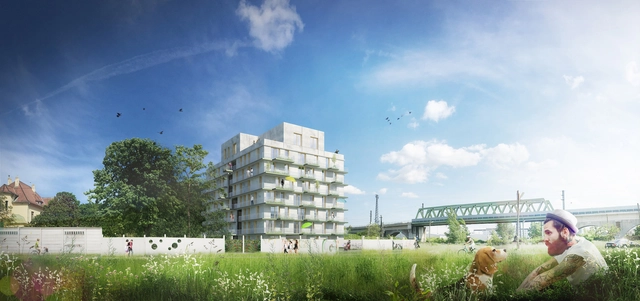
feld72 has won the competition for the design of the Neu Leopoldau, a Youth Living residential complex in Leopoldau, a post-industrial area on the outskirts of Vienna. Based on the idea of creating community, the project utilizes overlaying, staggered, and connected spaces and communication areas to facilitate the feeling of a village.
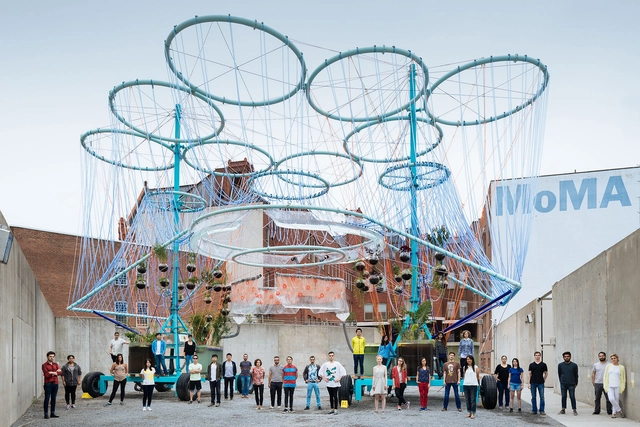
Spanish, New York-based architect Andrés Jaque (Office for Political Innovation) has been awarded the 10th Kiesler Architecture and Art Prize by the Mayor of Vienna, citing Jaque’s "capacity to go beyond assumptions about traditional practice and urban life." In 2015 Jaque was declared the MoMA PS1 YAP (Young Architects Programme) winner for COSMO – a complex, and beautiful, water purifying prototype that has been installed in Brooklyn. He and his office are also collaborating with Mark Wigley and Beatriz Colomina on the design for the upcoming Istanbul Design Biennial, Are We Human?
In this video, Jesús Granada takes us inside the Austrian Pavilion at the 2016 Venice Biennale. The exhibition, titled Orte Für Menschen (Places for People), focuses on the creation of innovative housing solutions required to handle Austria’s current refugee crisis. The pavilion displays three projects currently underway in Vienna, where three architect teams have been paired with NGOs to convert abandoned buildings into temporary accommodation for asylum seekers, and later, into long-term residences.
Viennese firm Zechner & Zechner have been awarded first prize in a competition to design a new office building in the courtyard of the historic Rossau Barracks building in downtown Vienna. The firm’s entry, called “Floating Double-X,” takes inspiration from the symmetry of its context to place a minimally invasive office block into the existing courtyard space.
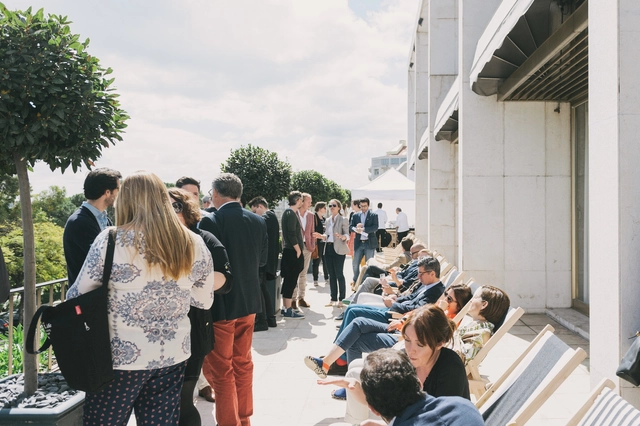
The 2016 Quality of Life Conference will bring together key voices from the worlds of architecture, business, design, urbanism and culture to discuss how to improve our nations, cities and workplaces. Welcoming 200 delegates and 20 speakers from around the world, the event will be hosted at the historic Palais Ferstel by Monocle’s Editor-in-Chief Tyler Brûlé, alongside the magazine’s editors and correspondents. The summit will also be broadcast live on Monocle 24 Radio and will featured in a series of films on the Monocle website.
In the latest edition of The Urbanist, Monocle 24's weekly "guide to making better cities," the team revisit the theme of heritage, asking why we should "learn to cherish the history of our cities." They visit one of the world's oldest medinas in Tunis, Tunisia, and explore some of the Austrian capital's less than charming Listed buildings, before asking whether or not the quintessential British terraced (row) house is still a cultural icon.
















.jpg?1465841181&format=webp&width=640&height=580)