


-
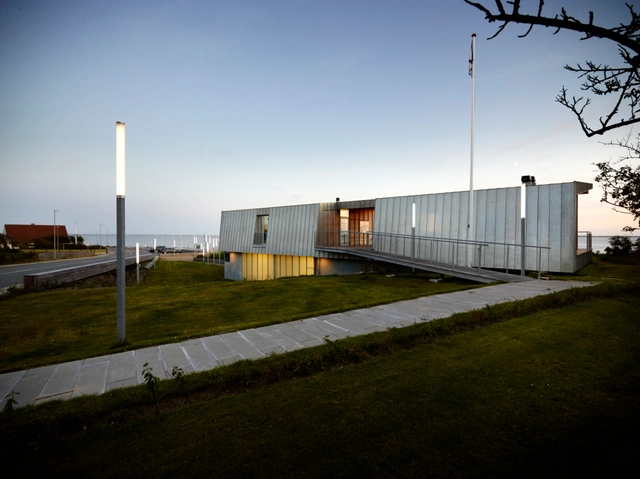
Architects: Spektrum Arkitekter
- Area: 150000 m²
- Year: 2011
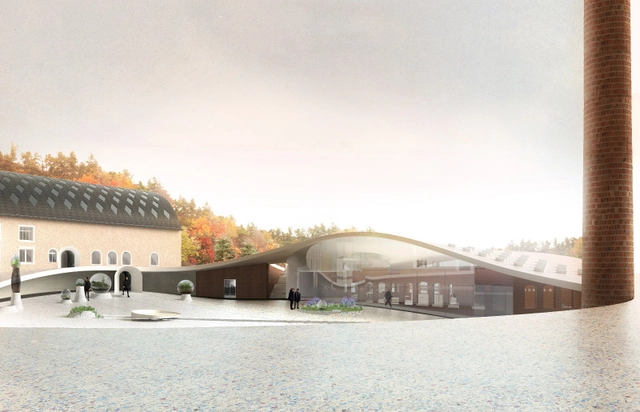
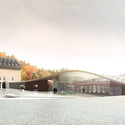
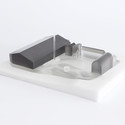
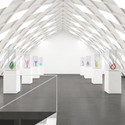
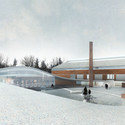
SO-IL, in collaboration with FREAKS freearchitects, has been selected as the first-prize winner of a competition to reinvent the historic Site Verrier in France. Located in the Northern Vosges Natural Park, the updated plan addresses three elements of the site's industrial past while providing a dynamic space for cultural interaction and historic exploration of Site Verrier's glass factory days.

Populous' has released plans to redevelop Jacksonville, Florida’s riverfront Shipyards district into a massive recreation and entertainment hub. Unveiled by the Jacksonville Jaguars' team owner Shad Khan and president Mark Lamping, the property will be injected with life to better stimulate economic activity in the area and make the forgotten plot a bustling destination for locals and tourists alike.
Read on after the break for more information and an animation of the Shipyards vision.
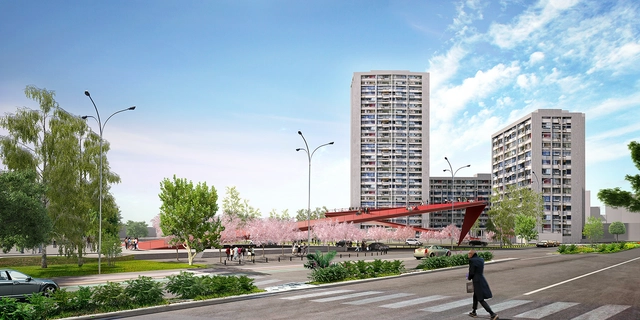
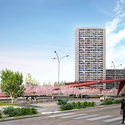
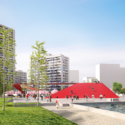
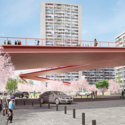
Chilean architects Archiplan and international office Architects of Invention have unveiled their concept design for a new public plaza in Santiago. Prepared as a competition entry, the proposal is a tribute to the late Chilean architect Fernando Castillo Velasco, sited in front of his iconic Tajamar Towers.
Entitled "Origami Highline," the project draws inspiration from the ancient Japanese paper folding craft of origami and takes the form of a sculptural intervention in Balmaceda Park.

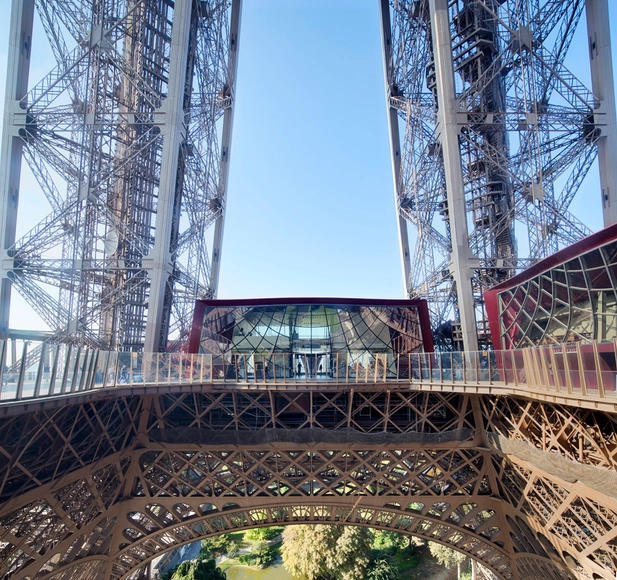
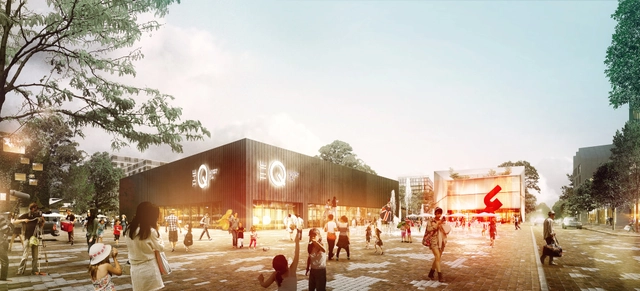
The Downtown Q 2025 Design Ideas Competition, aimed at revitalizing Queanbeyan, New South Wales’ downtown area, has just selected its first place winner. A collaboration between STEWART ARCHITECTURE, Stewart Hollenstein, and ASPECT Studios, the winning proposal focuses on increasing pedestrian traffic, creating more green spaces, and taking full advantage of the town’s riverfront property.
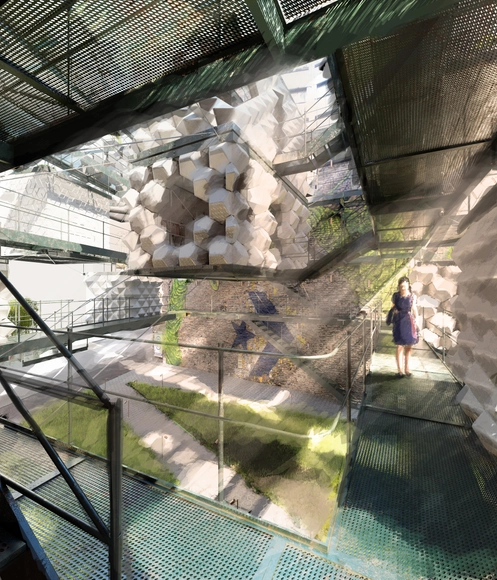
3D printing technology is quickly emerging as a technology that could be applied at the scale of the built environment. But could we use 3D printed materials to create engaging urban spaces that are constantly changing? Creative communications agency, The Neighbourhood, has imagined speculative architecture based on 3D printed materials.

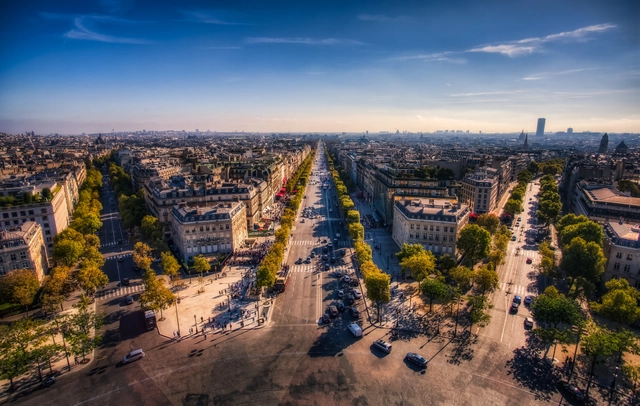
Why do cities exist and how will they grow and change? As more than half of the world’s population now lives in cities it is becoming increasingly important for urban designers and planners to seek answers to these questions. This article by Laura Bliss from City Lab presents the “science of cities,” and the ways in which the urban-planning world is moving away from traditional methods of simply putting cities into categories, in favor of a more evolutionary theory. Benefiting from the vast amounts of data available today on statistics such as crime and voting patterns across cities, researchers have worked to establish the quantifiable characteristics of urban areas as a whole, and recent studies in this area reveal how the shapes of cities themselves could be connected to internal economic and social processes. Learn more about these radical developments in the full article from City Lab.















.jpg?1421374695 "Courtesy of Dżus GK Architekci")

.jpg?1421375959 "© Jannes Linders")


.jpg?1421375909 "© Jannes Linders")








a.jpg?1415762213 "© Artur Silva")