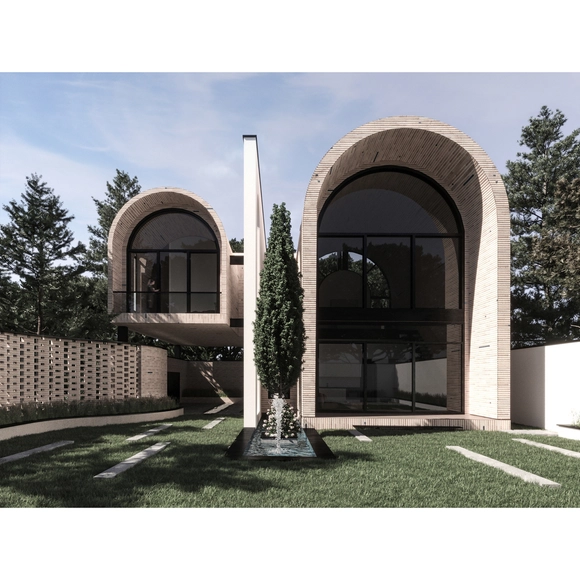
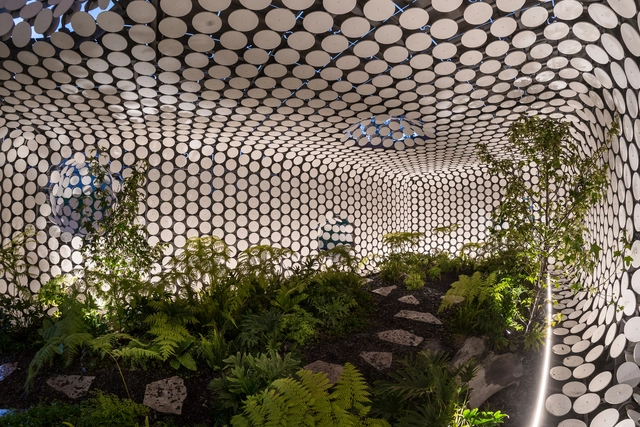
Hossein Hassani - Amin Habbibi - AAD Architecture Office. Image Courtesy of A' Design Awards
The 2023 A' Design Award Competition is announcing its last call for submissions, which close on February 28th, with the results announced to the public on May 1st. The international A' Design Awards give designers an opportunity to showcase their work to a global audience, for designers, architects, or innovators from any other design field. Among other design competitions and awards, the A' Design Award stands out for its exceptional scale with over 100 design categories.
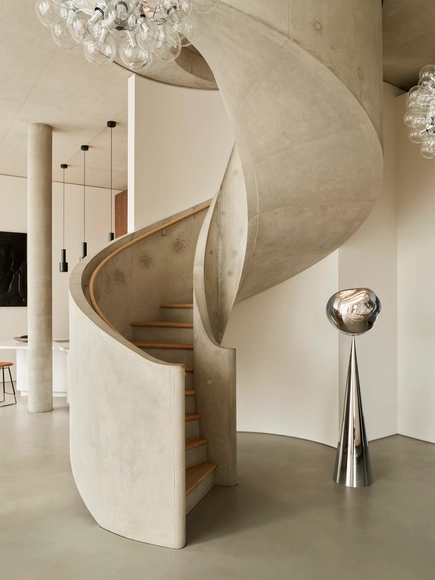
With a simple flick of a switch, lighting has the ability to completely transform a space, define its ambiance and create a mesmerizing, multi-sensory experience. It can cast shadows and highlights, add depth and texture, and even has the power to stir emotions and influence our well-being. More than just a practical source of illumination, it’s a tool for sculpting spaces and making a bold statement. Lighting fixtures come in various shapes, sizes and styles, each with a unique character and purpose; from the ornate elegance of a chandelier hanging from the ceiling to the sleek minimalism of a recessed light installed into a wall. The possibilities for creative expression are endless. Innovating and breaking the boundaries of traditional lighting design, Tom Dixon’s sculptural luminaires are a testament to these possibilities.
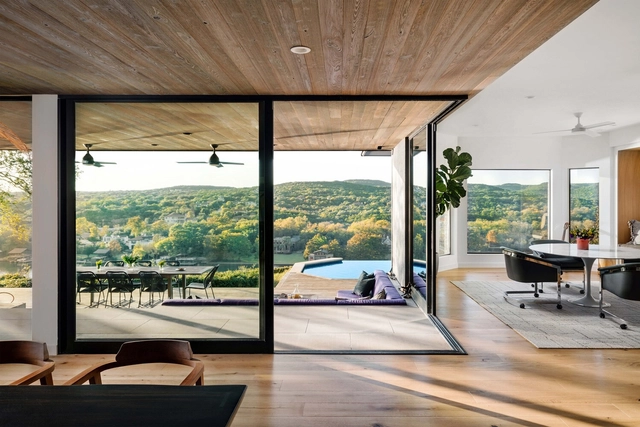
The world's oldest stained glass window (which is still standing) is conventionally believed to be in Augsburg Cathedral in the German state of Bavaria. Depicting the prophets David, Jonah, Daniel, Moses and Hosea, it is estimated to be nearly 1,000 years old, having undergone significant bombing during World War II. Long before that, however, mankind had been working with glass, and while today we have thin frames with crystalline sheets and a variety of properties, we had to come a long way to get here. In this article we will tell you a little about the evolution of glass windows and the technologies and possibilities that we have today.
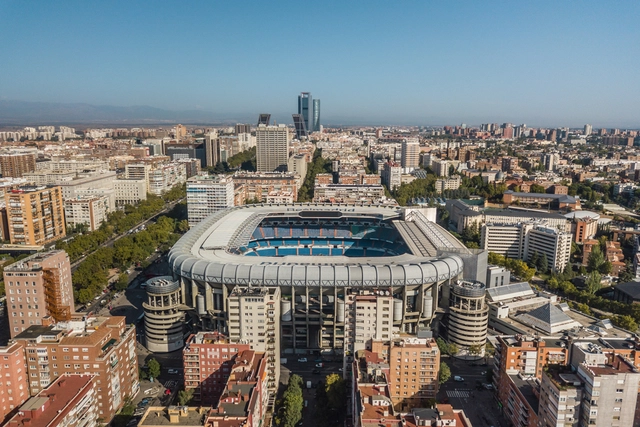
The 2022 FIFA World Cup was unique as the first FIFA tournament held in the Middle East. In another first, the FIFA World Cup, historically held between June and July, was moved to November and December, in view of Qatar’s 40˚C+ climate during the summer months. Even during the cooler months, Qatar’s average temperature reaches 26˚C. Combining this with the heat emitted by tightly packed spectators would at times have made the experience uncomfortable. As a result, Qatar air-conditioned eight of the nine open-air football stadiums – a significant challenge which was overcome through innovative design, technology and architecture and by utilizing spot cooling; and a complex undertaking when it is also important to maintain sustainability credentials.
To effectively cool the stadiums, the most crucial challenge was to prevent or at least reduce the hot air from outside coming into the stadium, which was achieved through the stadiums’ design and architecture.
Videos
Courtesy of The School of the Art Institute of Chicago
The most recent season of ByDesign –a television series that explores design, featuring the designers who bring ideas to life– returns with its sights set on the architecture of the United States. America ByDesign: Architecture will feature six of the US’s most significant architectural accomplishments, competing toward a finale to determine the ultimate winning design. Past ByDesign seasons have focused on New York, California, and Australia—and now, the series will zoom in on the Windy City and the School of the Art Institute of Chicago (SAIC).
Videos
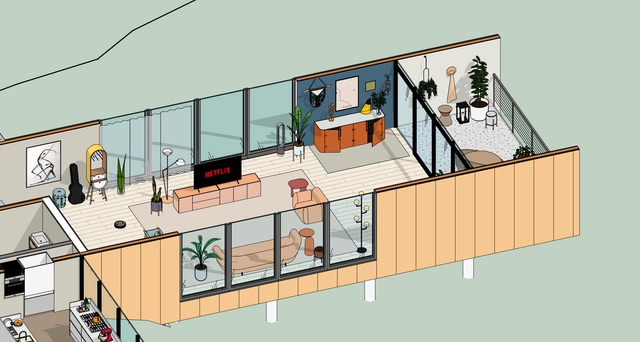
The interior designers for the Chengdu Hotel leveraged a true life-cycle BIM workflow across design teams and contractors to reduce construction time by 50%. Image Courtesy of SketchUp
Most architects are looking to win more work; not just higher-paying projects but those that allow them to unleash their creativity and passion. These opportunities can be won or lost on a professional's ability to communicate their design vision — so the proposal has to be on point. These tips from leaders in the design field can help architects win bids and create their dream projects.
In a new series entitled "Opening Up", Dutch manufacturer of pivot door hinges FritsJurgens embarks on a series of video stories that explore the world’s most captivating pivot door projects. Every last Monday of the month, FritsJurgens releases a new episode in which architects, door manufacturers, and pivot door owners talk about their pivot door projects.
Some professionals have struggled with using Revit for developing interior projects from start to finish, partly due to thescarcity of modern 3D objects to meet the needs of an architecture project in BIM. As a result, the search for quality objects for Revit required time, patience and a lot of creativity.
Realizing this need among professionals, Blocks developed a free plug-in for Revit, which has a library of furniture, lighting and decor. Every week, users have access to new editable families, with the biggest trends in the architecture and interiors market.
https://www.archdaily.com/994865/blocks-plug-in-for-interior-design-in-revitSponsored Post
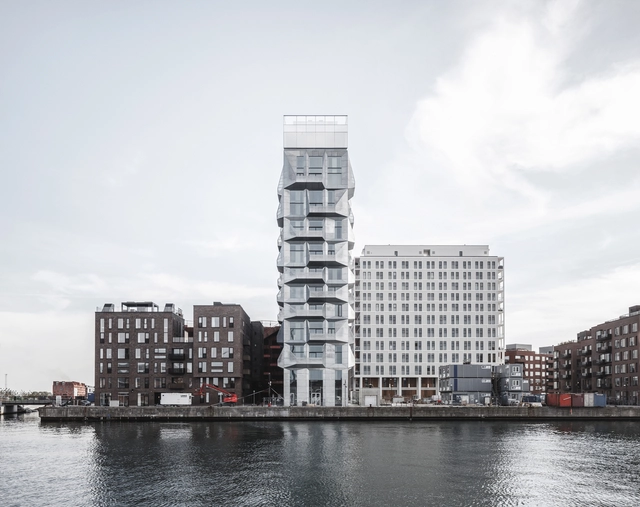
Historically home to vikings, kings and queens, Copenhagen is a vibrant city that mingles contemporary architecture with traditional waterways, narrow cobblestone streets, old timbered houses and ancient castles. Filled with history, its buildings embody a historic legacy that traces the memory of all the characters, epoques and events in which the city has passed through. How to keep all this history alive? By refurbishing traditional buildings within modern design, Copenhagen respectfully enjoys its historical architecture while adapting to current trends.
Taking a moment to envisage the existing built environment before addressing a clean slate, refurbishment allows architects to repurpose existing structures for a new use, preserving its character and history while reducing the environmental impact of new constructions. Through the most outstanding cases of rehabilitation of classic buildings in the city, the following article analyzes three different strategies for reusing historic buildings through innovative and sustainable design.
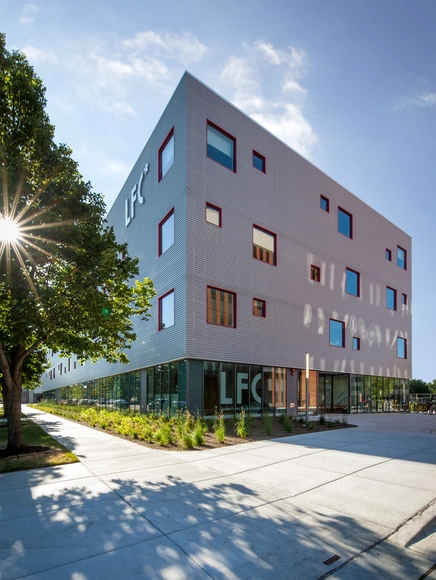
A metal façade introduces a visually appealing architectural element on top of a built insulation system, such as a vapor barrier, insulation board, and structural supports. Known for their versatility, durability and elegant, clean finishes, metal claddings can be used for both roofing and walls to deliver a long-lasting and eye-catching finished product made from natural materials such as aluminum, copper, zinc and steel. Regardless of which system is used to fix the panels (concealed clip system or exposed fastener system), a façade can be made from a variety of profiles and colors for unlimited design options.
From 114 participating countries, the World Design Rankings (WDR) have once again ranked the best in arts, architecture and design, sponsored by the A' Design Award and Competition. With the objective of contributing to global design culture through advocating and highlighting good design, the rankings provide additional data and insights to economists and journalists regarding the design industry.
There are many challenges when working with renovations: adapting spaces that were not necessarily designed for a particular program, adding new uses for rooms and modernizing the building in order to make it compatible with contemporary demands. This was the case of Mobio Arquitetura's project for the headquarters of a solar energy fintech company, which sought to value the memory of the historic building while adding a new layer of contemporary and technological infrastructure designed for the comfort, usability and productive coexistence of the new occupants. The office has been selected among the five winners of the 2022 Shaw Contract Design Awards "Best of Globe".
Sustainable cities demand sustainable solutions, which imply the development of a new mindset for the reformulation of conventional creation processes. Within the fight against climate change, the circular economy concept is known as a key factor for the sustainable solutions of the future. Part of this concept is known as circular design, which aims to transform the traditional paradigm of ‘using and throwing away’ into a commitment to reusing existing materials.
Circular design rethinks the creation process of products from the first steps, guiding architects and designers to create products that can be reused, recycled or transformed. Applying circularity in architecture opens the debate of rethinking the life cycle of construction materials. In this manner, fiber cement cladding –a combination of basic earth elements, mineral materials, water, air and fire, in a simple filtration process– proposes a design solution that meets the basic principles of circular construction. In addition to its composition, strength and durability, these products are designed as a system that can outlast a building's lifecycle.
When we google 'housing in Copenhagen', the first thing that pops up are the most common questions asked by users: how much does it cost to live in Copenhagen? Is it difficult to find housing in Copenhagen? It's true, living here is significantly more expensive than the European average, especially in its most central district: Indre By. Although the housing prices are adapted to the salaries of its citizens –and the quality of life index is consistent with this high cost–, it's still complex for a foreigner to settle permanently in the city.
However, there is a serious commitment from the authorities and stakeholders to kindly open the city to new inhabitants, offering affordable housing designed by its best architects –both in suburbs and in refurbished downtown areas. In 2023, Copenhagen will be the UNESCO-UIA World Capital of Architecture and the host of the UIA World Congress of Architects, so a large number of people will be able to see firsthand what it's like to inhabit the city in projects of great architectural quality, which not only integrate wisely into its vibrant urban life, but also propose innovative ways of living.
Nearly 40% of the energy produced in the U.S. is used for building operations. The near-central role of buildings in the global climate and energy scenario makes it crucial for architects, engineers and building owners to take appropriate action. These stakeholders can help reduce the carbon footprint of the building through strategic design decisions.
Conventionally, the active modes of heating, cooling, ventilation and lighting utilize energy-intensive electrical processes. On the other hand, passive measures help maintain indoor thermal comfort using the inherent physical and thermal properties of the building envelope and its surroundings
Typically, a well-designed and well-operated building uses envelope-level passive measures to minimize the thermal loads first. Then, it uses energy-efficient active modes of heating, cooling, ventilation and lighting. This article highlights 4 key envelope-level passive strategies to implement for decarbonizing building systems.
As the holiday season approaches, so do college application deadlines. SCI-Arc’s priority deadline is January 15, 2023, at 11:59pm. All applicants that submit by the priority deadline will have their application reviewed for merit-based scholarship consideration.
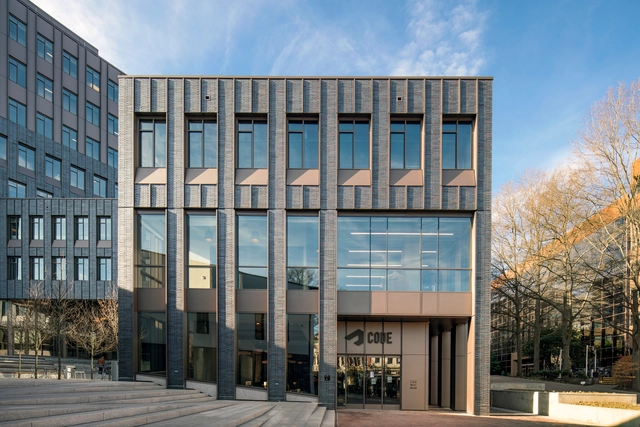
CODE Building / Wolf Ackerman, EskewDumezRipple. Image Courtesy of Kingspan
A 2022 United Nations report claims that the negative impacts of the climate crisis are mounting much faster than scientists predicted less than a decade ago. Rising greenhouse-gas emissions could soon outstrip the ability of many communities to adapt, and the consequences will continue to hit the world’s most vulnerable populations. As climate scientist Maarten van Aalst suggests, “Any further delay in global action on adaptation and mitigation will miss a brief and rapidly closing window of opportunity to secure a livable and sustainable future for all.” The data is clear: to protect our planet, we need to prevent a 1.5°C rise in global temperatures this century. To do so, the world must achieve a 45% reduction in global carbon emissions from 2010 levels to 2030, to then reach a net-zero state by 2050. It is evident, however, that we are on track to miss this goal by a substantial amount. The clock is ticking, and every industry should act fast (and drastically) to even dream of greener cities.
When Facebook changed its name to Meta, millions of people began wondering, "What is the metaverse?"
Put simply, it's a virtual space where people can collaborate with one another and interact with places and things. It began gaining popularity amid the waves of COVID-19, meeting a need as the pandemic drew on. Today, it looks like the metaverse is set to become business as usual.
Expected to grow to USD 426.9 billion by 2027, the metaverse is a lucrative platform for brands to develop immersive experiences for consumers. Gaming companies such as Epic Games and Roblox have already hosted virtual events, and clothing retail giants Gucci and Nike have launched interactive experiences of their own.