-
Architects: architecten|en|en
- Year: 2013
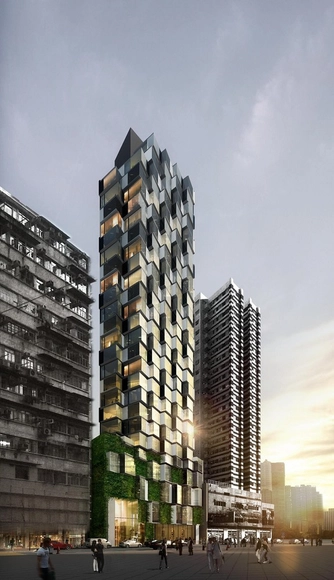
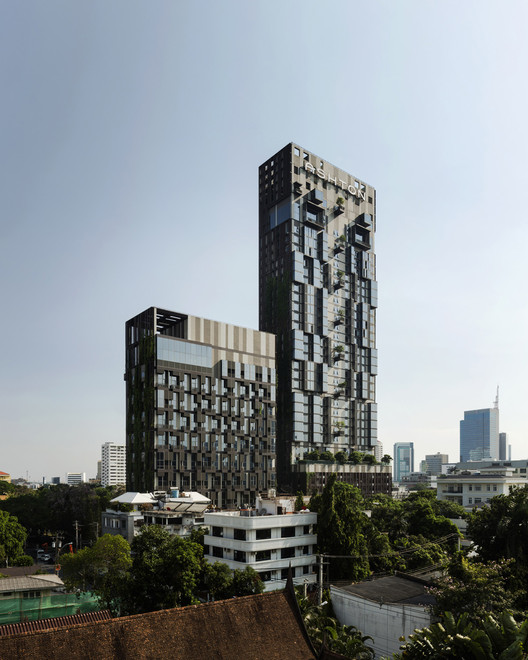
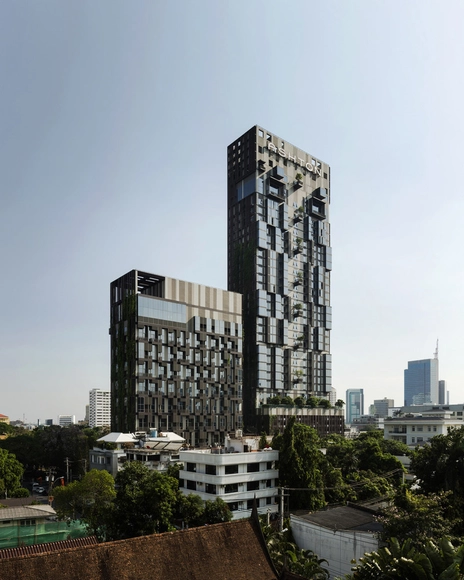
Aedas have recently unveiled this design for a serviced apartment building in Hong Kong. Situated in the neighborhood of Mongkok, one of the most densely populated areas on the planet, the building is squeezed into what the architects refer to as a "challengingly small" site of 614 square meters. More images and description after the break.
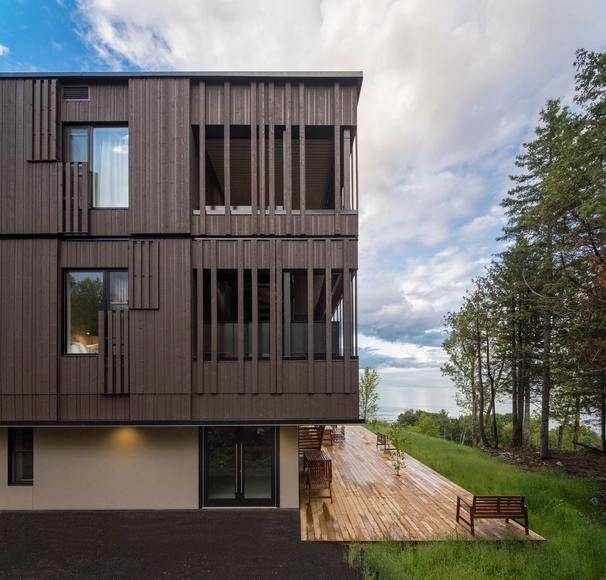
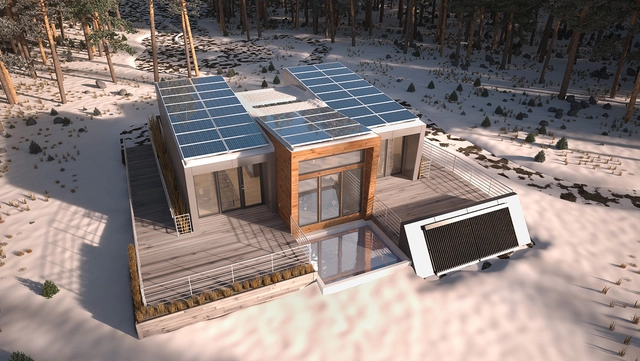
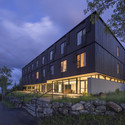
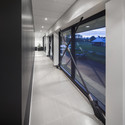
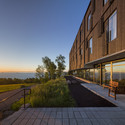
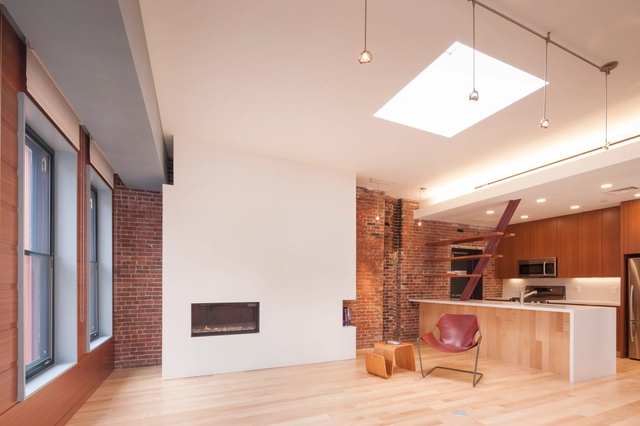
Text description provided by the architects. Borealis, Team Alberta’s entry to the U.S. Department of Energy Solar Decathlon 2013, addresses the housing needs of professionals working in remote locations. This modular house was designed in consideration of severe housing shortages and high housing costs driven by booming industries in northern Canada. Named after the iconic Northern Lights and lush Boreal forest, Borealis is designed to be sustainable and ecologically sensitive.





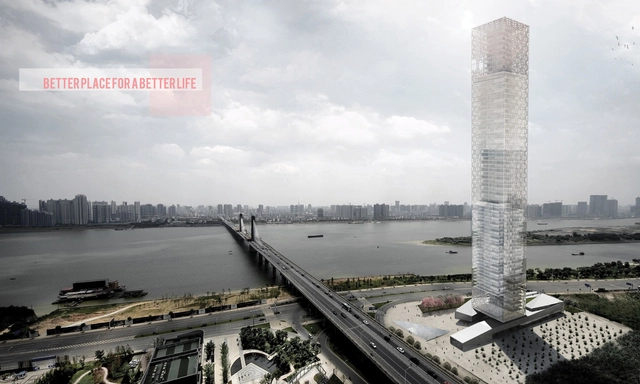
Milan-based RRC Studio's latest undertaking, the Xiang River Tower, will be an office and residential project in Changsha, a city under heavy development in China. Located near the Xiang river in a prime area of the city’s downtown, the tower will dominate the city's horizon and bear a strong presence on the skyline.
Read on for the architects' description...
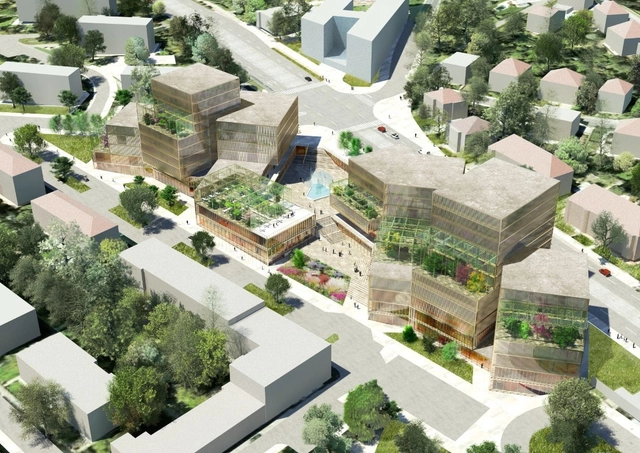
The Maxwan, in collaboration with MS architekti, designed Red Hill Rise proposal is a mixed use building on top of a metro station, which includes offices and retail located along a major spine road connecting the airport and historical city center of Prague. They came up with the idea of ‘breaking-up’ the building volume and inserting landscape and public space in between. More images and architects’ description after the break.


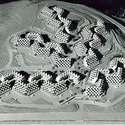
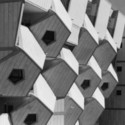
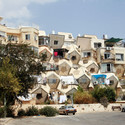
The Ramot Polin neighborhood is a housing project designed by the Polish-born Israeli architect Zvi Hecker, commissioned by the Israeli government in the euphoric aftermath of the Six Day War. The project, which resembles a beehive, is an avant-garde architectural experiment on morphology as well as construction. Since being constructed in the late 1970s, the structure has undergone extensive alteration by its tenants, provoking a debate regarding the capacity of expressive architecture to account for authentic human needs.