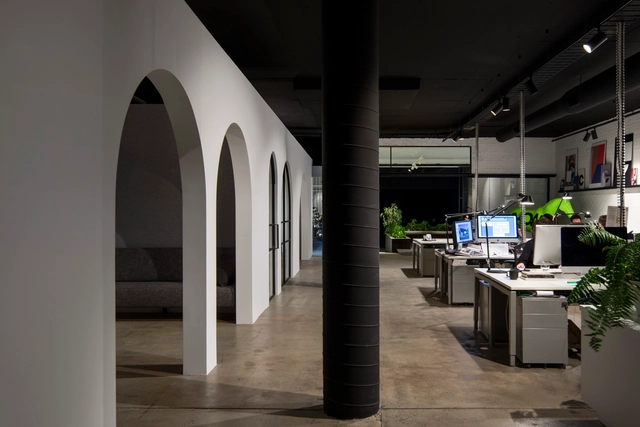





-
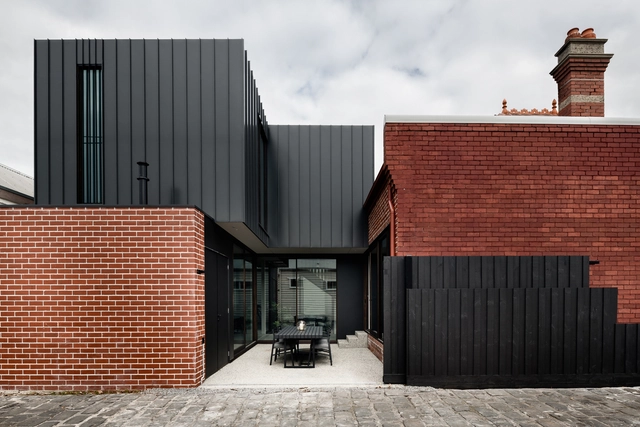
Architects: Tom Robertson Architects
- Area: 450 m²
- Year: 2018
.jpg?1544768630)
Either as singular outcroppings or as part of a bustling center, skyscrapers are neck-craning icons across major city centers in the world. A modern trope of extreme success and wealth, the skyscraper has become an architectural symbol for vibrant urban hubs and commercial powerhouses dominating cities like New York, Dubai, and Singapore.
While skyscrapers are omnipresent, 2018 introduced new approaches, technologies, and locations to the high-rise typology. From variations in materiality to form, designs for towers have started to address aspects beyond simply efficiency and height, proposing new ways for the repetitive form to bring unique qualities to city skylines. Below, a few examples of proposals and trends from 2018 that showcase the innovative ideas at work:


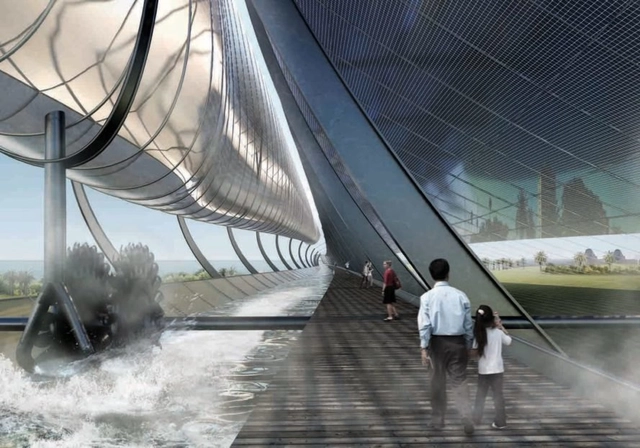
Seattle-based Olson Kundig has released details of their second-place winner from the 2018 Land Art Generator competition, set in Melbourne, Australia. The “Night & Day” scheme combines solar energy with a hydro battery, generating enough power for 200 Australian homes, 24 hours per day.
The St Kilda-situated infrastructure proposal doubles as an artwork and pedestrian bridge, with a flagship 5,400-square-meter solar sail suspended above the St Kilda Triangle in Port Phillip city. After sunset, further electricity is generated through two turbines capturing the kinetic movement of water released through them.
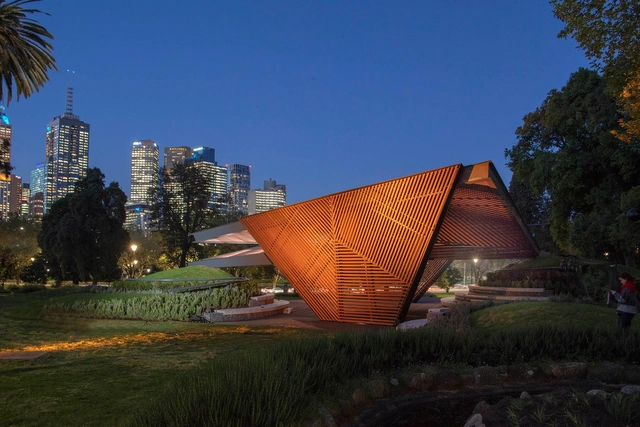
After a season packed with significant architecture news, Melbourne has announced the opening of the 2018 MPavilion designed by Carme Pinós. The pavilion is widely considered to be the southern hemisphere’s answer to the Serpentine Pavilion, and has featured designers such as Rem Koolhaas, Bijoy Jain, and Amanda Levete.
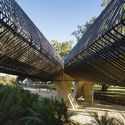
This year’s design, from Spanish architect Carme Pinós, takes its inspiration from origami, with wings opening out to welcome the city into the pavilion itself. The roof, made of two distinct halves, is perched upon three mounds incorporating public seating.

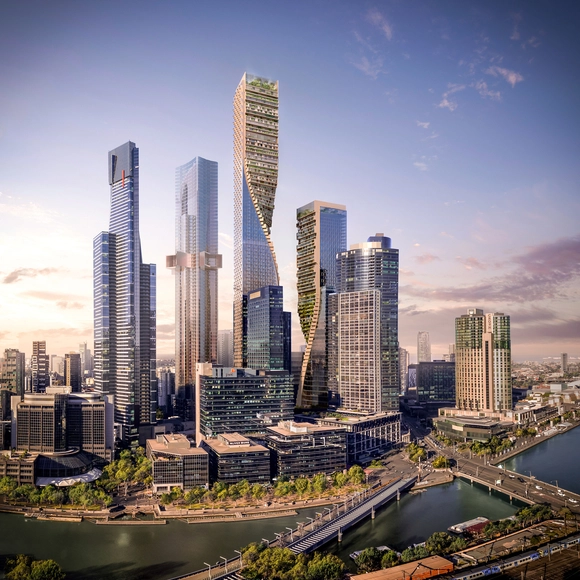
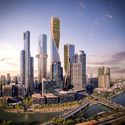
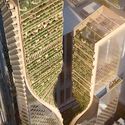
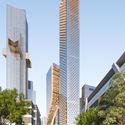
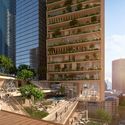
Australia loomed large in the news this week following the announcement for the continent's tallest tower in Melbourne. The competition, which was won by a joint bid from UNStudio and Cox Architecture, boasted designs from some of the world's best-known firms including MVRDV, OMA, MAD, and BIG.
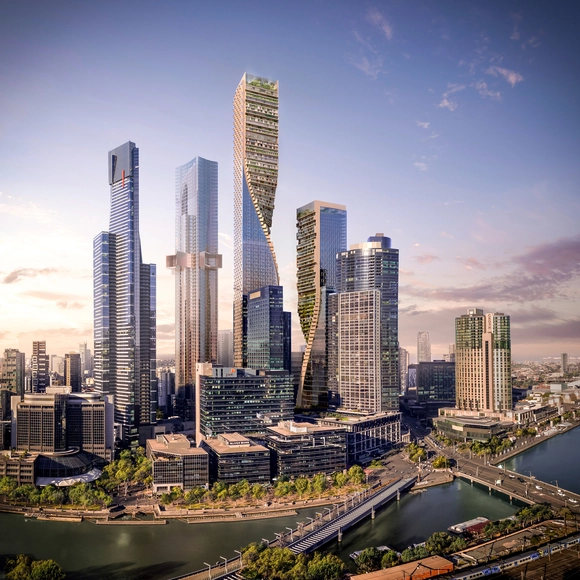
UNStudio and Cox Architecture have officially been announced as the winners of Melbourne’s landmark Southbank Precinct overhaul. Selected from a range of high-profile offices, including BIG, OMA, and MAD, UNStudio's vision for the $2 billion project includes a pair of twisted towers called Green Spine. As the largest single-phase project in the history of Victoria, Australia, the Green Spine is designed as a state-of-the-art, mixed-use environment centered around innovation in architecture and design.




.jpg?1544768953)