


-
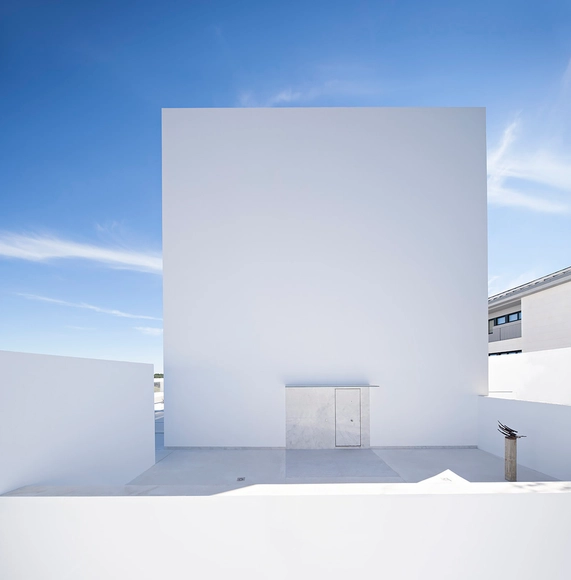
Architects: Fran Silvestre Arquitectos
- Area: 958 m²
-
Professionals: 3d Visual Effects, Serconex

.jpg?1464091234&format=webp&width=640&height=580)
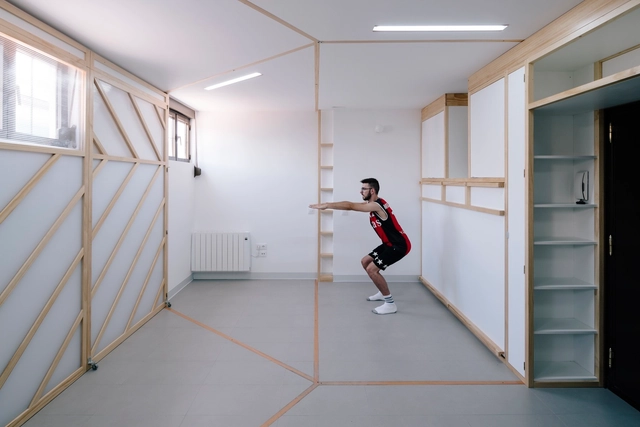
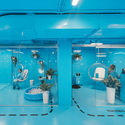
Growing out of the success of coworking, the latest big phenomenon in the world of property is coliving. Like its predecessor, coliving is predicated upon the idea that sharing space can bring benefits to users in terms of cost and community. And, like its predecessor, there are already many variations on the idea with numerous different ventures appearing in the past year, each tweaking the basic concept to find a niche.
There are a lot of existing accommodation types that are “a bit like” coliving—depending on who you ask, coliving might be described as either a halfway point between apartments and hotels, “dorms for adults” or “glorified hostels.” And yet, despite these similarities to recognizable paradigms, countless recent articles have proclaimed that coliving could “change our thinking on property and ownership,” “change the way we work and travel,” or perhaps even “solve the housing crisis.” How can coliving be so familiar and yet so groundbreaking at the same time? To find out, I spent a week at a soon-to-open property in Miami run by Roam, a company which has taken a uniquely international approach to the coliving formula.


.jpg?1456112578&format=webp&width=640&height=580)
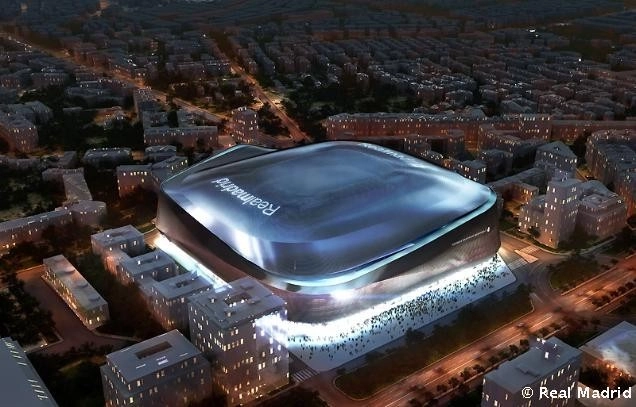
At the beginning of 2014, gmp was selected through a competition to redesign Real Madrid’s Santiago Bernabéu stadium, as part of a larger project being implemented by Real Madrid president Florentino Pérez. In addition to expanding the capacity of the stadium and covering it with a metallic, retractable roof, the project consisted of constructing a 12,250 square meter retail center and hotel, and an underground parking lot for up to 600 cars.
Now, however, the Madrid City Council has rejected the current renovation plan for the stadium. Speaking with local media, Chief of Sustainable Urban Development, José Manuel Calvo, explained that the current authorities will only support projects that are “consistent with public interest, [that] don’t involve new uses of public land and that are confined exclusively to the area currently occupied by the stadium’s facilities.”
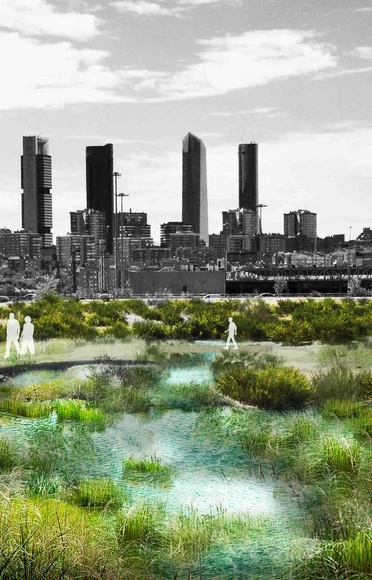
Arup’s Foresight + Research + Innovation, Madrid Sustainability and Master Planning, and Landscape Architecture teams have released Madrid + Natural, a series of guidelines to address climate change within the city.
The forward-thinking report to seeks to provide “multiple nature-based solutions to regulate Madrid’s urban environment and respond to problems like pollution, increased heavy storm events, drought, periods of abnormally hot temperatures, and local biodiversity loss.”












.jpg?1464091234)







.jpg?1456495160 "© Imagen Subliminal (Miguel de Guzmán + Rocío Romero)")



.jpg?1456112578)



.jpg?1449882975 "Urban farming. Image Courtesy of Arup")