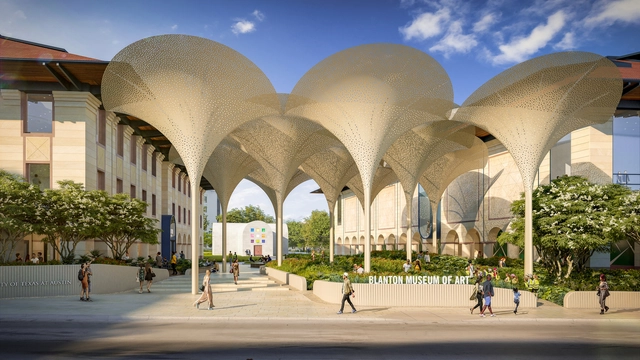
Transforming the typical artistic experience, Snøhetta proposed a design to renovate the Blanton Museum of Art at The University of Texas at Austin. The comprehensive grounds remodeling seeks to “unify and revitalize the museum campus, […] through architectural and landscape improvements”. Construction is scheduled to begin in early 2021 and conclude by late 2022.
Being in confinement has produced unconventional means of exploring architectural spaces and installations. Instead of putting everything on hold until life goes back to normal, designers and curators found inspiration from practices like performance arts and theatre, breaking down the walls between the subject and viewers but from a distance.
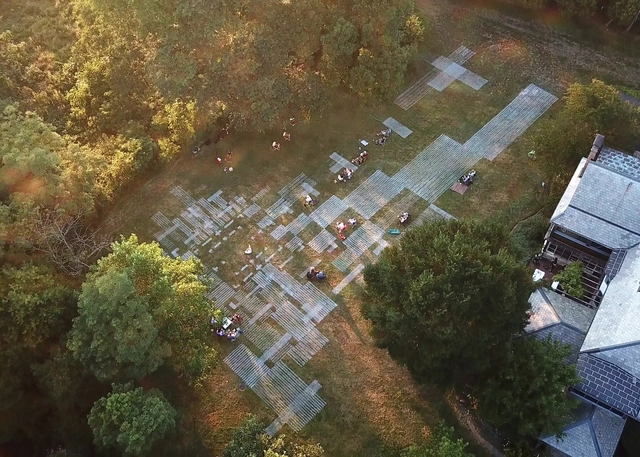
Ashley Bigham and Erik Herrmann of Outpost Office reimagined the theme of "mobility" by creating 1:1 scale drawings on the Ragdale campus using GPS-controlled field marking robots. Their unique urban installation, which addressed modern-day concerns such as public spaces, how we are engaging with them, and physicality, won first place in the 2020 Ragdale Ring competition.
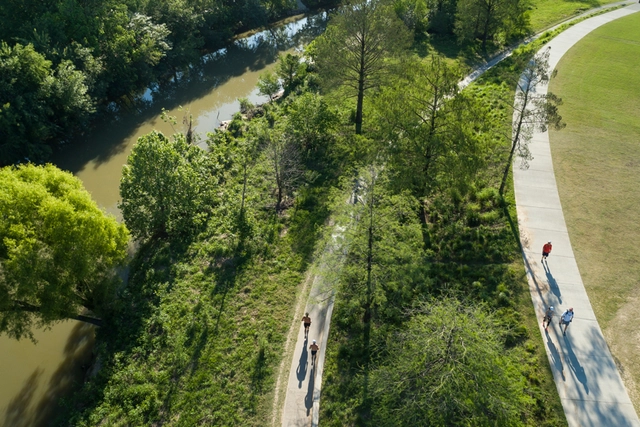
Buffalo Bayou Park in Houston, by SWA. Courtesy Jonnu Singleton
The urban crisis brings many challenges, but also presents opportunities for landscape architects to help build more equitable green spaces and cities.
As a Los Angeles resident who doesn’t drive, navigating the city on foot and bike has always made me feel like I have the whole place to myself.
But over the last two months, Angelenos have been freckling the streets—it’s like they’ve all discovered for the first time that they’re capable of exploring this city without a car. While most beaches and trails in the city were shuttered (they have since re-opened), I noticed the LA River becoming the city’s new “it spot” for socially distant hangouts. And in a city that lacks adequate public parks, people are turning any patch of grass or sidewalk—whether it’s an elementary school yard, a traffic median, or a bit of concrete next to a parking lot—into a bit of respite from the madness.
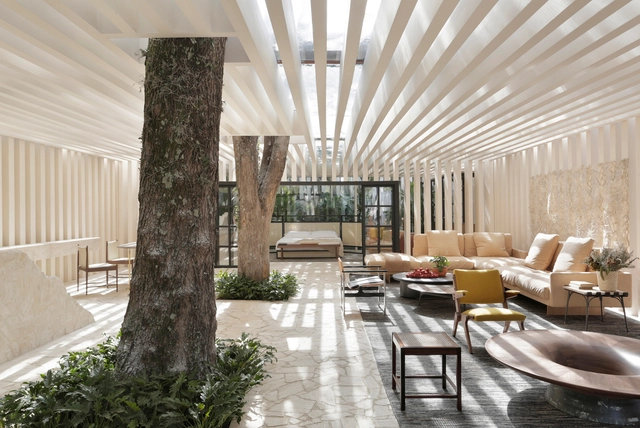
Introducing elements of nature - such as water, vegetation, natural light, stones or even the use of wood - into interior design can provide richer and more complex compositions in the built environment. In these landscaping projects, the textures, silhouettes and, especially, the generated sensations, can establish new relationships of well-being and comfort for the user.
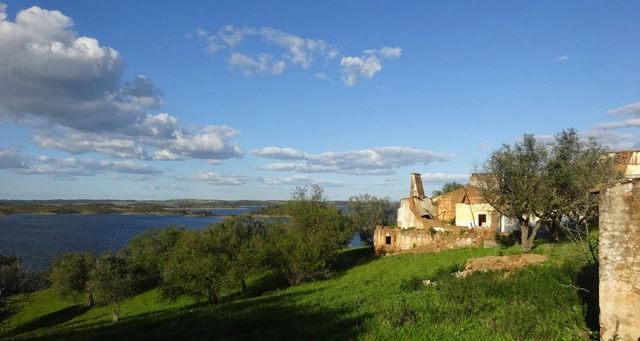
In all its multiple meanings the word heritage refers to what we inherit from the past, both in material and immaterial sense.
Some authors speak about heritage as a sense of past, meant as a form of past self-awareness, as a collective experience and as an essential dimension of a culture. Some other authors believe that the idea of heritage deals with the ability to put the contemporary human signs into a historical perspective, so developing a sense of place, that is the place’s value and meaning. Therefore, heritage can be intended as a sense of past and sense of place together. The heritage’s existence itself lies in the ability to read/interpret the sense of belonging of something inherited from the past to a specific place, as well as in the shared need to preserve and deliver it to future generations.
Canada's Capital Region - National Capital Commission
The NCC’s Urban Design Challenge 2020: Student Ideas Competition for Canada’s Capital is now on.
Urban Design Challenge 2020 is a competition that invites students from across the country to come up with design concepts for important sites in Canada’s Capital Region. The competition is organized by the National Capital Commission (NCC), the federal Crown corporation dedicated to ensuring that Canada’s Capital is a dynamic and inspiring source of pride for all Canadians, and building a legacy for generations to come.
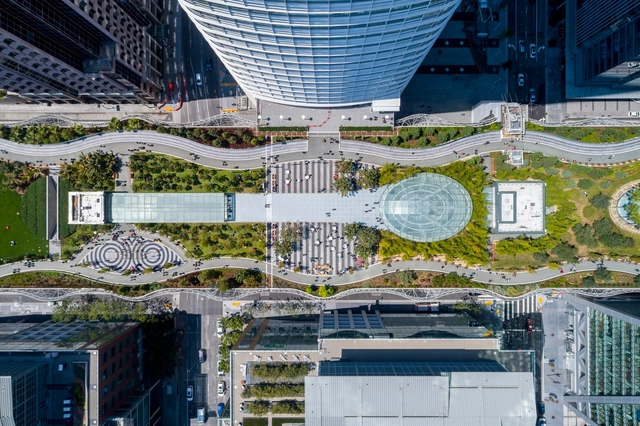
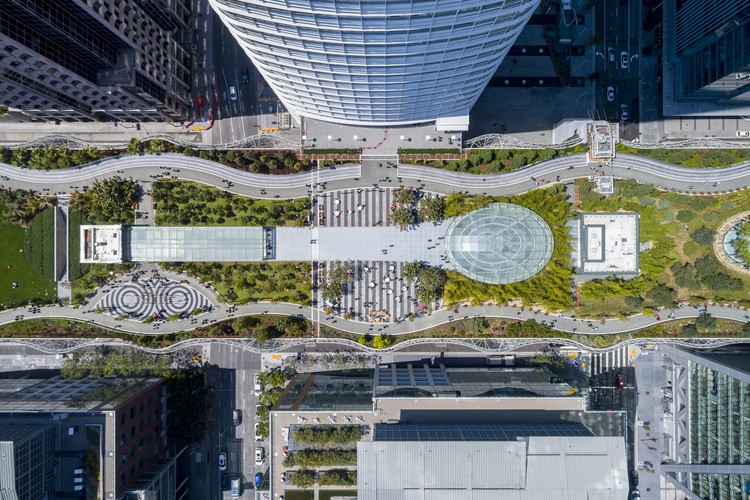
Salesforce Park, San Francisco, CA. Image Courtesy of PWP Landscape Architecture
This year showcased how landscape architecture is shaping public life in the built environment. In the first two decades of the 21st century, landscape architects created vibrant resiliency plans, rehabilitation projects, and new urban parks. As these twenty years come to a close, 2019 embodied many larger ideas and trends that will continue to influence the next decade of landscape design.
BRIEF: To build a tourist village that helps visitors to learn about the history of human evolution which not only sensitizes, but spreads awareness about the changing relationship between nature, natives and the country of Australia.
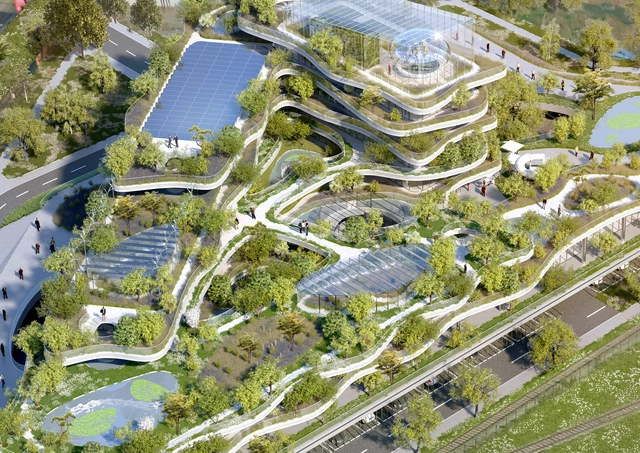
In a design proposal for Soprema’s new company headquarters in Strasbourg, France, Vincent Callebaut Architectures envisions an 8,225 square-meter ecological utopia. The building, called Semaphore, is described in the program as a “green flex office for nomad co-workers” and is dedicated to urban agriculture and employee well-being.
An eco-futuristic building, Semaphore is inspired by biomimicry and intended as a poetic landmark, as well as aiming to serve as a showcase for Soprema’s entire range of insulation, waterproofing, and greening products. The design is an ecological prototype of the green city of the future, working to achieve a symbiosis between humans and nature.
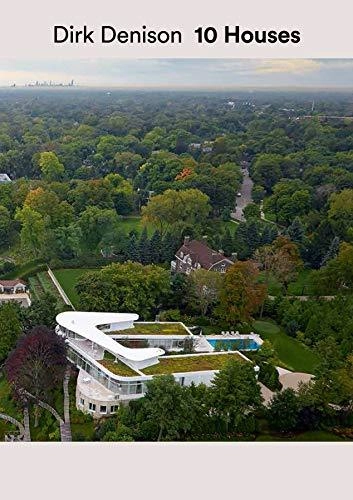
Journalist Fred A. Bernstein's new book takes readers into ten extraordinary private homes designed by the Chicago-based architect and educator Dirk Denison, providing a must-read for anybody curious about the myriad elements informing custom residential design at the highest level. Bernstein devotes the centerpiece to a fascinating portrait of the architect as a young man. Here, Denison reflects on his childhood in the ascendant Detroit of mid-century and early encounters with Mies, both Saarinens, both Kahns, Yamasaki, Bunshaft, Libeskind and Gehry, as well as studies at Cranbrook, the Harvard Graduate School of Design (GSD)and the Illinois Institute of Technology (IIT), where he teaches today. The conversation turns as well to Denison's intense collaborations with clients, offering a look into a purposeful, rigorous, joyful, and sometimes messy process. Suites of photographs, plans and drawings of very different homes, selected from Denison’s larger body of residential, civic and commercial work, document the architect’s mastery of a wide range of modernist vocabularies and intents. "Dirk Denison: 10 Houses" was designed by the award-winning L.A.-based designer Lorraine Wild.
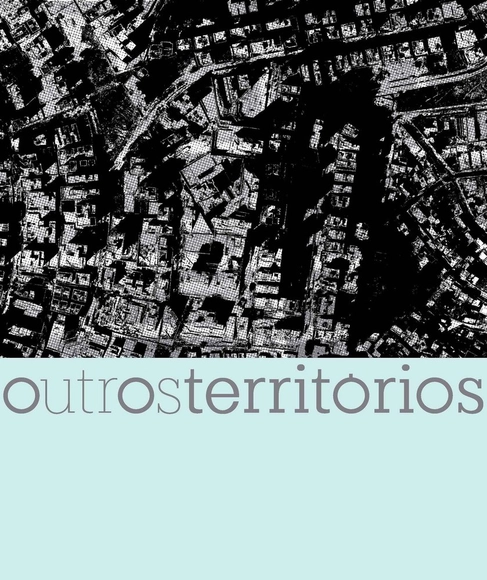
Vazio S/A, Coletivo Aurora and Eduardo de Jesus have launched the open competition Outros Territórios – International Call for Urban Intervention.
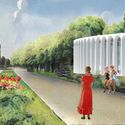
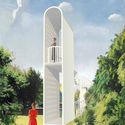
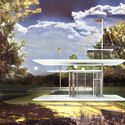
Outros Territórios (Other Territories) is a suite of ephemeral interventions proposed for a hilly neighborhood in Belo Horizonte, Brazil called Buritis. The plan envisages an instantaneous transformation of the landscape through the simultaneous occupation of the many stilt systems propping up the hillside buildings.
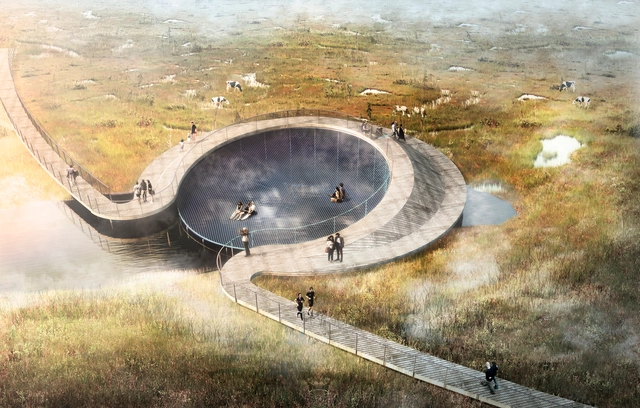
CF Møller’s Storkeengen (Stork Meadow) is a landscape solution, bringing the town of Randers closer to the longest river in Denmark, the Gudenå River to prevent the threat of flooding. The storm protection uses the wetland meadows as an attractive nature park to handle the raised stormwater level, whilst a recreational pathway increases accessibility with the nature areas across the river.
Kleinewelt Architekten in partnership with Citizenstudio / Gorozhane Group, created a re-design proposal for the Northern River Boat Station Park, also known as the Park of Five Seas, in Moscow. Built in the 1930’s, the current park is supposed to act as the city’s gateway to the five seas: the White, Baltic, Black, Azov, and Caspian Sea. However, the park is removed from city life and separates Moscow from it’s historic waterways.
International Landscape Design Competition for Han River, Da Nang City
On 1st August 2016, the ‘Landscape Design Competition for Han riverfront, Da Nang city’ is officially launched. This is an International Competition decided by of which Da Nang People’s Committee is legal authority, Da Nang Department of Construction is ExecutiveAgency and the Vietnam National Institute of Architecture is the competition organizer. It is also under the auspices of Vietnam Association of Architects with proud. This competition seeks for best planning and landscape design ideas and solutions for the Han River in order to bring new vitality to the city and building up its core values of being in harmony with nature, environmentally friendly, good quality of life, economical and cultural vitality.
The AZ Awards for Design Excellence celebrates the finalists and winners at a gala celebration on Friday, June 23 from 6 to 10 pm. Join colleagues and designers from around the world as we celebrate the very best in international architecture, interiors and product design. For more information and to get tickets, please visit http://azm.ag/AZAwardsGala17






_12.34.49.jpg?1555950925&format=webp&width=640&height=580)