The U.S. housing shortage is most severe on the more affordable side of the market. At a time when costs are escalating broadly and homes that were recently attainable by many have moved out of reach of most, this is no surprise. The problem is most acute in the heated markets, of course, where affordability mandates and rent controls seek to retain rental affordability for some, as owning a home in such markets is a dream accessible only to the wealthiest. (No measures in this post have any impact on these markets.)
Access to adequate housing is a human right. But with prices rising dramatically, incomes not growing proportionally and ineffective public policies, the lack of secure, affordable homes is fueling an ongoing global housing crisis. In fact, 90% of 200 polled cities were found to be unaffordable to live in, with the impact of COVID-19 only worsening the situation and forcing much of the world’s population to settle for precarious living conditions. This is only expected to aggravate in the not-too-distant future; by 2025, the World Bank estimates that 1.6 billion people will be affected by the housing shortage.
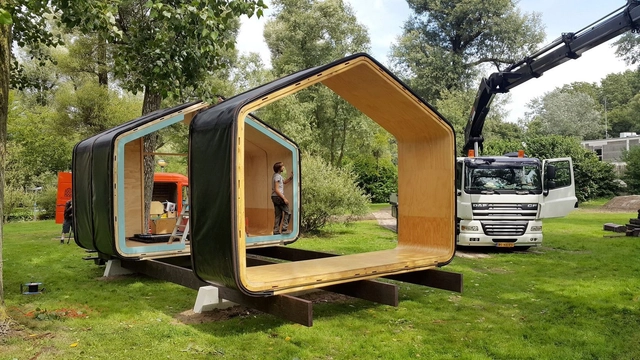
Wikkelhouse / Fiction Factory. Image Courtesy of Yvonne Witte
“Architecture does not change anything. It’s always on the side of the wealthy.” With these words, Oscar Niemeyer referred to architecture as being a privilege mostly destined to the upper class – a statement that has historically proven to be true, even as some would like to deny it. Today, only 2% of all houses around the world are designed by architects. This is largely due to the fact that, to the average consumer, architect-designed homes continue to be perceived as expensive and esoteric products available only to this select few; a luxury that many cannot fathom to afford, especially as housing prices rise. Ultimately, this makes good design inaccessible for certain segments, forcing them to settle for precarious living conditions in standardized spaces that fail to take their needs into account (that is, if they even have access to housing).
America’s housing crisis is a longstanding problem. But recent reports of private hedge funds buying up detached houses and townhouses is likely to make an already difficult situation even worse. When hedge funds purchase such properties, those homes are not likely to come back on the real estate market. They are gone for now—and probably for the long term.
https://www.archdaily.com/983096/how-private-equity-is-making-the-housing-crisis-even-worseR. John Anderson
In the framework of the UIA 2022 International Forum "Affordable Housing Activation: Removing Barriers", the Consejo Superior de los Colegios de Arquitectos de España (CSCAE) has developed a useful tool: the first dynamic atlas on access to housing. This atlas brings together on a single platform more than 4,000 financial, urban context and development indicators from the main international organisations, from official and non-structured sources, making it easy to understand, read and interpret. These organisations include, for example, the World Bank, the Ibero-American Development Bank, the International Monetary Fund, and the World Health Organisation, among others.
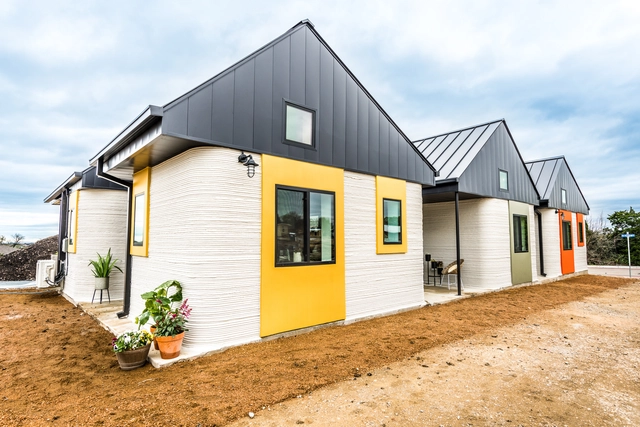
In recent years, the construction industry has faced unprecedented challenges. A lack of skilled workers is driving up costs of labor, there is a global housing shortage, and the effects of climate change around the world are clearer than ever. Therefore, questioning traditional construction methods and pushing the limits of innovation has become a top priority, forcing the industry to implement new technologies as they get on board the digital transformation era. There is one innovation, however, that looks particularly promising: 3D construction printing. Although relatively recent, the technology has already been successfully tested in numerous structures, houses and apartment buildings, reshaping residential construction as we know it. Hence, 3D printing could very well be a viable alternative for more efficient, sustainable and cost-effective mass housing solutions in the near future, positively impacting people’s lives and contributing to greener, healthier cities.
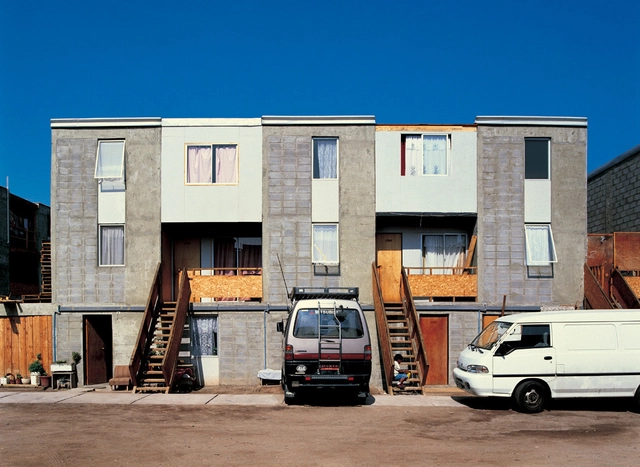
Quinta Monroy / ELEMENTAL. Image Courtesy of ELEMENTAL
In New Mexico, irrigation channels that have been in continuous operation for three centuries replenish and nourish the wetlands of the American Southwest. These channels are known as Acequias – communally managed water systems built on democratic tradition. Members of the community own water rights, who then elect a three-person team to oversee the channels. In Cairo and Barcelona, Tahrir Square and Plaza de Catalunya have acted as important sites for voicing political dissatisfaction. The Tahrir Square protests of 2011, for instance, resulted in the eventual toppling of an almost 30-year-old government.
Over the last couple of years, terraces have become an important part of urban life, acting as a refuge, a space for enjoyment and gathering, for contemplation or as an outdoor workspace. As a result of periods of confinement around the beginning of the Covid-19 pandemic, these outdoor spaces where people can exercise, connect with nature, study or work, have become particularly popular with those living in large cities.
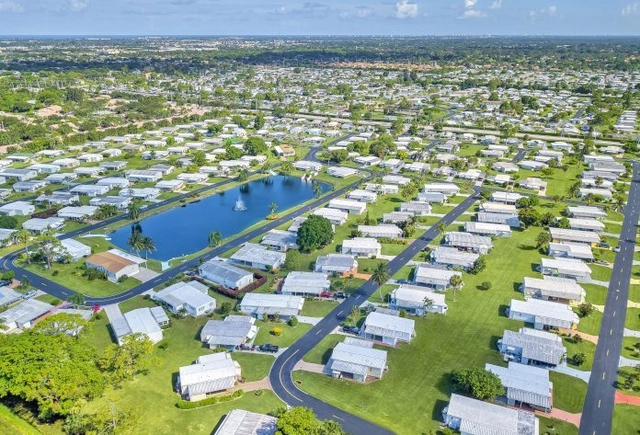
Royal Manor Mobile Home Park. Image Courtesy of MH Village
The future of manufactured homes may reinvent the form of something that already widely exists- trailer parks. All across the United States, these small homes are being reimagined by architects by utilizing more sustainable materials, inventive construction techniques, and value engineering to create affordable homes and reinvent the once negative connotation that surrounded this housing typology.
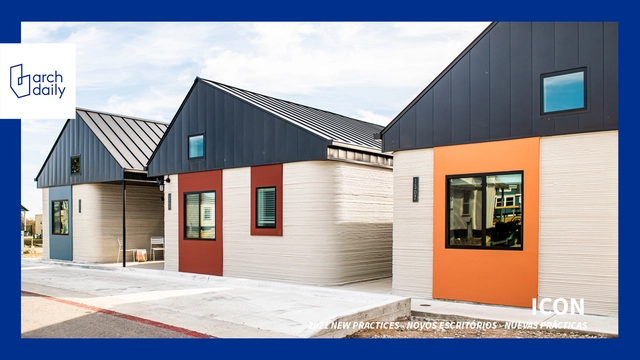
Founded in late 2017, named one of the "Most Innovative Companies in the World" in 2020, and selected as ArchDaily's Best New Practices of 2021, ICON is a construction company that pushed the boundaries of technology, developing tools to advance humanity including robotics, software, and building materials. Relatively young, the Texas-based start-up has been delivering 3D-printed homes across the US and Mexico, trying to address global housing challenges while also developing construction systems to support future exploration of the Moon, with partners BIG and NASA.
Featured on Times' Next 100, as one of the 100 emerging leaders who are shaping the future, Jason Ballard, CEO and Co-Founder of ICON spoke to ArchDaily about the inception of the company, worldwide housing challenges, his ever-evolving 3D printing technology, and process, his partnership with BIG, and the future of the construction field on earth and in space.
California, as with most American states, has a housing crisis. Unlike the rest of the country, it is actually working to ameliorate the situation, with private and public initiatives that critics can’t help but label inadequate. The Bay Area made accessory dwelling units legal by changing zoning laws, but that has hardly made a dent. Some cities are now pushing for additional upzoning to give developers more room to bring new buildings to market at lower rents. There are all sorts of studies, university sponsored or underwritten by the industry, that recommend more-or-less radical fixes for a seemingly unfixable problem. Environmentalists are naturally cast as villains because they don’t condone greenfield developments. And Californians are tough on their elected officials, as the current governor learned last year.
https://www.archdaily.com/975506/new-construction-is-not-always-the-answerMark Alan Hewitt
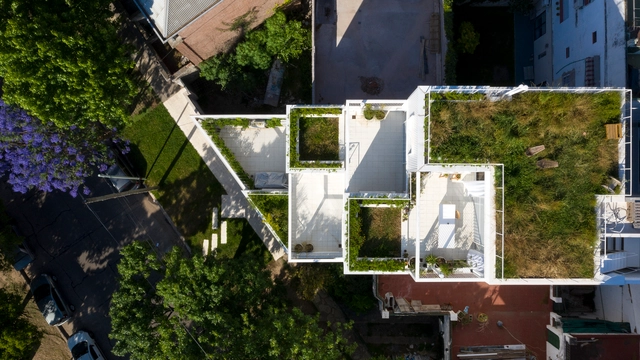
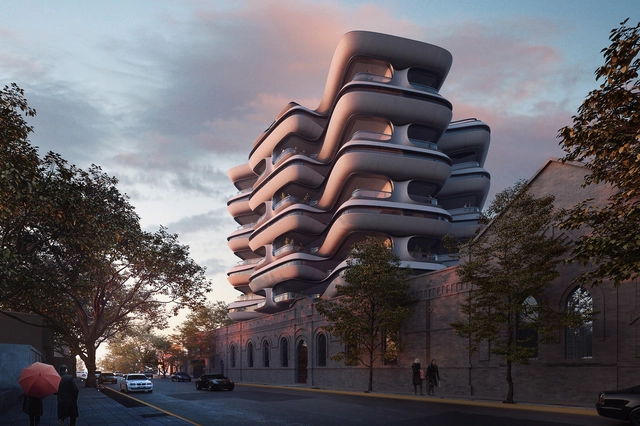
OF.studio has unveiled the design of PZ Torre Residencial, a residential building within the Zapata Palace in Mendoza, Argentina, seeking to recreate the traditional courtyard of Cuyanas houses, a common style in northern Argentina.
ADUs or accessory dwelling unit, a word mostly used by architects, is "a smaller, independent residential unit located on the same lot as a stand-alone single-family home" according to the American Planning Association. They can be converted spaces of existing houses, additions, or new stand-alone structures. In this piece, author Walter explores the recent policies in California that seek to reduce the shortage of housing.
All over the globe, countries are facing a housing crisis. United Nations statistics put the number of people who live in sub-standard housing at 1.6 billion, and 100 million of the world’s population are without a home. As conflicts and climate change forces refugees to move to new countries, and as housing prices around the world continue to rise, cities are having to grapple more and more with how to provide safe and affordable housing for their residents.
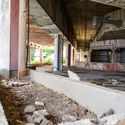
The housing shortage has long been the catalyst for architectural speculation over adaptive resue scenarios or the valorisation of underused places in cities. At the same time, the health crisis and its work from home imperatives have brought into sharp focus the adaptive reuse potential of offices spaces into housing. The probability that some office buildings remain vacant post-pandemic opens up the possibility of bringing back housing to city centres, enabling the implementation of a 15-minute city vision. The following discusses the challenges and opportunities of transforming office spaces into housing, highlighting this limited phenomenon's long-term feasibility and impact.
Planning cities and the way that we comfortably live in them is often a pull between many things. From creating affordable housing for all, enhancing community facilities and amenities, and designing walkable neighborhoods, all aspects of urban design have trade-offs, or do they? While there are many reasons why cities are becoming increasingly more expensive, dense, and less pedestrian-friendly, one of the key drivers behind the increase in unaffordability has to do with the way that outdated zoning codes drive the lack of available housing that they regulate.
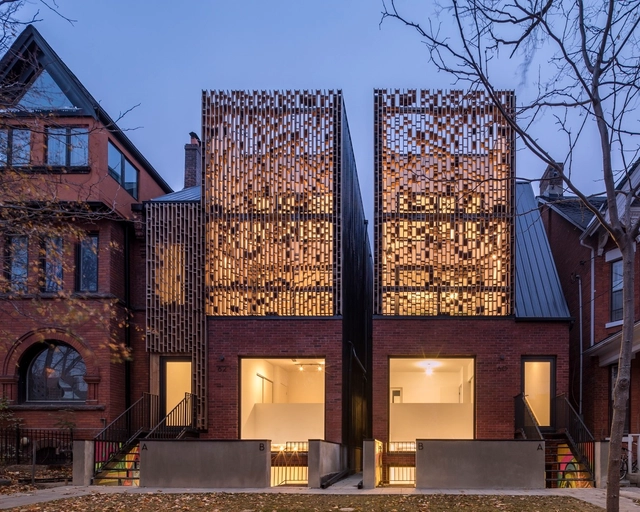
Canada’s Queen City has become renowned for its housing boom. As the most populous location in the country, Toronto is also one of the world’s hottest luxury real estate markets. An hub for arts, business, and media, the city is sited on a sloping plateau with a unique ravine system. While it boasts incredible architecture and high-end designs, Toronto risks a housing correction. Rapid increases in home prices, overvaluation, and overbuilding have all attributed to the city’s mounting situation. Amidst these unstable conditions and uncertainty, new residential projects continue to be built.