1. ArchDaily
  2. Concrete Blocks

Concrete Blocks: The Latest Architecture and News

Beyond Reinforcement: Exploring Creative Uses for Steel Rebars

Subscriber Access | 

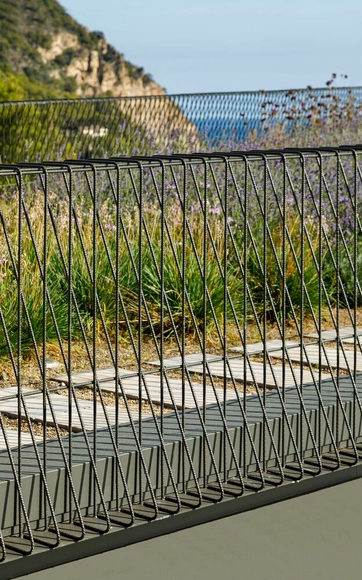
Concrete has enormous resistance to compressive stress, but it is a fragile material in terms of tension, which occurs when forces are applied in opposite directions of a structure, tending to separate the parts. This is why the incorporation of steel into concrete –which provides high levels of strength when stretched– has made so-called reinforced concrete the world's most widely used construction method. In other words, reinforced concrete combines the intrinsic advantages of its two components (concrete and steel reinforcement) to produce an extremely robust, versatile, and practical material. These steel reinforcements, in addition to reinforcing concrete, can also be used in art installations, facades, and even interiors.

Concrete Jungle: Houses That Explore the Contrast Between Concrete and Vegetation

Subscriber Access | 

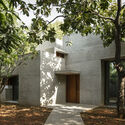
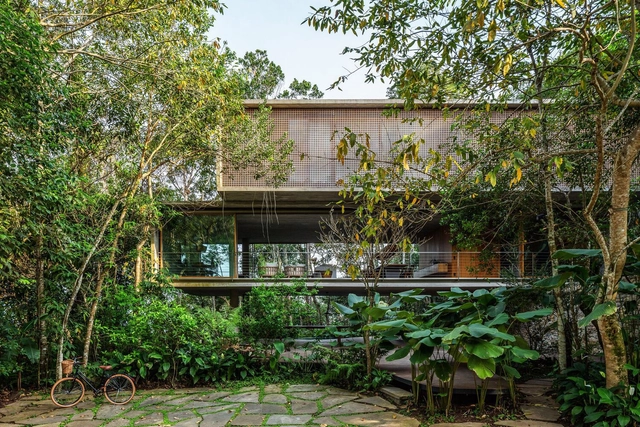
There is something very attractive about the combination of lush vegetation and exposed concrete roughness. This is what the book Concrete Jungle: Tropical Architecture and Its Surprising Origins, published by Gestalten, proposes to investigate. The publication offers a reading on modern "tropical architecture", presenting houses located between the Tropics of Cancer and Capricorn and their relationships with their cultural, constructive, and environmental origins. It features several projects and architects, from the 1950s to the present day, tracing a multifaceted panorama that includes residential buildings located in regions as distinct as Brazil, Mexico, India, and Kenya.

Concrete Jungle: Houses That Explore the Contrast Between Concrete and Vegetation - Image 1 of 4Concrete Jungle: Houses That Explore the Contrast Between Concrete and Vegetation - Image 8 of 4Concrete Jungle: Houses That Explore the Contrast Between Concrete and Vegetation - Image 2 of 4Concrete Jungle: Houses That Explore the Contrast Between Concrete and Vegetation - Image 3 of 4Concrete Jungle: Houses That Explore the Contrast Between Concrete and Vegetation - More Images+ 8

Natural or Artificially Pigmented Materials? Exploring Color Variations and their Effects

Materiality is a determining factor in shaping the character and experience of a building. Playing with the aesthetic and tactile qualities of materials, the design process encompasses their analysis, selection, and arrangement to create purposeful and sensory-rich spaces. Alongside textures and patterns, exploring materiality also involves the study of color possibilities. The versatile role of color in architectural materials extends beyond mere aesthetics, as it can broaden design opportunities and influence emotional responses, functionality, cultural relevance, and environmental performance. 

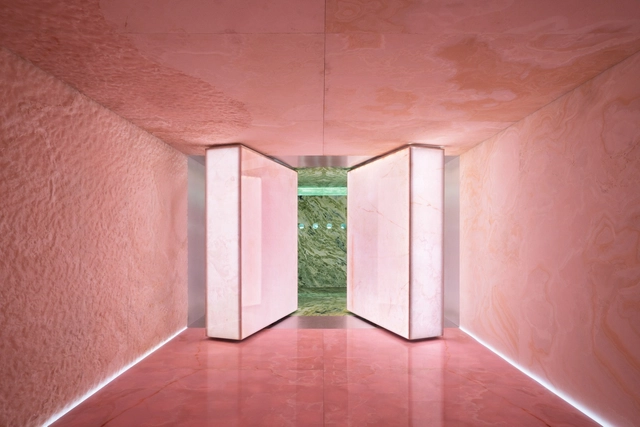
Even though each material has its distinctive inherent color, the addition of artificial or natural pigments can modify them in favor of the project’s identity. Delving into the debate on maintaining raw aesthetics or changing a material’s natural hues, we showcase various projects to study the differences between using natural versus artificial pigmentation of glass, concrete, brick, stone and wood.

Natural or Artificially Pigmented Materials? Exploring Color Variations and their Effects - Image 1 of 4Natural or Artificially Pigmented Materials? Exploring Color Variations and their Effects - Image 2 of 4Natural or Artificially Pigmented Materials? Exploring Color Variations and their Effects - Image 3 of 4Natural or Artificially Pigmented Materials? Exploring Color Variations and their Effects - Image 4 of 4Natural or Artificially Pigmented Materials? Exploring Color Variations and their Effects - More Images+ 66

Efficient Water Management and Collection as Seen in 3 Indian Residential Projects

Water scarcity is one of the most stressful situations that one could ever endure. And yet, in India, a country that holds 18% of the total world population with only 4% of its water resources, this is a recurring struggle with notable numbers of Indian households having to manage water scarcity on a daily basis.

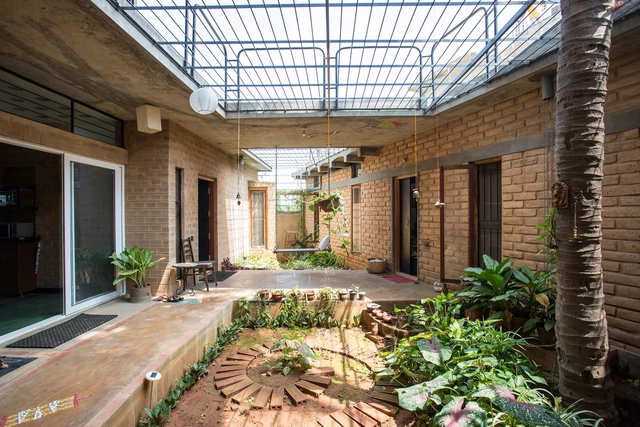
The yearly water cycle is a tough one, ranging from one extreme to another. Harsh monsoons and flood seasons turn into insufferable droughts, making it increasingly difficult to control and retain water resources. While most large-scale actions focus on consequences to agricultural and production sectors, the result is also recognizable at an individual household level. Therefore cumulative small-scale actions are relevant gateways for citizens (? people, designers) to mitigate the issue. 

Efficient Water Management and Collection as Seen in 3 Indian Residential Projects - Image 5 of 4Efficient Water Management and Collection as Seen in 3 Indian Residential Projects - Image 9 of 4Efficient Water Management and Collection as Seen in 3 Indian Residential Projects - Image 18 of 4Efficient Water Management and Collection as Seen in 3 Indian Residential Projects - Image 3 of 4Efficient Water Management and Collection as Seen in 3 Indian Residential Projects - More Images+ 17

Improving Concrete Durability for Critical Applications

 | Sponsored Content

Concrete, second only to water, is the most consumed material worldwide due to its structural strength, ease of handling, and versatility. Comprised of cement, sand, gravel, and water, it is extensively used in construction projects of various scales. However, even this resilient material can deteriorate over time, necessitating maintenance or, in severe cases, demolition. Abrasion and erosion are factors that can adversely affect the appearance of concrete, remove its protective layer, create a rough surface, and potentially lead to structural issues. These challenges are particularly critical in large and complex construction sites, where any irregularities or unevenness can result in significant losses and complications for architects, engineers, and contractors.

Concrete Wonders: 40 Impressive Details Using the Cement-Based Building Material

Subscriber Access | 

Due to its ability to mold and create different shapes, concrete is one of architecture's most popular materials. While one of its most common uses is as a humble foundation, its plasticity means that it is also used in almost all types of construction, from housing to museums, presenting a variety of details of work that deserves special attention.

Check out this collection of 40 projects that highlight the use of concrete. Impressive! 

Finding the Next Low Carbon Concrete Solution: GCCA Innovandi Open Challenge 2023

 | Sponsored Content

The Innovandi Open Challenge is a global programme which brings together tech start-ups and the world’s leading cement and concrete companies to help accelerate the next wave of innovations to achieve our net zero mission.

The Global Cement and Concrete Association (GCCA) and its members understand the key role that innovation will play in unlocking a net zero future for concrete –the world’s most used material after water– which is essential to building the sustainable world of tomorrow.

What Is the Difference Between Precast and Prefabricated Concrete Structures?

Subscriber Access | 

The precast and prefabricated elements made of concrete (such as slabs, pillars, beams and walls) are part of the constructive process known as modular construction. A construction methodology carried out in stages, based on the standardization of the parts that make up the building, with its modules produced on an assembly line, transported and assembled to shape the architecture.

What Is the Difference Between Precast and Prefabricated Concrete Structures? - Image 1 of 4What Is the Difference Between Precast and Prefabricated Concrete Structures? - Image 2 of 4What Is the Difference Between Precast and Prefabricated Concrete Structures? - Image 3 of 4What Is the Difference Between Precast and Prefabricated Concrete Structures? - Image 4 of 4What Is the Difference Between Precast and Prefabricated Concrete Structures? - More Images+ 6

What is Steel Slag Concrete?

Subscriber Access | 

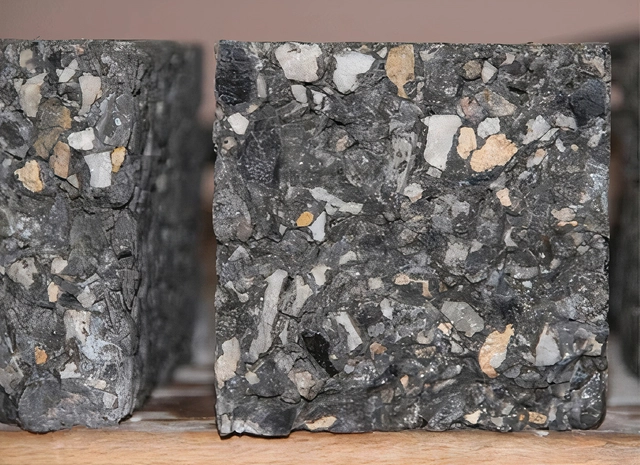
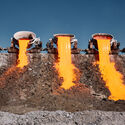
The construction industry is one of the largest in the world, and cement and concrete are literally the building blocks of its success. Evolving from prehistoric caves to today’s towering skyscrapers, concrete structures have and will continue to be vital components of modern civilization, providing long-lasting, reliable support for buildings, roads, bridges, tunnels and dams. So much so that concrete is the most consumed material on Earth, second only to water, while the steel used to reinforce it is by far the most commonly used metal. But this doesn’t come without high environmental costs: concrete accounts for 8% of global CO2 emissions, much of which come from the extraction and transportation of aggregate materials such as sand, gravel and crushed stone.

What is Steel Slag Concrete? - Image 1 of 4What is Steel Slag Concrete? - Image 2 of 4What is Steel Slag Concrete? - Image 3 of 4What is Steel Slag Concrete? - Image 4 of 4What is Steel Slag Concrete? - More Images+ 1

Edible Cement: Innovative Material That Uses Food Waste in Civil Construction

Subscriber Access | 

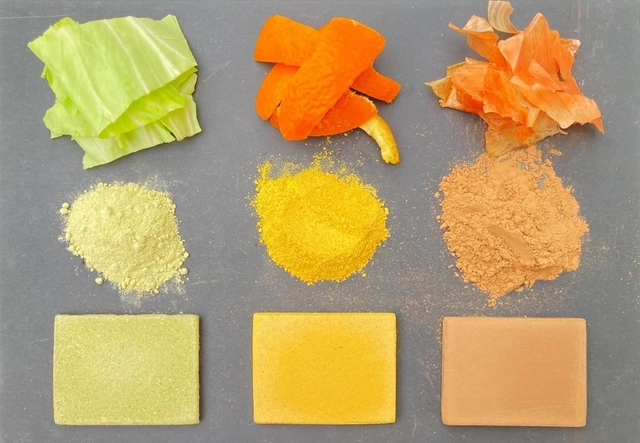
Add cabbage leaves, orange peels, onions, bananas and a few slices of pumpkin to get... cement. That's right, researchers from the University of Tokyo in Japan have developed a technique through which it is possible to produce cement from food waste. Besides being used in construction, the innovative initiative is edible as well. You can make boiled cement into a delicious meal by adjusting flavors, adding seasonings, and breaking it into pieces.

Sculpting the Earth: Engaging With the “Land” in Land Art

Subscriber Access | 

Artists are frequently inspired by land — be it painter Robert S. Duncanson’s renditions of American landscapes, or William Kentridge’s subversions of colonial-era British paintings depicting African vistas. Some artists, though, have preferred to work directly with the land, creating structures that sit on landscapes, or carving into the land itself. This art style — formally termed as Land Art — gained prominence in 1960s and 70s United States, in the context of the rise of the environmental movement amidst civil rights and antiwar protests, and as artists looked to separate themselves from the art market.

Sculpting the Earth: Engaging With the “Land” in Land Art - Image 1 of 4Sculpting the Earth: Engaging With the “Land” in Land Art - Image 2 of 4Sculpting the Earth: Engaging With the “Land” in Land Art - Image 3 of 4Sculpting the Earth: Engaging With the “Land” in Land Art - Image 4 of 4Sculpting the Earth: Engaging With the “Land” in Land Art - More Images+ 5

The Versatility of Reinforced Concrete in Five Architectural Uses

Subscriber Access | 

Fundamental for the development of large metropolises as we know them today, cement is a material used historically, whose technological advances have revolutionized construction technique and technology of civil construction, enabling the verticalization of construction and the densification of urban centers. Cement, both added to water and sand to make mortar and combined with steel and aggregate to form concrete, performs different functions in a work, from structure to finish.

The Versatility of Reinforced Concrete in Five Architectural Uses - Image 1 of 4The Versatility of Reinforced Concrete in Five Architectural Uses - Image 2 of 4The Versatility of Reinforced Concrete in Five Architectural Uses - Image 3 of 4The Versatility of Reinforced Concrete in Five Architectural Uses - Image 4 of 4The Versatility of Reinforced Concrete in Five Architectural Uses - More Images+ 3

Architecture and Color: Explore 15 Projects that Feature Exterior Red Staircases

Subscriber Access | 

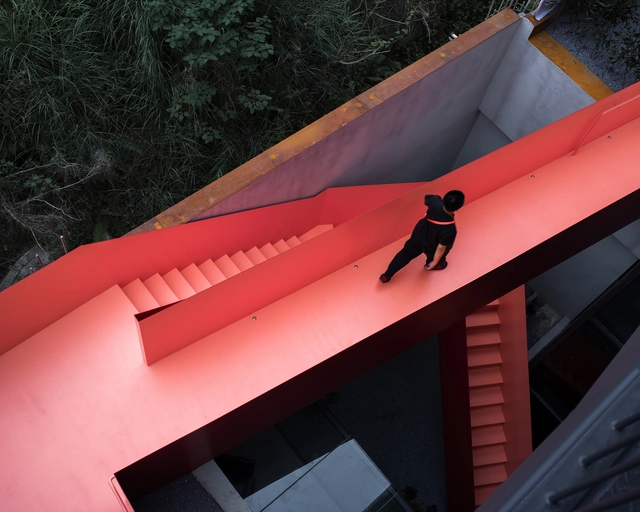
Stairs are often an inevitable part of a building's DNA. Nowadays, staircases not only serve the function of practicality but are also a showcase of their own kind, especially if paired with a color that is guaranteed to grab attention. Among warm colors, red is considered to be the most powerful one. On one hand, it evokes feelings of joy and energy, and on the other, feelings of alertness and danger. Red can stimulate a whole range of emotions. Therefore, its usage should be attentive, delicate, and thought out.

Architecture and Color: Explore 15 Projects that Feature Exterior Red Staircases - Image 1 of 4Architecture and Color: Explore 15 Projects that Feature Exterior Red Staircases - Image 2 of 4Architecture and Color: Explore 15 Projects that Feature Exterior Red Staircases - Image 3 of 4Architecture and Color: Explore 15 Projects that Feature Exterior Red Staircases - Image 4 of 4Architecture and Color: Explore 15 Projects that Feature Exterior Red Staircases - More Images+ 49

Materials or Labor, What Should Cost More?

Architecture is often an ambitious profession, with many architects hoping to positively contribute to the social life of the communities, create emotional responses, and add moments of delight and solace to our daily experiences. However, market forces have a way of applying constant pressure on this field, often being the deciding factor in many design choices. Costs and economic value are generally a good indicator of how, when, and to what extent certain materials are being used: the standard rule is the cheaper, the better. But materials are only part of the equation. Site labor, management, and design costs are also considered, depicting a complex picture of the balance between the cost of materials and the cost of labor and its effect on the architectural product.

Materials or Labor, What Should Cost More? - Image 1 of 4Materials or Labor, What Should Cost More? - Image 2 of 4Materials or Labor, What Should Cost More? - Image 3 of 4Materials or Labor, What Should Cost More? - Image 4 of 4Materials or Labor, What Should Cost More? - More Images+ 9

How are New Construction Materials Prioritizing Human Safety and Wellbeing?

It is expected that by 2050, the rapid depletion of raw materials will leave the world without enough sand and steel to build concrete. On the other hand, the cost of building continues to soar, with an increase between 5% and 11% from last year. And with respect to its impact on the environment, the construction industry still accounts for 23% of air pollution, 50% of the climatic change, 40% of drinking water pollution, and 50% of landfill wastes. Evidently, the construction industry, the environment, and the human race are facing several challenges that are influenced by one another, but it is the human being who is at the greatest disadvantage.

As a response to global challenges such as climate change, discrimination, and physical vulnerability, designers and engineers from across the world have developed innovative construction materials that put the human wellbeing first in urban, architecture, and interior projects.  

How are New Construction Materials Prioritizing Human Safety and Wellbeing? - Image 1 of 4How are New Construction Materials Prioritizing Human Safety and Wellbeing? - Image 2 of 4How are New Construction Materials Prioritizing Human Safety and Wellbeing? - Image 3 of 4How are New Construction Materials Prioritizing Human Safety and Wellbeing? - Image 4 of 4How are New Construction Materials Prioritizing Human Safety and Wellbeing? - More Images+ 4

More Than 50 Years in the Making, Michael Heizer’s Megasculpture, the “City”, Opens to the Public

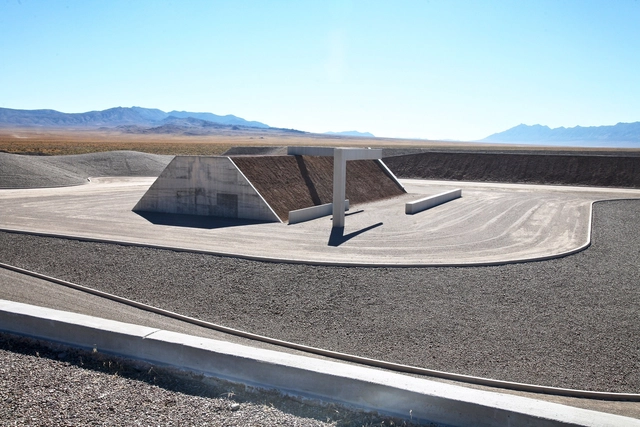
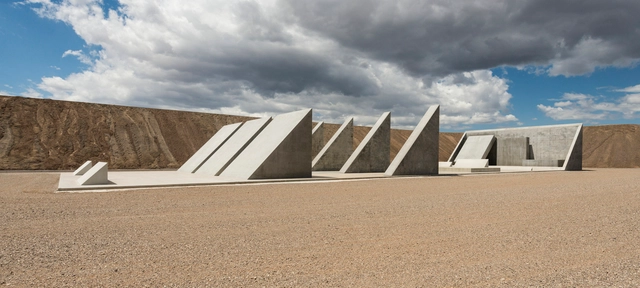
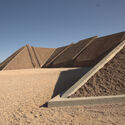
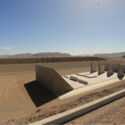
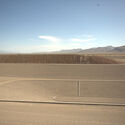
Michael Heizer’s immense sculpture the City, an ambitious artwork of an extraordinary size, will begin to accept visits from the public beginning September 2, 2022. The announcement was made by the Triple Aught Foundation, the not-for-profit organization responsible for managing the long-term oversight and maintenance of Michael Heizer’s immense sculpture. The artwork, a mile and a half long and nearly half a mile wide, is located in a remote stretch of the high Nevada desert. Work on the structure began in 1972 when the artist was 27 years old.

More Than 50 Years in the Making, Michael Heizer’s Megasculpture, the “City”, Opens to the Public - Image 7 of 4More Than 50 Years in the Making, Michael Heizer’s Megasculpture, the “City”, Opens to the Public - Image 8 of 4More Than 50 Years in the Making, Michael Heizer’s Megasculpture, the “City”, Opens to the Public - Image 6 of 4More Than 50 Years in the Making, Michael Heizer’s Megasculpture, the “City”, Opens to the Public - Image 5 of 4More Than 50 Years in the Making, Michael Heizer’s Megasculpture, the “City”, Opens to the Public - More Images+ 6

How to Prevent ASR from Cracking and Deteriorating Concrete

 | Sponsored Content

Concrete can be found in almost any type of construction around the world. But how is it made? 

During manufacturing, once in contact with water, concrete’s main ingredient, cement, binds to any aggregates present and goes through a number of complex chemical reactions. That eventually turns it into concrete, a material that is very durable and easy to work with. Despite this reliable durability, concrete can go through a number of internal processes that can lead to serious structural concerns. One of these is alkali-silica reaction (ASR), which can cause cracks in concrete and even put structures in danger of collapse over time.

Concrete, Wood, Steel and Glass: How to Choose the Material of a Staircase?

Subscriber Access | 

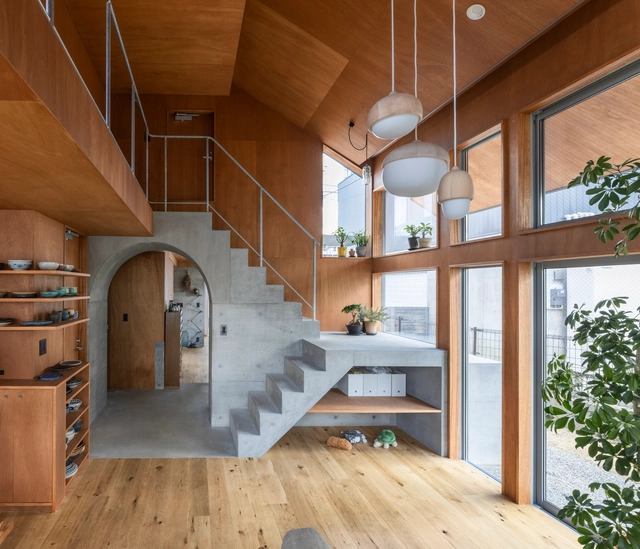
Most of us use stairways every day, but few times do we stop to contemplate their design or put much thought into their function. With their steps, treads and railing, they are easily one of the most fundamental architectural elements in any home. Apart from providing a safe, simple and easy access from one floor to another, it is through staircases that architects create unique spatial forms and strong visuals. From afar, one can observe people moving up and down repeatedly; from within, the user is treated to new angles and ways to perceive a space. Therefore, good staircases are more than just means of vertical circulation. Through their might and scale, they can become the protagonist of a space – a design focal point that rises to the level of art. In this article, we present their versatile characteristics and material qualities through a selection of inspiring examples, all of which can be found in Architonic's 'Staircases' section.