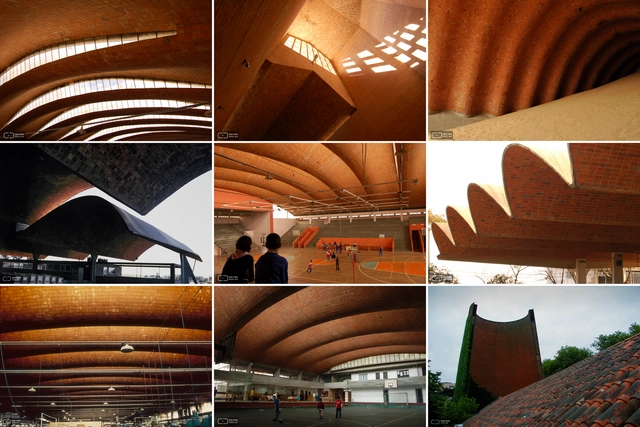
Cortesía de Servicio de Medios Audiovisuales de la Facultad de Arquitectura, Diseño y Urbanismo de la Universidad de la República
Eladio Dieste, the engineer behind "reinforced ceramic" and double-curved arches marked his spot as one of the most important figures in architecture, not only in his native Uruguay, but in Latin America and beyond. Here, we invite you to take a look at just some of the engineer's work, from his widely-recognized churches like the Church of San Pedro and the Christ the Worker Church in Atlántida- to his factories, silos, and gymnasiums, all of which form an important part of the region's architectural repertoire.
To help us in our mission to bring Dieste's work to our readers, the Audiovisual Media Service of the Faculty of Architecture, Design, and Urbanism at the University of the Republic has shared the following images as well as the Eladio Dieste page in order to provide a space to learn about his works and writings.
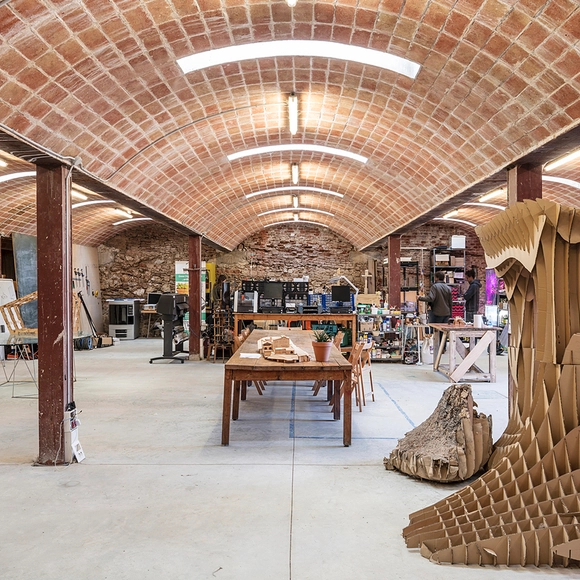
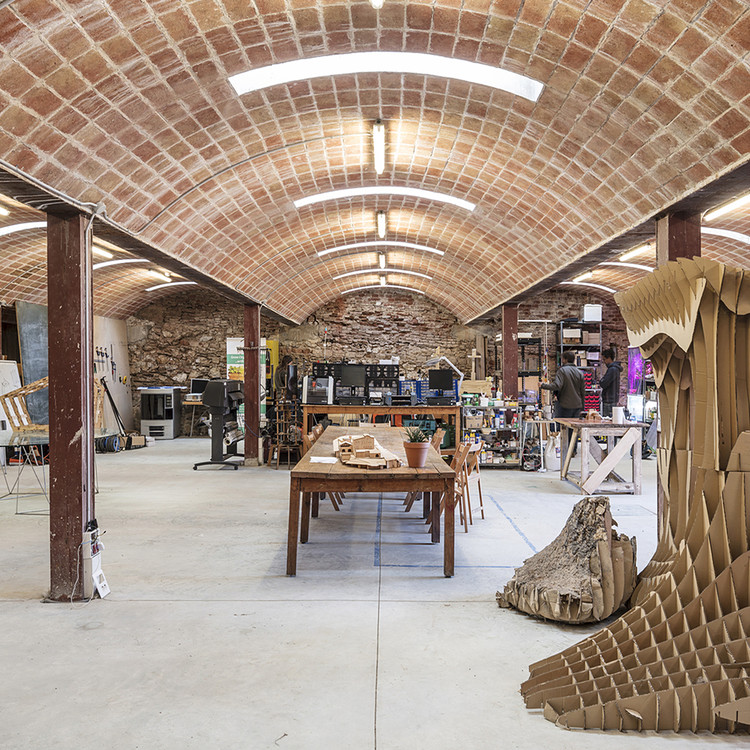
A vault is a constructive technique that is achieved by compressing the materials forming it together. While this technique has existed since the time of the ancient Romans, certain types of vaulted ceilings, such as the Catalan or Valencian timbral vault, only reached popularity in some areas of the world at the start of the 19th century thanks to their lost cost and ready availability. With the ability to span over 30 meters and add substantial height to structures, vaulted ceilings became a go-to for the construction of industrial spaces such as workshops, factories, and warehouses.
Videos
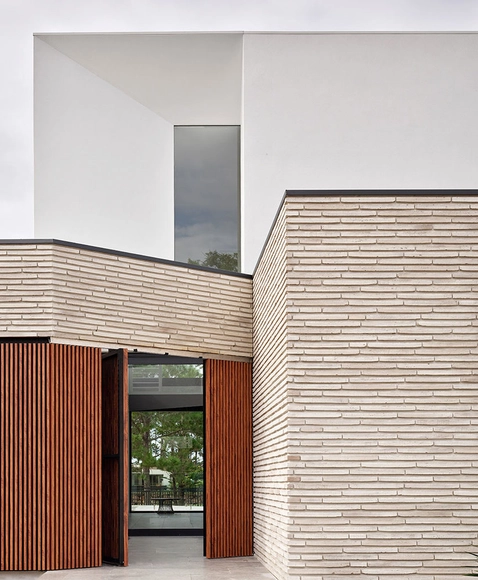
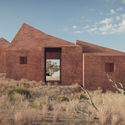
Stratum, Australia. Image Courtesy of Randers Tegl
When creating a contemporary atmosphere for living, many factors come into play. The surrounding environment, its climate, use of materials, spatial organization, and the attention to detail in both the interior and exterior design, all impact the quality of the design as a whole.
Many architects work in a variety of areas, designing everything from the layout of a city block to the most minute details of a building. A common trend among these projects is that the furnishings, the very things that make a structure usable and livable, are often afterthoughts for the project's creators and only become important when the structure is already built.
Not a month goes by without Danish architects and Danish design in the news, as design seems to be one of the primary exports from the tiny Scandinavian country. To be fair, the attention isn't a bad thing. Denmark has a rich heritage of furniture designers and architects who have transformed spatial thinking around the world. Some thoughts were so “BIG,” that they envisioned inhabiting the moon or making plans for a Masterplanet.
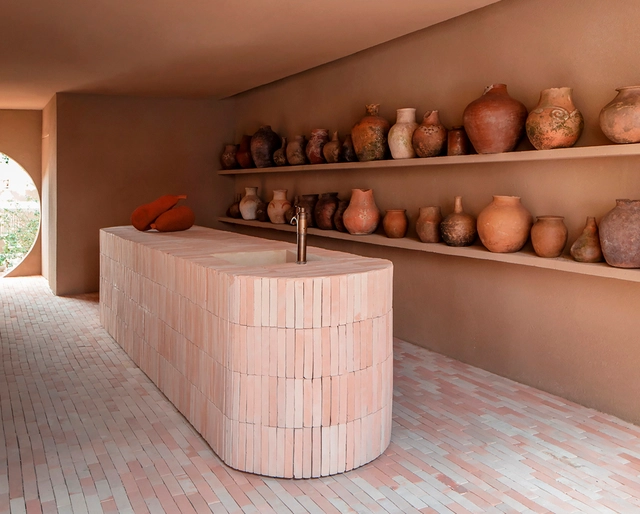
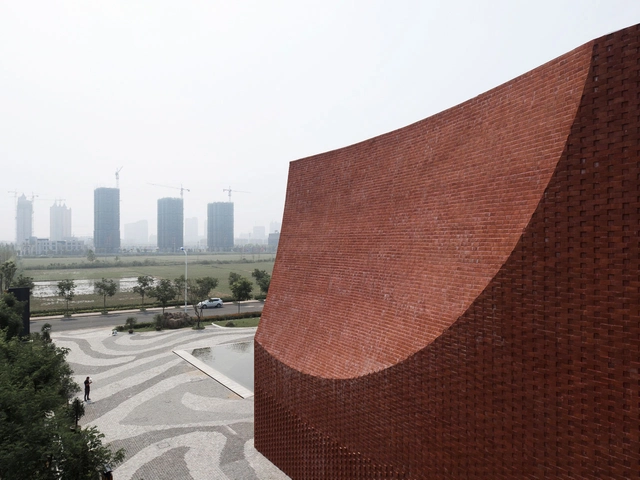
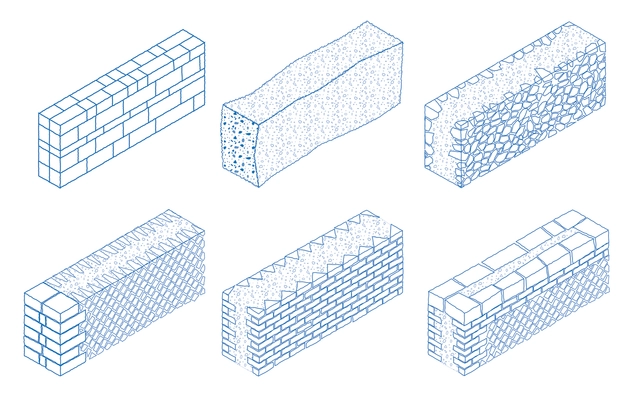
Ranging from yellow, to gray, to traditional red and orange, bricks are ubiquitous in many of our cities and widely used in construction. Briefly, the manufacturing process of traditional bricks involves molding clay and firing it in ovens, facilitating the creation of solid blocks, perforated blocks, cobogós, tiles, and other shapes. Ceramic bricks are inexpensive; easy to find; boast strong resistance, thermal inertia, and finish; and do not require such specialized labor for construction. But if the installation is done near sources of high heat, the common brick will end up cracking and breaking, making refractory bricks more suitable. But what does that mean?
Cuisine, culture, sightseeing, and engaging with the locals are all reasons people like to travel. The common factor that draws us to explore new places, however, is simply the chance to experience cities and landscapes unlike our own familiar surroundings. For example, when Chinese tourists can again visit Copenhagen, they may admire the waterside capital’s winding bike paths, lush green parks, and the Scandinavian brick traditions on display in Nyhavn. Likewise, a Danish tourist would surely be blown away by the breathtaking scale of Beijing, with it’s 9 million+ bicycles and the display of ancient Chinese culture juxtaposed with modern society.
In some cases, a roof can become the shining centerpiece in a work of architecture. Catalan vault, also known as Valencian timbrel vault, became a fixture in Spanish architecture in the 19th century, popularized thanks to its low cost and ease of sourcing and assembly. With the ability to span over 30m per module, this technique is currently making a comeback, establishing itself as a go-to construction method in industrial architecture and can be seen in everything including workshops, factories, and warehouses.
Brick is one of the most popular materials for architects designing with a vintage or rustic aesthetic: exposed brick walls are often touted as highly desirable for apartments, restaurants, and stores, and exterior brick facades can make a building or home feel warmer and more inviting. However, the color and cut of the brick can greatly influence the atmosphere it emanates, with white brick lending itself to more minimalist design and tan brick tending to feel more rustic and earthy. In this article, we will explore some of the most popular brick colors, ways to artificially color brick, and recent projects that use brick facades or interior brick elements effectively.
https://www.archdaily.com/944493/the-colors-of-brickLilly Cao
Constrained by a lack of transportation and resources, vernacular architecture has started adapting the distinct strategy of utilizing local materials. By analyzing projects which have successfully incorporated these features into their design, this article gives an overview of how traditional materials, such as tiles, metal, rocks, bamboo, wooden sticks, timber, rammed earth and bricks are being transformed through vernacular architecture in China.
Marc Thorpe, New York-based architect and multidisciplinary studio, has designed the Dakar Houses for the workers of Moroso M’Afrique furniture collection. Located on the outskirts of the Senegalese capital in West Africa, the prototype houses are made from earth bricks.
At the apogee of the Roman Empire, its territory extended over more than five million square kilometers, between Europe, Asia, and Africa. Rome exercised power over a population of more than 70 million people, which equated to roughly 21% of the world population at the time. In fact, as we have already shown in another article, all roads led to the city of Rome. The great seat of the empire and the material and immaterial heritage left by it is immeasurable, and even today researchers seek to understand its full impact on the current world. From the beginning of its expansion in the 6th century BC until its fall in the year 476 AD, the legacy left by the Romans encompasses areas such as law, plastic arts, Latin (which originated many different languages), systems of government, and, importantly, architecture.
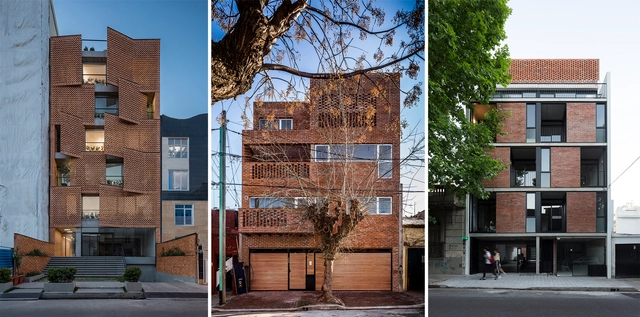
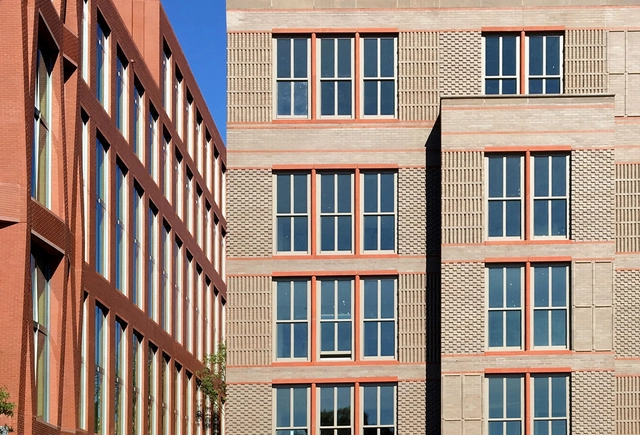
As one of the oldest building materials, dating back to at least 7500 BCE, brick is often thought of as a traditional, classic option for a building facade. Throughout its long history, however, the brick industry has changed and modernized to remain architecturally relevant. Innovations in brick construction continue to provide new opportunities for designs that combine the warmth and character of a natural material with the efficiency and aesthetics of a modern building.
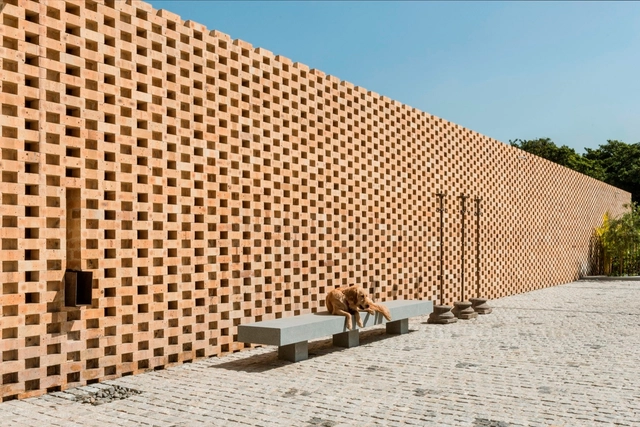
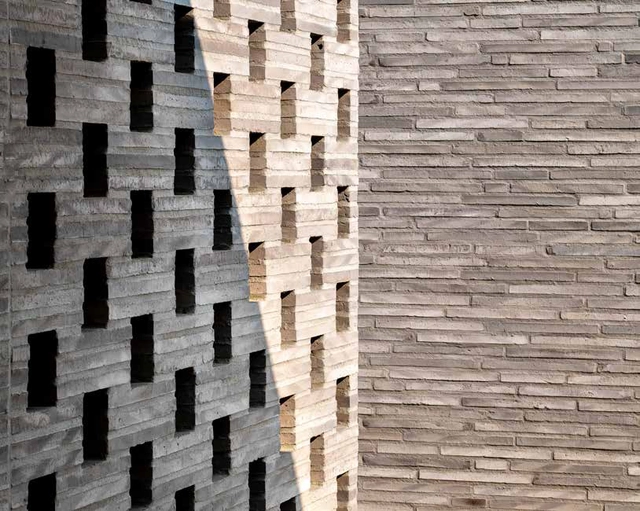
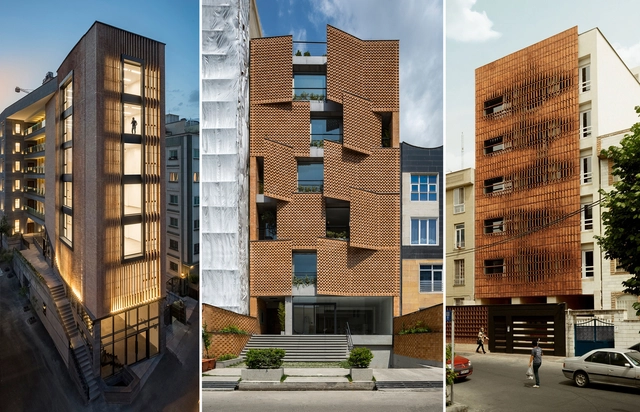
Rotation, displacement, and interleaving of blocks are some of the options that enable the diversity of raw brick patterns in architecture. The shape of these elements, usually used for the construction of walls, has been explored in a creative way to compose facades of residential buildings, representing the formal identity of the building itself and its relationship with its context.
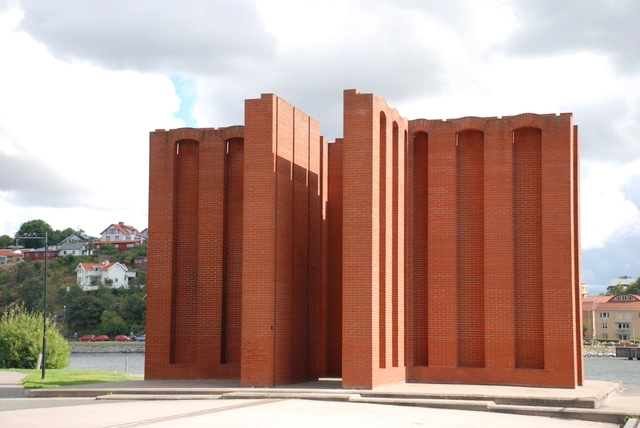
The interview Per Kirkeby: "We Build Upon Ruins" published on Louisiana Channel not only showcases the colorful canvases of the Danish painter, sculptor, filmmaker, and writer, but also his own reflections on the importance of surroundings that "give us so much baggage." It's this very idea that Kirkeby brings to his brick sculpture displays, where something simple and sometimes useful puts aside inaccessible conceptualism to pay homage to the surroundings rather than the sculptures themselves.
Iran’s architecture has long been rooted in Persian culture. From tea houses and pavilions to domestic huts and elaborate mosques, the country’s built environment is tied to these influences, as well as the landscape and its broader context. At the heart of Iran’s more recent projects is a desire to reinterpret history through new spaces and forms.
The Brick Industry Association (BIA) has opened the entries for the 2019 Brick in Architecture Awards due on October 31, 2019.
The Brick Industry Association (BIA) has opened its entries for the 2019 Brick in Architecture Awards—now celebrating 30 years as the nation’s leading architectural design competition featuring fired-clay brick. Entries are due by Oct. 31.
With a history of stunning, innovative and unusual design, all submissions must use clay brick as the project’s primary building material.