1. ArchDaily
  2. African Architecture

African Architecture: The Latest Architecture and News

The Pervasive Influence of Swahili Architecture

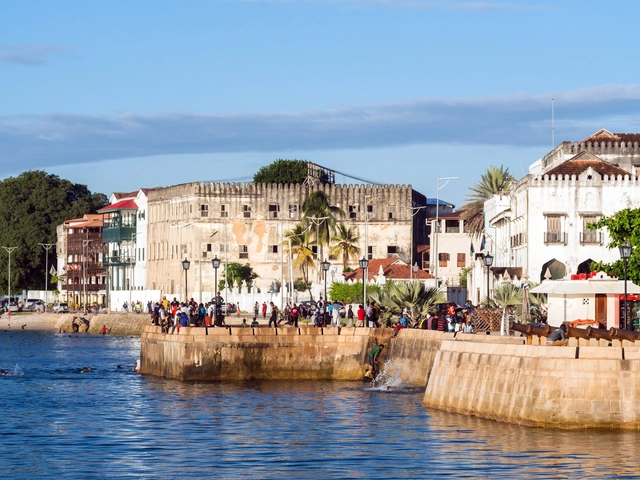
The African continent has been - throughout history – a key player in the ever-evolving story of human migration. Cultures and customs have been shared, adapted, and re-imagined as a result of this movement of populaces, and architectural styles are no exception. In a way, the varied architecture present in Africa is a lens one can look at to understand the intricacies of migration. Present on the continent are ancient indigenous and building typologies born out of the organic assimilation of cultures. Also present are remnants of colonial architecture, a legacy not of voluntary migration, but of forced colonial imposition.

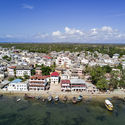
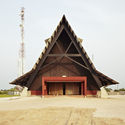
The Pervasive Influence of Swahili Architecture - 1 的图像 4The Pervasive Influence of Swahili Architecture - 2 的图像 4The Pervasive Influence of Swahili Architecture - 3 的图像 4The Pervasive Influence of Swahili Architecture - 4 的图像 4The Pervasive Influence of Swahili Architecture - More Images+ 12

Pancho Guedes, Sculpting a New Africa

Subscriber Access | 

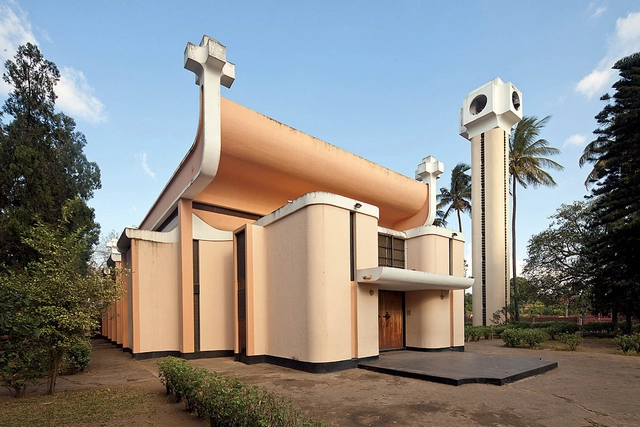
Amancio d'Alpoim Miranda Guedes, known as Pancho Guedes was an architect, painter, sculptor, and educator that is revered as one of the earliest post-modernist architects in Africa. Throughout his career, he has contributed to more than 500 building designs which were often characterized as eclectic, bringing together Lusophone African influence with his unique surrealist and experimental artistic style. It is said that having worked mainly in Mozambique, Angola, South Africa, and Portugal, Pancho Guedes was less well known than he ought to have been in the rest of the world, as he is a leading figure in modern African architecture.

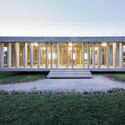
Pancho Guedes, Sculpting a New Africa - Image 1 of 4Pancho Guedes, Sculpting a New Africa - Image 2 of 4Pancho Guedes, Sculpting a New Africa - Image 3 of 4Pancho Guedes, Sculpting a New Africa - Image 4 of 4Pancho Guedes, Sculpting a New Africa - More Images+ 27

Living in Dakar, A Study of Senegalese Housing & Future Development

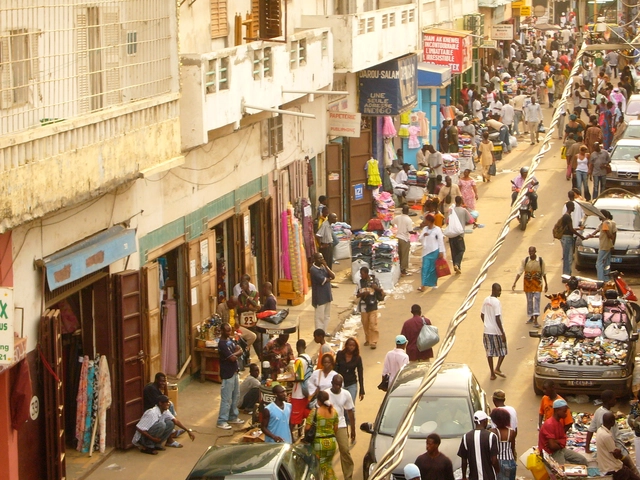
Launched by the Goethe Institut, Habiter Dakar (Living in Dakar) is a virtual exhibition tackling Housing in the Senegalese capital. The study was led by Nzinga Mboup and Caroline Geffriaud, both Architects based in Dakar. They noticed that the current housing offer in the city was particularly far off the needs of its inhabitants, whether on the cultural, societal or environmental level.

The architects analyzed the progression through which the Senegalese capital's Urban Landscape and Housing development had passed, starting from the traditional compound living type to today’s international housing models which seem to be disconnected from the daily reality of most of the city’s inhabitants. The study is concentrated on Housing which is an essential part of the formation and evolution of Dakar and suggests important theoretical and concrete reflections for the future development of the African metropolis.

Living in Dakar, A Study of Senegalese Housing & Future Development - Image 1 of 4Living in Dakar, A Study of Senegalese Housing & Future Development - Image 2 of 4Living in Dakar, A Study of Senegalese Housing & Future Development - Image 3 of 4Living in Dakar, A Study of Senegalese Housing & Future Development - Image 4 of 4Living in Dakar, A Study of Senegalese Housing & Future Development - More Images+ 24

Architecture x Nigeria: 3 Designers Discuss Their Favorite Projects and How They Created Them

Parpend, a design studio from Lagos, Nigeria, interviews every year a group of architects to discuss their favorite projects and how they created them. Believing firmly that design should be a fusion of function and expression, statements are compiled in a publication in order to highlight the designers’ creative process to achieving good design.

Entitled “PERSPECTIVE”, this edition of the report, destined for designers and non-designers alike, examines 4 projects with 3 designers: Seun Oduwole, Principal designer at SI.SA talks about the JK Randle Centre for Yoruba History and Culture, on Lagos Island; Tosin Oshinowo, Director at cmDesign Atelier discusses a Bahá’í temple competition and an art space for Victor Ehikhamenor, a prominent Nigerian artist. Moreover, James Inedu-George, Head of Design at HTL Africa explores a mosque contest.

Architecture x Nigeria: 3 Designers Discuss Their Favorite Projects and How They Created Them - Image 1 of 4Architecture x Nigeria: 3 Designers Discuss Their Favorite Projects and How They Created Them - Image 2 of 4Architecture x Nigeria: 3 Designers Discuss Their Favorite Projects and How They Created Them - Image 3 of 4Architecture x Nigeria: 3 Designers Discuss Their Favorite Projects and How They Created Them - Image 4 of 4Architecture x Nigeria: 3 Designers Discuss Their Favorite Projects and How They Created Them - More Images+ 15

Côte d'Ivoire: Modern Architecture Along Africa's Ivory Coast

The Ivory Coast is creating a new design language in West Africa. Located between Ghana and Liberia, Côte d'Ivoire is home to a range of modern architecture. Before colonization, the Ivory Coast was home to Gyaaman, the Kong Empire, and Baoulé, with ties that would shape its identity. Now, local architecture is rethinking past traditions to create a model for the future.

Côte d'Ivoire: Modern Architecture Along Africa's Ivory Coast - Imagem 1 de 4Côte d'Ivoire: Modern Architecture Along Africa's Ivory Coast - Imagem 2 de 4Côte d'Ivoire: Modern Architecture Along Africa's Ivory Coast - Imagem 3 de 4Côte d'Ivoire: Modern Architecture Along Africa's Ivory Coast - Imagem 4 de 4Côte d'Ivoire: Modern Architecture Along Africa's Ivory Coast - More Images+ 6

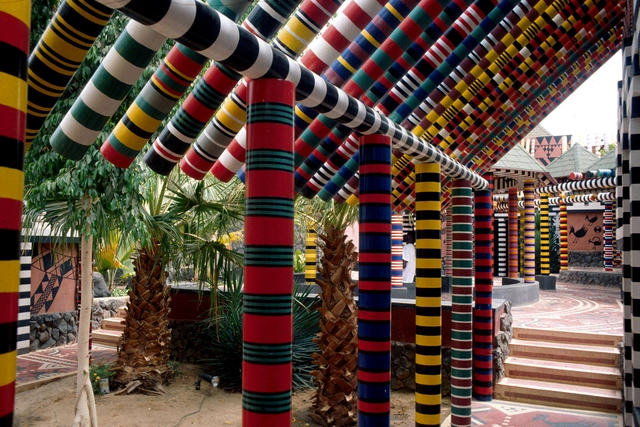
Ornament, Crime & Prejudice: Where Loos' Manifesto Fails to Understand People

Subscriber Access | 

This article was originally published on CommonEdge as "African Architecture: Ornament, Crime & Prejudice."