

-
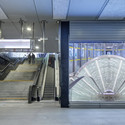
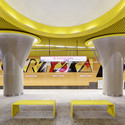
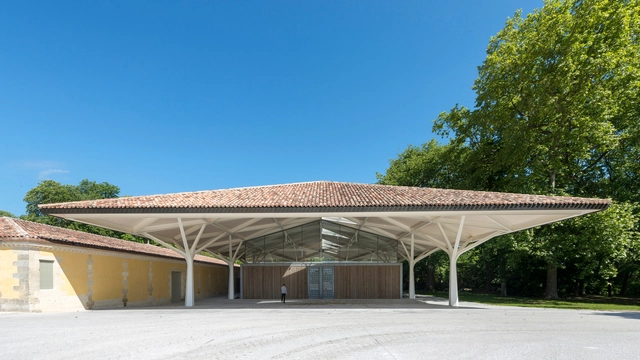
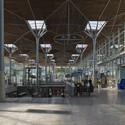
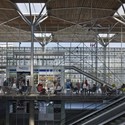
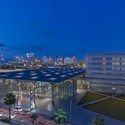
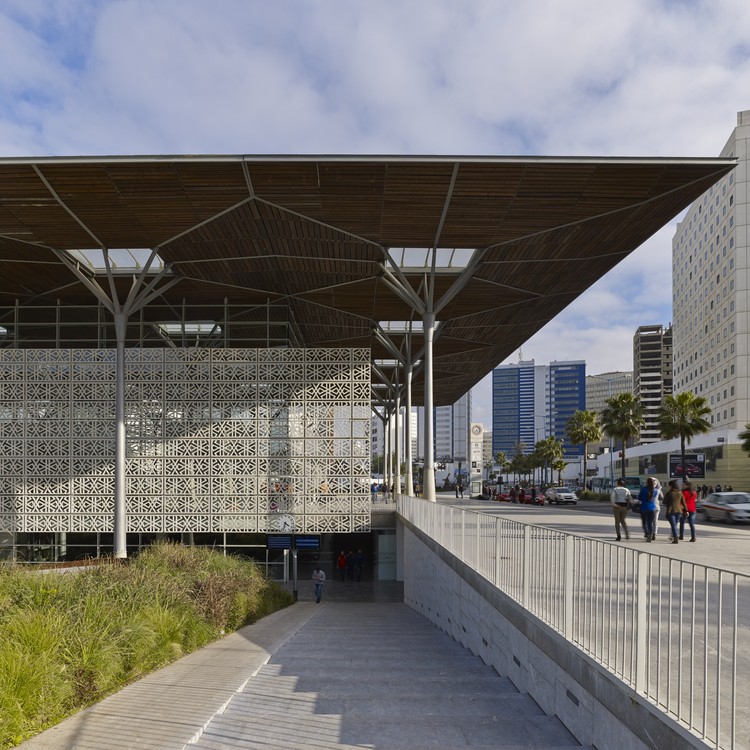
Architects: Rocco Design Architects
- Year: 2015

Construction is slated to begin next week on a $35 million office building designed by BIG at Philadelphia's Navy Yard. As the Philadelphia Inquirer reports, Liberty Property Trust will break ground Tuesday on the 94,000-square-foot office building at a site adjacent to a five-acre park designed by James Corner Field Operations. The project will be Liberty's fourteenth development at Navy Yards - a 1200-acre office park sited on a World War II Navy shipyard.
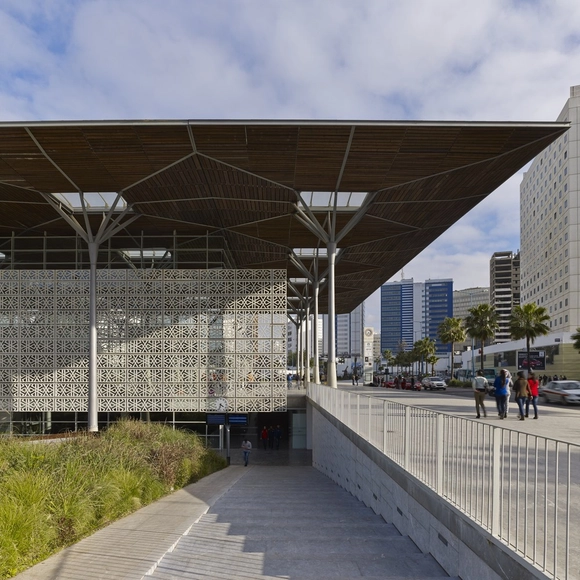

The Washington Post has published renderings of the new U.S. Diplomacy Center currently under construction at the State Department in Washington DC. "A shimmering pavilion," as architecture critic Philip Kennicott describes, the new center will serve as a welcoming public entrance to the Department of State's headquarters and be the nation's first museum and education center devoted entirely to the "history, practice and challenges of US Diplomacy.
Designed by architect Hany Hassan of Beyer Blinder Belle, the glass pavilion will house a museum and an underground cafe, bookstore and event space, providing a new destination just two blocks from the National Mall.
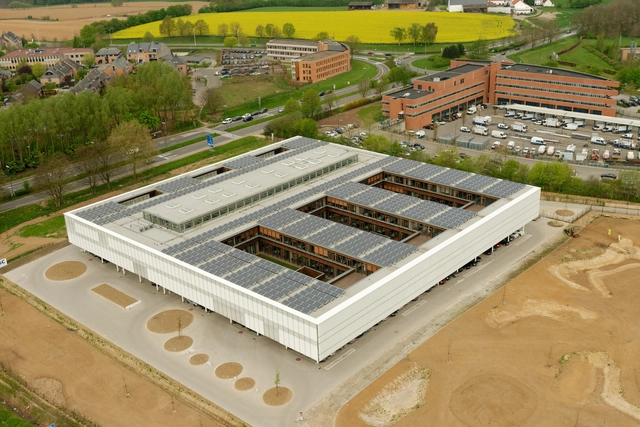

WEISS/MANFREDI broke ground yesterday on Cornell Tech's pioneering building, "The Bridge." Spearheading the first phase of the $2 billion Roosevelt Island tech campus, the new building will "bridge" the gap between academia and industry, providing a seven-story "corporate co-location" loft where students and industry leaders will collaborate.
“The Bridge is a crystalline incubator with river-to-river views and creates a three-dimensional crossroads, an ecosystem of innovation to catalyze collaboration between academics and entrepreneurs,” say design partners Marion Weiss and Michael A. Manfredi.

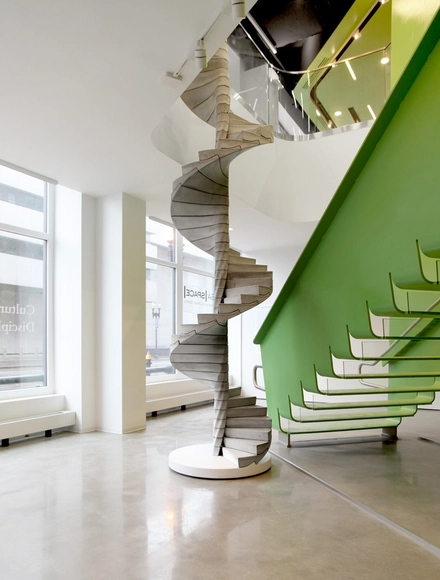
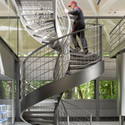
Exhibited at the BSA Space as part of the Boston Design Biennial in 2013, Matter Design's Helix is a concrete spiral staircase that is full of surprises. Chief among these is its size - the stair was built at half-size to address the practical issues of weight, liability and access - but more important are the details of its assembly. While the steps of most spiral staircases are supported from either the stair's perimeter or a central column, Helix transfers loads directly through the steps below to its base which, rather than resting on the floor as it appears, is in fact suspended from a beam in the ceiling.
The American Institute of Architects’ (AIA) Housing Knowledge Community, together with the Office of the Secretary of the U.S. Department of Housing and Urban Development (HUD), has announced two selections for the 2015 AIA/HUD Secretary Awards, which recognize innovative housing projects with excellence in design. This year's projects were selected in the Excellence in Affordable Housing Design and Creating Community Connection categories.
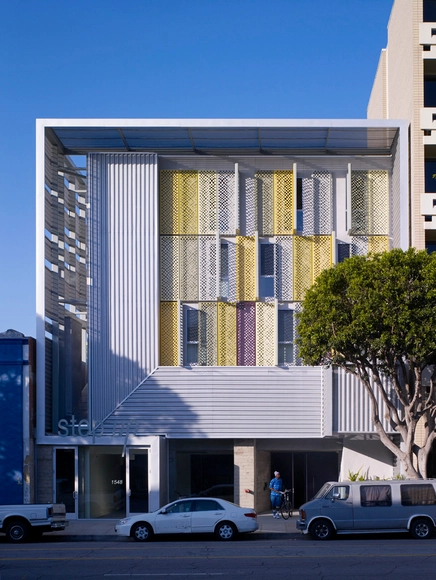
The Excellence in Affordable Housing Design Award was awarded to Brooks + Scarpa for their Step Up project in Santa Monica, California, which embodies the award’s recognition of “architecture that demonstrates overall excellent design responses to the needs and constraints of affordable housing."
Gossens Bachman Architects was announced as the winner of the Creating Community Connection Award for their Co-op Plaza Redevelopment in Brattleboro, Vermont. This award “recognizes projects that incorporate housing within other community amenities for the purposes of either revitalization or planned growth.”
More about the winners, after the break…
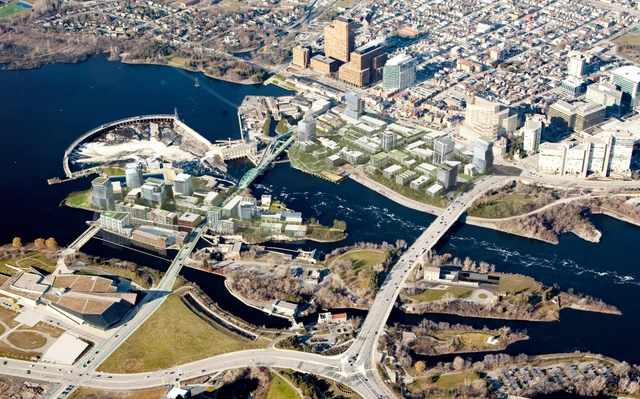
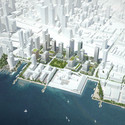
Urban waterfronts have historically been the center of activity for many cities. They began as economic, transportation and manufacturing hubs, but as most industries changed their shipping patterns and consolidated port facilities, many industrial waterfronts became obsolete. In Europe, smaller historic ports were easily converted to be reused for leisure activities. However, in North America, where the ports were larger, it was more difficult to convert the waterfronts due to logistical and contamination issues.
Over the past 40 years or so, architects and urban planners have started to recognize the redevelopment potential for waterfronts across the United States and Canada, and the impact they can have on the financial and social success of cities. Though cold-climate cities pose a unique challenge for waterfront development, with effective planning waterfront cities with freezing winter months can still take advantage of the spaces year-round.
.jpg?1431061762&format=webp&width=640&height=580)




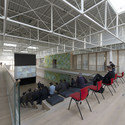
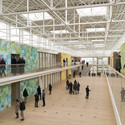




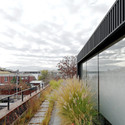


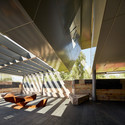



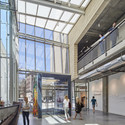
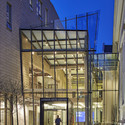
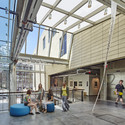


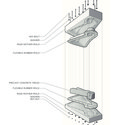




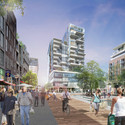
.jpg?1431654800 "Lower Yonge project in Toronto. Image © Chris Foyd courtesy of Perkins+Will")






.jpg?1431060761 "© Stephen Schneider")
.jpg?1431061294 "© Robert Frith Acorn")
.jpg?1431060982 "© Stephen Schneider")
.jpg?1431061516 "© Robert Frith Acorn")
.jpg?1431061762)